
Iran vs Saudi Arabia conflict is one of the most complex and deeply rooted geopolitical rivalries in the modern world, shaping not only the future of Middle East but also influencing global politics, economics, and security frameworks. These two nations, both powerful and resource-rich, have long competed for dominance in the region, positioning themselves as leaders of the Islamic world. Their rivalry is not limited to political disagreements; it is a multi-dimensional conflict that includes religious divisions, ideological differences, economic competition, and military strategies.
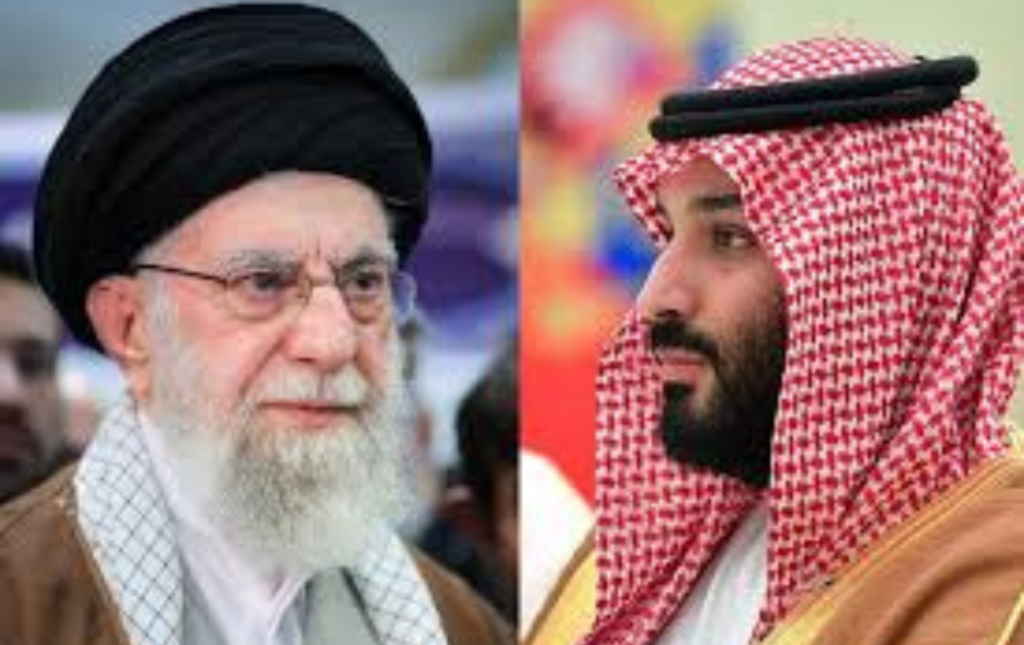
In recent years, particularly in 2026, rising tensions have once again drawn global attention due to reports of increased military activity, regional instability, and the possibility of escalation. The importance of this conflict lies in its far-reaching consequences, as any disruption between Iran and Saudi Arabia can directly impact global oil markets, trade routes, and international relations. Understanding this conflict requires a detailed exploration of its historical roots, evolving dynamics, and current developments.
Table of Contents
Iran vs Saudi Arabia Conflict Historical Background
The origins of the Iran-Saudi rivalry can be traced back to the mid-20th century, but it gained significant intensity after the Iranian Revolution of 1979. Before this revolution, Iran, under the Shah, maintained relatively cooperative relations with Saudi Arabia despite differences in governance. However, the revolution transformed Iran into an Islamic Republic with a strong ideological stance against monarchy and Western influence.
This shift alarmed Saudi Arabia, which viewed Iran’s new leadership and revolutionary ideology as a threat to its own stability and regional position. Over the years, several key events have intensified this rivalry, including the Iran-Iraq War, shifts in global alliances, and the increasing involvement of external powers in the Middle East. Each of these turning points has contributed to a cycle of mistrust and competition, making reconciliation increasingly difficult.
Religious Divide and Sectarian Politics
One of the most significant factors driving the Iran-Saudi conflict is the religious divide between Shia and Sunni Islam. Iran, as a Shia-majority nation, often positions itself as a protector of Shia communities worldwide, while Saudi Arabia, a Sunni-majority country, promotes Sunni leadership and traditions. This sectarian divide has deep historical roots, but in the modern context, it has taken on political and strategic importance. Both nations use religious identity as a tool to expand their influence, supporting groups and governments that align with their respective ideologies. This has transformed many regional conflicts into broader sectarian struggles, complicating efforts to achieve peace and stability.
Ideological Differences and Governance Models
Beyond religion, Iran and Saudi Arabia differ significantly in their political systems and governance models. Iran operates as an Islamic republic with a blend of democratic institutions and religious authority, while Saudi Arabia is an absolute monarchy with centralized power. Iran’s leadership often promotes revolutionary ideals and resistance to Western influence, whereas Saudi Arabia maintains strong alliances with Western nations and focuses on economic modernization. These contrasting ideologies shape their foreign policies and strategic priorities, contributing to ongoing tensions.
Struggle for Regional Dominance
At the core of the Iran vs Saudi Arabia rivalry lies an intense and ongoing struggle for regional dominance in the Middle East, a region that holds immense geopolitical, economic, and strategic importance. Both Iran and Saudi Arabia view themselves as natural leaders of the Islamic world and seek to expand their influence across neighboring countries. Iran’s strategy is often based on building long-term ideological and political alliances with governments and non-state actors, allowing it to maintain a presence in multiple regions simultaneously.
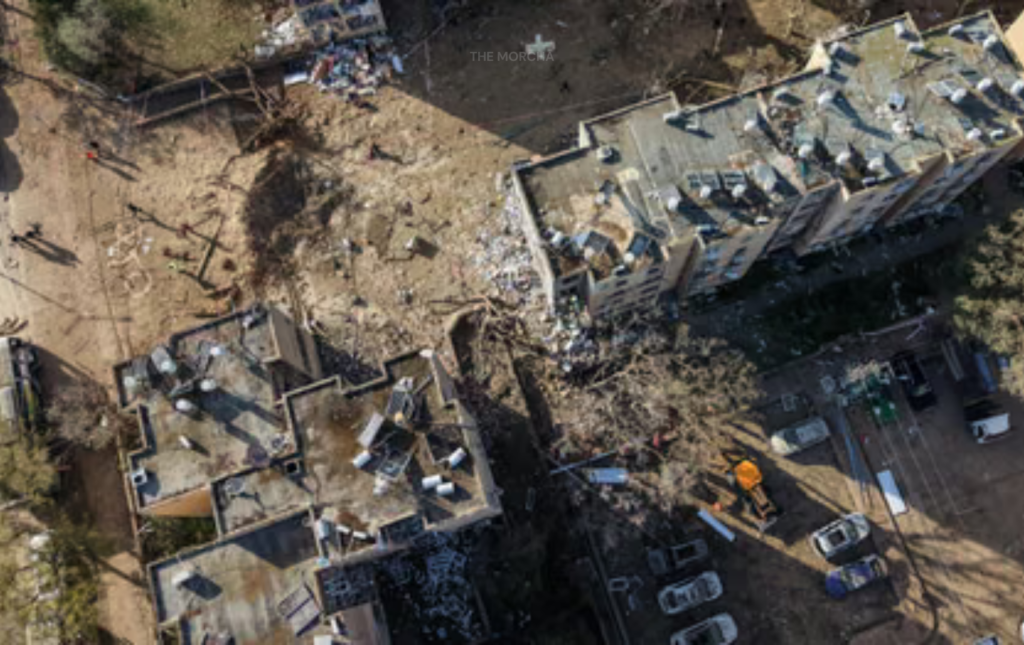
Saudi Arabia, on the other hand, relies heavily on its vast financial resources, diplomatic relationships, and strong ties with Western nations to project power and maintain stability in its favor. This competition is not limited to politics but extends into economic investments, military partnerships, and cultural influence. As both nations attempt to assert their authority, smaller countries in the region often become arenas where this rivalry plays out, leading to instability and prolonged conflicts.
Proxy Wars as a Key Strategy
Proxy warfare has become one of the most defining and strategic tools used by both Iran and Saudi Arabia to advance their interests without engaging in direct military confrontation. Instead of fighting each other openly, both countries support opposing factions in conflict zones, providing them with financial assistance, political backing, and sometimes military support. This indirect approach allows them to weaken each other’s influence while avoiding the devastating consequences of a full-scale war.
However, proxy wars are often prolonged and complex, involving multiple actors with differing objectives, which makes them extremely difficult to resolve. These conflicts not only deepen regional instability but also create humanitarian crises that affect millions of civilians. The use of proxy warfare reflects the strategic caution exercised by both nations, as they seek to balance aggression with the risk of escalation.
A Humanitarian and Strategic Crisis
The ongoing conflict in Yemen stands as one of the most significant examples of the Iran-Saudi rivalry in action. Yemen’s geographic location near the Bab el-Mandeb Strait, a crucial maritime route, makes it strategically important for both regional and global trade. Iran is widely believed to support the Houthi movement, which has gained control over significant parts of the country, while Saudi Arabia leads a coalition that backs the internationally recognized Yemeni government.
The conflict has turned into a prolonged and devastating war, causing widespread destruction, economic collapse, and a severe humanitarian crisis. Millions of people face food insecurity, lack of medical care, and displacement. For Saudi Arabia, the presence of a hostile group near its borders poses a direct security threat, while for Iran, Yemen offers an opportunity to expand its influence and challenge Saudi dominance. This situation highlights how geopolitical rivalries can have profound human consequences.
Syria Conflict and Strategic Interests
The Syrian civil war has become another major battleground where Iran and Saudi Arabia have pursued their competing interests. Iran has consistently supported the Syrian government, providing financial aid, military assistance, and strategic guidance to ensure its survival. This support has allowed Iran to strengthen its presence in the region and establish a network of alliances that extend beyond Syria.
Saudi Arabia, in contrast, has supported various opposition groups in an effort to counter Iran’s influence and bring about political change. Syria’s strategic location, connecting multiple regions of the Middle East, makes it a critical area for both nations. The involvement of global powers such as Russia and the United States has further complicated the conflict, turning it into a multi-dimensional struggle that goes beyond the Iran-Saudi rivalry.
Iraq Key Arena of Influence
Iraq plays a crucial role in the Iran-Saudi rivalry due to its geographic position, political significance, and diverse population. Following years of conflict and instability, Iraq has become a space where both nations seek to expand their influence. Iran has established strong ties with various political groups and militias, allowing it to play a significant role in Iraq’s internal affairs. Saudi Arabia, recognizing the importance of Iraq, has increased its diplomatic engagement and economic investments in the country. This competition reflects the broader struggle for influence in the Middle East, where both nations aim to shape political outcomes and secure their strategic interests. The situation in Iraq remains complex, with internal dynamics and external pressures interacting in unpredictable ways.
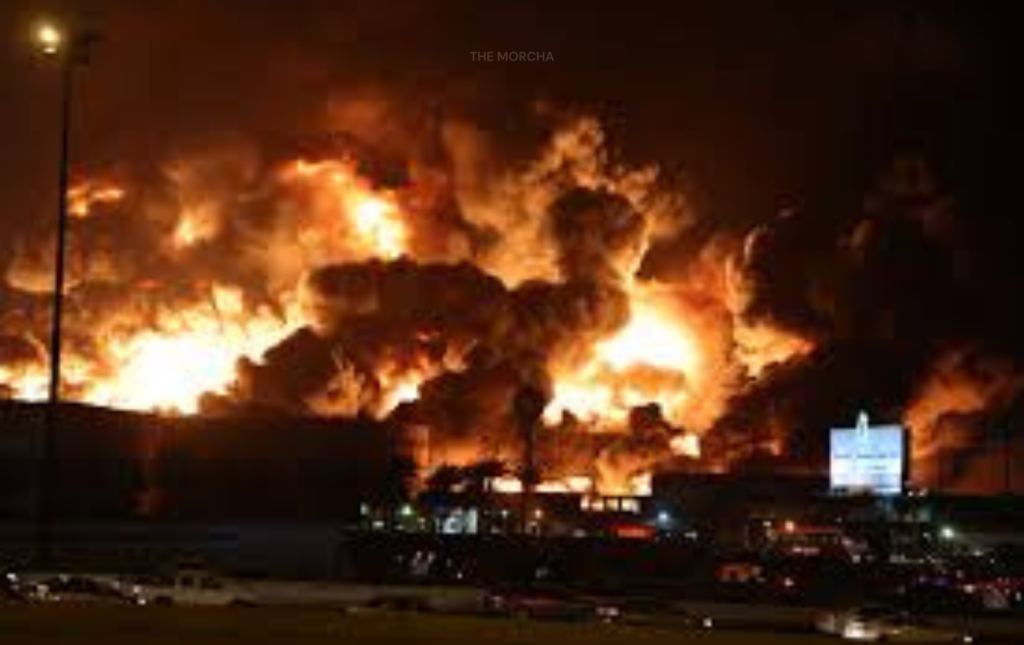
Recent Developments in 2026
In 2026, tensions between Iran and Saudi Arabia have once again intensified, drawing global attention and raising concerns about the possibility of escalation. Reports of increased military activity, strategic deployments, and heightened rhetoric from both sides have created an atmosphere of uncertainty. While not all incidents are officially confirmed, the overall trend indicates a growing level of mistrust and readiness for potential confrontation. Diplomatic channels remain open, but progress has been limited due to deep-rooted differences and competing interests. The international community, including major powers, is closely monitoring the situation, as even a minor incident could trigger a larger conflict. These developments highlight the fragile nature of peace in the region and the importance of careful diplomacy.
Oil Politics and Economic Power
Oil is one of the most critical elements in the Iran-Saudi rivalry, as both nations are among the world’s leading energy producers. Their decisions regarding production levels, pricing, and export policies have a direct impact on global energy markets. Saudi Arabia, as a leading member of OPEC, plays a significant role in shaping oil production strategies, while Iran, despite facing sanctions, remains an important player with substantial reserves. The competition over energy dominance adds an economic dimension to their rivalry, influencing global markets and international relations. Any disruption in their relationship can lead to fluctuations in oil prices, affecting economies worldwide, particularly those heavily dependent on energy imports.
A Strategic Chokepoint
The Strait of Hormuz is one of the most strategically important waterways in the world, serving as a critical route for the transportation of oil and other goods. A significant portion of the world’s energy supply passes through this narrow passage, making it a focal point of global attention. Iran’s geographic position gives it considerable influence over this route, and it has, at times, indicated its ability to control or restrict access if tensions escalate. Saudi Arabia, along with other oil-exporting nations, relies heavily on this route for its exports. Any disruption in the Strait of Hormuz would have immediate and severe consequences for global trade and energy security, making it a key factor in the Iran-Saudi rivalry.
Military Strength of Iran
Iran has developed a unique military strategy that emphasizes self-reliance, innovation, and asymmetric warfare. Despite facing international sanctions, it has invested heavily in missile technology, naval capabilities, and defense systems. Iran’s military approach focuses on flexibility and the ability to respond to threats through unconventional means. Additionally, its network of regional allies enhances its strategic reach, allowing it to influence multiple areas simultaneously. This combination of capabilities makes Iran a formidable force in the region, capable of challenging more technologically advanced opponents.
Military Power of Saudi Arabia
Saudi Arabia possesses one of the most advanced and well-funded militaries in the Middle East. Its defense capabilities are supported by modern equipment, advanced technology, and strong alliances with Western nations, particularly the United States. The country has invested heavily in air power, missile defense systems, and overall military infrastructure. This allows Saudi Arabia to maintain a high level of readiness and deterrence. However, its reliance on external support for training and maintenance can also present challenges in certain situations. Despite this, Saudi Arabia remains a key military power in the region.
Role of Global Powers
The involvement of global powers adds another layer of complexity to the Iran-Saudi rivalry. The United States has historically supported Saudi Arabia, providing military assistance and strategic backing, while maintaining a complicated relationship with Iran. China has emerged as a key player, focusing on economic partnerships and even mediating diplomatic efforts between the two nations. Russia also plays a role, particularly in regional conflicts such as Syria. The interests of these global powers often intersect with the Iran-Saudi dynamic, influencing the direction and intensity of the conflict.
Global Economic Impact
The potential escalation of tensions between Iran and Saudi Arabia carries significant implications for the global economy. As major energy producers, any disruption in their operations can lead to sharp increases in oil prices, affecting industries and consumers worldwide. Financial markets may experience volatility, and global trade routes could be disrupted. Developing countries, which rely heavily on stable energy supplies, would be particularly vulnerable. The interconnected nature of the global economy means that the effects of this conflict would be felt far beyond the Middle East.
Impact on India and Other Nations
India, along with many other countries, maintains important economic and strategic relationships with both Iran and Saudi Arabia. As a major importer of oil, India is particularly sensitive to changes in energy prices and supply disruptions. Any escalation in tensions could lead to increased fuel costs, affecting transportation, industry, and overall economic stability. Additionally, millions of Indian workers living in the Middle East could be impacted by regional instability. This highlights the broader global significance of the Iran-Saudi rivalry and its potential consequences for nations around the world.
Future Outlook and Conclusion
The future of the Iran-Saudi relationship remains uncertain, shaped by a combination of political decisions, regional developments, and global influences. While there is always a risk of escalation, there are also opportunities for dialogue and diplomatic resolution. Continued efforts by international organizations and global powers may help reduce tensions and promote stability.
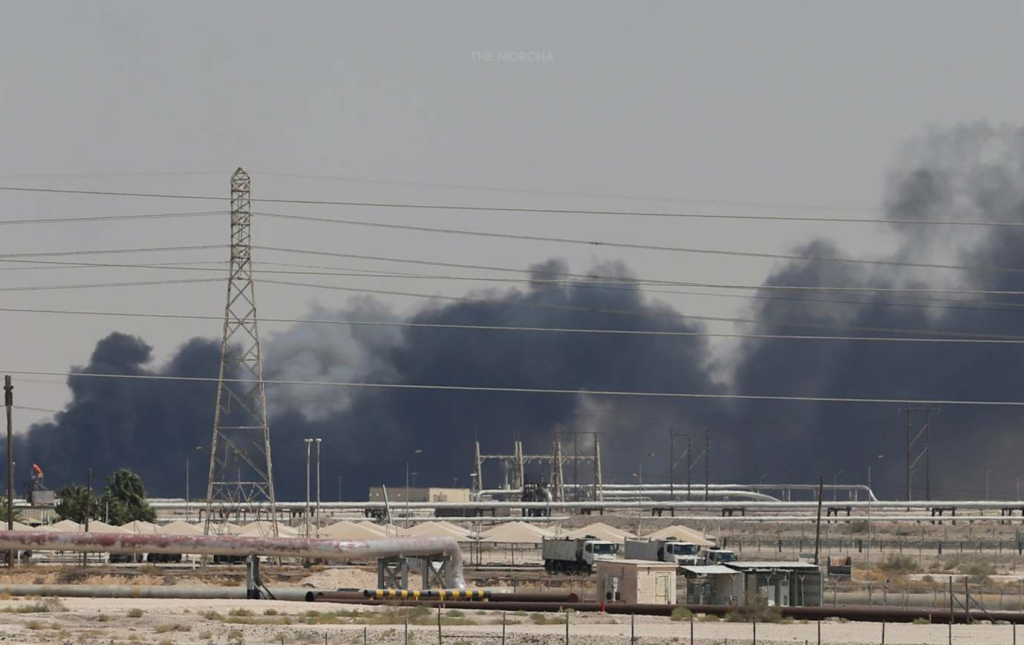
However, the deep-rooted nature of this rivalry means that it is unlikely to be resolved quickly. The world will continue to watch closely, as the outcome of this conflict has the potential to shape the future of the Middle East and influence global dynamics for years to come.