
Vedanta Power Plant Blast: Boiler Explosion Kills 16 and Injures 20
Diksha10 min read
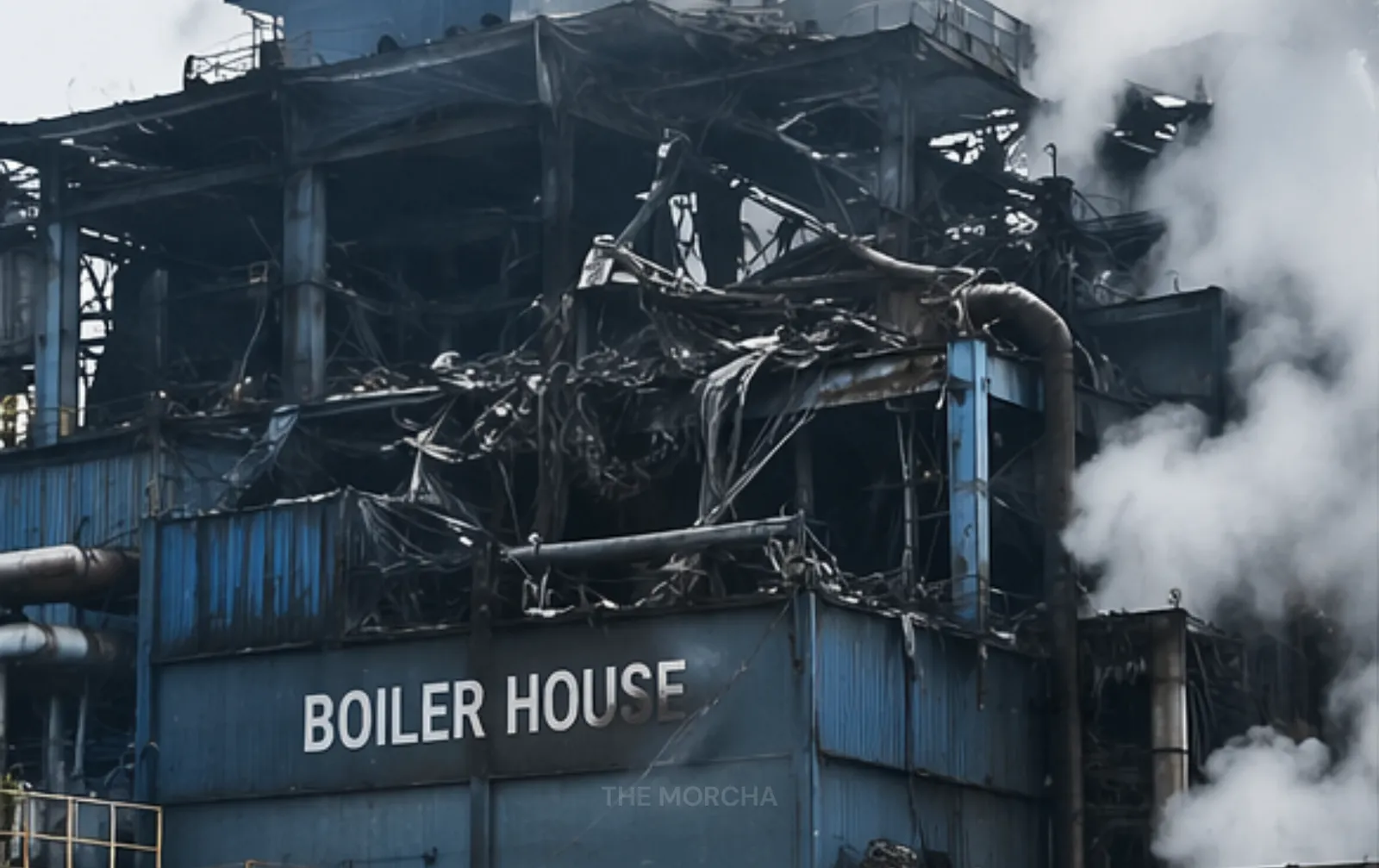
Vedanta Power Plant Blast has shocked the nation and brought renewed attention to industrial safety in high-risk sectors such as power generation.This tragic incident, caused by a reported boiler explosion, resulted in the death of at least 16 workers and left around 20 others injured, many of them critically. Power plants are complex environments where machinery operates under extreme pressure and temperature, making safety a top priority.
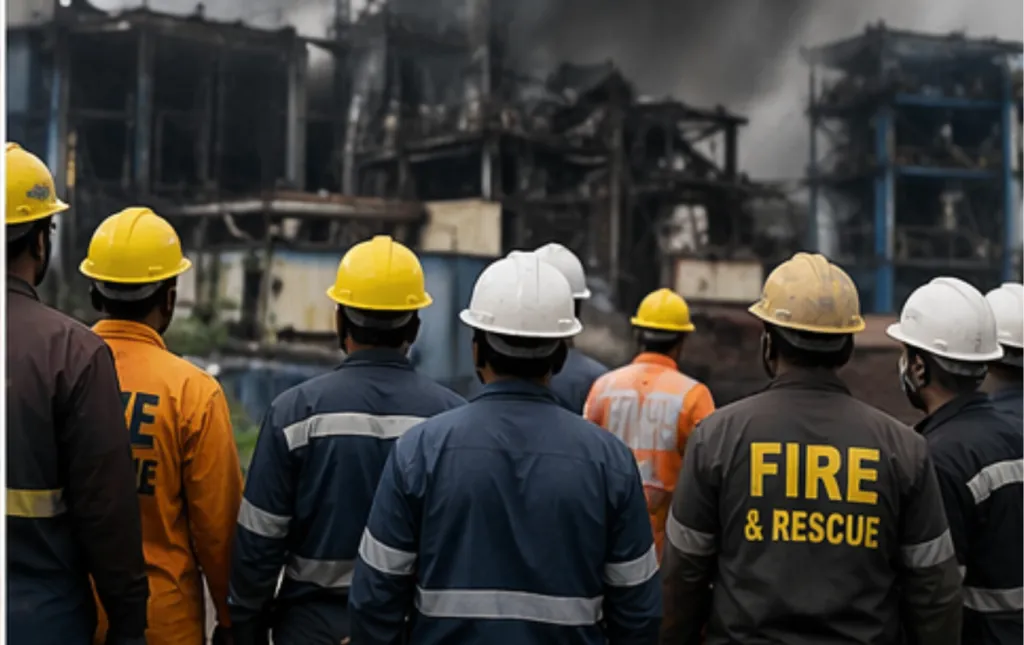
However, incidents like this reveal that even large and established companies are not immune to catastrophic failures. The blast not only caused physical destruction but also deeply impacted families, communities, and the workforce. It has triggered widespread concern over whether sufficient safety protocols were in place and properly followed. As investigations begin, this incident is being viewed as a wake-up call for stricter industrial safety standards and better accountability mechanisms across the country.
Table of Contents
Overview of the Incident
The explosion reportedly took place within the boiler unit of the Vedanta power plant during regular operational hours, catching workers completely off guard. According to initial reports, the blast occurred suddenly, without significant warning signs, leading to immediate chaos and destruction in the surrounding area. Workers present near the boiler were the most affected, as the impact of the explosion was strongest in that zone. Thick smoke, intense heat, and flying debris made it extremely difficult for workers to escape or assist others.
The force of the explosion damaged nearby structures and disrupted operations across the facility. Emergency alarms and evacuation protocols were activated, but the speed and intensity of the blast left little time for an organized response. This overview highlights how quickly industrial accidents can escalate into major disasters when critical systems fail.
Cause of the Blast: Boiler Explosion
The primary cause of the Vedanta Power Plant Blast is believed to be a boiler explosion, which is one of the most dangerous types of industrial accidents. Boilers are designed to generate steam by heating water under high pressure, and any failure in maintaining that pressure can lead to a violent rupture. Possible causes include excessive pressure buildup, malfunctioning safety valves, overheating, or lack of proper maintenance.
When pressure inside the boiler exceeds safe limits, it can cause the structure to fail, releasing a massive amount of energy in a fraction of a second. This sudden release of energy results in an explosion that can destroy equipment and endanger lives. While the exact cause is still under investigation, experts suggest that a combination of technical failure and operational oversight may have contributed to the incident.
Casualties and Injuries
The human cost of the Vedanta Power Plant Blast is devastating, with at least 16 workers losing their lives and around 20 others sustaining injuries. Many of the injured are reported to be in critical condition, suffering from severe burns, fractures, and internal injuries caused by the explosion. The victims were primarily workers who were performing their duties at the time of the incident, highlighting the risks faced by those in industrial jobs.
The loss of life has left families grieving and struggling to cope with sudden tragedy. Injured workers face long recovery periods, and some may never fully return to their previous health or employment. This aspect of the incident emphasizes the importance of prioritizing worker safety and ensuring that such tragedies are prevented in the future.
Emergency Response and Rescue Efforts
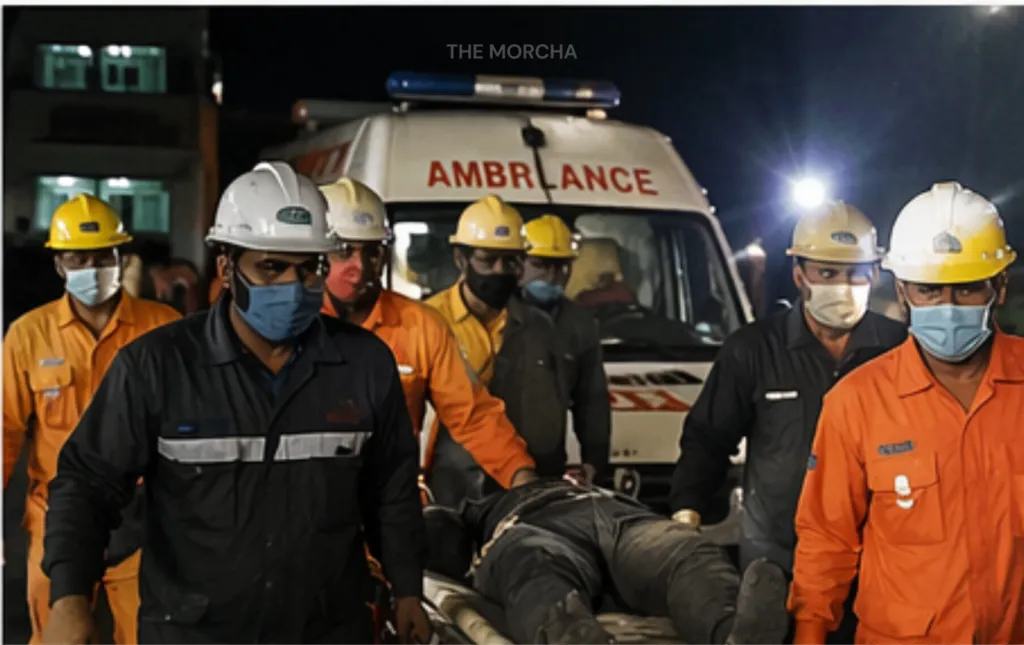
Following the explosion, emergency response teams were quickly deployed to the site to manage the situation and rescue trapped workers. Fire brigades, medical teams, and disaster response units worked together to control the aftermath and provide assistance to the injured. Rescue operations were challenging due to the extent of the damage, with debris blocking access to certain areas of the plant. Heavy machinery was required to clear wreckage and reach trapped individuals. Despite these challenges, responders worked tirelessly to ensure that all possible survivors were rescued. Injured workers were transported to nearby hospitals for immediate treatment. The effectiveness of the emergency response played a crucial role in preventing further loss of life, although the scale of the tragedy remains significant.
Infrastructure Damage at the Plant
The explosion caused extensive damage to the infrastructure of the Vedanta power plant, particularly in the boiler unit where the blast originated. The force of the explosion destroyed sections of the facility, including machinery, pipelines, and structural components. Nearby areas also suffered damage due to shockwaves and flying debris. Such destruction not only halts operations but also requires significant time and resources for repairs and rebuilding. The plant’s shutdown affects production capacity and can have a ripple effect on energy supply and industrial output. Assessing the full extent of the damage is essential before operations can safely resume, and it may take considerable time to restore the facility to its previous condition.
Eyewitness Accounts
Eyewitnesses described the Vedanta Power Plant Blast as a terrifying event marked by a loud explosion and sudden chaos. Workers reported feeling a powerful shockwave followed by intense heat and thick smoke filling the area. Some individuals initially thought it was a minor technical issue, but the scale of destruction quickly became evident. Survivors recounted how they attempted to help injured colleagues despite the dangerous conditions. Local residents also reported hearing the explosion from a distance, causing panic and concern. These accounts provide valuable insight into the immediate impact of the incident and highlight the fear and confusion experienced by those present.
Medical Treatment and Hospital Response
Hospitals in the vicinity played a critical role in responding to the Vedanta Power Plant Blast by providing immediate medical care to the injured. Emergency wards were quickly filled with patients suffering from burns, trauma, and other serious injuries. Medical staff worked under pressure to stabilize patients and provide life-saving treatments. In cases of severe burns, specialized care is required, including surgeries and long-term rehabilitation. The sudden influx of patients tested the capacity of local healthcare facilities, emphasizing the need for preparedness in handling industrial disasters. The medical response is a key factor in determining survival rates and recovery outcomes for victims.
Psychological Impact on Victims
The psychological impact of the Vedanta Power Plant Blast extends beyond physical injuries, affecting survivors, families, and the broader community. Workers who witnessed the explosion may experience trauma, anxiety, and fear, making it difficult for them to return to work. Families of the deceased face emotional distress and uncertainty about the future. Such incidents often leave lasting mental health challenges that require professional support and counseling. Addressing these psychological effects is essential for helping individuals recover and rebuild their lives after the tragedy.
Corporate Responsibility
The Vedanta Power Plant Blast has placed a strong spotlight on corporate responsibility, especially in industries where workers are exposed to high-risk environments on a daily basis. Companies like Vedanta, which operate large-scale power plants, are expected to follow strict safety standards not just as a legal obligation but as a moral duty toward their employees. Ensuring workplace safety involves regular equipment maintenance, timely inspections, proper staff training, and implementation of advanced safety systems that can detect and prevent failures before they occur.
If any lapse is found—whether due to negligence, cost-cutting, or lack of oversight—it raises serious concerns about the company’s commitment to its workforce. Corporate responsibility also extends beyond prevention; it includes how a company responds after a tragedy. Transparent communication, full cooperation with investigating authorities, fair compensation for victims, and long-term support for affected families are critical measures. In incidents like this, public trust is deeply affected, and the company’s actions in the aftermath can either rebuild credibility or further damage its reputation.
Government Action and Investigation
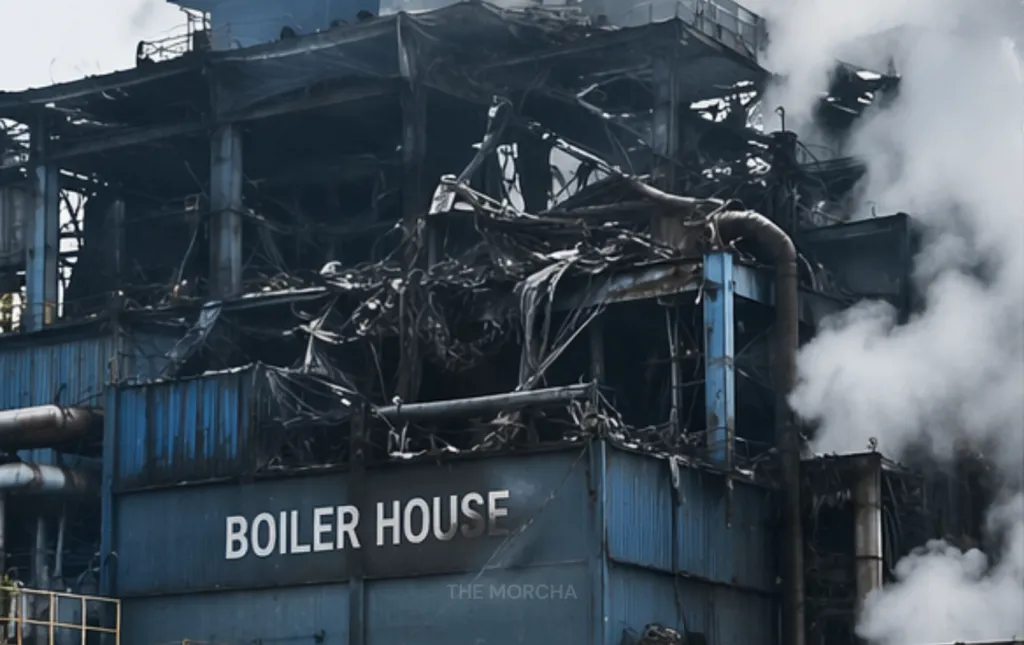
In response to the Vedanta Power Plant Blast, government authorities and regulatory bodies have initiated a comprehensive investigation to uncover the exact cause of the explosion and determine whether any safety violations occurred. Such investigations typically involve technical experts who examine the damaged equipment, review maintenance logs, analyze operational data, and interview plant personnel.
The goal is to identify whether the incident was caused by mechanical failure, human error, or a combination of both. Authorities may also conduct safety audits of similar plants to ensure that such risks are minimized across the industry. Government intervention is crucial not only for accountability but also for restoring public confidence in industrial safety systems. If lapses are identified, stricter regulations and enforcement measures may be introduced. This process is essential for ensuring that lessons are learned and that similar incidents are prevented in the future through improved policies and oversight.
Legal Implications
The legal implications of the Vedanta Power Plant Blast could be significant, depending on the findings of the ongoing investigation. If negligence, safety violations, or failure to comply with regulatory standards is proven, the company and responsible individuals may face legal consequences, including fines, penalties, or even criminal charges in severe cases. Industrial safety laws are designed to protect workers and ensure that companies maintain safe working conditions, and any breach of these laws is treated seriously.
Legal proceedings also play a vital role in delivering justice to the victims and their families, who may seek compensation for their losses. Additionally, such cases often set precedents that influence future regulations and enforcement practices. The legal process can be lengthy and complex, but it is a critical step in ensuring accountability and reinforcing the importance of safety in industrial operations.
Impact on Local Community
The Vedanta Power Plant Blast has had a profound impact on the local community, extending far beyond the boundaries of the plant itself. Residents living near the facility experienced fear and panic following the explosion, with many concerned about their safety and the potential for similar incidents in the future. For communities that rely heavily on industrial employment, the loss of workers and disruption of operations can have serious economic consequences.
Families who have lost their primary earners face financial uncertainty, while local businesses may also be affected by reduced economic activity. Additionally, such incidents can damage the relationship between industries and the communities in which they operate, leading to increased scrutiny and demands for better safety measures. Rebuilding trust requires transparent communication, community engagement, and visible efforts to improve safety standards.
Environmental Concerns
Industrial accidents like the Vedanta Power Plant Blast can raise serious environmental concerns, particularly if hazardous materials are released into the air, water, or soil. While initial reports may suggest that the damage was largely confined to the plant, a detailed environmental assessment is necessary to determine the full impact. Explosions in power plants can release pollutants and particulate matter into the atmosphere, potentially affecting air quality in surrounding areas.
There is also a risk of contamination if chemicals or industrial waste are involved. Environmental authorities are likely to conduct tests and monitoring to ensure that there is no long-term harm to ecosystems or public health. Addressing these concerns is crucial not only for environmental protection but also for maintaining public confidence in industrial operations.
Importance of Safety Measures
The tragedy of the Vedanta Power Plant Blast highlights the critical importance of robust safety measures in industrial environments. Safety protocols are designed to prevent accidents, protect workers, and ensure smooth operations, yet their effectiveness depends on consistent implementation and monitoring. This includes regular equipment inspections, adherence to operational guidelines, and the use of protective gear by workers.
Emergency preparedness is another key aspect, as it ensures that workers know how to respond quickly and effectively in case of an incident. Companies must foster a culture of safety where employees feel empowered to report potential hazards without fear of repercussions. Investing in safety is not just about compliance; it is about valuing human life and minimizing risks in inherently dangerous industries.
Role of Technology in Prevention
Technology has become an essential tool in preventing industrial accidents, offering advanced solutions for monitoring and maintaining complex systems like those found in power plants. In the context of the Vedanta Power Plant Blast, the use of modern technologies such as real-time monitoring systems, automated shutdown mechanisms, and predictive maintenance tools could play a crucial role in reducing risks.
Sensors can continuously track pressure, temperature, and structural integrity, providing early warnings if conditions become unsafe. Artificial intelligence and data analytics can identify patterns and predict potential failures before they occur, allowing for timely intervention. By integrating these technologies into their operations, companies can significantly enhance safety and reduce the likelihood of catastrophic incidents.
Lessons Learned from the Incident
Every industrial accident provides valuable lessons, and the Vedanta Power Plant Blast is no exception. One of the key takeaways is the need for strict adherence to safety protocols and regular maintenance of critical equipment. The incident also highlights the importance of training workers to handle emergencies and recognize potential hazards. Another important lesson is the need for transparency and accountability, both during and after such incidents. Companies must learn from past mistakes and continuously improve their safety practices to prevent future tragedies. These lessons are not only relevant for Vedanta but for the entire industrial sector, emphasizing the importance of a proactive approach to safety.
The Vedanta Power Plant Blast stands as a tragic reminder of the risks associated with industrial operations and the devastating consequences of safety failures. The loss of 16 lives and injuries to many others underscore the urgent need for stronger safety measures, better oversight, and greater accountability. While investigations will determine the exact cause of the incident, the broader message is clear: worker safety must always be the top priority. Preventing such tragedies requires a collective effort from companies, government authorities, and workers themselves. By learning from this incident and implementing necessary changes, it is possible to create a safer and more responsible industrial environment in the future.
- Boiler Explosion Case
- Breaking News India
- Factory Blast India
- India Industrial Accident
- Industrial Accident News
- Industrial Disaster 2026
- Industrial Safety Failure
- Plant Explosion Incident
- Power Plant Accident India
- Power Plant Explosion
- Vedanta Boiler Explosion
- Vedanta News Update
- Vedanta Plant News
- Vedanta Power Plant Blast
- Worker Safety Issue