
Fatty Liver, Obesity & Diabetes: Powerful Causes and Proven Prevention
Diksha13 min read
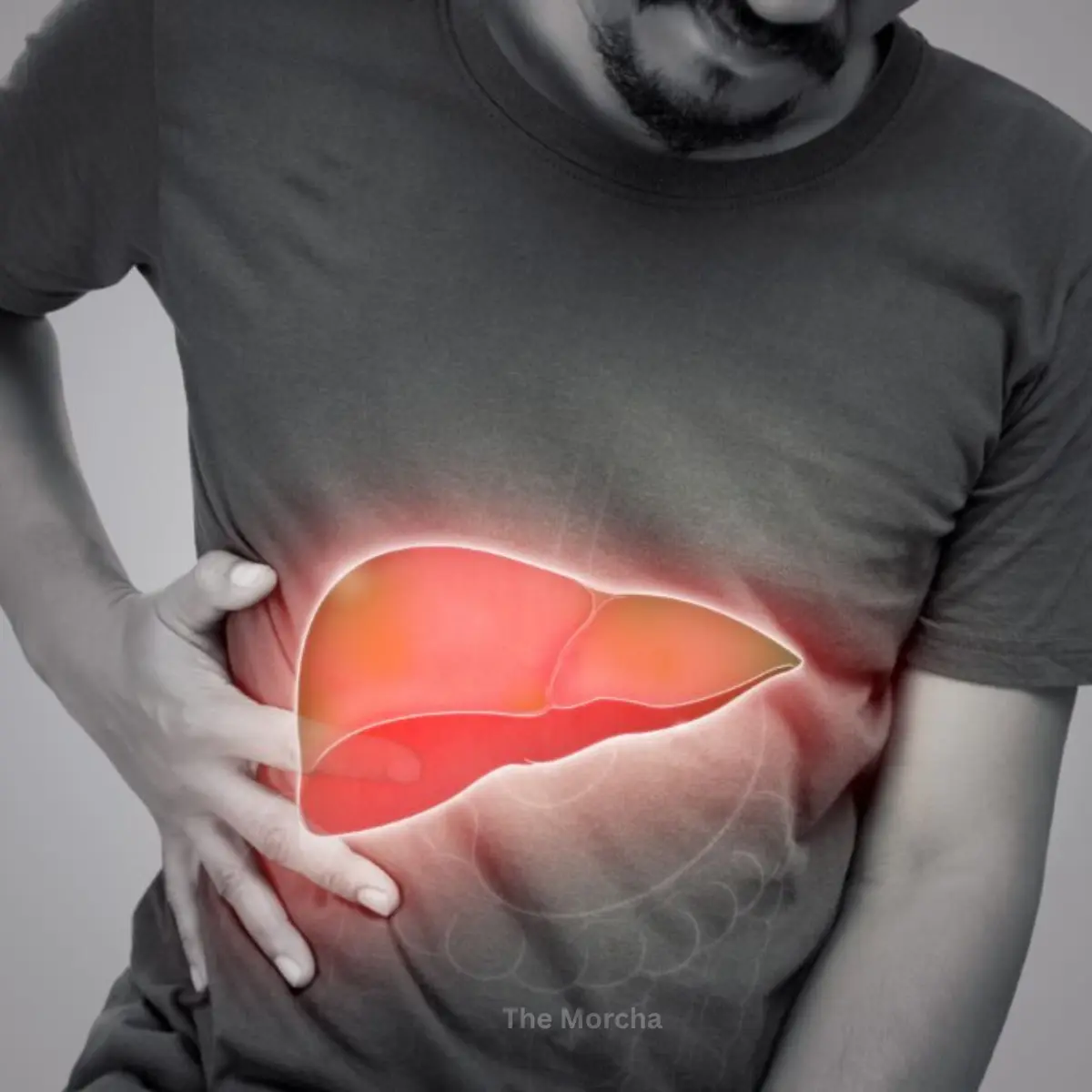
Fatty Liver, along with obesity and diabetes, has become one of the biggest health concerns in the modern era. Among these, fatty liver, obesity, and diabetes are three major conditions that are increasing rapidly due to unhealthy habits and changing lifestyles. These diseases are not separate; instead, they are closely linked and often occur together. Fatty liver disease develops when excess fat accumulates in the liver cells, reducing its ability to perform important functions like detoxification and metabolism. Obesity refers to excessive body fat that negatively affects overall health, while diabetes is a condition where the body cannot properly regulate blood sugar levels.
The combination of these three conditions can lead to serious health complications, including heart disease, kidney damage, and liver failure. The increasing consumption of fast food, sugary drinks, lack of physical activity, stress, and poor sleep patterns are the main reasons behind their rise. Understanding these diseases in detail is important so that individuals can take preventive steps and maintain a healthy lifestyle for long-term well-being.
Table of Contents
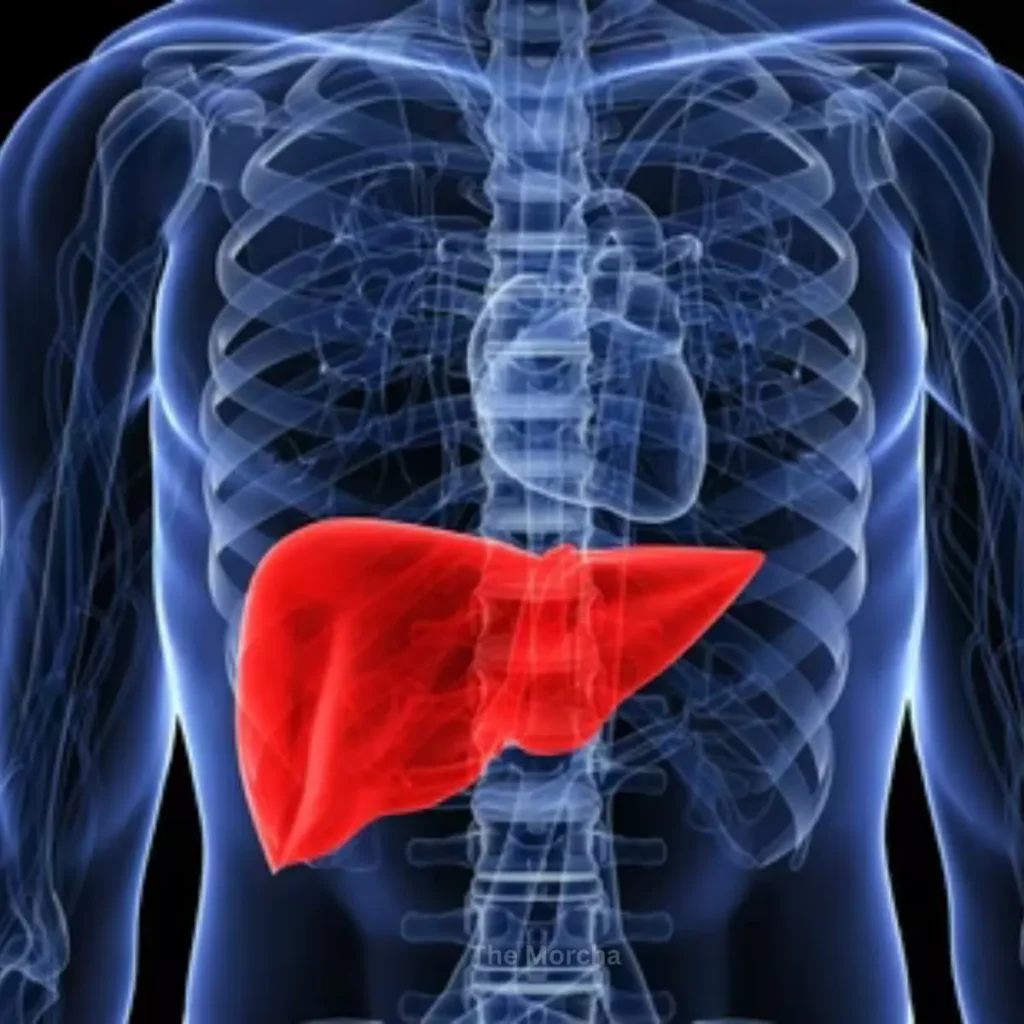
What is Fatty Liver Disease?
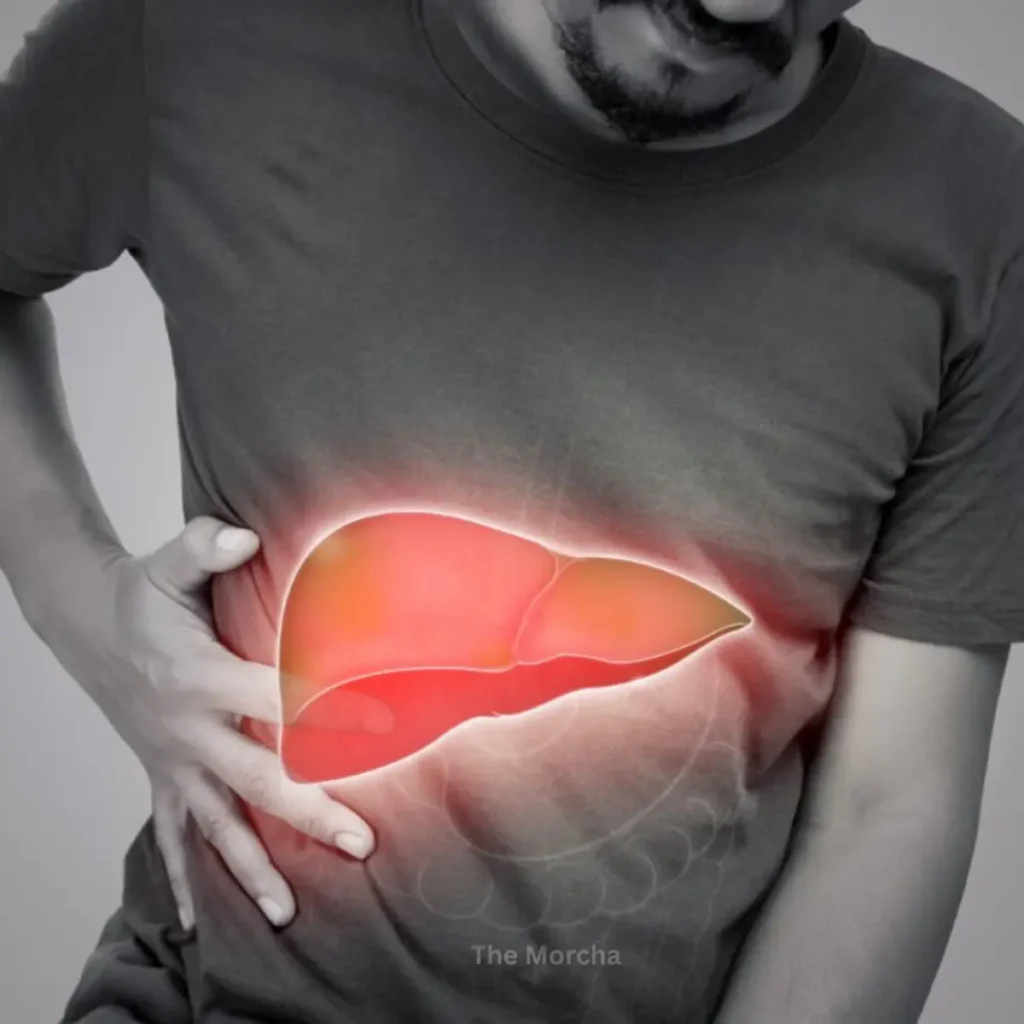
Fatty liver disease, also known as hepatic steatosis, is a condition in which excess fat builds up in the liver. The liver is a vital organ that plays an essential role in digestion, metabolism, and detoxification of harmful substances. Under normal conditions, the liver contains a small amount of fat, but when the fat exceeds 5–10% of the liver’s weight, it becomes a health concern. There are two main types of fatty liver disease: alcoholic fatty liver disease, caused by excessive alcohol consumption, and non-alcoholic fatty liver disease (NAFLD), which occurs due to lifestyle factors such as poor diet and obesity.
NAFLD is becoming increasingly common and is often associated with diabetes and high cholesterol. In many cases, fatty liver disease does not show noticeable symptoms in the early stages, which makes it difficult to diagnose. However, if left untreated, it can progress into more severe conditions such as liver inflammation, fibrosis, cirrhosis, and even liver cancer. Therefore, early detection and lifestyle changes are crucial to prevent complications.
Understanding Obesity and Its Role
Obesity is a complex health condition that results from excessive accumulation of body fat. It is not just about weight gain but about the impact of fat on the body’s normal functioning. Obesity is usually measured using Body Mass Index (BMI), but other factors like waist circumference and fat distribution are also important. Abdominal obesity, where fat accumulates around the stomach, is particularly dangerous because it affects vital organs such as the liver and pancreas. Obesity develops when there is a long-term imbalance between calorie intake and energy expenditure.
Consuming high-calorie foods, combined with a sedentary lifestyle, leads to fat storage in the body. Obesity also causes hormonal imbalances and inflammation, which disrupt normal metabolic processes. One of the most important effects of obesity is insulin resistance, where the body’s cells do not respond properly to insulin. This condition plays a major role in the development of both diabetes and fatty liver disease. Therefore, managing obesity is essential for maintaining overall health.
What is Diabetes and How It Develops
Diabetes is a chronic metabolic disorder that affects how the body processes glucose, which is the main source of energy. In a healthy individual, insulin helps glucose enter the cells where it is used for energy. However, in diabetes, this process is disrupted. Type 2 diabetes, the most common form, develops gradually and is strongly linked with obesity and lifestyle factors. It begins with insulin resistance, where the body’s cells become less responsive to insulin.
As a result, the pancreas produces more insulin to compensate. Over time, the pancreas becomes unable to keep up with the demand, leading to high blood sugar levels. High blood sugar can damage blood vessels and organs, including the liver, kidneys, and heart. It also contributes to fat accumulation in the liver, worsening fatty liver disease. Diabetes often goes unnoticed in its early stages, but if not managed properly, it can lead to serious complications such as nerve damage, vision problems, and cardiovascular diseases.
The Connection Between Fatty Liver, Obesity, and Diabetes
Fatty liver, obesity, and diabetes are closely interconnected through a condition known as metabolic syndrome. The main link between these conditions is insulin resistance. When a person becomes obese, especially with excess fat around the abdomen, their body’s ability to use insulin effectively decreases. This leads to increased blood sugar levels and eventually diabetes. At the same time, insulin resistance causes the liver to store more fat, resulting in fatty liver disease.
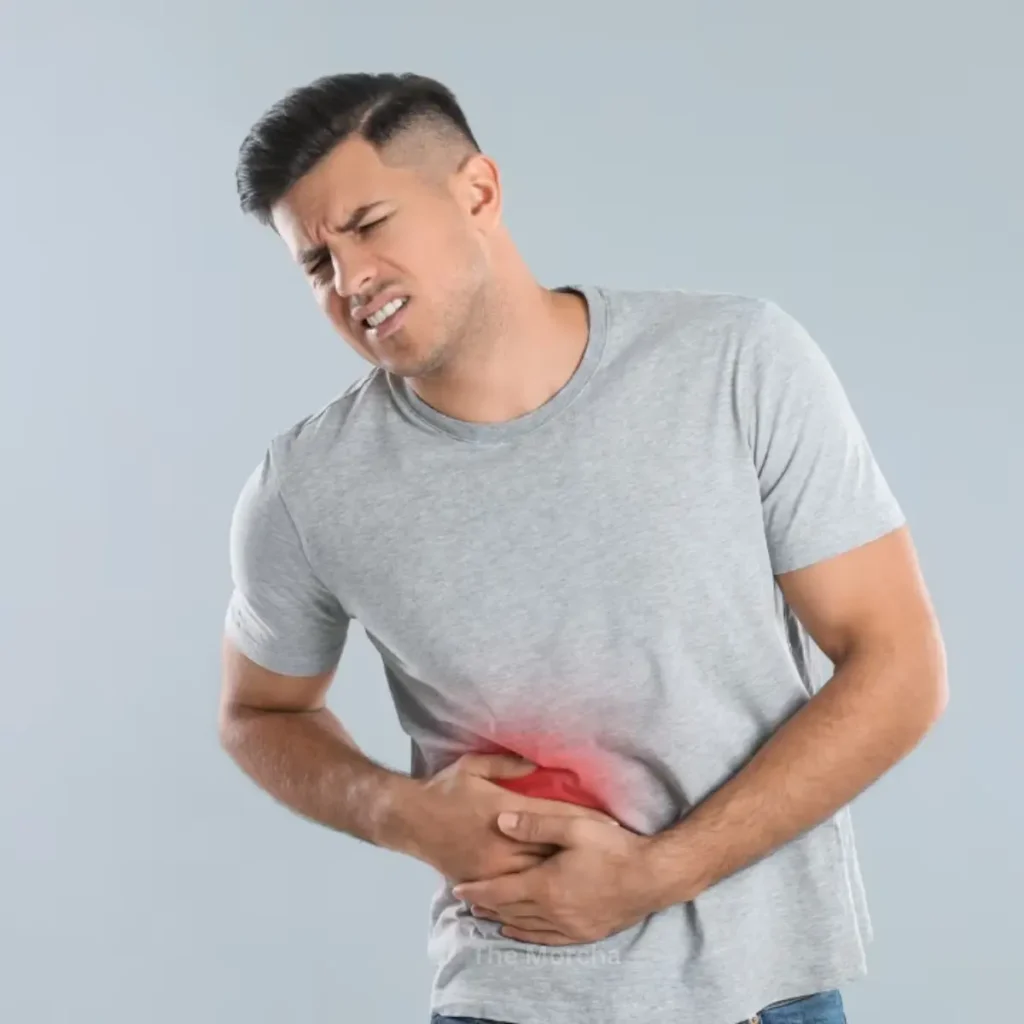
This creates a cycle where each condition worsens the other. For example, fatty liver can further increase insulin resistance, making diabetes harder to control. Similarly, uncontrolled diabetes can accelerate liver damage. This interconnected relationship highlights the importance of addressing all three conditions together. Lifestyle changes such as weight loss, healthy eating, and regular exercise can break this cycle and improve overall health.
Causes of Fatty Liver Disease
Fatty liver disease is mainly caused by unhealthy lifestyle habits and metabolic imbalances. One of the primary causes is a diet high in sugar, refined carbohydrates, and unhealthy fats. Consuming excessive amounts of fast food, fried items, and sugary beverages leads to fat accumulation in the liver. Lack of physical activity is another major factor, as it reduces the body’s ability to burn calories and fat. Other causes include rapid weight gain, hormonal imbalances, genetic predisposition, and certain medications.
Conditions such as high cholesterol, high blood pressure, and diabetes also increase the risk of developing fatty liver disease. In some cases, even individuals who are not overweight can develop fatty liver due to poor dietary habits and lack of exercise. Understanding these causes is important for prevention and early intervention.
Risk Factors Associated with Obesity
Obesity is influenced by a variety of factors, including lifestyle, genetics, and environment. One of the main risk factors is a sedentary lifestyle, where individuals spend most of their time sitting and do not engage in physical activity. Poor dietary habits, such as consuming high-calorie and low-nutrient foods, also contribute significantly. Emotional factors like stress, anxiety, and depression can lead to overeating and weight gain.
Lack of sleep disrupts hormones that regulate hunger, increasing appetite and leading to obesity. Genetic factors also play a role, as some individuals are more prone to gaining weight. Environmental factors, such as easy access to unhealthy food and lack of awareness, further increase the risk. Addressing these risk factors requires a combination of lifestyle changes and increased awareness.
Symptoms of Fatty Liver and Related Conditions
Fatty liver disease often does not show noticeable symptoms in its early stages, which makes it difficult to detect. However, as the condition progresses, individuals may experience fatigue, weakness, and discomfort in the upper right side of the abdomen. Obesity may cause visible symptoms such as increased body weight, difficulty in physical movement, and shortness of breath. Diabetes symptoms include excessive thirst, frequent urination, blurred vision, and slow healing of wounds. In advanced stages of fatty liver disease, symptoms such as jaundice, swelling in the abdomen, and confusion may occur. These symptoms indicate serious liver damage and require immediate medical attention. Early detection through regular health check-ups is important to prevent complications.
How Fatty Liver Progresses Over Time
Fatty liver disease progresses in several stages if not managed properly. In the initial stage, fat accumulates in the liver without causing significant damage. This stage is reversible with lifestyle changes. If ignored, it can progress to non-alcoholic steatohepatitis (NASH), where inflammation and liver cell damage occur. Over time, this can lead to fibrosis, where scar tissue forms in the liver. In severe cases, it can progress to cirrhosis, where the liver becomes permanently damaged and loses its function. Cirrhosis can lead to liver failure and increase the risk of liver cancer. Therefore, early intervention is crucial to prevent disease progression.
Impact of Diet on Liver Health
Diet plays a crucial role in liver health. Consuming foods high in sugar and unhealthy fats increases the risk of fatty liver disease. Sugary drinks, processed foods, and fried items contribute to fat buildup in the liver. On the other hand, a healthy diet rich in fruits, vegetables, whole grains, and lean proteins supports liver function. Foods rich in antioxidants help protect the liver from damage. Drinking enough water and avoiding excessive alcohol consumption are also important. A balanced diet can significantly improve liver health and reduce the risk of disease.
Impact of Diet on Liver Health
Diet plays a very important role in maintaining liver health and preventing fatty liver disease. The liver is responsible for processing nutrients and filtering harmful substances from the body, so what we eat directly affects its function. A diet high in sugar, refined carbohydrates, and unhealthy fats can lead to fat accumulation in the liver. Foods such as fast food, fried items, sugary beverages, white bread, and processed snacks increase the risk of fatty liver disease. Excess sugar, especially fructose found in soft drinks and packaged foods, is converted into fat in the liver, which gradually leads to liver damage.
On the other hand, a balanced and nutritious diet can help protect and even reverse fatty liver in its early stages. Consuming foods rich in fiber, such as fruits, vegetables, and whole grains, helps improve digestion and reduce fat accumulation. Healthy fats from sources like nuts, seeds, and olive oil support liver function. Drinking enough water and avoiding excessive alcohol are also important for maintaining liver health. Therefore, making healthy dietary choices is one of the most effective ways to prevent and manage fatty liver disease.
Role of Physical Activity in Prevention
Physical activity is essential for maintaining overall health and preventing lifestyle-related diseases like obesity, diabetes, and fatty liver disease. Regular exercise helps the body burn excess calories, reduce fat accumulation, and improve metabolism. It also increases insulin sensitivity, which allows the body to use glucose more effectively and maintain normal blood sugar levels. Lack of physical activity is one of the main reasons for weight gain and metabolic disorders. Engaging in regular physical activity, such as walking, jogging, cycling, swimming, or yoga, can significantly reduce the risk of these diseases.
Even simple activities like taking the stairs instead of the elevator or walking short distances instead of using a vehicle can make a difference. Exercise also improves mental health by reducing stress and anxiety, which are often linked to unhealthy eating habits. Consistency is the key to achieving long-term benefits. A minimum of 30 minutes of moderate physical activity daily is recommended to maintain a healthy body and prevent diseases.
Importance of Weight Management
Maintaining a healthy weight is one of the most important factors in preventing and managing fatty liver disease, obesity, and diabetes. Excess body weight, especially around the abdomen, increases the risk of insulin resistance and fat accumulation in the liver. Weight management is not about following strict diets or starving but about adopting a balanced and sustainable lifestyle. Losing even 5–10% of body weight can significantly improve liver health and reduce the risk of complications. Gradual weight loss is more effective and safer than rapid weight loss, which can sometimes worsen liver conditions.
A combination of a healthy diet and regular physical activity is the best approach to achieving and maintaining a healthy weight. Monitoring calorie intake, avoiding overeating, and staying physically active are essential steps. Weight management not only improves liver function but also enhances overall health and quality of life.
Medical Diagnosis and Tests
Early diagnosis of fatty liver disease is very important to prevent its progression into severe stages. Since fatty liver often does not show clear symptoms in the early stages, medical tests play a crucial role in detection. Doctors usually begin with blood tests to check liver function and identify any abnormalities. Imaging tests such as ultrasound, CT scan, or MRI are commonly used to detect fat accumulation in the liver.
These tests provide a clear picture of the liver’s condition and help in diagnosis. In some cases, a liver biopsy may be required to determine the severity of the disease and check for inflammation or damage. Regular health check-ups are especially important for individuals who are overweight, diabetic, or have high cholesterol levels. Early detection allows for timely treatment and prevents serious complications. Therefore, individuals at risk should not ignore routine medical screenings.
Treatment Options for Fatty Liver
Currently, there is no specific medication that directly cures fatty liver disease, but it can be effectively managed and even reversed in its early stages through lifestyle changes. The most important treatment approach is improving diet and increasing physical activity. A healthy, balanced diet helps reduce fat accumulation in the liver, while regular exercise improves metabolism and insulin sensitivity. Managing underlying conditions such as diabetes, high cholesterol, and high blood pressure is also essential. Doctors may prescribe medications to control these related conditions.
Avoiding alcohol completely is recommended, especially for individuals with liver problems. In some cases, vitamin supplements and antioxidants may be suggested to improve liver health. Regular monitoring and follow-up with a healthcare professional are important to track progress. With proper care and discipline, fatty liver disease can be controlled and its complications can be prevented.
Complications if Left Untreated
If fatty liver disease is not treated or managed properly, it can lead to serious and life-threatening complications. One of the major complications is non-alcoholic steatohepatitis (NASH), where the liver becomes inflamed and damaged. This condition can further progress to fibrosis, where scar tissue forms in the liver. Over time, excessive scarring can lead to cirrhosis, a severe condition where the liver loses its ability to function properly. Cirrhosis can result in liver failure and may require a liver transplant.
Additionally, fatty liver disease increases the risk of liver cancer. Apart from liver-related complications, it also increases the risk of heart disease, which is one of the leading causes of death. It can worsen diabetes and lead to kidney problems. Therefore, ignoring fatty liver disease can have serious consequences, and early intervention is necessary to avoid these complications.
Preventive Measures for a Healthy Liver
Prevention is always better than cure, especially when it comes to lifestyle-related diseases. Preventing fatty liver disease involves adopting healthy habits and making positive lifestyle changes. Eating a balanced diet that includes fruits, vegetables, whole grains, and lean proteins is essential. Avoiding excessive sugar, processed foods, and unhealthy fats can significantly reduce the risk. Regular physical activity helps maintain a healthy weight and improves overall health.
Avoiding alcohol or consuming it in moderation is important for liver protection. Staying hydrated and getting enough sleep also contribute to good health. Regular health check-ups help in early detection and management of any health issues. By following these preventive measures, individuals can protect their liver and reduce the risk of developing fatty liver disease.
Lifestyle Changes for Long-Term Health
Achieving long-term health requires consistent and sustainable lifestyle changes. It is not about temporary diets or short-term fitness goals but about building habits that last a lifetime. Developing a routine that includes healthy eating, regular exercise, and proper sleep is essential. Managing stress through activities like meditation, yoga, or hobbies can improve mental and physical health. Avoiding harmful habits such as smoking and excessive alcohol consumption is also important.
Staying active and maintaining a positive mindset can help individuals stay motivated. Making small but consistent changes in daily life can lead to significant improvements over time. A healthy lifestyle not only prevents diseases but also enhances energy levels, productivity, and overall quality of life.
Building a Healthier Future
Fatty liver, obesity, and diabetes are serious health conditions, but they are largely preventable with the right knowledge and lifestyle choices. Understanding their causes, symptoms, and risks allows individuals to take proactive steps toward better health. Early detection and timely intervention can prevent these conditions from becoming severe. Adopting a healthy lifestyle that includes balanced nutrition, regular physical activity, and stress management is the key to long-term well-being.
Small changes in daily habits can have a big impact on overall health. By taking responsibility for their health and making informed decisions, individuals can build a healthier and happier future. Prevention, awareness, and consistency are the most powerful tools in the fight against lifestyle diseases.
- abdominal pain and fatty liver
- belly fat and fatty liver
- cause of fatty liver
- causes of fatty liver
- fatty liver causes
- fatty liver exercise and diet
- fatty liver prevention
- fatty liver reversal
- how to prevent fatty liver
- how to prevent fatty liver disease
- how to reverse fatty liver
- how to reverse fatty liver disease
- main cause of fatty liver
- obesity and fatty liver
- reverse fatty liver
- reverse fatty liver fast
- reverse fatty liver with diet
- what causes fatty liver
- what causes fatty liver disease?