
Fuel prices are one of the most important factors affecting the daily life of people in any country. In Nepal, the recent increase in fuel prices has become a major topic of discussion among citizens, businesses, and policymakers. Reports indicate that petrol prices have increased by ₹31 per liter, diesel prices have risen by ₹54 per liter, and LPG gas cylinders have become ₹296 more expensive.
This sudden surge in fuel costs has created economic pressure on households, transportation services, and businesses across the country. Since fuel is a fundamental requirement for transportation, cooking, and industrial activities, any increase in its price directly influences the overall cost of living. For a developing country like Nepal, such a sharp rise can have far-reaching consequences for both the economy and everyday life.
Table of Contents
Nepal’s Heavy Dependence on Imported Fuel
One of the primary reasons Nepal faces frequent fuel price fluctuations is its heavy dependence on imported petroleum products. Nepal does not have large domestic oil reserves or major refining facilities, which means it relies on external sources to meet its energy needs. The majority of petroleum products used in Nepal are imported from India through agreements between the Nepal Oil Corporation (NOC) and Indian suppliers.
Because of this dependency, Nepal’s fuel prices are strongly influenced by international oil markets and the pricing policies of supplier countries. When global crude oil prices increase or when supply chains face disruptions, Nepal must pay higher prices for imported fuel. These increased costs are eventually passed on to consumers, resulting in higher petrol, diesel, and LPG prices within the country.
Global Oil Market Volatility
The global oil market is highly volatile and sensitive to political, economic, and environmental factors. Changes in oil production levels by major oil-producing countries, geopolitical tensions in energy-rich regions, and fluctuations in global demand can all influence oil prices. When oil-producing nations reduce supply or when conflicts occur in major oil-producing regions, international crude oil prices tend to rise. Countries that rely heavily on oil imports, such as Nepal, are particularly vulnerable to these fluctuations. When global crude oil prices increase, the cost of refined petroleum products like petrol and diesel also rises, leading to domestic price adjustments.
Role of the Nepal Oil Corporation (NOC)
The Nepal Oil Corporation plays a central role in managing the supply and pricing of petroleum products in the country. NOC is responsible for importing fuel, storing it in national depots, and distributing it to retailers across Nepal. When international fuel prices rise, the corporation must decide whether to absorb the losses or increase retail prices. In many cases, sustained high import costs force the organization to raise domestic prices to avoid financial deficits. The recent price increases in petrol, diesel, and LPG cylinders reflect the financial pressures faced by the corporation due to rising global energy costs.
Petrol Price Increase and Its Immediate Impact
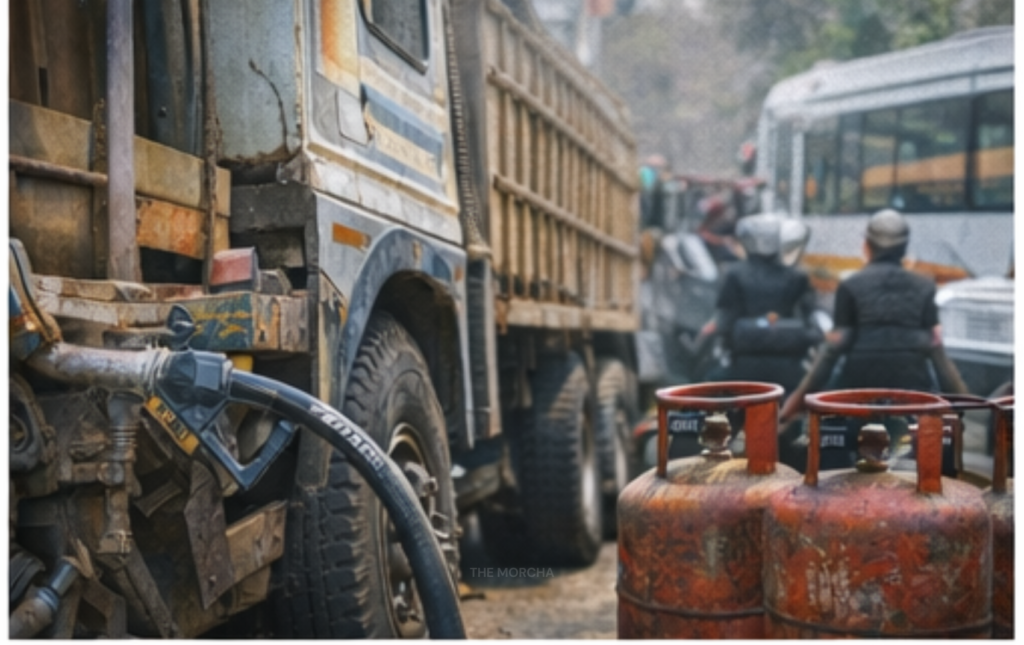
The increase of ₹31 per liter in petrol prices directly affects individuals who rely on petrol-powered vehicles. Motorcycles and small cars are widely used for personal transportation in Nepal, especially in urban areas. Many students, office workers, and delivery workers depend on these vehicles for daily commuting. When petrol prices increase significantly, the cost of traveling to work or school rises as well. As a result, people may try to reduce unnecessary travel, use public transportation more frequently, or look for alternative ways to save fuel.
Diesel Price Increase and Transportation Costs
The increase of ₹54 per liter in diesel prices has an even broader economic impact because diesel is the primary fuel used for commercial transportation. Trucks, buses, tractors, and many industrial machines run on diesel. When diesel prices rise sharply, transportation companies face higher operating costs. These companies often respond by increasing passenger fares or freight charges. Higher freight charges mean that the cost of transporting goods such as vegetables, grains, construction materials, and consumer products also increases. Eventually, these higher costs are passed on to consumers.
LPG Cylinder Price Increase and Household Challenges
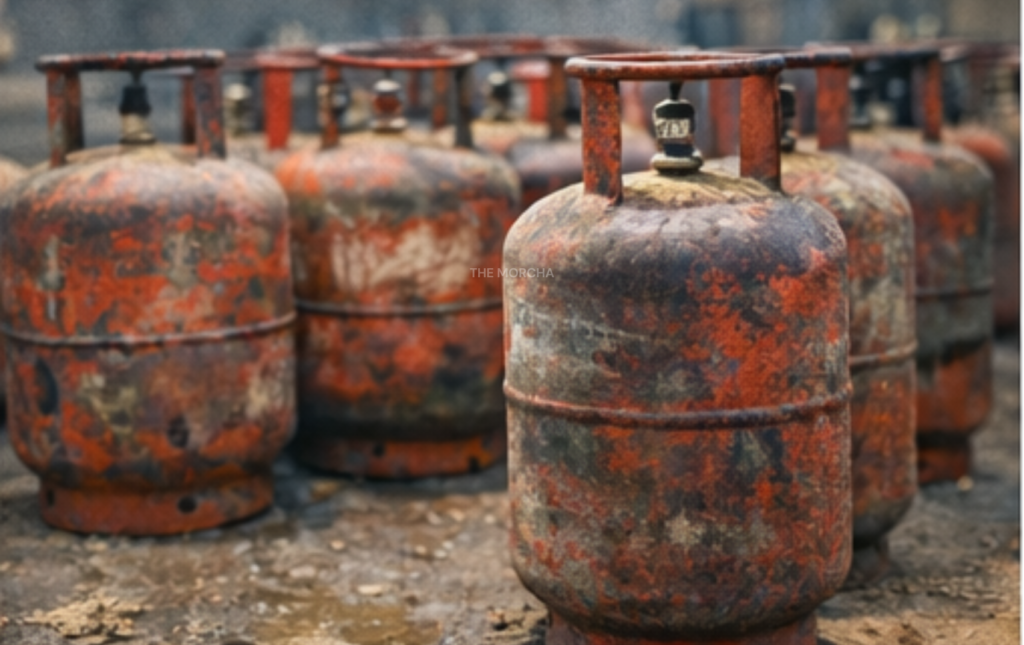
The rise of ₹296 in LPG cylinder prices is particularly concerning for households because LPG is the main cooking fuel used in urban and semi-urban areas of Nepal. LPG is preferred because it is cleaner, faster, and more convenient than traditional cooking fuels. However, when the price of a gas cylinder increases significantly, it becomes a financial burden for families with limited incomes. Many households may need to reduce their usage or look for alternative cooking methods. This can affect their daily routines and increase overall living costs.
Impact on Food Prices and Agricultural Costs
Increases in fuel prices frequently result in higher food costs. Agriculture relies on transportation to move crops from farms to markets. Trucks and tractors that transport produce typically run on diesel fuel. When diesel becomes more expensive, the cost of transporting agricultural products also rises. Farmers may also face higher costs for operating agricultural machinery and irrigation systems. Local markets eventually see higher prices for fruits, vegetables, and grains as a result of these increased expenses.
Rising Transportation Fares
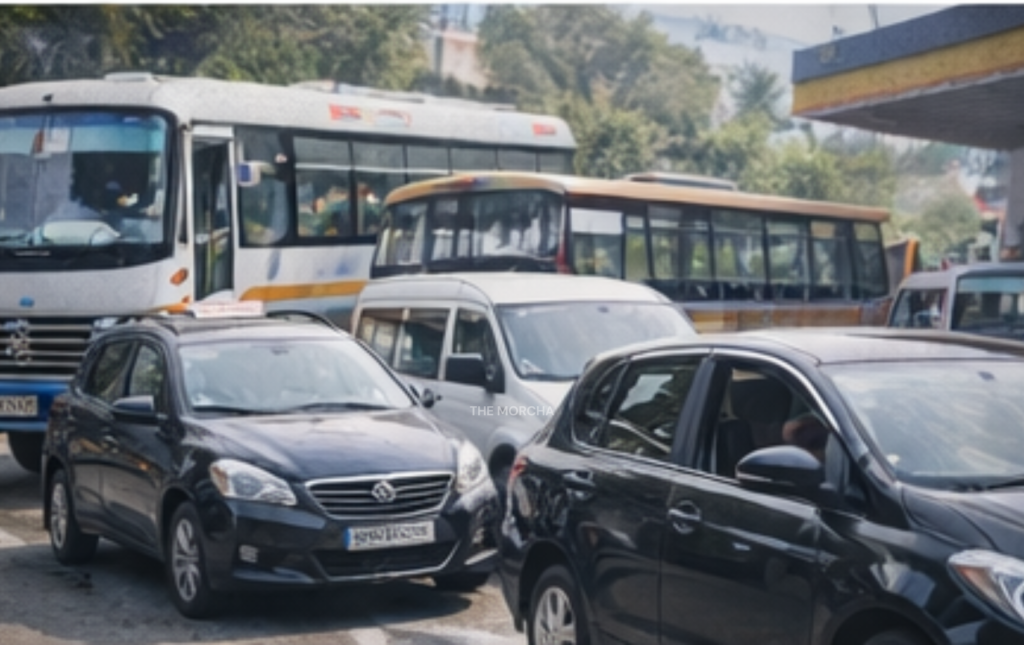
Public transportation systems such as buses and taxis are directly affected by rising fuel prices. Transport operators must spend more money on fuel to maintain their services. To compensate for these increased expenses, many operators increase passenger fares. Higher transportation fares can create difficulties for students, workers, and people who rely on daily travel. In some cases, higher fares may force individuals to reduce travel or search for cheaper alternatives.
Economic Pressure on Small Businesses
Small businesses often operate with limited profit margins, making them particularly vulnerable to rising fuel costs. Businesses that depend on delivery services, transportation, or machinery must spend more money on fuel. For example, grocery stores, restaurants, and manufacturing units may experience increased operating expenses. In response, many businesses raise the prices of their products or services. This can reduce customer demand and slow down economic activity in local markets.
Tourism Sector and Fuel Prices
Tourism is a major contributor to Nepal’s economy, attracting millions of visitors each year. However, rising fuel prices can affect the tourism industry in several ways. Transportation costs for tourist buses, taxis, and flights may increase, making travel within the country more expensive. Hotels and restaurants may also face higher operational costs due to increased LPG and fuel prices. These higher costs can make tourism services more expensive for visitors.
Inflation and Cost of Living
Fuel price increases often lead to inflation, which is a general rise in the price of goods and services. When fuel costs rise, businesses face higher expenses for production and transportation. Usually, these expenses are transferred to customers in the form of higher prices. The cost of living rises as a result. Families may need to spend more money on essential goods such as food, transportation, and cooking fuel.
Government Response and Policy Challenges
Governments often face difficult decisions when fuel prices increase rapidly. They must balance the need to maintain a stable fuel supply with the responsibility of protecting citizens from economic hardship. Possible responses include reducing fuel taxes, providing subsidies, or introducing price control measures. However, these policies can also place financial pressure on government budgets.
Importance of Energy Diversification
The fuel price crisis highlights the need for Nepal to diversify its energy sources. Relying heavily on imported petroleum makes the country vulnerable to international price fluctuations. Developing alternative energy sources such as hydropower, solar energy, and electric transportation can help reduce dependence on imported fuel. Nepal already has significant potential for renewable energy development.
Growth of Electric Vehicles in Nepal
One possible solution to rising fuel prices is the adoption of electric vehicles (EVs). Electric vehicles use electricity instead of petrol or diesel, which can significantly reduce fuel consumption. Nepal’s growing hydropower capacity provides an opportunity to promote EV adoption. Encouraging the use of electric buses, cars, and motorcycles could help reduce fuel imports and stabilize transportation costs.
Environmental Implications
High fuel prices can also encourage environmentally friendly behavior. When fuel becomes expensive, people may use public transportation more often or consider electric vehicles. Reducing fossil fuel consumption can lower greenhouse gas emissions and improve air quality. This shift toward cleaner energy sources can contribute to long-term environmental sustainability.
Long-Term Economic Consequences
If fuel prices remain high for an extended period, the long-term economic consequences could be significant. Businesses may reduce production due to increased operating costs, and consumers may reduce spending because of higher living expenses. Economic growth could slow down if rising costs continue to affect multiple sectors of the economy.The recent increase in fuel prices in Nepal, with petrol rising by ₹31 per liter, diesel by ₹54, and LPG cylinders by ₹296, reflects the complex relationship between global energy markets and domestic economic conditions. As a country that relies heavily on imported petroleum, Nepal faces challenges in controlling fuel prices during periods of global volatility.
The price increases affect transportation, businesses, agriculture, and household budgets. However, they also highlight the importance of developing renewable energy sources and reducing dependence on imported fossil fuels. With careful policy planning and investment in alternative energy solutions, Nepal can work toward a more stable and sustainable energy future.