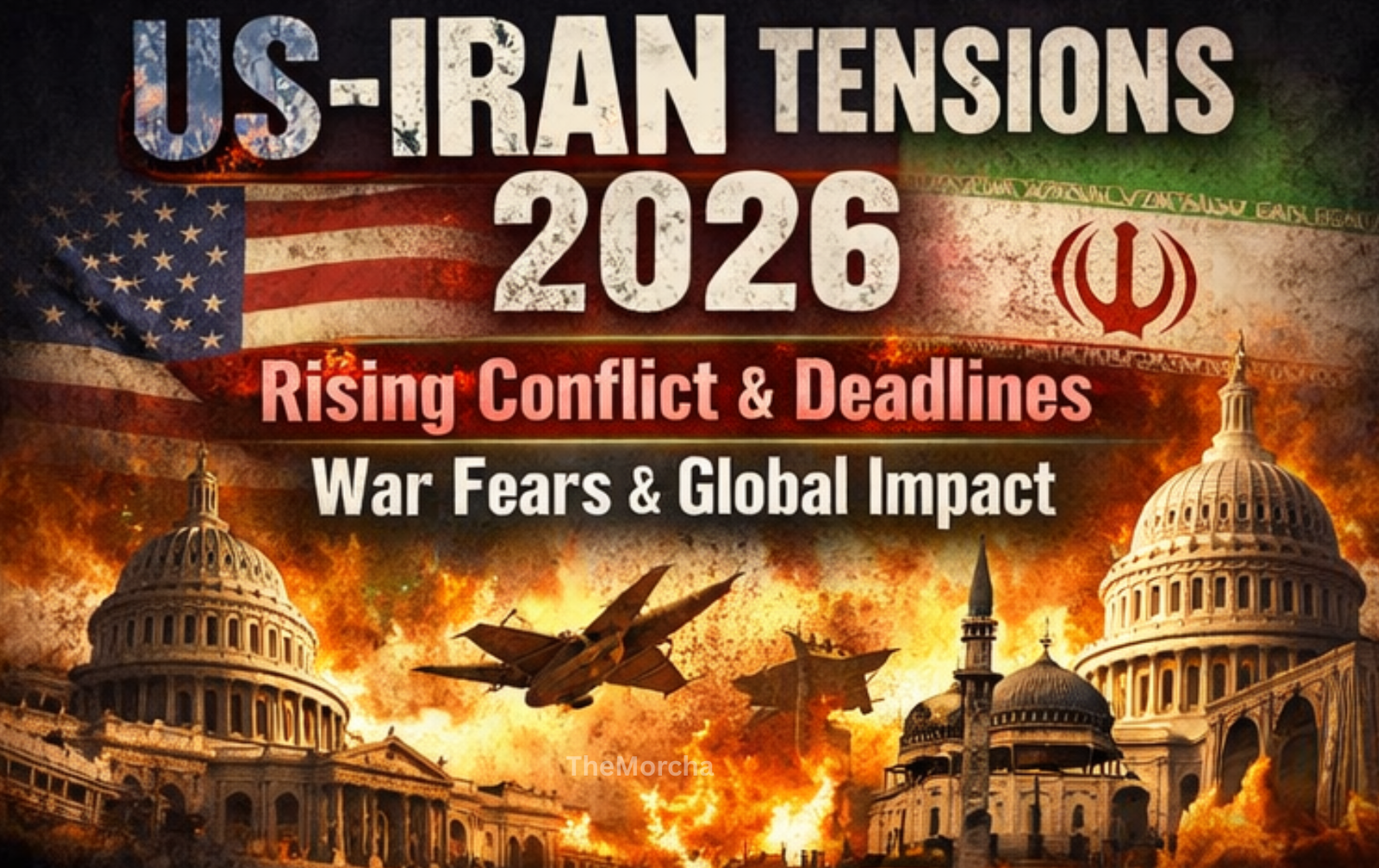
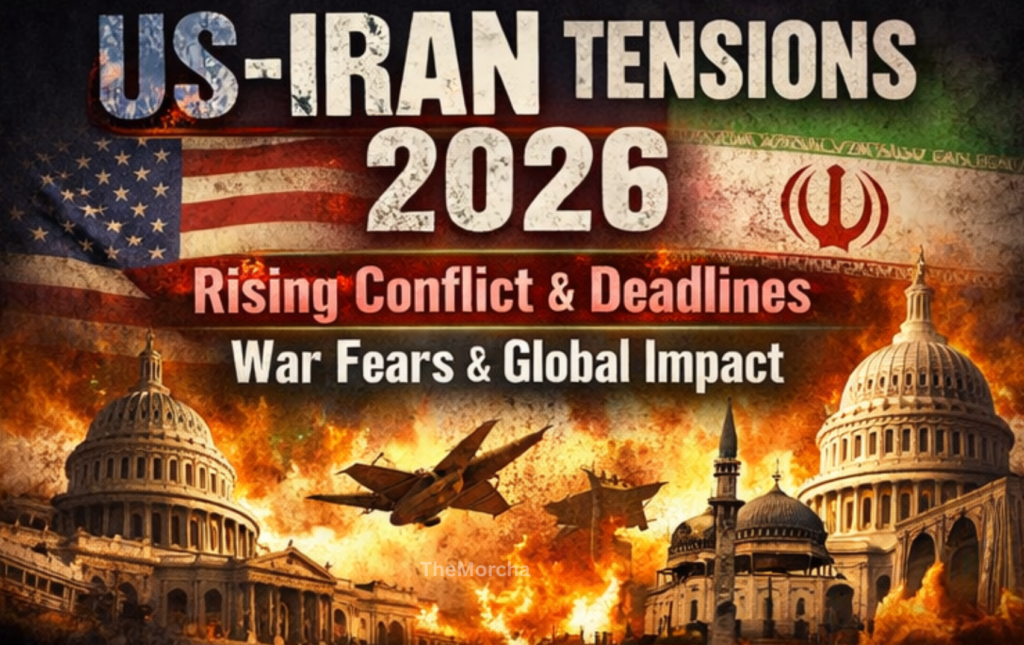
The US Iran Tensions 2026 have once again become a major topic of global discussion, drawing attention from governments, analysts, and the general public alike. In recent days, claims have circulated suggesting that the United States may have issued a strict deadline to Iran, possibly demanding a response within a limited timeframe such as “before 8 PM.”
While these reports have gained traction across social media platforms and informal news channels, there has been no official confirmation from credible government sources. This situation highlights how quickly unverified information can spread in today’s digital age, especially when it aligns with an already tense geopolitical environment.

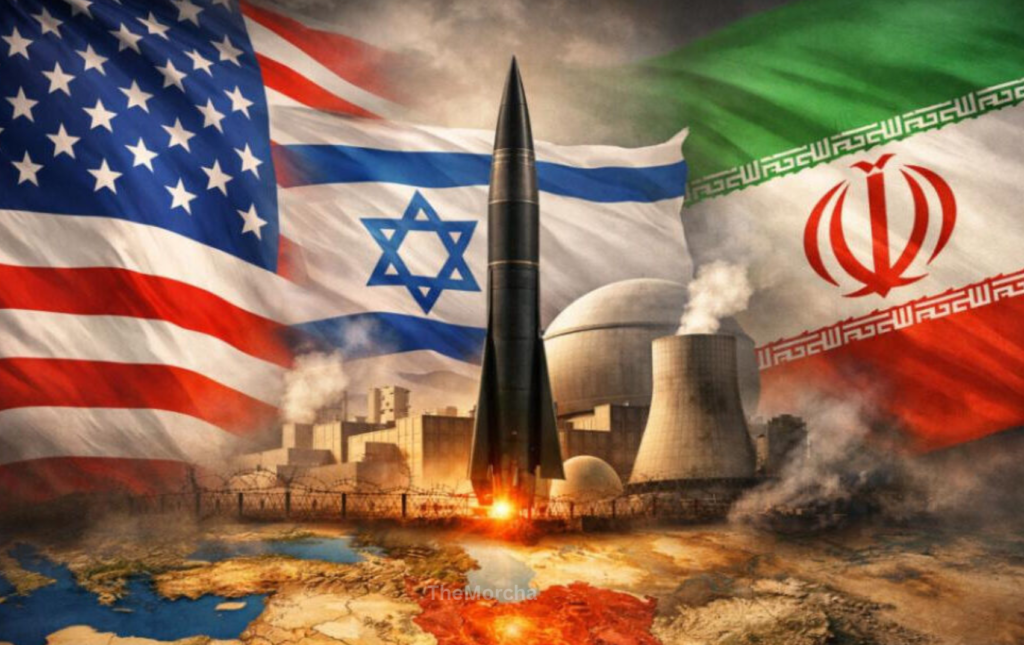
The seriousness of the US Iran Tensions 2026 makes any such claim seem believable, even without evidence. As a result, people across the world are paying close attention, trying to separate facts from speculation. The current situation reflects not only a bilateral conflict but also a broader issue involving international security, regional stability, and the global balance of power.
Table of Contents
Historical Background of US-Iran Relations
The complex relationship between the United States and Iran has deep historical roots that continue to influence present-day events, and these dynamics are central to the ongoing US Iran Tensions 2026. Before 1979, Iran and the US maintained relatively strong diplomatic and economic ties, particularly during the rule of Shah Mohammad Reza Pahlavi.
However, the Iranian Revolution drastically changed this relationship, leading to the establishment of an Islamic Republic and the severing of diplomatic ties. The hostage crisis, in which American diplomats were held in Tehran, further intensified hostility and mistrust between the two nations.
Over the decades, this mistrust has been reinforced by various actions, including economic sanctions imposed by the United States and Iran’s opposition to US policies in the Middle East. Both countries have developed narratives that portray the other as a threat, making reconciliation difficult. This historical context explains why even minor developments today can escalate quickly, forming the backdrop for the current US Iran Tensions 2026.
The Role of Nuclear Agreements and Their Breakdown
The issue of Iran’s nuclear program has been a central point of contention in US-Iran relations for many years. The 2015 Joint Comprehensive Plan of Action (JCPOA) was seen as a significant diplomatic achievement, aiming to limit Iran’s nuclear activities in exchange for relief from economic sanctions. Initially, the agreement helped reduce tensions and provided a framework for cooperation. However, disagreements over compliance and political changes in the United States led to the withdrawal from the deal, which in turn prompted Iran to scale back its commitments.
This breakdown not only increased tensions but also removed a key mechanism for dialogue and trust-building. Without the agreement, both sides have returned to a more confrontational stance, raising concerns about nuclear proliferation and regional security. The collapse of the JCPOA serves as a reminder of how fragile diplomatic achievements can be, especially when underlying mistrust remains unresolved.
Recent Developments in 2026
In 2026, the geopolitical landscape surrounding US-Iran relations has become increasingly tense, with multiple developments contributing to uncertainty and concern. Reports of heightened military readiness, stronger political rhetoric, and increased activity in the Middle East have created an atmosphere of anticipation and anxiety. The circulation of claims about a possible deadline for Iran to respond has added to this sense of urgency, even though such claims lack official verification.
These developments are not occurring in isolation but are part of a broader pattern of escalating tensions involving regional and global powers. The situation is further complicated by the rapid spread of information, which can blur the line between fact and speculation. As a result, governments and analysts must carefully assess each development to avoid misinterpretation and unintended consequences.
Understanding the Deadline Rumors
The rumor that the United States has given Iran a strict deadline is a clear example of how misinformation can spread quickly in the digital age. Such claims often originate from unofficial sources and gain credibility through repeated sharing on social media platforms. The idea of a specific deadline creates a sense of urgency, making the situation appear more dramatic and immediate than it may actually be.
However, in the realm of international diplomacy, decisions and communications are usually more nuanced and rarely involve publicly announced deadlines without context. The lack of confirmation from official sources suggests that these claims should be treated with caution. This situation highlights the importance of critical thinking and the need to rely on credible information when assessing global events.
The Role of the US Vice President in Foreign Policy
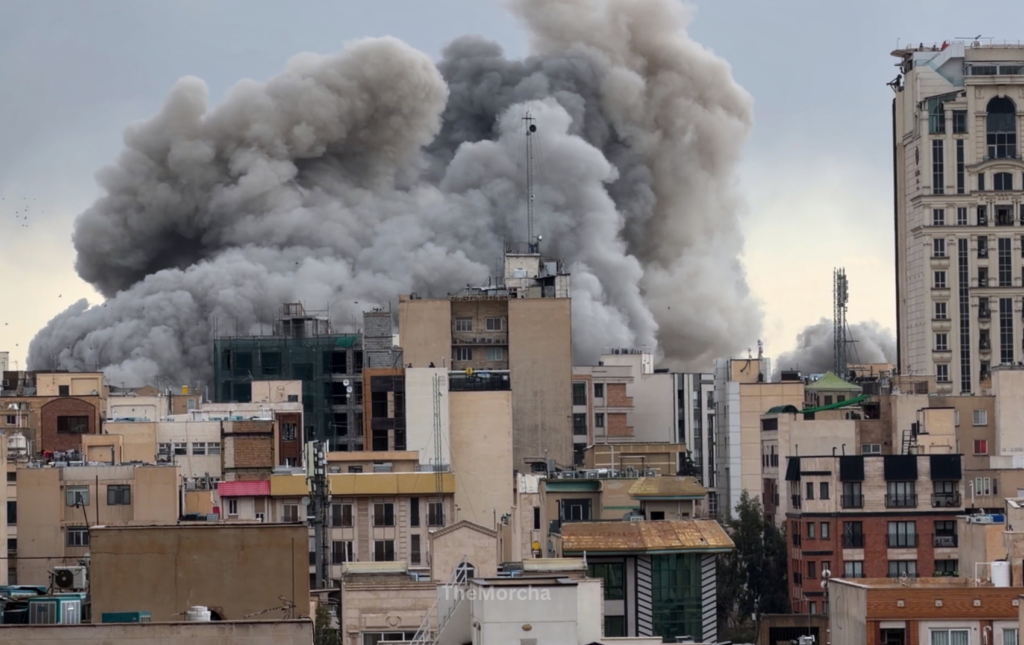
The Vice President of the United States plays an important role in supporting foreign policy initiatives, but their actions are part of a larger system of governance involving multiple institutions. Major decisions, particularly those involving international conflict or ultimatums, are typically communicated through official channels such as the White House or the Department of State.
This ensures that messages are clear, consistent, and backed by the full authority of the government. Therefore, claims that attribute a significant announcement, such as a strict deadline, solely to the Vice President without official confirmation are questionable. Understanding how foreign policy decisions are made helps in evaluating the credibility of such reports.
Iran’s Strategic Position and Response Options
Iran’s position in the current situation requires careful consideration of its strategic options. The country must balance its desire to assert its sovereignty with the need to avoid escalation. Diplomatic engagement offers a pathway to reduce tensions, while strategic patience allows Iran to assess the situation before responding. Military signaling, such as exercises or alliances, can demonstrate strength without initiating conflict. Each option involves trade-offs, making decision-making complex and critical.
The Role of Israel in the Ongoing Tensions
Israel plays a highly influential and sensitive role in the ongoing tensions between the United States and Iran, as its national security concerns are deeply tied to Iran’s regional activities and strategic ambitions. Over the years, Israel has consistently expressed strong opposition to Iran’s nuclear program, viewing it as a direct threat to its existence.
This perception has shaped Israel’s foreign policy and its close cooperation with the United States, particularly in matters of defense and intelligence. In the current situation, any escalation involving Iran is closely monitored by Israeli leadership, which may respond proactively to perceived threats. This creates a complex dynamic where actions taken by Iran or the United States can trigger reactions from Israel, potentially expanding the scope of the conflict.
Furthermore, Israel’s advanced military capabilities and strategic positioning in the region add another layer of tension, as its involvement could significantly alter the balance of power. This interconnected relationship means that US-Iran tensions cannot be viewed in isolation, as Israel’s role introduces additional risks, calculations, and potential outcomes that influence the overall geopolitical scenario.
Military Build-Up and Strategic Signals
The increasing military activity surrounding the United States and Iran is a critical aspect of the current tensions, as both nations seek to demonstrate their strength and readiness without necessarily engaging in direct conflict. Military build-ups often include troop deployments, naval movements, air force readiness, and strategic exercises designed to send clear signals to the opposing side.
These actions serve multiple purposes, including deterrence, reassurance to allies, and preparation for potential scenarios. However, such displays of power can also lead to misinterpretation, where defensive measures are perceived as offensive threats. This creates a delicate situation in which both sides must carefully manage their actions to avoid unintended escalation.
In addition, the presence of advanced weapon systems and surveillance technologies increases the complexity of the situation, as even minor incidents can quickly escalate if not handled properly. The concept of strategic signaling is central here, as each move is calculated to convey a message without crossing the threshold into open conflict. Nevertheless, the risk of miscalculation remains a constant concern, making the situation highly unpredictable.
Impact on the Middle East Region
The Middle East is one of the most geopolitically sensitive regions in the world, and any escalation between the United States and Iran has immediate and far-reaching consequences for the countries within it. Many nations in the region are already dealing with internal challenges such as political instability, economic pressures, and security concerns.
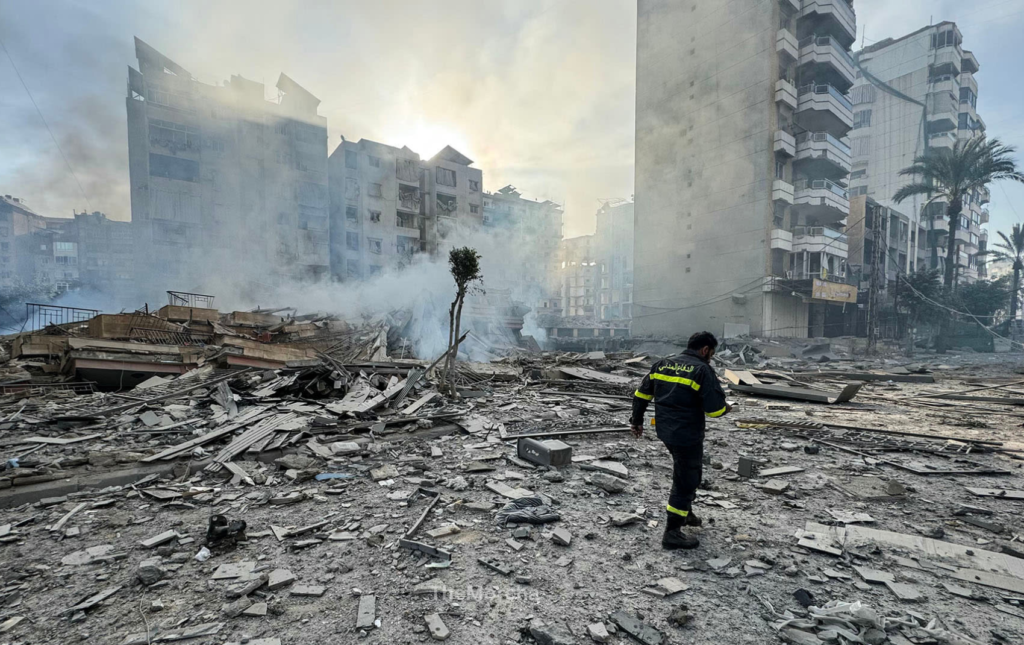
The addition of heightened US-Iran tensions further complicates this environment, increasing the risk of conflict spillover. Trade routes, particularly those involving oil and gas, could be disrupted, affecting not only regional economies but also global markets. Additionally, the presence of various alliances and rivalries within the Middle East means that any conflict could quickly involve multiple countries, turning a bilateral issue into a broader regional crisis.
Humanitarian concerns also come into play, as increased instability can lead to displacement, shortages of essential resources, and disruptions to daily life for millions of people. This interconnected web of challenges highlights why the situation is closely monitored by governments and organizations worldwide, as its impact extends far beyond the immediate actors involved.
Global Economic Consequences
The global economy is highly sensitive to geopolitical tensions, particularly when they involve key regions like the Middle East, which plays a crucial role in energy production and supply. Iran is a significant player in the global oil market, and any disruption to its production or export capabilities can lead to fluctuations in oil prices.
Rising tensions between the United States and Iran often result in increased uncertainty, causing investors to react cautiously and markets to become volatile.Higher oil prices can lead to increased transportation and production costs, which in turn contribute to inflation in many countries. This affects not only governments and businesses but also everyday consumers who face rising costs of living.
Additionally, global trade routes could be impacted if tensions escalate, further disrupting economic stability. Financial markets, including stock exchanges and currency values, are also influenced by such developments, as investors seek safer assets during periods of uncertainty. Overall, the economic consequences of US-Iran tensions are far-reaching, demonstrating how interconnected the global economy has become.
The Influence of Media and Social Platforms
In the modern digital era, media and social platforms play a powerful role in shaping how people perceive global events, including the tensions between the United States and Iran. News spreads rapidly across platforms, often reaching millions of people within minutes. While this allows for quick access to information.
It also increases the risk of misinformation and rumors gaining traction. The claim about a specific deadline given to Iran is a clear example of how unverified information can spread widely, influencing public perception even in the absence of credible evidence. Social media algorithms often prioritize engaging or sensational content, which can amplify dramatic narratives over factual reporting.
This creates a challenging environment where individuals must actively evaluate the credibility of the information they encounter. Responsible journalism and critical thinking are essential in such situations, as they help ensure that public discourse remains informed and balanced. The influence of media is significant, as it not only informs but also shapes opinions and reactions on a global scale.
Diplomatic Efforts and International Mediation
Diplomacy remains one of the most important tools for managing tensions and preventing conflicts between nations, especially in situations as complex as US-Iran relations. International organizations, including the United Nations, along with neutral countries, often play a key role in facilitating dialogue and encouraging peaceful resolutions.
These diplomatic efforts involve negotiations, back-channel communications, and confidence-building measures aimed at reducing misunderstandings and finding common ground. While diplomacy can be a slow and challenging process, it offers a path to stability that avoids the risks associated with military action.
In the current situation, global leaders have emphasized the importance of restraint and dialogue, recognizing that escalation would have severe consequences. Successful mediation requires cooperation, trust, and a willingness to compromise, which can be difficult given the history of mistrust between the parties involved. Nevertheless, diplomacy remains a critical avenue for resolving disputes and maintaining international peace.
Public Reaction and Global Awareness
The rising tensions between the United States and Iran have captured the attention of people around the world, leading to widespread discussion and concern. Public reaction is shaped by a combination of news reports, social media content, and personal interpretations of the situation.
Many individuals are closely following updates, trying to understand the potential implications for global security and economic stability. The spread of rumors, such as the alleged deadline, has further intensified public interest, highlighting the need for accurate and reliable information.
Public awareness plays an important role in shaping political discourse, as governments often consider public opinion when making decisions. At the same time, heightened awareness can lead to anxiety and uncertainty, particularly when information is unclear or contradictory. This underscores the importance of responsible communication and the role of credible sources in providing clarity during complex situations.
Possible Future Scenarios
The future of US-Iran relations remains uncertain, with several possible scenarios that could unfold depending on the actions of the involved parties. One possibility is de-escalation, where diplomatic efforts succeed in reducing tensions and restoring some level of cooperation.
Another scenario involves a continued standoff, with both sides maintaining pressure without engaging in direct conflict. In more serious cases, limited conflict could occur, involving targeted actions that stop short of full-scale war.
The most concerning scenario is a major escalation that draws in multiple countries and leads to widespread instability. Each of these outcomes depends on a range of factors, including political decisions, strategic calculations, and external influences. The unpredictability of the situation makes it essential for all parties to act with caution and prioritize long-term stability over short-term gains.
Importance of Verified Information
In a world where information is constantly flowing, the importance of verifying facts cannot be overstated, especially during times of geopolitical tension. Unverified claims, such as the rumored deadline given to Iran, can create confusion and unnecessary panic if accepted without scrutiny.
Reliable information from credible sources helps individuals and organizations make informed decisions and understand the true nature of events. Governments, media outlets, and individuals all share a responsibility to ensure that the information they share is accurate and well-supported.
Critical thinking and fact-checking are essential skills in navigating the modern information landscape. By prioritizing verified information, it is possible to reduce misunderstandings and maintain a clearer perspective on complex issues.
Role of Global Powers and Alliances
The situation between the United States and Iran is not isolated, as it involves the interests and actions of other global powers and alliances. Countries such as China, Russia, and European nations have their own perspectives and strategic interests in the region, which influence their responses to the situation.
These nations may engage in diplomatic efforts, economic policies, or strategic partnerships that shape the overall dynamics of the conflict. Alliances play a crucial role in determining how events unfold, as they can either contribute to stability or increase tension depending on their actions. International cooperation is essential in addressing challenges and promoting peace, highlighting the interconnected nature of global politics.
A Critical Moment in Global Politics
The current tensions between the United States and Iran represent a critical moment in global politics, with significant implications for international security, economic stability, and regional dynamics. While rumors about deadlines and ultimatums continue to circulate, the lack of official confirmation emphasizes the need for caution and critical evaluation of information. The situation remains fluid, with multiple factors influencing its direction and potential outcomes.
As the world watches closely, the importance of diplomacy, responsible communication, and strategic decision-making becomes increasingly clear. Ensuring stability requires cooperation and a commitment to peaceful solutions, as the consequences of escalation would be felt far beyond the immediate region.