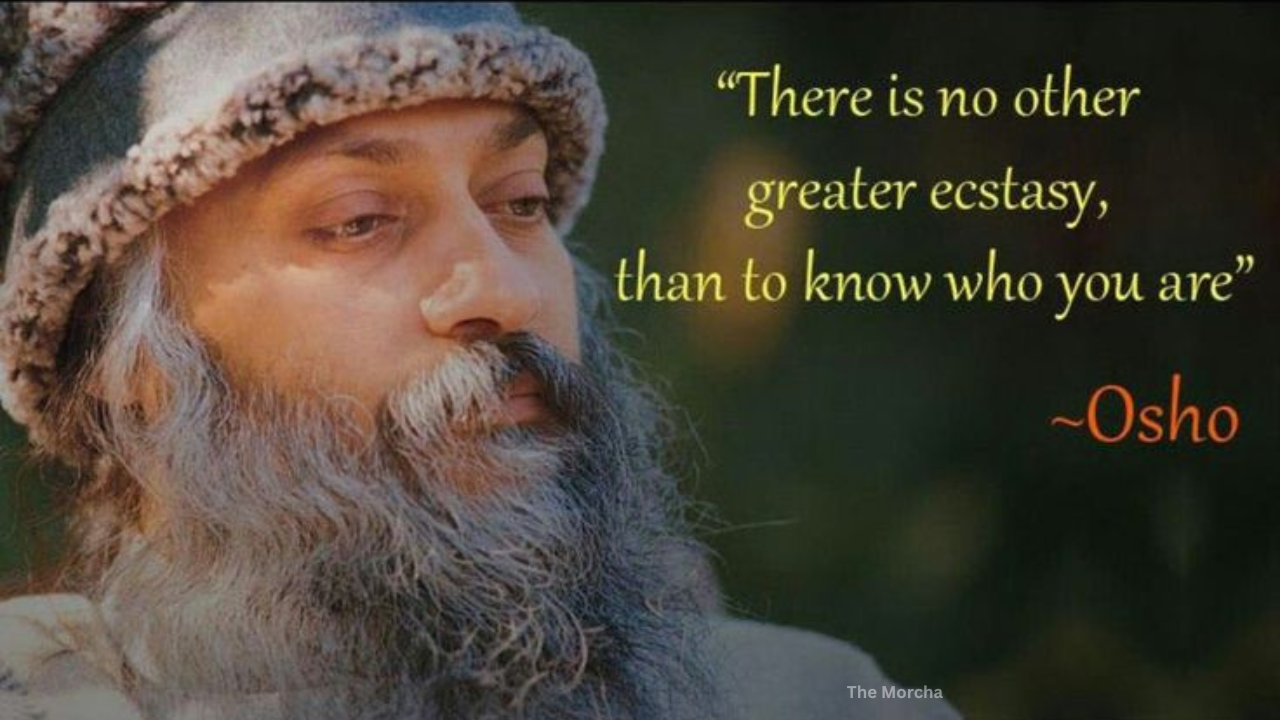
Osho’s Teachings continue to attract millions of people, even decades after his death. Known earlier as Bhagwan Shree Rajneesh and later simply as Osho, he remains one of the most controversial spiritual figures of the modern era. To some people, he was a genius who challenged outdated traditions and encouraged personal freedom. To others, he was a dangerous cult leader whose movement created intense devotion, controversy and social conflict.

Very few spiritual teachers have created such sharply divided opinions. Osho spoke openly about meditation, love, sexuality, religion, death, politics, consciousness and freedom. He refused to fit comfortably into the image of a traditional guru. His speeches often challenged religious leaders, governments and social norms.
This is exactly why the debate around him continues. Was he a revolutionary thinker who understood the psychological problems of modern people? Or did his charisma and authority create an unhealthy environment in which followers became deeply dependent on his movement?
The truth is more complicated than choosing one extreme. To understand Osho properly, it is necessary to examine both the brilliance and the darkness surrounding his teachings and the movement that developed around him.
Table of Contents
The Beginning of a Rebellious Spiritual Mind
Osho was born as Chandra Mohan Jain in India in 1931. From an early age, he developed a reputation for questioning accepted beliefs. He was not satisfied with simply accepting religious ideas because they had been passed down through tradition. Instead, he reportedly wanted direct experience and personal understanding.
As a young man, he studied philosophy and later became a professor. His intellectual ability and debating skills helped him become a powerful public speaker. He openly criticized organized religion, traditional morality and political systems.
One of the strongest themes in Osho’s Teachings was the idea that borrowed beliefs cannot create genuine spiritual understanding. According to his philosophy, people should not blindly believe a scripture, priest or guru. They should explore life directly.
This message was revolutionary for many followers. Osho encouraged people to ask uncomfortable questions. Why do we follow traditions? Why are people afraid of death? Why is human sexuality surrounded by shame? Why do religions sometimes create fear instead of freedom?
These questions made him popular among people searching for a more individual form of spirituality. However, the same rebellious approach also created enemies who believed that his ideas threatened social and religious traditions.
Osho’s Teachings and the Rejection of Blind Belief
One of the most attractive parts of Osho’s philosophy was his criticism of blind belief. He repeatedly suggested that accepting an idea without personal experience could become a barrier to truth.
Traditional religious systems often ask followers to have faith in particular teachings. Osho took a different approach. He encouraged doubt and questioning. He believed that a person should not become religious merely because they were born into a particular family or culture.
According to Osho’s Teachings, real spirituality begins when a person becomes aware of their own consciousness. Instead of simply repeating prayers or following rituals automatically, individuals should observe their thoughts, emotions and behavior.
This message feels especially relevant in the modern world. Many people today feel disconnected from traditional institutions but still search for meaning. Osho offered a form of spirituality that seemed less focused on rules and more focused on personal experience.
However, there is an interesting contradiction. Although Osho criticized blind obedience, many people became intensely devoted to him. This creates one of the biggest questions surrounding his legacy. Can a teacher who tells people not to follow anyone still become the center of an extremely devoted movement?
The answer may reveal both the power and the danger of charismatic leadership.
Why Osho’s Ideas About Meditation Were So Different
Meditation existed in India for thousands of years before Osho, but he introduced methods that felt more suitable for modern lifestyles. Traditional meditation often involved sitting silently for long periods. Osho believed that many modern people found this difficult because their minds and bodies were full of stress and suppressed emotions.
For this reason, he developed or promoted several active meditation techniques. These methods could include breathing, movement, dancing, shaking, emotional expression and periods of silence.
The basic idea behind Osho’s Teachings was that people may first need to release physical and emotional tension before they can experience deep stillness.
Dynamic Meditation became one of the most famous examples. Instead of immediately sitting quietly, participants could engage in intense breathing and movement before entering silence.
Supporters considered these techniques innovative and psychologically practical. They believed Osho understood that modern humans often live under enormous pressure.
Critics, however, questioned whether some highly emotional group practices could create intense psychological experiences that made participants more vulnerable to group influence.
Therefore, even his meditation methods can be viewed from two perspectives. They may represent creative spiritual innovation, but the social environment in which they are practiced also matters greatly.
The Revolutionary Ideas About Freedom and Individuality
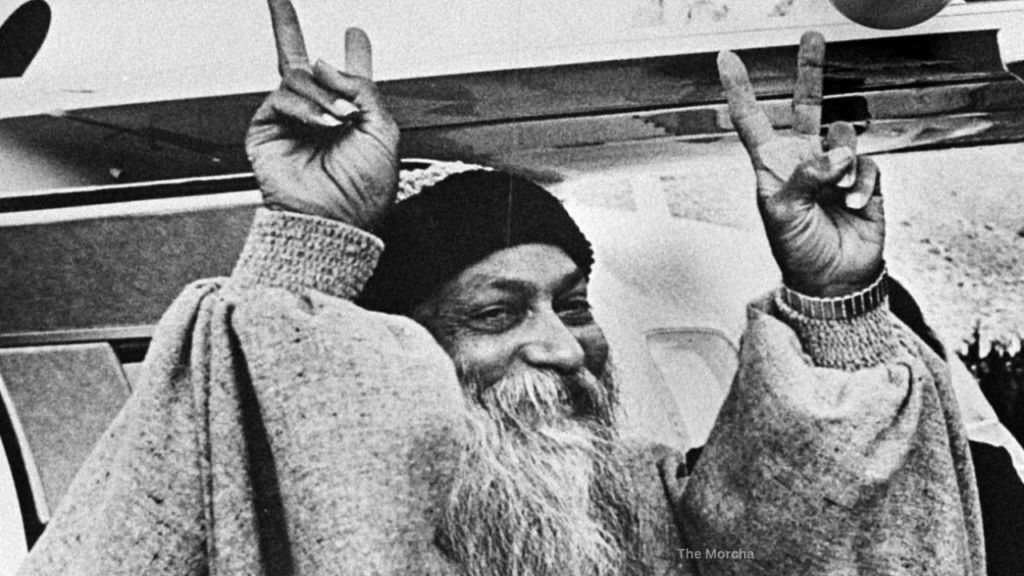
Osho repeatedly emphasized individuality. He warned against living according to the expectations of society. People often spend their lives trying to become what their parents, communities, religions or cultures expect them to be.
Osho argued that this creates an artificial personality. A person may follow rules and appear successful while remaining disconnected from their authentic desires and feelings.
This is one reason Osho’s Teachings became especially popular among young people. His message suggested that individuals had the right to question authority and search for their own path.
He spoke strongly about freedom, creativity and personal awareness. However, freedom in his philosophy was not supposed to mean simple irresponsibility. At its deepest level, freedom required awareness. A person should understand their actions rather than behave automatically.
Yet critics pointed out a difficult question: how much individuality existed within the communities built around Osho? Followers sometimes adopted similar clothing, meditation practices, names and lifestyles.
This contradiction remains important. Osho’s philosophy promoted individual freedom, but his movement also created a strong collective identity.
That tension between freedom and group loyalty is one of the central mysteries surrounding his legacy.
Osho and His Controversial Views on Sexuality
Perhaps no aspect of Osho’s public image created more controversy than his open discussions about sexuality. In societies where sex was often treated as shameful or secretive, his willingness to speak directly appeared shocking.
Osho believed that suppressing natural human sexuality could create psychological problems. He argued that guilt and fear surrounding the body could prevent people from developing naturally.
In many interpretations of Osho’s Teachings, sexuality was not presented as the final goal of human existence. Instead, he suggested that awareness could transform ordinary human energy into deeper love, creativity and consciousness.
This attracted people who felt restricted by traditional sexual morality. At the same time, critics accused him of promoting excessive sexual freedom and challenging social boundaries.
The controversy became even stronger because some communities associated with the Rajneesh movement developed unusually open attitudes toward relationships.
It is important, however, to separate philosophical discussions from the behavior of every individual within a movement. A spiritual teacher’s ideas can be interpreted differently by different followers.
Osho’s discussions about sexuality challenged a major social taboo. Whether people consider that courageous or dangerous often depends on their cultural and moral perspective.
Was Osho a Spiritual Genius?
Supporters often describe Osho as a genius because of the extraordinary range of subjects he discussed. His recorded talks cover Buddhism, Christianity, Hinduism, Jainism, Sufism, Taoism, psychology, politics and modern society.
One reason people admire Osho’s Teachings is his ability to connect ancient wisdom with modern questions. He could discuss a Buddhist meditation technique and then connect it with stress, relationships or the problems of contemporary life.
His speeches were also filled with stories, humor and philosophical arguments. Rather than presenting spirituality as dry religious instruction, he often made it entertaining and provocative.
Osho also encouraged followers to experience meditation instead of merely studying spiritual books. This practical approach made spirituality feel accessible to people who were not interested in traditional religious institutions.
His admirers believe that he was centuries ahead of his time. They argue that his ideas about mindfulness, individuality and psychological freedom became more widely accepted later.
However, intelligence and wisdom do not automatically protect a person or movement from ethical problems. A brilliant teacher can still exist within a controversial organization.
Therefore, calling Osho a genius does not automatically answer every criticism surrounding his movement.
Why Do Critics Call Osho a Cult Leader?
The word “cult” is emotionally powerful and often used in controversial discussions. Critics used this label because the Rajneesh movement developed characteristics that concerned many observers.
The movement had a highly charismatic leader, devoted followers and communities with strong internal identities. In some periods, followers changed their names, wore similar clothing and separated themselves from ordinary social life.
Critics argued that such environments could create psychological pressure to conform. When people enter an intense community, they may begin to define their identity primarily through the group.
The issue is therefore not only about Osho’s Teachings but also about how a movement organizes itself around a spiritual leader.
Supporters strongly reject the cult label. They argue that followers voluntarily joined Osho communities and participated in meditation and communal life because they found personal meaning there.
Still, history shows that charismatic movements can create complicated power structures. Followers may genuinely feel free while simultaneously becoming emotionally dependent on the community.
This does not mean every follower lacks independent thought. But it does explain why the cult question continues to appear whenever Osho’s legacy is discussed.
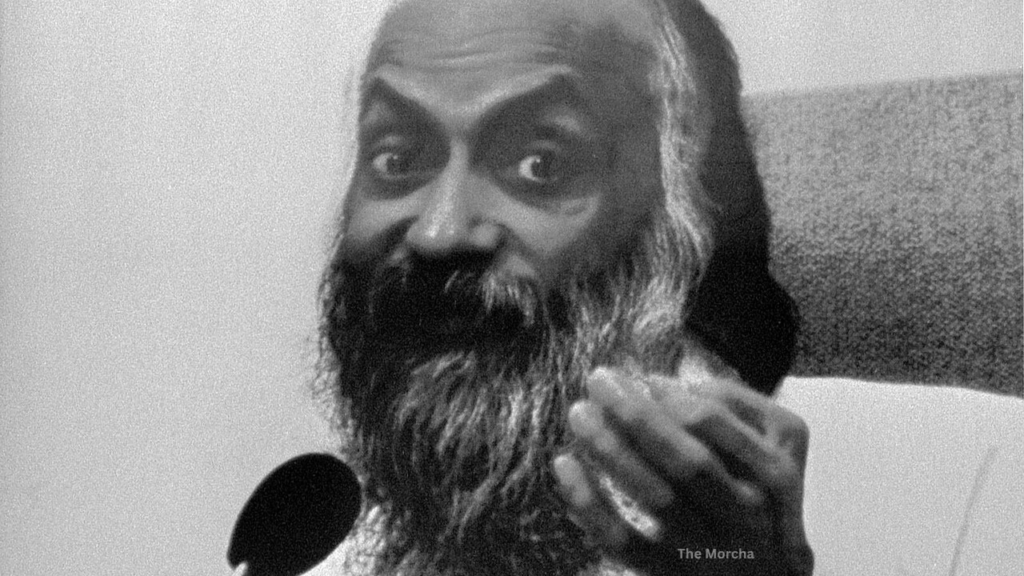
The Rise of Rajneeshpuram in America
One of the most dramatic chapters in Osho’s history was the creation of Rajneeshpuram in Oregon, United States. During the 1980s, followers established a large intentional community on a ranch.
The project was ambitious. Supporters wanted to create a self-sufficient community where people could live, work and practice meditation together.
For followers, Rajneeshpuram represented a bold social experiment. They believed it could demonstrate a new way of living based on consciousness and community.
However, local tensions quickly developed. The growing community created political, cultural and legal conflicts with nearby residents.
The story of Rajneeshpuram changed public perceptions of Osho’s Teachings because the movement was no longer viewed only as a spiritual organization. It had become involved in questions about land, politics, power and social influence.
This period demonstrated a major challenge faced by spiritual movements. A philosophy may speak about inner peace, but building a large real-world community requires dealing with laws, economics, leadership and political conflict.
Rajneeshpuram became both a symbol of idealistic ambition and a warning about what can happen when spiritual communities enter intense conflicts with the outside world.
The Darkest Chapter: Crime and Scandal Around the Movement
The most serious controversies surrounding the Rajneesh movement involved criminal acts committed by some leading members. The Oregon period included events that later became the subject of investigations and widespread public attention.
One of the most infamous incidents involved a 1984 food poisoning attack in The Dalles, Oregon. Followers associated with the Rajneesh movement deliberately contaminated food with bacteria in an attempt connected to local political influence. Many people became ill.
This shocking event created a permanent shadow over discussions of Osho’s Teachings and his movement.
It is important to distinguish between Osho’s philosophical writings and the criminal actions carried out by individuals around him. However, critics ask whether a leader can completely escape responsibility for the culture and power structure that develops within their organization.
Supporters have argued that Osho himself was not personally involved in every action committed by senior followers. The controversy remains complicated because different participants have given different accounts of responsibility.
What cannot be ignored is that the movement experienced a serious breakdown in ethics and leadership. This is one reason the public debate around Osho cannot be limited only to meditation or philosophy.
The beauty of a spiritual message must always be examined alongside the behavior of institutions created in its name.
The Mystery of Sheela and the Question of Power
Ma Anand Sheela became one of the most famous figures associated with the Rajneesh movement. As Osho’s secretary and a major organizational leader, she played a central role during the Oregon period.
The later conflict between Sheela and Osho added another layer of complexity to the movement’s history. Criminal allegations and internal power struggles transformed the image of what had once been presented as a spiritual experiment.
The story raises an important question about Osho’s Teachings and leadership in general: how much power should spiritual followers have over an organization?
Large movements require administrators, managers and decision-makers. But when authority becomes concentrated in a small group, followers may become disconnected from the decisions being made in their name.
The Osho movement demonstrated how dangerous internal power struggles can become.
Some people believe Osho was manipulated or isolated by those around him. Others argue that a leader must remain responsible for the systems created under his authority.
There may never be a simple answer. But the Sheela period shows that spiritual communities are not automatically protected from ordinary human problems such as ambition, jealousy, fear and the desire for control.
The Rolls-Royces: Spirituality, Luxury and Contradiction
Osho became famous for his collection of luxury Rolls-Royce cars. For critics, these cars represented everything contradictory about a spiritual teacher associated with meditation and detachment.
Why would a person speaking about inner freedom possess or use symbols of extreme luxury?
Osho and his supporters challenged the idea that spirituality required poverty. According to this perspective, there is nothing spiritual about pretending that beautiful objects do not exist. A person could enjoy comfort without becoming psychologically attached to it.
This argument reflects an important theme in Osho’s Teachings. Osho often rejected traditional ideals of forced renunciation. He believed that repressing desires could be as unhealthy as blindly following them.
Critics, however, saw the luxury as excessive and inconsistent with spiritual leadership. They worried that wealth and celebrity created an environment in which followers glorified the leader.
The Rolls-Royces therefore became more than vehicles. They became symbols of the larger debate surrounding Osho.
Could spirituality and luxury exist together? Or did visible extravagance create a personality cult around a supposedly enlightened teacher?
The answer depends partly on how one interprets the relationship between material possessions and spiritual authority.
The Psychology Behind Osho’s Powerful Influence
Why did so many intelligent and educated people become deeply attracted to Osho?
The answer cannot simply be that followers were foolish or weak. Many people who joined spiritual movements were highly educated and genuinely searching for personal transformation.
Osho was a powerful communicator. He spoke with confidence, humor and intellectual depth. He also addressed deeply personal problems such as loneliness, fear, relationships and the search for meaning.
Osho’s Teachings gave people a language for questioning the lives they had been living. For someone trapped in an unhappy marriage, restrictive family environment or emotionally empty career, his message could feel liberating.
Group meditation and community life could also create powerful feelings of belonging.
However, this same psychological power can become dangerous when admiration turns into unquestioning loyalty. Humans naturally seek certainty and belonging, especially during periods of personal confusion.
A charismatic teacher can therefore become a symbol onto which followers project their hopes and desires.
This is why critical thinking remains essential in every spiritual environment. Inspiration can be valuable, but no teacher should replace an individual’s ability to questionand think independently.
The Modern Relevance of Osho’s Teachings
Despite decades of controversy, Osho remains highly relevant in the modern world. Meditation, mindfulness, mental well-being and personal freedom are now major topics in global culture.
Many ideas once considered unusual have become more widely discussed. People now openly talk about therapy, emotional suppression, stress and the importance of self-awareness.
This is one reason Osho’s Teachings continue to find new audiences online. Short videos, quotes and meditation content introduce younger generations to his philosophy.
His ideas about observing thoughts instead of becoming trapped by them connect strongly with modern mindfulness practices. His criticism of blind conformity also appeals to people trying to create more authentic lives.
At the same time, modern audiences have access to more information about the controversial history of the Rajneesh movement.
This creates an opportunity for a more balanced approach. People do not need to worship Osho or completely reject every idea associated with him.
They can study his words critically, examine historical facts and decide for themselves what is valuable.
Perhaps this balanced approach is more useful than choosing between two extreme labels: saint or villain.
Genius or Cult Leader? The Final Truth About Osho’s Legacy
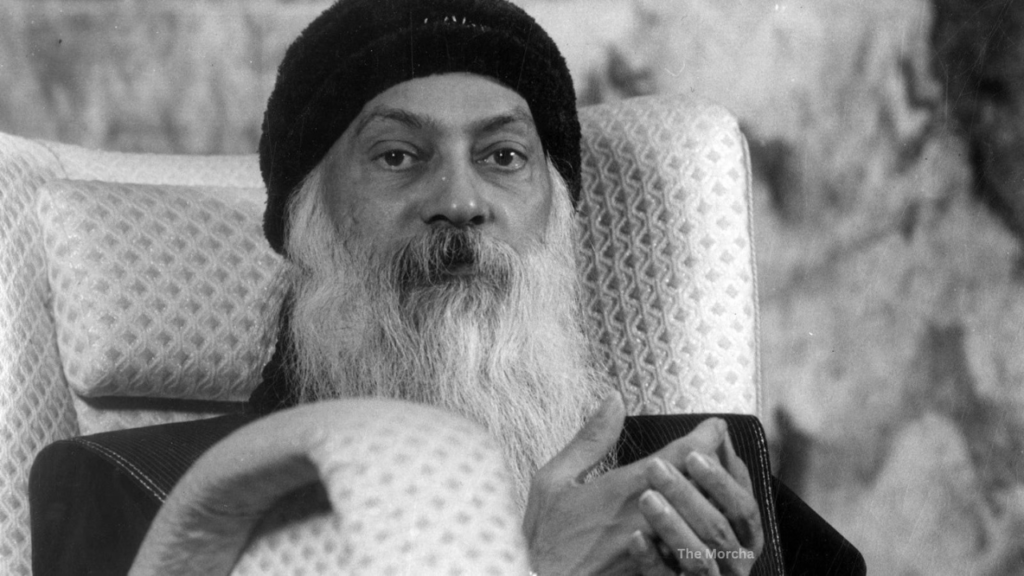
So, was Osho a genius or a cult leader?
The most honest answer may be that history is too complicated for a simple label.
Osho was clearly a powerful intellectual and spiritual communicator. Osho’s Teachings introduced millions of people to meditation, self-observation and the possibility of living beyond blind social conformity.
His ideas challenged religious hypocrisy, emotional repression and fear-based morality. For many followers, his teachings created genuine personal transformation.
At the same time, the history of the movement surrounding him contains serious controversies. The Oregon period involved criminal acts, intense power struggles and behavior that permanently damaged the movement’s public reputation.
These facts cannot simply be ignored because the philosophy contains beautiful ideas.
The greatest lesson may actually come from examining both sides.
A teacher can offer valuable wisdom and still exist within a flawed organization. A movement can inspire genuine transformation while also developing dangerous power structures. Followers can experience real freedom while still needing to remain alert to manipulation.
The dark and brilliant truth about Osho is that his legacy forces people to think beyond simple categories.
He was not an ordinary spiritual teacher. His influence came from his ability to challenge deeply established beliefs. Yet that same influence created an environment where power, devotion and controversy became impossible to separate completely.
The best way to approach Osho’s Teachings today is with an open mind and critical awareness. Read the ideas. Practice meditation if it helps. Question the philosophy. Study the historical controversies. Do not blindly worship, but do not blindly reject either.
Perhaps the deepest lesson is not to become dependent on any guru, ideology or institution.
Think. Observe. Question. Experience.
And then decide for yourself.


