Onam 2026 is one of the most important and colorful festivals celebrated in Kerala and by Malayali communities across India and the world. Known for its vibrant flowers, traditional food, cultural performances, decorated homes, boat races, and family gatherings, Onam represents much more than a festive occasion. It carries a powerful message of unity, equality, gratitude, generosity, and peaceful living. The festival is traditionally associated with the legendary King Mahabali, whose reign is remembered as a period of prosperity and social harmony. Every year, people celebrate the return of Mahabali with happiness and enthusiasm. In 2026, Onam once again provides an opportunity for families and communities to reconnect with their cultural roots while spreading positivity and goodwill.

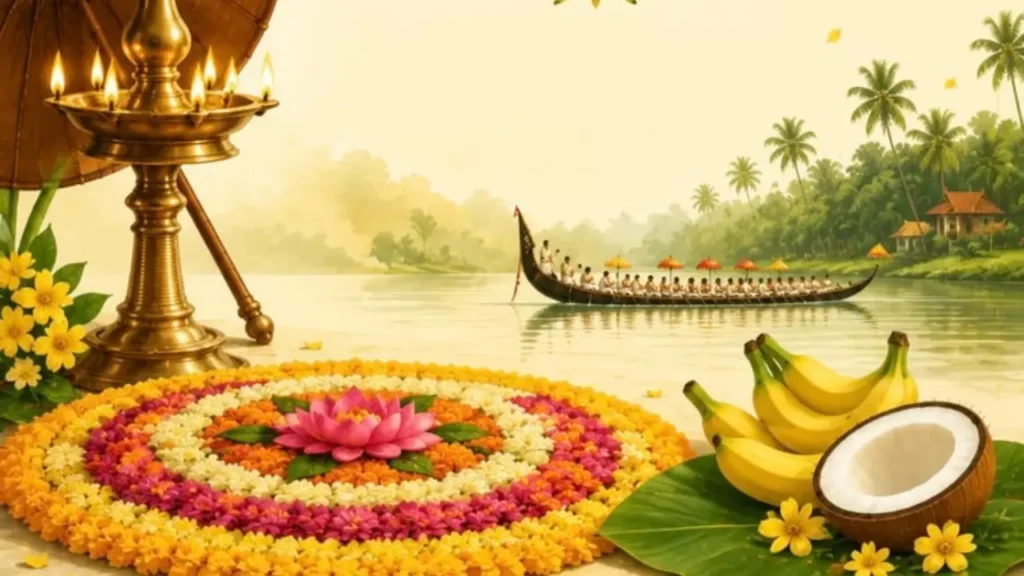
Table of Contents
What Is Onam?
Onam 2026 is a major annual festival of Kerala that beautifully combines religious traditions, agricultural heritage, cultural activities, and community celebrations. It is primarily observed during the Malayalam month of Chingam, which generally falls between August and September in the Gregorian calendar. Onam 2026 brings families and communities together through traditional rituals, colorful Pookalam designs, delicious Sadya, cultural performances, and joyful gatherings. As a cherished celebration of Kerala’s rich heritage, Onam 2026 also highlights values such as unity, prosperity, gratitude, and togetherness.
The festival is closely connected with the harvest season. Historically, agriculture played an important role in Kerala’s economy and social life, so the harvest was a natural reason for communities to express gratitude for nature and celebrate abundance.
However, Onam has grown beyond its agricultural origins. Today, it is celebrated by people from different backgrounds and communities. Homes are decorated with flowers, traditional meals are prepared, people wear new clothes, and cultural events bring communities together.
The Fascinating Story of King Mahabali
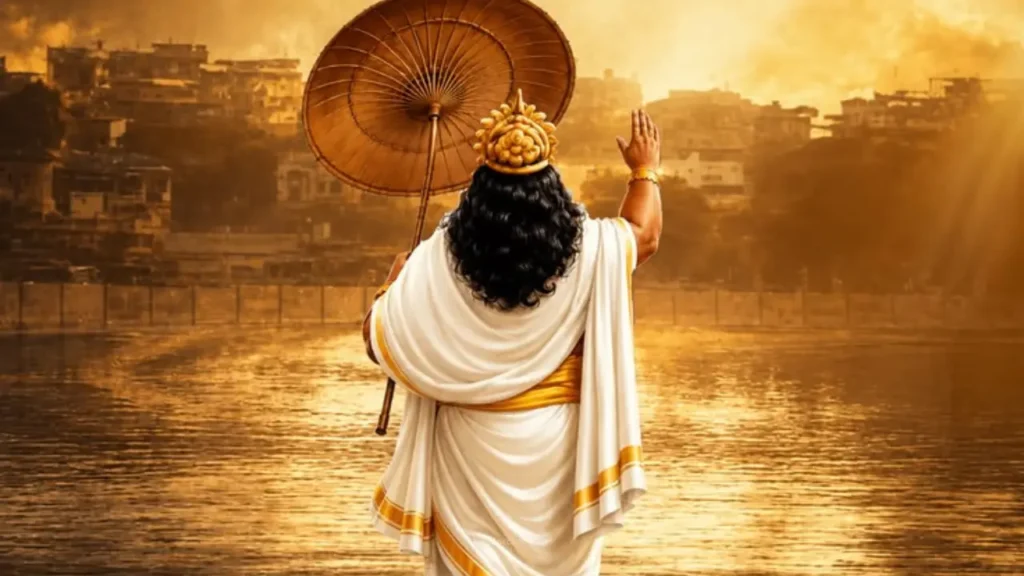
The legendary story of King Mahabali is at the heart of Onam 2026 traditions. According to popular Hindu tradition, Mahabali was a powerful and generous ruler. His kingdom was believed to be exceptionally prosperous, and people remembered him as a king who cared deeply about his subjects. The story of Mahabali gives Onam 2026 a deeper meaning, highlighting values such as kindness, equality, generosity, and devotion. Through Onam 2026, people continue to celebrate the beloved king and remember the ideals associated with his legendary golden reign.
Mahabali belonged to the Asura lineage but was known for his devotion, generosity, and commitment to his people. His growing influence eventually became a concern to the gods.
Lord Vishnu appeared before Mahabali in the form of a young Brahmin known as Vamana. Vamana wanted only three paces of land. Mahabali agreed to the request.
Vamana then assumed a gigantic form. He took a step and covered the earth, took another step and covered the heavens. In the third step there was nowhere to go. Mahabali offered his own head for the final step.
Impressed by his humility and devotion, Vishnu granted Mahabali a special blessing. According to tradition, Mahabali was allowed to return to his kingdom once a year to meet his people. Onam is therefore celebrated as a joyful welcome for the beloved king.
Why Is Onam Celebrated?
The celebration of Onam 2026 is associated with several interconnected ideas. At its heart is the traditional belief that King Mahabali returns to Kerala during this period. During Onam 2026, people welcome the legendary king by decorating their homes with beautiful Pookalam, preparing traditional dishes, wearing festive clothes, and gathering with family and friends. This special celebration also reflects the values of prosperity, happiness, unity, and togetherness that make Onam 2026 an important cultural festival.
People decorate their homes and participate in celebrations to welcome him. The festival also represents prosperity and the successful harvest season. Another important aspect is gratitude. Farmers and communities traditionally depended heavily on nature, rainfall, fertile soil, and agricultural cycles. A harvest festival offered an opportunity to appreciate these blessings.
Onam also carries a social message. The legendary kingdom of Mahabali is often remembered as a place where people lived with equality and prosperity. This makes the festival especially relevant in today’s world, where communities continue to search for greater harmony and mutual respect.
Onam 2026 and Its Cultural Importance
Onam 2026 will provide another opportunity for people to preserve and celebrate Kerala’s rich cultural identity. In an increasingly digital and rapidly changing world, traditional festivals can help younger generations understand their heritage.
Children learn traditional songs, dances, stories, games, food traditions, and artistic practices from parents and grandparents. Schools, colleges, cultural organizations, and communities also organize events that introduce people to Kerala’s traditions.
The festival therefore acts as a cultural bridge between generations. It allows traditional practices to survive while also adapting to modern lifestyles.
The Beautiful Tradition of Pookalam
One of the most attractive features of Onam is Pookalam, a decorative floral arrangement created on the floor, usually near the entrance of a home. Families collect flowers of different varieties and arrange them in creative patterns. Traditionally, Pookalam designs become more elaborate as the festival progresses.
Today, Pookalam competitions are also organized in schools, colleges, offices, and public spaces. Participants work together to create large and artistic designs. The tradition represents beauty, creativity, patience, and cooperation. More importantly, creating a Pookalam together can strengthen family and community relationships.
During Onam 2026, social media is also expected to provide a platform for people to showcase their creative floral designs and share cultural traditions with audiences around the world.
The Grand Onam Sadya
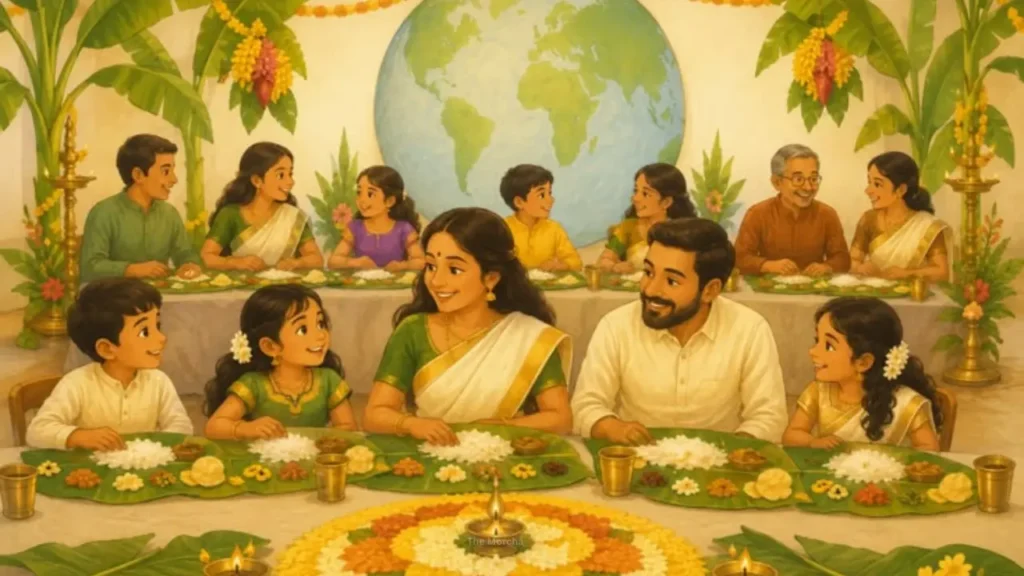
No discussion of Onam is complete without mentioning Onam Sadya, the traditional vegetarian feast. Sadya is generally served on a banana leaf and can include numerous dishes. Depending on the region and household, the meal may include rice, sambar, avial, thoran, olan, pachadi, kichadi, pickles, papad, banana, and different varieties of payasam.
The meal is not simply about food. It represents hospitality, abundance, and togetherness. Family members often sit together and enjoy the meal as part of the celebration. Community Sadya events can bring large numbers of people together. The variety of dishes also demonstrates Kerala’s diverse culinary heritage. Recipes and preparation methods are frequently passed from one generation to another.
The Exciting Boat Race Tradition
Vallam Kali, or traditional boat racing, is another spectacular feature associated with Onam celebrations. Long, narrow traditional boats known as snake boats are rowed by large teams of participants. The synchronized movements of the rowers, accompanied by traditional songs and enthusiastic spectators, create an energetic atmosphere.
The races are not merely sporting competitions. They represent teamwork, discipline, coordination, and community spirit. The famous boat races attract spectators from different parts of India and international visitors as well. They have become an important part of Kerala’s cultural identity and tourism appeal.
Traditional Dances and Cultural Performances
Onam celebrations are filled with traditional art forms. Thiruvathira Kali, performed mainly by women in traditional attire, is one of the well-known cultural performances associated with Kerala’s festive traditions. Pulikali, or the tiger dance, is another colorful performance that attracts attention during Onam festivities. Performers paint their bodies with tiger-like patterns and participate in energetic public performances.
Music, folk performances, storytelling, and traditional games further enhance the festive atmosphere. These art forms demonstrate the diversity of Kerala’s cultural heritage and provide an opportunity for younger generations to experience traditions beyond textbooks and digital media.
Traditional Clothes During Onam
Wearing new or traditional clothes is an important part of the celebration. Women often wear elegant Kerala-style sarees or traditional outfits, while men may wear mundu and traditional shirts. White and gold combinations are especially popular during festive occasions.
Clothing during Onam reflects simplicity and cultural elegance. People often take family photographs wearing traditional outfits, creating memories that can be preserved for years. Modern fashion has also influenced festive clothing, with designers creating contemporary versions of traditional Kerala attire.
Onam and Family Bonding
Modern lifestyles can sometimes make it difficult for families to spend quality time together. Festivals provide an opportunity to pause from everyday responsibilities and reconnect. During Onam 2026, families may come together for meals, cultural activities, shopping, games, prayers, and traditional celebrations.
Grandparents can share stories about how Onam was celebrated in their childhood, while younger family members can introduce new ideas and modern ways of celebrating. This exchange between generations helps preserve traditions while allowing them to evolve naturally.
The Message of Equality in Onam
One of the most powerful ideas associated with the story of Mahabali is equality. Mahabali’s kingdom is traditionally described as a place where people lived happily and enjoyed prosperity. While the story belongs to mythology and tradition, its social message remains meaningful.
It reminds people that a healthy society should value fairness, dignity, compassion, and mutual respect. In today’s world, where social divisions and negativity can easily spread, the message of Onam encourages people to focus on what connects them rather than what separates them.
Onam 2026: A Festival Beyond Religion
Although Onam has strong roots in Hindu mythology, its celebration in Kerala has developed into a broad cultural festival enjoyed by people from different religious and social backgrounds.
Friends, neighbors, colleagues, and communities often participate together in celebrations. This inclusive character is one of the reasons Onam has such a strong cultural presence. The festival demonstrates how traditions can become shared cultural experiences and create opportunities for people to celebrate together despite their differences.
Environmental Responsibility During Onam
Festivals bring happiness, but responsible celebration is equally important. People can make Onam 2026 more environmentally friendly by reducing unnecessary plastic use, avoiding excessive waste, choosing reusable decorations, and supporting locally grown flowers and food products.
Natural flowers can be used for Pookalam instead of artificial materials whenever practical. Food should also be prepared according to the number of people to reduce wastage. Eco-friendly celebrations ensure that the beauty of the festival does not create unnecessary pressure on the environment.
The Economic Importance of Onam
Onam is also an important period for Kerala’s economy. Festive shopping increases demand for clothing, food products, flowers, handicrafts, household goods, gifts, and other products.
Local markets and small businesses often benefit from increased customer activity. Tourism also receives a boost as visitors travel to Kerala toexperience cultural celebrations, traditional food, boat races, and other events.
For artisans, farmers, shopkeepers, textile workers, food producers, and hospitality businesses, the festive season can create valuable economic opportunities.
Onam Celebrations in the Modern Digital Age
Technology has changed the way people celebrate festivals. People now share Pookalam designs, Sadya photographs, traditional outfits, greetings, and cultural videos through social media platforms.
Malayalis living outside Kerala can also participate virtually in family celebrations. Digital platforms have made it easier to introduce Onam traditions to international audiences. At the same time, people should ensure that online trends do not completely replace the meaningful cultural practices behind the festival. Technology can be useful when it supports cultural preservation rather than distracting from it.
How Schools and Colleges Celebrate Onam
Educational institutions often organize Onam programs before the festival. Students may participate in Pookalam competitions, traditional dress days, cultural dances, music programs, games, and food-related activities.
Such events provide practical exposure to cultural traditions. Students can learn about Kerala’s history while developing teamwork and creativity. Onam celebrations in educational institutions also encourage students from different backgrounds to participate together.
How Workplaces Celebrate Onam
Many organizations also organize Onam celebrations for employees. Offices may arrange traditional dress competitions, Pookalam contests, cultural performances, festive lunches, and team-building activities.
Such celebrations can improve workplace relationships and create a positive environment. For employees living away from Kerala, workplace celebrations can provide a sense of familiarity and connection with their culture.
The Spiritual Meaning of Onam
Beyond food, decorations, and entertainment, Onam has a deeper spiritual dimension. The story of Mahabali highlights humility, generosity, devotion, and sacrifice. Vamana’s story reminds people that power and wealth are temporary, while values and character have lasting importance.
The festival encourages people to practice gratitude and kindness. Instead of focusing only on material celebrations, individuals can use the occasion to help others, share food, support people in need, and strengthen relationships.
Onam and the Importance of Gratitude
Gratitude is one of the most valuable lessons associated with harvest festivals. Farmers depend on nature and hard work to produce food. Onam provides an opportunity to appreciate agricultural workers, natural resources, family support, and community cooperation.
A simple festive meal can therefore become a reminder of the many people and natural processes that make everyday life possible. Practicing gratitude can also help reduce negativity and encourage a more positive outlook.
How to Celebrate Onam 2026 Meaningfully
There are many ways to celebrate Onam 2026 without losing its traditional essence. Families can create Pookalam together, prepare a traditional Sadya, wear traditional clothes, learn about Mahabali’s story, participate in cultural programs, and spend time with relatives.
People can also donate food, clothes, or essential items to those who need support. Choosing sustainable decorations and minimizing food waste can make the celebration more responsible. The most important part is not how expensive the celebration is but how much happiness, kindness, and togetherness it creates.
Onam as a Symbol of Unity
The strongest message of Onam is perhaps the idea of coming together. A Pookalam requires many flowers to create one beautiful design. In a similar way, a society needs different individuals to work together to create harmony.
The festival teaches that differences do not necessarily have to create divisions. During Onam 2026, people can carry this message beyond the festival by practicing respect, compassion, and cooperation in everyday life.
Why Onam Remains Relevant Today
Ancient traditions remain meaningful when their values continue to address modern challenges. Onam’s messages of equality, generosity, gratitude, unity, and peaceful coexistence are relevant even in today’s fast-changing society.
At a time when social media can sometimes amplify conflict and negativity, festivals such as Onam provide an opportunity to focus on community and positive relationships. Its traditions also help preserve cultural identity in an increasingly globalized world.
The Powerful Spirit of Onam 2026
Onam 2026 is not simply a harvest festival filled with flowers, food, music, and colorful celebrations. It is a powerful expression of Kerala’s cultural identity and a reminder of timeless human values. The story of King Mahabali inspires people to remember generosity and humility. Pookalam represents creativity and cooperation. Sadya celebrates abundance and togetherness. Boat races demonstrate teamwork, while traditional performances preserve cultural heritage.
Most importantly, Onam encourages people to overcome negativity and celebrate unity. As families and communities prepare to welcome the spirit of Mahabali, the true beauty of Onam 2026 lies not in grand decorations or expensive celebrations, but in kindness, equality, gratitude, and the happiness shared with others. Its timeless message remains simple yet powerful: when people come together with love and respect, they can create a more peaceful, joyful, and harmonious world.


