
Nvidia Leadership Shakeup: Jensen Huang Steps Down as CEO Amid Controversy, AI Security Concerns and US-China Tensions
Nisha9 min read
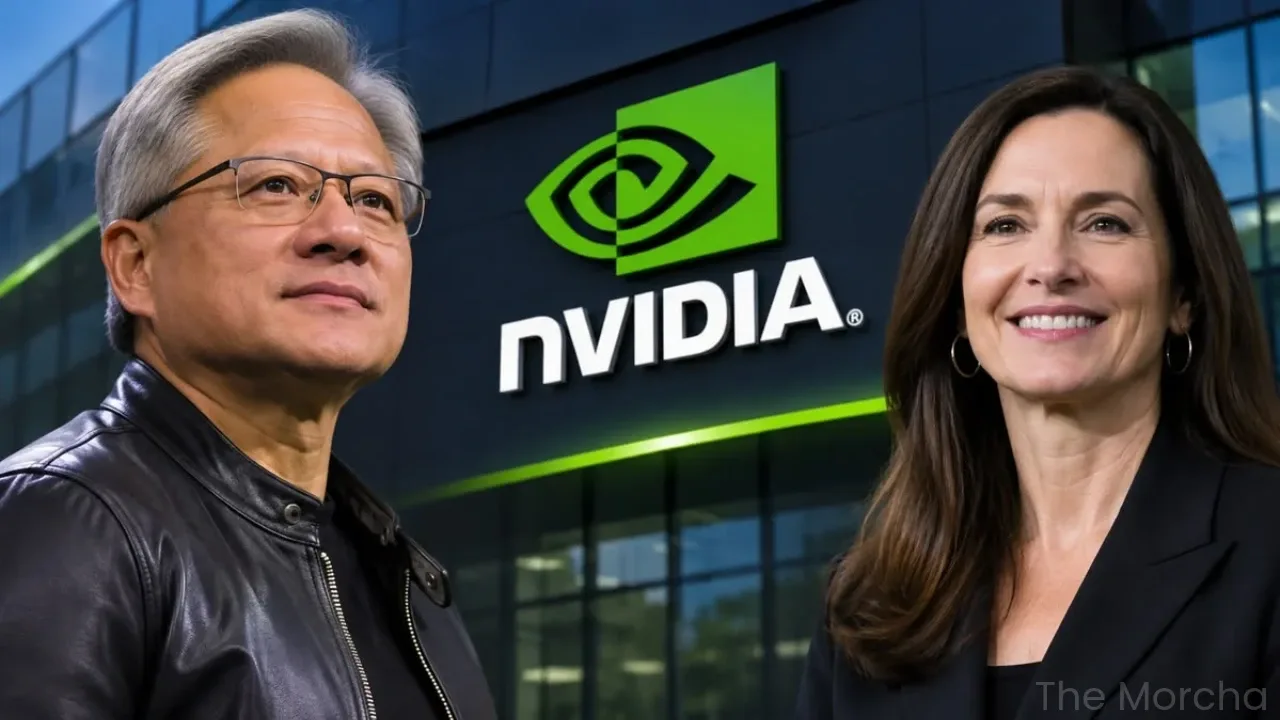
Nvidia Leadership Shakeup, Jensen Huang Resignation, Nvidia CEO News 2026, Jensen Huang Steps Down, Nvidia AI Strategy, Nvidia Open-Source AI, Nvidia Chip Security, US-China AI Tensions, Colette Kress Interim CEO, Artificial Intelligence Industry, Nvidia Leadership Change.
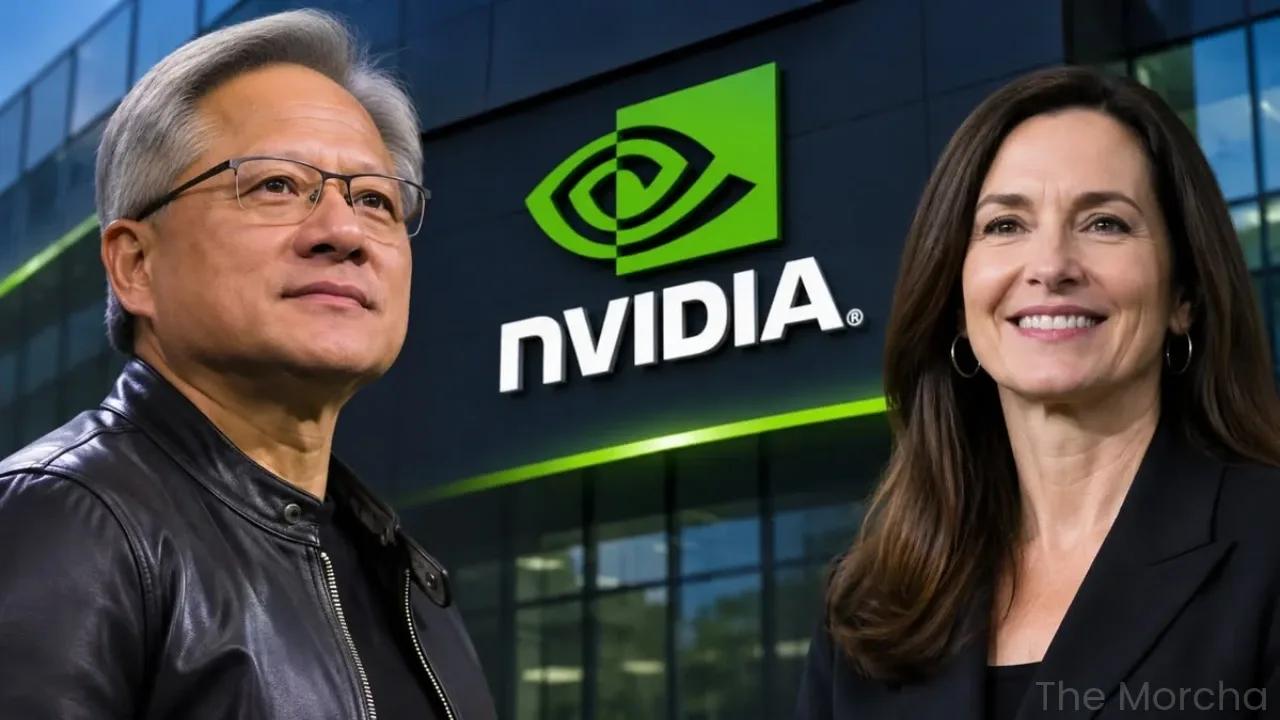
The Nvidia leadership shakeup has become one of the biggest developments in the global technology industry in November 2026. Jensen Huang, the co-founder and long-time leader of Nvidia, has stepped down as President, Chief Executive Officer (CEO), and a member of the company's Board of Directors. His sudden resignation has attracted worldwide attention, particularly because Nvidia plays a major role in the development of artificial intelligence (AI), advanced computing, and semiconductor technology. The Jensen Huang resignation comes amid controversy surrounding his personal conduct, increased scrutiny of AI chip security, and growing tensions between the United States and China over advanced semiconductor exports. Following his departure, Nvidia appointed Chief Financial Officer Colette Kress as Interim CEO. Despite the unexpected leadership change, the company has reassured developers, investors, and business partners that its commitment to open-source AI development remains unchanged. This development raises important questions about Nvidia's future leadership, corporate governance, AI innovation, and position in the global technology market.
What Happened in Nvidia's Leadership Shakeup?
On November 12, 2026, Nvidia officially announced that Jensen Huang had resigned from his positions as President, CEO, and Board member, effective immediately.
The announcement surprised the technology industry because Huang had been closely associated with Nvidia's identity, growth, and long-term business strategy for more than three decades.
According to the company's announcement, the Board accepted his resignation and appointed Colette Kress, Nvidia's existing Executive Vice President and Chief Financial Officer, as Interim CEO.
The company also appointed Harvey C. Jones as its first-ever Chairman of the Board. The board confirmed that it would begin searching for a permanent CEO, considering both internal and external candidates.
Nvidia stated that its business operations, customer commitments, and product development roadmap would continue without interruption.
This leadership transition represents a significant moment for Nvidia, particularly because the company has spent years building its position as one of the world's most influential technology businesses.
Why Did Jensen Huang Step Down From Nvidia?
Jensen Huang's departure followed disclosures about personal conduct that raised concerns within Nvidia's leadership and boardroom.
Reports surrounding the controversy included allegations of extramarital relationships, including a reported relationship with a woman associated with Singapore-based technology company Megaspeed. US authorities have reportedly examined concerns that the woman may have had connections with Chinese intelligence.
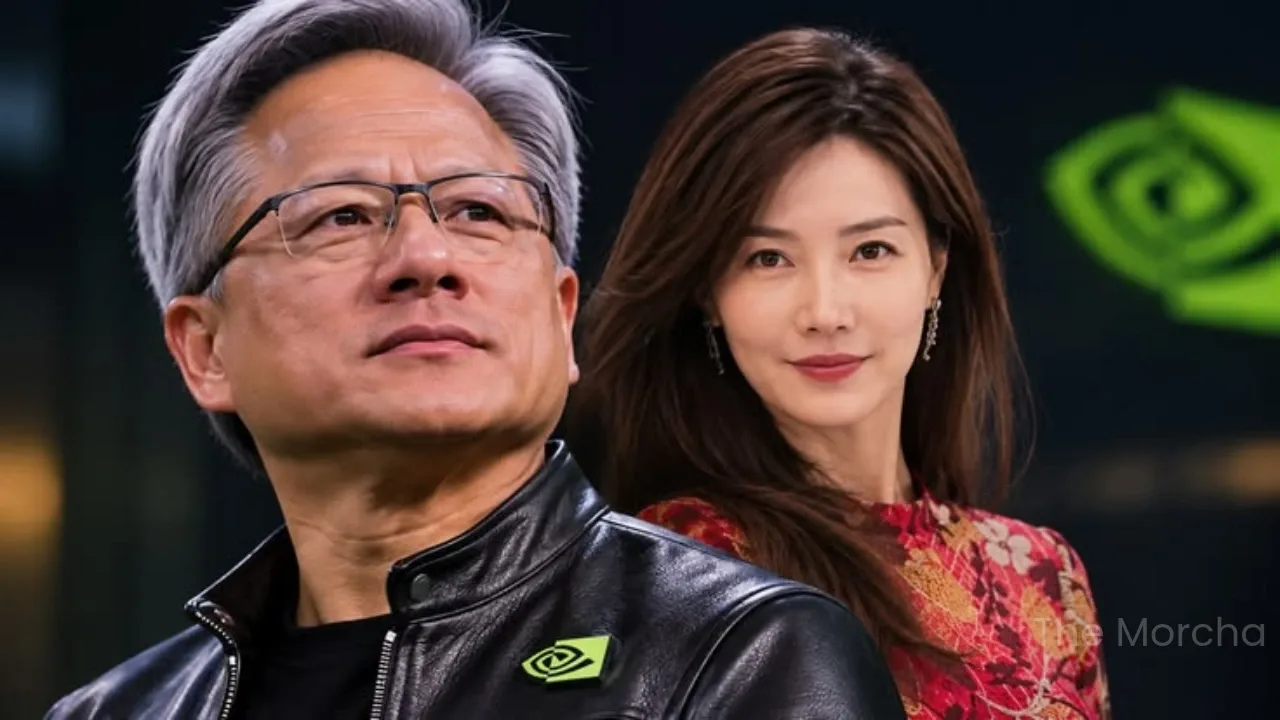
However, these allegations should not be treated as established proof of espionage. The claims remain subject to investigation, and the Chinese government has rejected allegations concerning intelligence involvement.
The controversy became particularly sensitive because of Nvidia's position in the semiconductor industry and its business activities involving international markets.
Questions were also raised about potential conflicts of interest, corporate responsibilities, and whether sensitive business relationships could create national security concerns.
Nvidia's board had already initiated an independent investigation before Huang's resignation. The situation placed additional pressure on the company's leadership and raised questions about corporate governance.
The board's decision to accept his resignation demonstrated the importance of professional conduct, transparency, and accountability at the highest levels of corporate management.
Sources: Reuters and WIRED reporting, November 2026.
Who Is Colette Kress? Nvidia's New Interim CEO
Following Jensen Huang's resignation, Nvidia appointed Colette Kress as its Interim Chief Executive Officer.
Kress is not a newcomer to the company. She has served as Nvidia's Executive Vice President and Chief Financial Officer since September 2013.
Before joining Nvidia, she spent nearly 25 years working in financial leadership positions at major technology companies, including Cisco and Microsoft.
Her experience in financial management, corporate planning, business operations, and strategic decision-making makes her an important figure during this transition.
As Interim CEO, her responsibilities include maintaining business stability, supporting employees, managing investor expectations, and ensuring that Nvidia continues executing its technology roadmap.
One of her biggest challenges will be maintaining confidence among investors and business partners while the company deals with leadership uncertainty and increased regulatory attention.
The board has also started searching for a permanent CEO who can lead Nvidia through its next stage of growth.
Kress has already indicated that the company will continue focusing on accelerated computing, artificial intelligence, and its wider developer ecosystem.
Nvidia's Open-Source AI Plans Remain Unchanged
One of the most important questions following Huang's resignation was whether Nvidia would change its approach towards open-source artificial intelligence.
Huang had strongly supported open AI models and believed that making AI technologies more accessible could encourage innovation, competition, and wider adoption.
Many developers and technology companies were concerned that his departure might affect Nvidia's investment in open-source AI projects.
However, Nvidia's Interim CEO Colette Kress addressed these concerns during the company's November 17 earnings call.
She reaffirmed Nvidia's commitment to building a strong open-model ecosystem, allowing countries, businesses, and developers to develop their own AI capabilities.
The company also indicated that its plans involving Hugging Face remain on track.
Hugging Face is a major platform that allows developers to discover, share, and work with AI models and datasets. Nvidia's proposed acquisition of the platform, announced earlier in 2026, is an important part of its broader AI ecosystem strategy.
Another important development involves Nvidia's Nemotron family of open-weight AI models. These models support developers working on reasoning systems, AI agents, and other advanced applications.
Kress also highlighted the growing adoption of open AI models, demonstrating that Nvidia sees this ecosystem as an important part of the industry's future.
Her announcement provides reassurance that the leadership change will not immediately alter Nvidia's open-source AI direction.
Source: TechCrunch, November 17, 2026.
US-China Tensions and Nvidia's AI Chip Security Concerns
The Nvidia leadership shakeup is also connected to growing tensions between the United States and China over advanced semiconductor technology.
AI chips are among the most strategically important products in modern technology. They provide the computing power required to train advanced AI models, operate large data centres, and support complex research.
Nvidia is one of the world's leading suppliers of these processors, making its international business activities particularly important to governments. The United States has introduced export restrictions on certain advanced semiconductor products to limit China's access to technologies that could strengthen its military and strategic capabilities.
These restrictions have created challenges for Nvidia because China represents an important potential market for advanced computing products. The situation has become more complicated following investigations and reports concerning the possible movement of restricted Nvidia chips through third-party countries.
Singapore-based business relationships and concerns about potential diversion of advanced chips have attracted additional attention from US authorities. These developments have raised questions about how semiconductor companies should manage international customers, supply chains, and regulatory responsibilities.
Nvidia must now balance commercial opportunities with national security requirements and international trade regulations. The situation also highlights how closely artificial intelligence, global politics, and semiconductor manufacturing have become connected.
6. How Could the Leadership Change Affect Nvidia's AI Business?
Jensen Huang played an important role in shaping Nvidia's business strategy and technological direction. Under his leadership, Nvidia transformed from a company primarily associated with graphics processing units (GPUs) and gaming technology into a major provider of AI computing infrastructure.
Its GPUs are widely used in data centres, scientific research, machine learning, autonomous systems, and generative AI applications. The company's CUDA software ecosystem has also helped establish a strong relationship with developers and technology businesses.
However, leadership transitions at major technology companies can create uncertainty. Some investors may question whether Nvidia can maintain its innovation speed without the founder who guided its growth for 33 years.
Technology partners may also pay closer attention to future product announcements, investment decisions, and long-term business commitments. At the same time, Nvidia has an experienced management team, established customer relationships, and significant technological resources.
These factors could help the company maintain operational stability during the transition. The biggest challenge will be ensuring that the company's long-term vision remains consistent while strengthening governance and rebuilding confidence among stakeholders.
7. What Does This Mean for Nvidia Investors and the Stock Market?
Nvidia remains one of the most closely watched companies in the stock market, attracting significant attention from investors around the world. Its performance is often viewed as an important indicator of the broader artificial intelligence industry.
Therefore, any major leadership development involving the company can attract considerable attention from institutional investors, individual shareholders, and financial analysts. Huang's resignation introduced uncertainty about the company's future leadership and raised questions about how the board would manage the transition.
However, investors also evaluate Nvidia based on its revenue, profitability, product demand, competitive position, and future growth opportunities. According to recent reporting, Nvidia generated approximately $115.8 billion in third-quarter fiscal 2027 revenue, demonstrating the continuing strength of demand for its AI computing products.
This financial performance is an important reminder that the leadership controversy and the company's underlying business performance are two different factors.
Investors will closely monitor several developments:
The appointment of Nvidia's permanent CEO.
Future financial results and revenue forecasts.
Demand for advanced AI processors.
Progress in open-source AI development.
Regulatory investigations and export restrictions.
Nvidia's relationships with major international customers.
Although leadership uncertainty can influence investor sentiment, the company's long-term performance will depend on its ability to maintain technological leadership and business growth.
8. Nvidia's Future: Competition, Innovation and Corporate Governance
The future of Nvidia will depend on more than its leadership structure. The artificial intelligence industry is becoming increasingly competitive, with technology companies investing heavily in advanced chips, data centres, and AI infrastructure.
Major competitors, including AMD and other semiconductor manufacturers, are working to develop alternatives to Nvidia's GPUs. At the same time, large technology companies are exploring custom AI processors to reduce their dependence on external chip suppliers.
This creates pressure on Nvidia to continue improving performance, energy efficiency, software compatibility, and overall computing capabilities. Open-source AI is another important area of competition.
By supporting open models and developer communities, Nvidia can encourage more businesses and individuals to build AI applications using its technology. The proposed Hugging Face acquisition and continued development of Nemotron models could strengthen this strategy.
Corporate governance will also become increasingly important. Nvidia must demonstrate that its leadership decisions, international business relationships, and security policies follow strong professional standards.
A successful transition will require a balance between technological innovation, responsible management, regulatory compliance, and long-term business planning.
What Should We Expect Next?
The coming months will be important for understanding Nvidia's direction after Jensen Huang's departure. The company will need to complete its search for a permanent CEO and communicate a clear strategy to investors, developers, customers, and employees.
Regulatory investigations and questions surrounding semiconductor exports may also influence its international operations. Another important development will be the progress of Nvidia's open-source AI initiatives.
If the company continues supporting Nemotron, its developer ecosystem, and the proposed Hugging Face acquisition, it could demonstrate that its AI strategy is not dependent on one individual.
The market will also watch how the company responds to increasing competition and changing global semiconductor regulations. Ultimately, Nvidia's ability to maintain its position will depend on its leadership quality, technological innovation, and capacity to adapt to a rapidly changing AI industry.
The Nvidia leadership shakeup marks a historic turning point for one of the world's most influential technology companies. Jensen Huang's resignation as President, CEO, and Board member has created uncertainty, but it has also highlighted the importance of corporate accountability, responsible leadership, and national security in the artificial intelligence industry.
With Colette Kress serving as Interim CEO, Nvidia is working to maintain business stability while continuing its investments in AI infrastructure, open-source models, and advanced computing. The company's reassurance regarding its open-source AI plans is particularly important for developers and businesses that depend on its technology.