
Milk Price Hikes: Amul and Mother Dairy Increase Milk Prices by ₹2–4 Per Litre – Impact on Consumers and Dairy Market.
Nisha10 min read
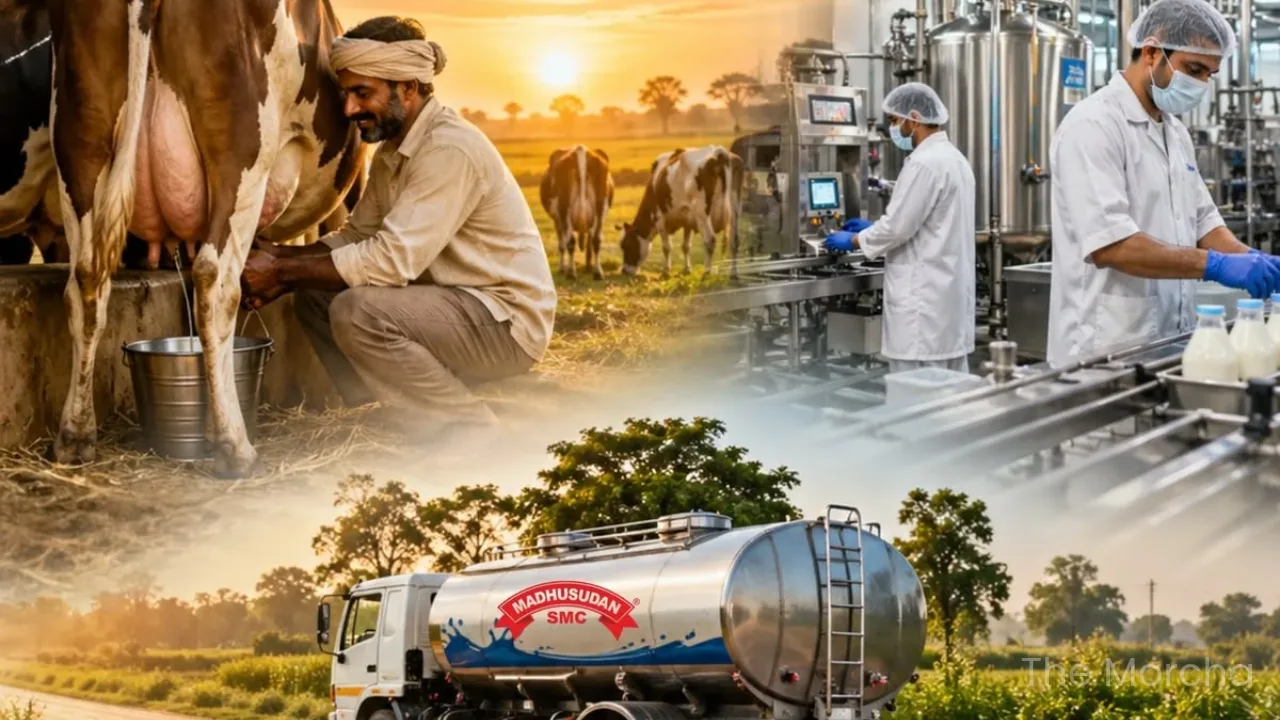
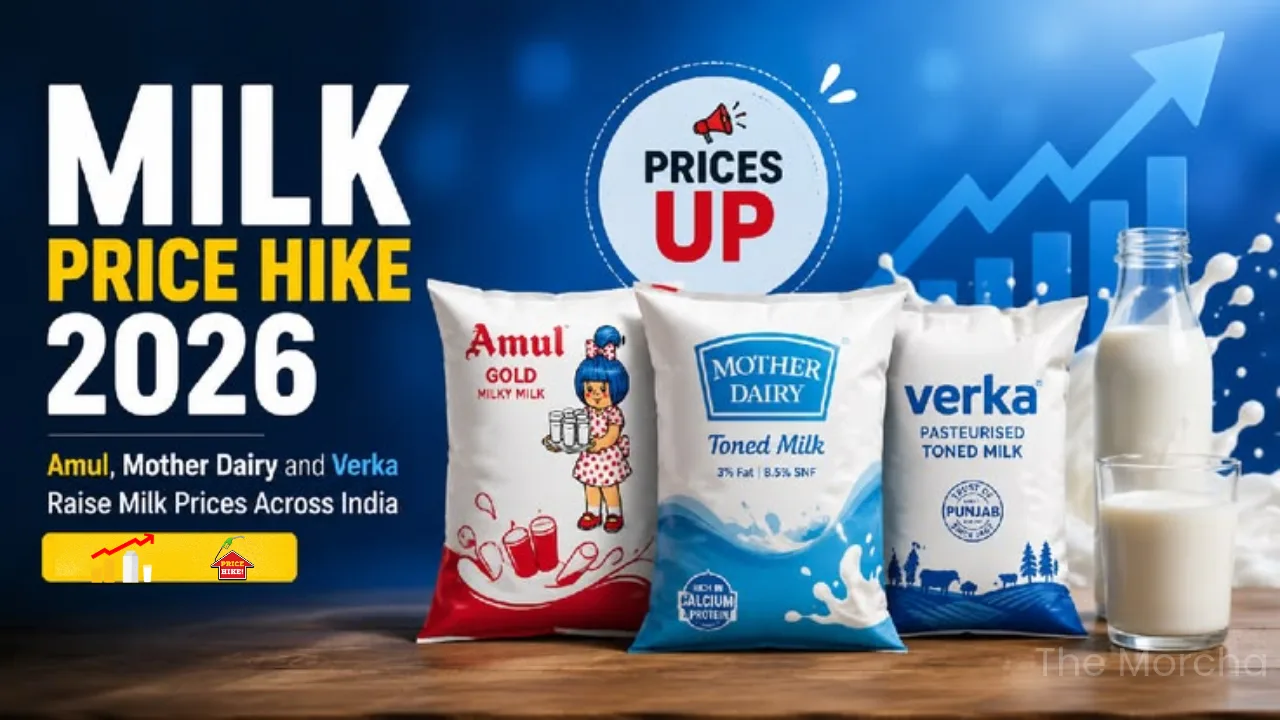
Amul and Mother Dairy milk price hikes of ₹2–4 per litre have raised concerns among Indian consumers. Understand the reasons behind rising milk prices, their impact on household budgets, and what it means for India's dairy industry.
Milk price hikes in India have become an important concern for households as leading dairy brands, including Amul and Mother Dairy, have reportedly increased milk prices by ₹2–4 per litre. The rise in Amul milk prices and Mother Dairy milk prices is particularly significant because milk is an essential part of everyday consumption in Indian homes.
From morning tea and coffee to children's nutrition, sweets, curd, paneer and other dairy products, milk plays an important role in daily life. Even a small increase in its price can affect monthly household budgets, especially for families that purchase milk regularly. The milk price increase in India also brings attention to the challenges faced by dairy farmers, rising cattle-feed costs, transportation expenses and the overall economics of the dairy industry.
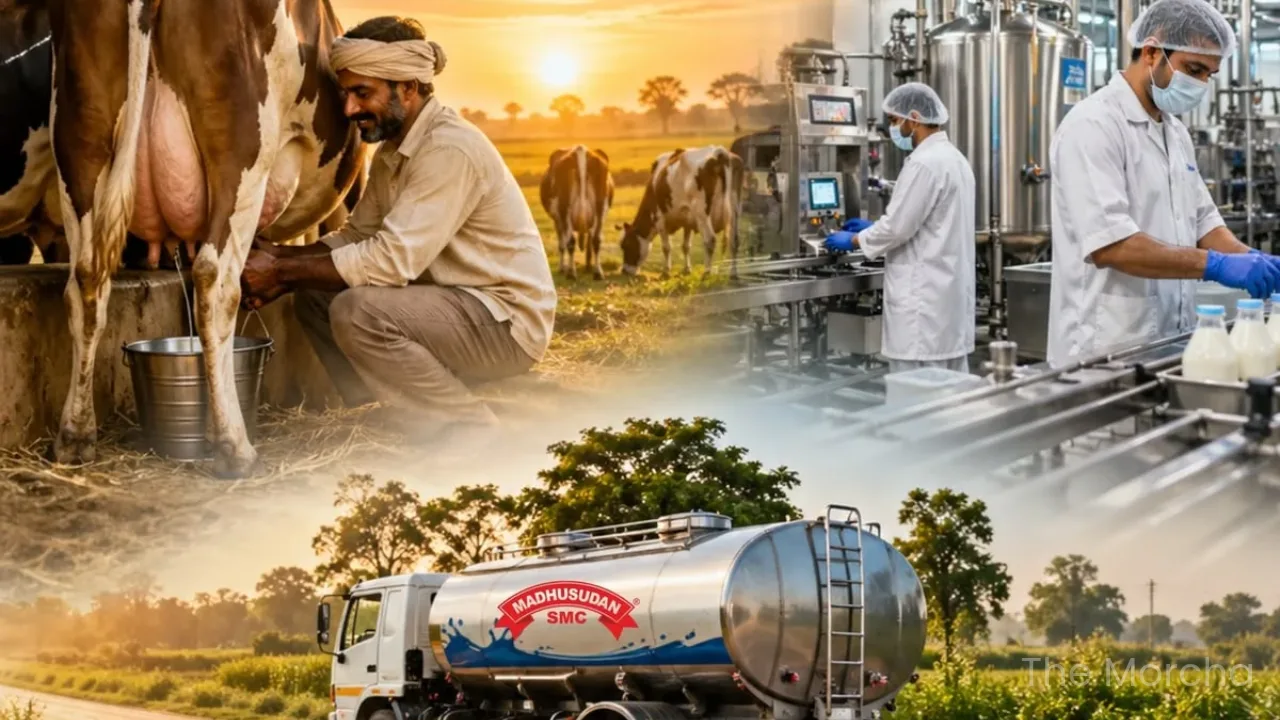
What Has Changed in Amul and Mother Dairy Milk Prices?
The latest milk price revision came into effect on November 12, 2026. Both dairy companies announced an increase of ₹2–4 per litre, although the geographical coverage and product prices differ.
Amul milk price increase
The Gujarat Cooperative Milk Marketing Federation (GCMMF), which markets milk under the Amul brand, announced a price increase of approximately 4–5% across major fresh pouch milk variants and pack sizes across India.
The revised prices include:
Amul Taaza: Increased by ₹2 per litre, taking the price to ₹62 per litre.
Amul Gold: Increased by ₹4 per litre, taking the price to ₹80 per litre.
Amul Taaza is a toned milk variant containing 3% milk fat, while Amul Gold is a full-cream milk variant containing 6% milk fat.
The company explained that the increase was necessary because of higher milk production, processing, packaging and transportation expenses. It also highlighted the need to provide better procurement prices to dairy farmers.
Mother Dairy milk price increase
Starting November 12, 2026, Mother Dairy introduced a price increase of ₹2–4 per litre across its range of liquid milk products. However, its reported revision applies to the Delhi-NCR market, unlike Amul's nationwide fresh pouch milk revision.
Here is a comparison of the revised Mother Dairy prices in Delhi-NCR:
Milk Variant Old Price New Price
Toned Milk (Bulk Vended) ₹58 ₹60
Toned Milk (Pouch) ₹60 ₹62
Double Toned Milk ₹54 ₹56
Cow Milk ₹62 ₹65
Full Cream Milk ₹72 ₹76
Prices per litre. Source: Business Standard, November 12, 2026.
The price changes affect different categories of consumers depending on the type of milk they purchase. Families buying full-cream milk will experience a higher increase than those purchasing toned or double-toned milk.
Why Have Amul and Mother Dairy Increased Milk Prices?
Milk prices do not depend only on the amount of milk produced by dairy farmers. Several factors influence the final retail price, including animal feed, fodder, labour, transportation, packaging and processing.
The latest price increase reflects the growing cost of running dairy operations.
A. Rising cattle feed costs
Cattle feed is one of the major expenses for dairy farmers. Animals require a balanced diet to maintain their health and produce milk.
Common cattle-feed ingredients include:
Oil cakes
Maize
Wheat bran
Molasses
Other nutritional supplements
When the prices of these ingredients increase, farmers have to spend more money on maintaining their animals.
Amul has specifically identified higher costs of cattle-feed ingredients as one of the reasons behind its latest price revision.
Mother Dairy has also reported that cattle-feed prices have increased by approximately 10% over the past year. These additional expenses make milk production more expensive for dairy farmers.
B. Increase in green and dry fodder prices
Fodder is another essential requirement for dairy animals. Green fodder provides nutrition, while dry fodder is also an important part of cattle diets.
According to Mother Dairy, uneven monsoon conditions in several parts of the country have affected fodder availability. As a result, the prices of green and dry fodder have increased by up to 20%.
Low and uneven rainfall can affect the availability of agricultural resources and increase the cost of feeding dairy animals.
Higher fodder expenses mean farmers have to invest more in producing milk, increasing their overall production costs. This creates additional pressure on dairy companies that purchase milk from farmers.
C. Higher transportation and fuel expenses
Milk is a perishable product that requires proper handling, storage and transportation. It must reach collection centres, processing facilities, distribution networks and retail outlets without compromising quality.
Diesel and other transportation-related expenses play an important role in this supply chain.
An increase in fuel prices and transportation costs can affect the entire dairy distribution system.
Dairy companies also need refrigerated vehicles and proper storage facilities to maintain milk quality during transportation. Therefore, higher operational expenses can eventually influence the retail price consumers pay.
D. Increasing packaging costs
Packaging is another important part of the dairy business. Milk is commonly sold in plastic pouches and other packaging formats that require specialised materials.
Amul has mentioned the increased cost of milk packaging film as one of the factors behind its decision.
Mother Dairy has also reported that packaging, transportation and other operational costs have increased by up to 25% amid inflationary pressures.
These expenses may appear small individually, but they become significant when dairy companies handle millions of litres of milk every day.
How Will the Milk Price Hike Affect Common Households?
Milk is a regular household purchase in India. Unlike many other products, families cannot always reduce their milk consumption immediately because it is used for everyday food preparation and nutrition.
Even a ₹2 increase per litre can make a difference over a month.
Consider a family that purchases two litres of milk every day.
Particulars Earlier After ₹2 Hike
Daily milk expense ₹120 ₹124
Monthly expense (30 days) ₹3,600 ₹3,720
Additional monthly cost — ₹120
If the increase is ₹4 per litre, the same family will spend an additional ₹240 per month.
For households purchasing three or four litres daily, the additional expense will be even higher.
The impact may be more noticeable for large families, households with children and people who regularly prepare milk-based products at home.
Impact on tea and coffee consumption
Tea and coffee are consumed daily in millions of Indian households. Milk is an essential ingredient in traditional milk tea and several coffee preparations.
Although the price increase per cup may be small, households that prepare tea multiple times a day may notice the difference in their monthly grocery spending.
Impact on children and families
Milk is commonly included in children's daily diets and is used to prepare breakfast, shakes, desserts and other food items.
Parents who purchase milk regularly may have to adjust their monthly grocery budgets to manage the increased expense.
However, families should make food choices according to their nutritional needs rather than making unnecessary changes simply because prices have increased.
Impact on senior citizens
Many senior citizens include milk in their daily diet. For households with elderly members, regular milk consumption can make the price increase another expense to consider while managing monthly budgets.
Overall, the latest revision highlights how changes in essential food prices can affect different sections of society.
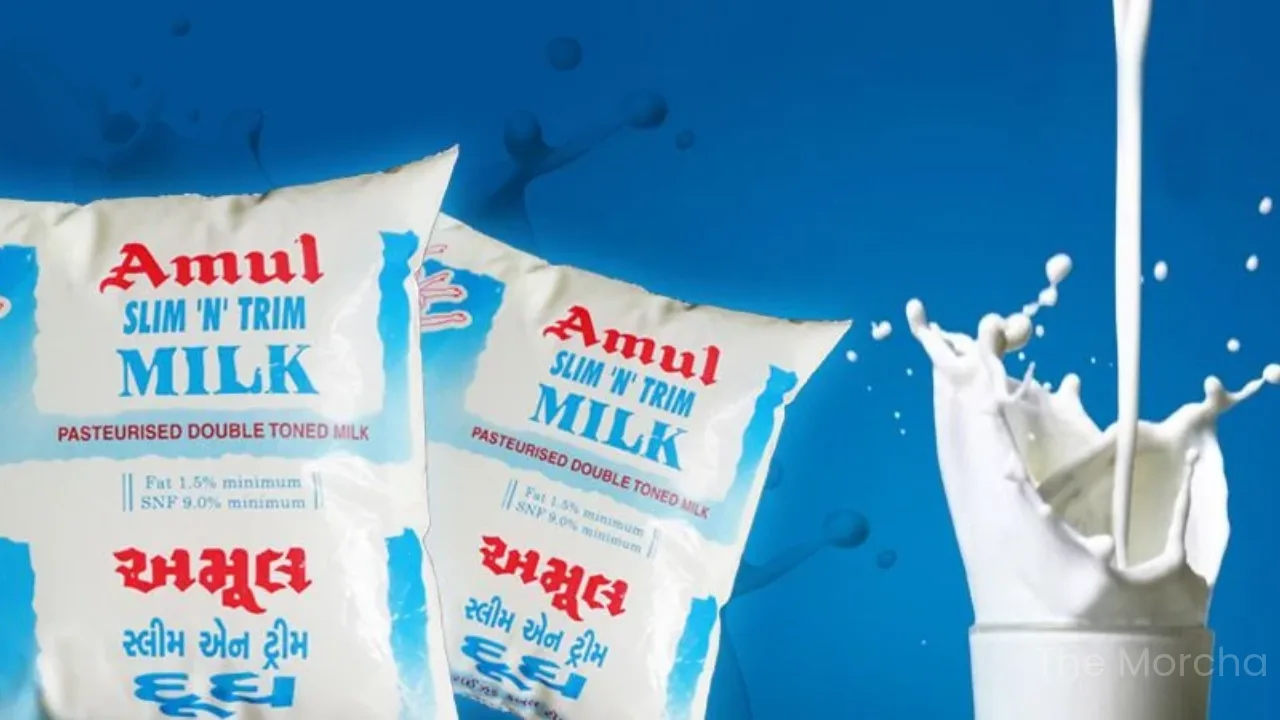
What Does the Price Increase Mean for Dairy Farmers?
While consumers are concerned about higher milk prices, dairy farmers also face financial challenges.
Milk production involves several regular expenses, including animal feed, fodder, veterinary care, labour, electricity and animal maintenance. When these costs increase, farmers need better returns to maintain their dairy businesses.
Amul follows a cooperative business model that brings dairy farmers together and supplies their milk to consumers. According to the Gujarat Cooperative Milk Marketing Federation, approximately 80% of the revenue collected through its cooperative structure is returned to its 36 lakh milk producers.
The federation also stated that its member unions had increased milk procurement prices paid to farmers by 4–5% over the previous year.
This is an important part of understanding the latest price revision. The increase in retail prices is not simply a decision to make milk more expensive for consumers. It is also connected to the financial requirements of farmers and the cost of maintaining a reliable milk supply chain.
For dairy farmers, better procurement prices can help cover increasing production expenses and encourage continued milk production.
Could the Milk Price Hike Increase Food Inflation in India?
Milk is a regular part of the daily diet for millions of people across India. Therefore, changes in milk prices can contribute to pressure on household food expenses.
However, the impact is not limited to people who purchase packaged milk.
Milk is also used as a raw material by several food businesses, including:
Sweet shops and confectionery businesses
Restaurants and hotels
Tea and coffee shops
Bakeries
Ice cream manufacturers
Paneer and dairy product manufacturers
When the cost of milk increases, businesses that depend on it may experience higher production expenses.
For example, a sweet shop uses milk to prepare products such as rasmalai, rabri, kalakand and other traditional Indian sweets. If the cost of milk and other ingredients increases, the business may have to absorb the additional expense or revise its product prices.
Similarly, restaurants and cafes may face higher expenses for milk-based beverages, desserts and food preparations.
This does not mean that every business will immediately increase its prices. The final decision depends on production costs, competition, profit margins and customer demand.
According to Business Standard, India's food inflation stood at 7.74% in September 2026, compared with 5.97% in the previous month. The latest milk price increase adds another cost consideration for households and food businesses.
How Can Consumers Manage Their Monthly Milk Expenses?
With milk prices increasing, consumers may want to manage their household budgets more carefully. Although milk is an essential product for many families, a few simple practices can help control unnecessary spending.
1. Purchase according to daily requirements
Families should estimate their regular milk consumption and purchase quantities accordingly. Buying more milk than necessary can lead to wastage, particularly when proper storage is unavailable.
2. Compare different milk variants
Amul and Mother Dairy offer different milk variants, including full-cream, toned and double-toned milk. Consumers can compare their nutritional requirements, fat content and prices before choosing a product.
3. Avoid unnecessary wastage
Proper refrigeration and timely consumption can help prevent milk from spoiling. Using milk efficiently in everyday cooking can also reduce wastage.
4. Plan your monthly grocery budget
Since milk is a recurring expense, families can calculate their monthly requirements and include the revised prices in their household budgets.
5. Check prices before purchasing
Consumers should check the latest MRP printed on milk packaging because prices can vary according to the brand, product variant, pack size and market.
These small steps can help households manage their grocery expenses without compromising their regular food requirements.
What Is the Future of India's Dairy Industry?
India has one of the world's largest dairy industries, with milk production playing an important role in agriculture, rural employment and the country's food supply.
The dairy sector connects millions of farmers, milk collection centres, processing companies, distributors and retailers.
Companies such as Amul and Mother Dairy have an important role in this ecosystem. Their operations depend on maintaining a balance between affordable consumer prices and fair returns for milk producers.
Going forward, several factors will influence the industry's growth and pricing decisions.
Better animal nutrition: Improving the availability and affordability of quality cattle feed can help farmers manage production expenses.
Improved dairy infrastructure: Better milk collection, chilling, storage and transportation facilities can reduce wastage and improve supply-chain efficiency.
Technology in dairy farming: Modern dairy management systems can help farmers monitor animal health, milk production and feeding requirements.
Sustainable farming practices: Efficient water management, improved fodder cultivation and responsible resource utilisation can support long-term dairy production.
Fair prices for farmers: Maintaining a sustainable procurement price is important for protecting farmers' incomes and encouraging them to continue dairy farming.
The industry's future will depend on how effectively companies, farmers and policymakers address these challenges while ensuring that milk remains accessible to consumers.

Will Milk Prices Increase Further?
At present, there is no confirmed announcement establishing another nationwide Amul or Mother Dairy milk price increase after the November 12 revision.
Future price changes will depend on several factors, including milk procurement rates, cattle-feed prices, fodder availability, weather conditions, fuel expenses and packaging costs.
Seasonal changes can also influence milk production and supply. If production expenses continue to rise, dairy companies may face additional pressure on their operating costs.
However, it would be incorrect to assume that another price increase is certain. Consumers should follow official announcements from dairy companies rather than relying on rumours or unverified information.
The November 2026 revision demonstrates how changes in agricultural input costs can eventually reach everyday consumers.
The latest milk price hikes by Amul and Mother Dairy have brought attention to the increasing cost of essential food products in India. Effective November 12, 2026, Amul increased fresh pouch milk prices by ₹2–4 per litre across major variants nationwide, while Mother Dairy revised its liquid milk prices by ₹2–4 per litre in Delhi-NCR.
The increase reflects several challenges faced by the dairy industry, including rising cattle-feed and fodder prices, transportation expenses, packaging costs and higher milk procurement rates.
For consumers, the revision means additional monthly expenses. For dairy farmers, better procurement prices can provide support in managing rising production costs.
The main challenge for India's dairy industry is to maintain a balance between affordable milk prices for consumers and sustainable earnings for farmers. As milk remains an essential part of everyday life, the decisions made by dairy companies will continue to influence households, businesses and the wider agricultural economy.