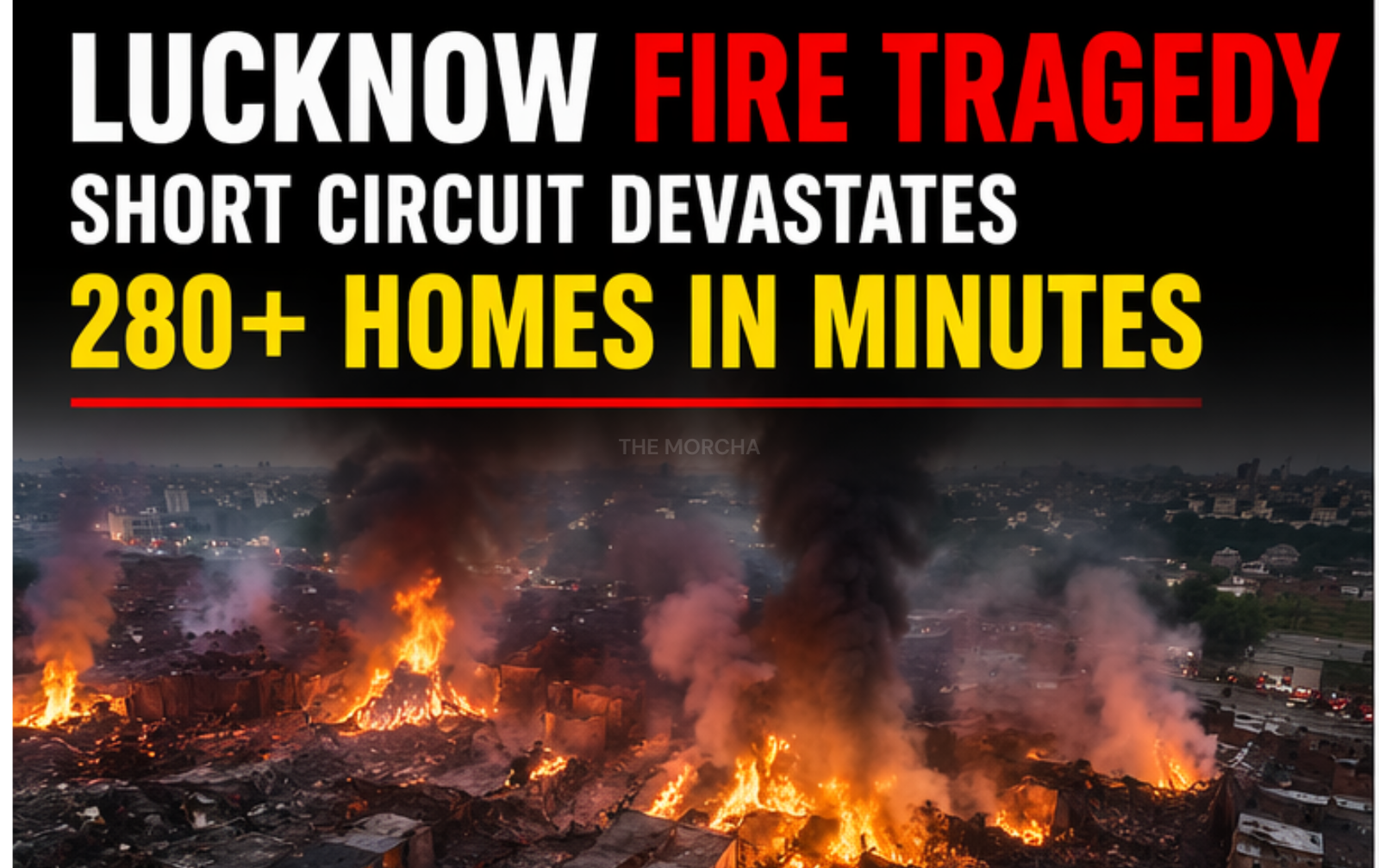
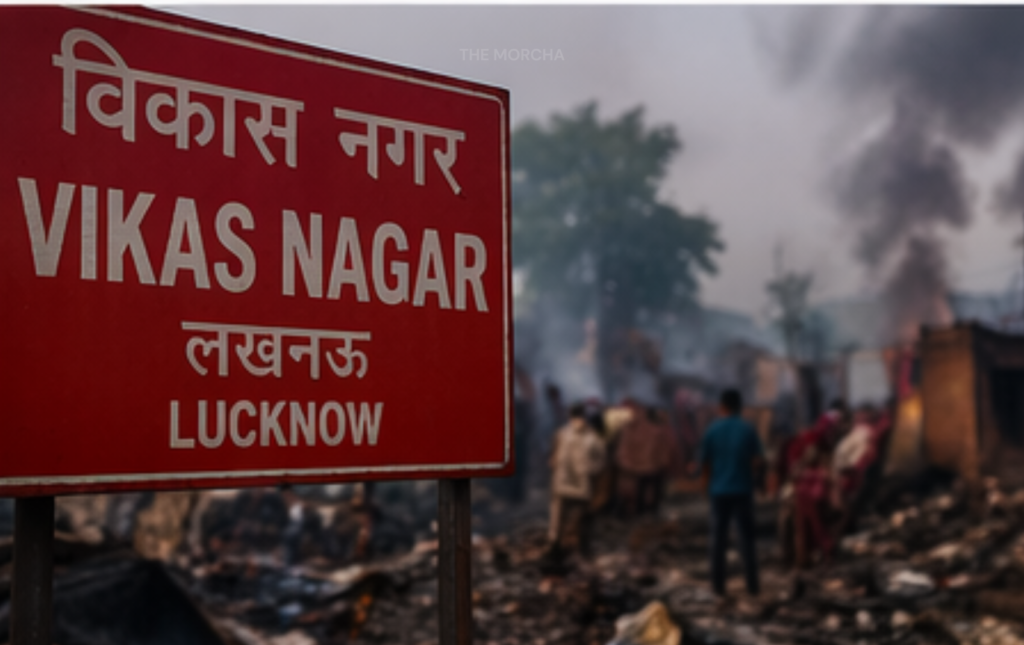
Lucknow Fire Tragedy Short Circuit Devastates 280+ Homes in Minutes incident in Lucknow’s Vikas Nagar area stands as one of the most heartbreaking and large-scale urban disasters witnessed in recent times, exposing the harsh realities faced by people living in densely populated settlements. What initially appeared to be a minor electrical issue soon escalated into a massive and uncontrollable blaze that engulfed the entire locality within minutes.

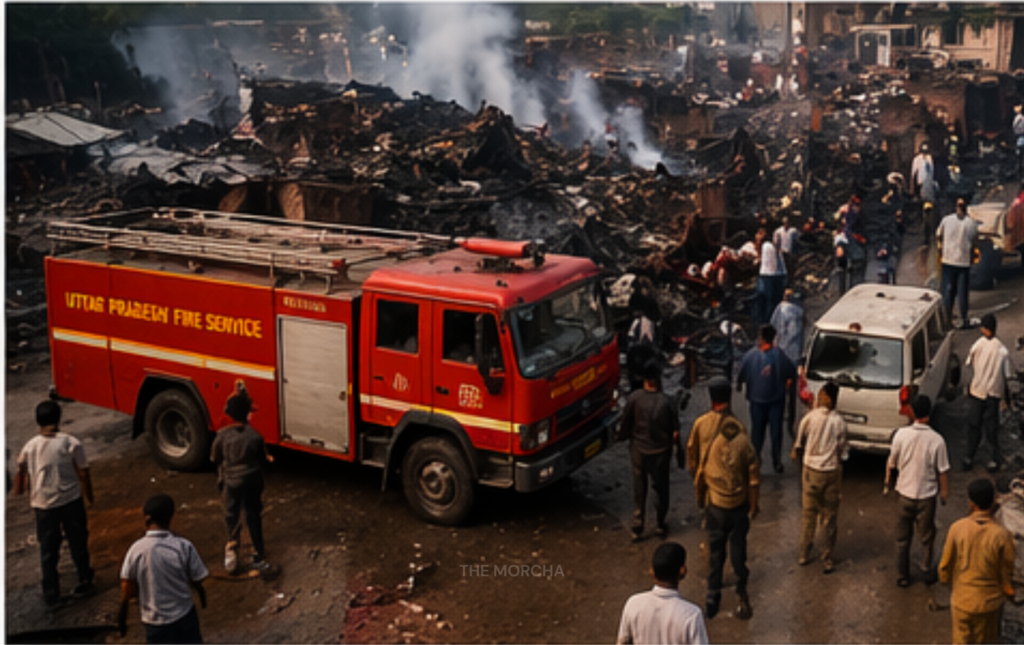
The fire spread so rapidly that more than 280 houses were completely reduced to ashes, leaving behind nothing but debris, smoke, and shattered lives. Over 1,000 migrant workers, many of whom had spent years building their livelihoods, suddenly found themselves without shelter, security, or basic necessities, forcing them into immediate survival conditions. The magnitude of this tragedy has deeply shocked not only the residents of Lucknow but also people across the country, raising serious questions about safety infrastructure, urban planning, and emergency preparedness in such vulnerable areas.
Table of Contents
Lucknow Fire Tragedy Short Circuit Triggered Disaster
According to early reports and eyewitness accounts, the fire is believed to have started due to a short circuit, which is one of the most common causes of fire outbreaks in densely populated areas with poor electrical infrastructure. In localities like Vikas Nagar, many houses rely on temporary or unauthorized wiring systems that are often poorly maintained and heavily overloaded due to excessive electricity usage and unsafe connections.
These fragile systems are highly susceptible to sparks, especially during voltage fluctuations or overheating of wires during peak hours. A single spark, in such conditions, can ignite nearby flammable materials almost instantly and spread unpredictably. Due to the lack of regular inspections and safety awareness, such risks often go unnoticed until they result in major disasters like this one.
How Flames Spread Within Minutes
One of the most alarming aspects of the incident was the speed and intensity with which the fire spread across the settlement, leaving residents with almost no reaction time. The houses in the area were constructed extremely close to each other, with little to no gaps or firebreaks in between to stop the flames. This allowed the fire to travel quickly from one structure to another, creating a dangerous chain reaction that was nearly impossible to control. Additionally, many homes were built using materials such as wood, plastic sheets, bamboo, and other highly flammable substances, which further fueled the fire’s intensity and destruction. Environmental factors like wind may have also contributed significantly to the rapid spread, worsening the situation further.
Residents Running to Save Their Lives
As the fire spread uncontrollably, panic and chaos gripped the entire neighborhood, creating an atmosphere of fear and confusion among residents. People suddenly found themselves surrounded by flames and thick smoke, forcing them to react instantly without thinking about their belongings or valuables. Residents rushed out of their homes in desperation, shouting warnings and trying to alert others in the vicinity to escape quickly. The narrow and congested lanes made evacuation extremely difficult, leading to overcrowding, pushing, and confusion among fleeing families. Many families were separated in the chaos, and individuals had no choice but to abandon everything in order to save their lives and protect their loved ones.
Hundreds of Homes Turned to Ashes
The financial and material loss caused by the fire is immense and deeply devastating for the affected families, many of whom were already struggling economically. More than 280 homes were completely destroyed, taking with them everything the residents had worked hard to build over several years of dedication and effort. Essential household items, furniture, clothes, savings, and important documents such as identity proofs, certificates, and legal papers were all lost in the blaze. For low-income families, especially migrant workers, such losses are not easily recoverable, as they often lack insurance or financial backup systems. The destruction has left many families in a state of uncertainty, with no clear path to rebuilding their lives anytime soon.
Migrant Workers Lose Everything
The majority of the victims affected by this tragic incident were migrant workers who had moved to Lucknow in search of employment and better living opportunities for themselves and their families. These individuals often live in overcrowded settlements due to financial limitations, where safety measures are minimal or completely absent. Their homes, although small and modest, represented years of struggle, savings, and hope for a better future in the city. Losing these homes has not only deprived them of shelter but has also taken away their sense of stability, dignity, and belonging. Many of these workers now face an uncertain future, relying heavily on government support and humanitarian aid to survive daily life.
Escaping the Deadly Fire
Despite the massive scale of destruction, it is fortunate that many residents managed to escape in time, preventing a larger loss of human life and serious injuries. People acted quickly as soon as they noticed the fire, prioritizing their safety and their families over their personal belongings and possessions. Some residents displayed remarkable courage and humanity by helping their neighbors, elderly individuals, and children to evacuate safely from dangerous situations. However, the emotional impact of leaving everything behind and witnessing one’s home being destroyed right in front of their eyes is immense and unforgettable. Survival, in this case, came with the painful realization of losing almost everything they had built over many years of hard work.
Firefighters Battle the Blaze
The fire brigade responded promptly after receiving information about the incident, but the challenging layout of the area created significant obstacles for emergency teams trying to reach the affected zone. Narrow lanes and congested pathways made it difficult for fire engines to access the exact location quickly, delaying immediate firefighting efforts. Firefighters had to navigate through tight spaces while dealing with intense heat, smoke, and rapidly spreading flames that threatened nearby areas. Despite these difficulties, they worked tirelessly for several hours with determination and bravery to bring the situation under control. Their efforts were crucial in preventing the fire from spreading further and causing even greater damage to surrounding areas.
Rescue Operations in Full Action
In the aftermath of the fire, immediate rescue and relief operations were initiated by local authorities, emergency services, and supporting organizations to assist affected families. Temporary shelters were arranged to accommodate the displaced families, ensuring they had a safe place to stay during this difficult period. Essential supplies such as food, clean drinking water, clothing, and medical assistance were provided to those in need on an urgent basis. Various non-governmental organizations and volunteers also stepped forward to support the victims, offering aid, emotional support, and necessary resources. These combined efforts provided some relief to the affected families, although the road to complete recovery remains long and challenging.
Promises of Help and Investigation
Government officials and administrative authorities quickly visited the affected area to assess the extent of the damage and oversee the implementation of relief measures effectively. Announcements regarding financial compensation and rehabilitation support were made to assist the victims in rebuilding their lives with some level of stability. An official investigation into the cause of the fire has also been initiated to identify any negligence or violations of safety regulations that may have contributed to the disaster. The administration has emphasized the importance of improving infrastructure and safety measures to prevent similar tragic incidents in the future.
What People Saw and Experienced
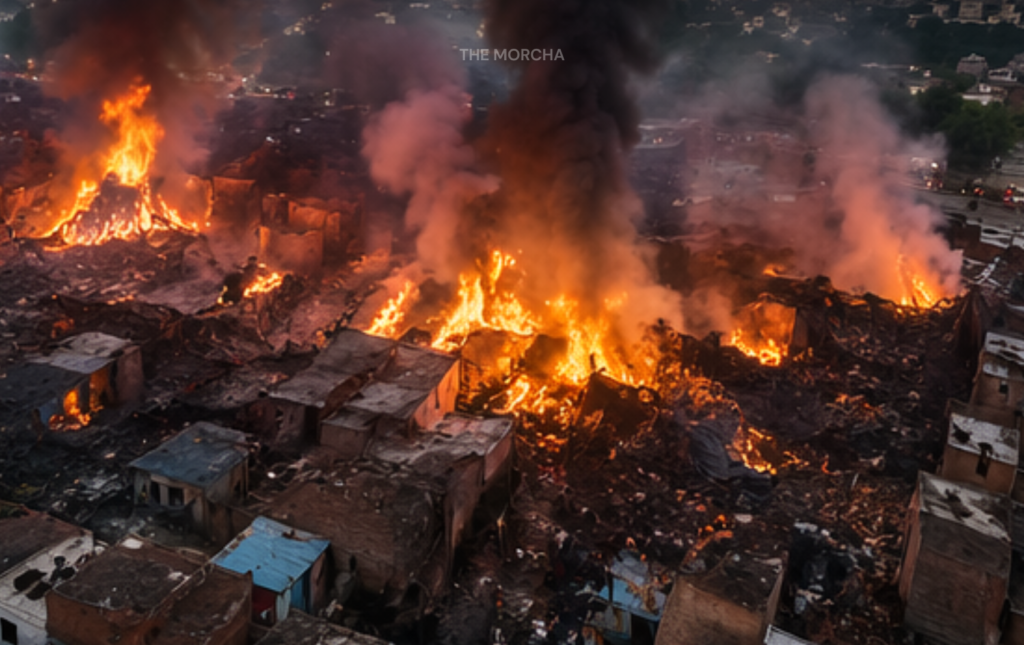
Eyewitnesses described the incident as extremely terrifying and overwhelming, stating that the fire spread so rapidly that they had no time to react properly or gather essential belongings. Many residents attempted to control the fire using basic methods like throwing water or sand, but their efforts were ineffective against the intensity of the flames. People watched helplessly as their homes, memories, and belongings were consumed by the fire within minutes without any chance of recovery. The emotional distress experienced by those who witnessed the destruction firsthand is significant and continues to affect them deeply even after the incident.
Emotional and Psychological Impact on Victims
The emotional and psychological toll of the disaster is as severe as the physical destruction it caused, deeply affecting individuals and families across the community. Families who have lost their homes are dealing with trauma, anxiety, stress, and uncertainty about their future and survival. Children, in particular, are highly vulnerable to such experiences and may face long-term emotional and psychological challenges if not supported properly. The loss of personal belongings, memories, and a sense of safety adds to the emotional burden faced by the victims, making recovery a slow and difficult process for everyone involved.
Risks in Congested Settlements
This tragic incident highlights the broader challenges associated with living in informal urban settlements, where infrastructure and safety are often compromised due to economic limitations. Overcrowding, poor construction, lack of planning, and inadequate safety measures make these areas highly prone to disasters like fires and accidents. Limited access to emergency services and poor road connectivity further increases the risk, as timely intervention becomes difficult during critical situations. Addressing these challenges requires coordinated and long-term efforts from authorities, urban planners, and local communities.
Importance of Fire Safety Measures
The incident serves as a strong and urgent reminder of the importance of implementing proper fire safety measures in residential areas, especially in densely populated and economically weaker settlements. Many such areas lack even the most basic safety infrastructure, making them highly vulnerable to disasters. Regular inspection of electrical wiring, use of certified materials, and avoiding overloaded circuits can significantly reduce the chances of fire outbreaks. Simple precautions like installing fire extinguishers, keeping sand or water nearby, and ensuring clear escape routes can save lives during emergencies. Authorities must also take responsibility by conducting routine safety audits and enforcing strict regulations. Without proper planning and awareness, such tragic incidents will continue to occur, causing massive loss of life and property.
Awareness Matters
Community awareness plays a crucial role in preventing fire-related disasters, especially in areas where formal safety systems are weak or absent. Educating residents about fire hazards, electrical safety, and emergency response can make a significant difference in reducing risks. People should be informed about the dangers of illegal wiring, overuse of electricity, and storing flammable materials inside homes. Local awareness campaigns, training sessions, and workshops can help individuals understand how to act quickly during emergencies. When communities work together and remain alert, they can identify risks early and take preventive action. Building a culture of safety and responsibility at the community level is one of the most effective ways to avoid such devastating incidents in the future.
Long-Term Rehabilitation Needs
After such a massive disaster, immediate relief is not enough; long-term rehabilitation becomes extremely important for the affected families. Thousands of people who lost their homes now need permanent shelter, stable income sources, and emotional support to rebuild their lives. Government authorities must provide financial aid, housing schemes, and employment opportunities to help victims regain stability. In addition, psychological counseling is necessary, especially for children and families who experienced trauma. Rehabilitation should not be limited to temporary shelters but should focus on sustainable development and better living conditions. Proper planning and execution of rehabilitation programs can help victims move forward and rebuild their future with dignity and confidence.
What This Tragedy Teaches Us
This tragic incident offers several important lessons that cannot be ignored if similar disasters are to be prevented in the future. One of the key takeaways is the need for better urban planning and strict enforcement of safety regulations in residential areas. Authorities must ensure that buildings follow proper safety norms and that electrical systems are regularly checked and maintained. Another important lesson is the need for coordination between government bodies, emergency services, and local communities. Preparedness, awareness, and accountability are essential in reducing risks. This tragedy highlights how small negligence can lead to massive destruction, emphasizing the importance of preventive measures at every level.
A Tragedy That Demands Change
The Lucknow Vikas Nagar fire tragedy is not just an isolated incident but a serious warning about the dangers of poor infrastructure and lack of safety awareness in urban settlements. While relief efforts provide temporary support, long-term solutions are necessary to prevent such disasters from happening again. The affected families have shown strength and resilience, but they need continuous support from society and the government to rebuild their lives.
This incident should push authorities to take stricter action on safety standards and encourage communities to adopt preventive measures. Only through collective effort, awareness, and responsibility can such heartbreaking tragedies be avoided in the future.


