
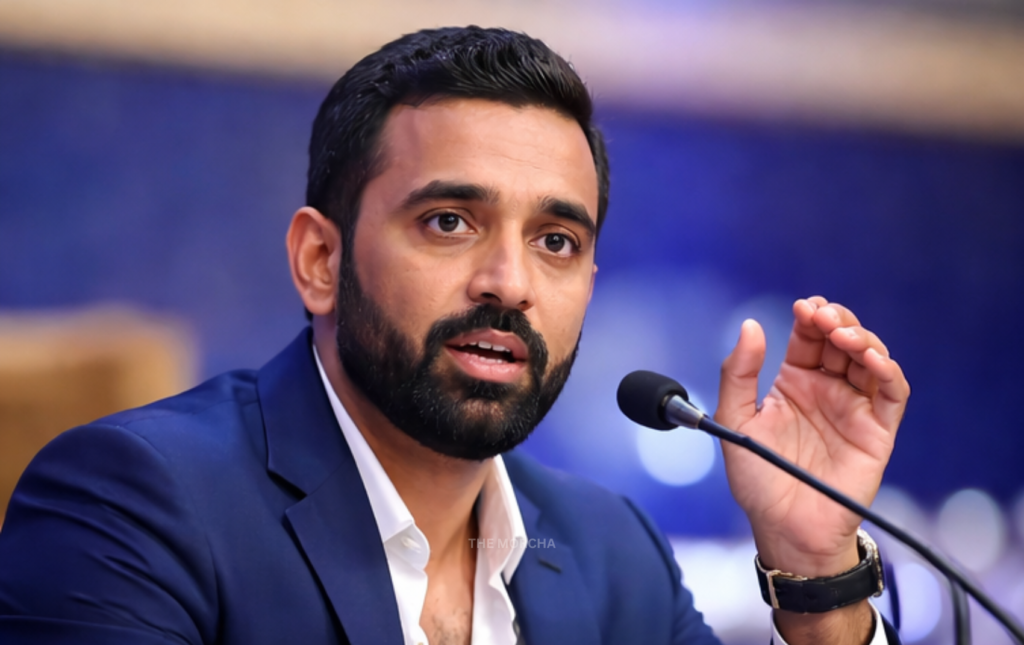
IPL auction players treated like commodities has become a major talking point after Robin Uthappa openly criticized the current IPL auction system, stating that cricketers should not be treated like items that are bought and sold in a marketplace. His statement has triggered a wider discussion across the cricketing world, raising questions about whether the auction system, despite its popularity and success, undermines the dignity of players.


The Indian Premier League is known for its glamour, financial power, and global reach, but behind the excitement lies a process where players are assigned prices and bid upon in public view. Uthappa’s remarks highlight the emotional and ethical concerns that often go unnoticed in the celebration of big-money deals and high-profile signings.
Table of Contents
Understanding the IPL Auction System in Detail
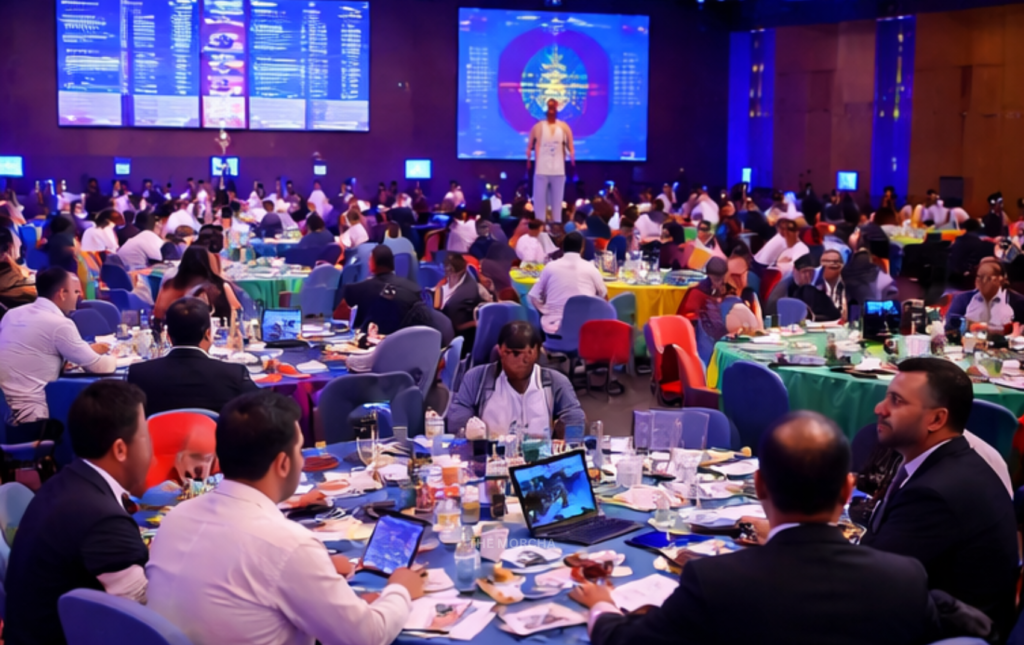
The IPL auction system is designed to create a level playing field where franchises can build competitive teams by bidding for players based on their skills, experience, and performance. Each player enters the auction with a base price, and teams compete by raising bids until one franchise secures the player. While this system ensures transparency and fairness in team selection, it also creates a scenario where players are evaluated in monetary terms in front of a global audience.
This public valuation can sometimes feel transactional, as if players are being treated as assets rather than individuals with careers, emotions, and personal journeys. The system, although effective from a business perspective, raises important questions about how players are perceived within the sport.
Robin Uthappa’s Perspective and Experience
Robin Uthappa’s statement carries weight because of his extensive experience in the IPL. Having been part of multiple franchises and auctions, he understands both the opportunities and challenges that come with the system. His criticism is not about rejecting the IPL but about improving it by addressing its shortcomings. Uthappa believes that while the league has transformed cricket and provided financial security to many players, it is equally important to ensure that players are treated with respect and dignity. His perspective reflects the voice of many cricketers who may feel uncomfortable with the public nature of auctions but rarely express it openly.
Emotional Impact of Auctions on Players
The emotional impact of IPL auctions is significant, especially for players who go unsold or receive lower-than-expected bids. Being part of a live auction where one’s value is openly discussed can be a stressful experience. Players who are not picked may feel disappointed or question their abilities, while those who receive high bids may face increased pressure to perform. This emotional rollercoaster is often overlooked in the excitement of the event. Uthappa’s comments bring attention to this human aspect, reminding everyone that behind every bid is a player with aspirations and feelings.
The Growing Commercialization of Cricket
Cricket has evolved into a highly commercialized sport, with leagues like the IPL generating massive revenue through sponsorships, broadcasting rights, and merchandise. While this commercialization has brought financial benefits and global recognition, it has also shifted the focus towards monetary value. Players are often judged based on their price tags, which can overshadow their skills and contributions. Uthappa’s statement highlights the need to strike a balance between commercial success and maintaining the core values of the sport.
Are Players Being Reduced to Commodities?
The phrase “players treated like commodities” raises an important ethical question. Commodities are typically goods that can be traded without considering individual identity or emotion. Applying this concept to players can be problematic, as it ignores the human element of sports. While auctions are meant to create competitive teams, they can inadvertently create a perception that players are interchangeable assets. Uthappa’s criticism challenges this mindset and calls for a more respectful approach.
Franchise Strategy vs Player Identity
Franchises approach auctions with a strategic mindset, focusing on team composition, budget, and performance metrics. While this approach is necessary for success, it can sometimes overlook the individuality of players. Decisions are often based on statistics and market value rather than personal attributes or long-term development. This reinforces the idea that players are being treated as components of a system rather than individuals.
Transparency and Its Downsides
While the IPL auction is often praised for its transparency, allowing fans and analysts to witness the entire bidding process live, this openness also comes with certain disadvantages that cannot be ignored. IPL auction players treated like commodities becomes more visible in such a public setting where every bid reflects a player’s perceived market value rather than their complete cricketing journey. The real-time nature of auctions means that players, their families, and millions of viewers watch as their worth is debated openly, which can sometimes lead to uncomfortable situations. This level of exposure may impact a player’s confidence, especially if they are overlooked or undervalued. Transparency, while beneficial for fairness, needs to be balanced with sensitivity toward the individuals involved.
Comparison with Global Sports Systems
When compared to other global sports leagues such as football or basketball, the IPL auction system stands out as unique but also controversial. In many international leagues, player transfers happen through private negotiations, contracts, and drafts rather than open bidding wars. This reduces the chances of IPL auction players treated like commodities-type perceptions, as discussions about player value are kept confidential. These systems prioritize professionalism and privacy, allowing players to focus on their performance without public scrutiny over their financial worth. Robin Uthappa’s comments indirectly suggest that cricket can learn from these models by adopting elements that protect player dignity while maintaining competitiveness.
Impact on Young Cricketers
The impact of the auction system is particularly significant for young and emerging players who are just beginning their professional journeys. For many, the IPL represents a dream opportunity, but the pressure of being part of a high-profile auction can be overwhelming. The idea of IPL auction players treated like commodities can be especially discouraging for newcomers who are still building confidence in their abilities. If a young player goes unsold or receives minimal attention during the auction, it can affect their morale and self-belief. This highlights the need for a more supportive system that nurtures talent rather than exposing it to intense public judgment at an early stage.
Financial Benefits vs Human Values
There is no denying that the IPL has transformed the financial landscape of cricket, offering players opportunities to earn substantial incomes and secure their futures. However, the debate around IPL auction players treated like commodities raises an important question about the balance between financial success and human values. While players benefit economically, the process through which they are acquired can sometimes appear impersonal and transactional. Robin Uthappa’s statement emphasizes that financial growth should not come at the expense of respect and dignity. A sustainable system should ensure that players feel valued not just for their price but also for their contributions to the sport.
Fan Engagement and Changing Perspectives
Fans are an integral part of the IPL’s success, and the auction process is one of the most anticipated events for cricket enthusiasts. The excitement of bidding wars and team-building strategies keeps audiences engaged, but it also reinforces the perception of IPL auction players treated like commodities. Uthappa’s remarks may encourage fans to rethink their perspective and consider the human side of the process. Understanding the emotional and professional impact on players can lead to a more respectful and balanced view of the auction system, where entertainment does not overshadow empathy.
Media Influence on Public Perception
The media plays a powerful role in shaping how IPL auctions are perceived by the public. Headlines often focus on record-breaking bids, expensive signings, and high-profile players, which can unintentionally strengthen the narrative of IPL auction players treated like commodities. This focus on monetary value can overshadow the hard work, dedication, and personal stories of players. A more responsible media approach could highlight the human aspect of the sport, providing a deeper understanding of players’ journeys and reducing the emphasis on financial figures alone.
Possible Reforms in the Auction System
Robin Uthappa’s statement has opened the door for discussions about potential reforms in the IPL auction system. To address concerns related to IPL auction players treated like commodities, alternative approaches such as draft systems, private negotiations, or hybrid models could be explored. These changes could help reduce public scrutiny while maintaining fairness and competitiveness. Any reform would need to carefully balance transparency, entertainment, and respect for players, ensuring that the league continues to thrive while addressing ethical concerns.
Respect and Dignity in Professional Sports
Respect and dignity are fundamental principles in any professional field, including sports. The idea of IPL auction players treated like commodities challenges these values by highlighting how players may be perceived during auctions. Cricket, as a sport with a rich history and cultural significance, should prioritize the well-being and respect of its players. Uthappa’s comments serve as a reminder that athletes are not just performers but individuals who deserve recognition for their dedication and efforts beyond financial metrics.
Reactions from the Cricketing Community
The cricketing community has responded to Uthappa’s statement with a mix of support and criticism, reflecting the complexity of the issue. Some players and experts agree that the perception of IPL auction players treated like commodities needs to be addressed, while others argue that the auction system is a fair and transparent method of team selection. This diversity of opinions highlights the need for open dialogue and thoughtful consideration of different perspectives before implementing any changes.
Balancing Business with Ethics
The IPL operates at the intersection of sports and business, making it essential to balance commercial interests with ethical considerations. The concern of IPL auction players treated like commodities underscores the importance of maintaining this balance. While financial success and global popularity are important, they should not come at the cost of player dignity. A well-balanced approach can ensure that the league remains both profitable and respectful.
The Future of IPL Auctions
As the IPL continues to evolve, the future of its auction system may see gradual changes influenced by discussions like the one initiated by Robin Uthappa. Addressing the issue of IPL auction players treated like commodities could lead to innovations that improve the overall experience for players and fans alike. Whether through minor adjustments or major reforms, the goal should be to create a system that reflects both professionalism and humanity.
A Debate That Demands Attention
The debate sparked by Robin Uthappa’s statement is not just about the IPL auction system but about the values that define modern sports. The concern of IPL auction players treated like commodities highlights the need to prioritize respect, dignity, and empathy alongside financial success.

While the IPL has achieved remarkable growth and popularity, it must continue to evolve in a way that respects the individuals who make the league possible. This conversation is a necessary step toward ensuring a more balanced and humane future for cricket.


