
India Global Oil Stabilizer India has rapidly transformed its position in the global energy ecosystem over the past decade, evolving from a simple crude oil importer into a strategic and influential player often described as a global oil stabilizer. This shift has been driven by a combination of economic necessity, geopolitical awareness, and long-term planning. As one of the world’s fastest-growing economies, India requires massive amounts of energy to sustain its development, making oil a critical resource.
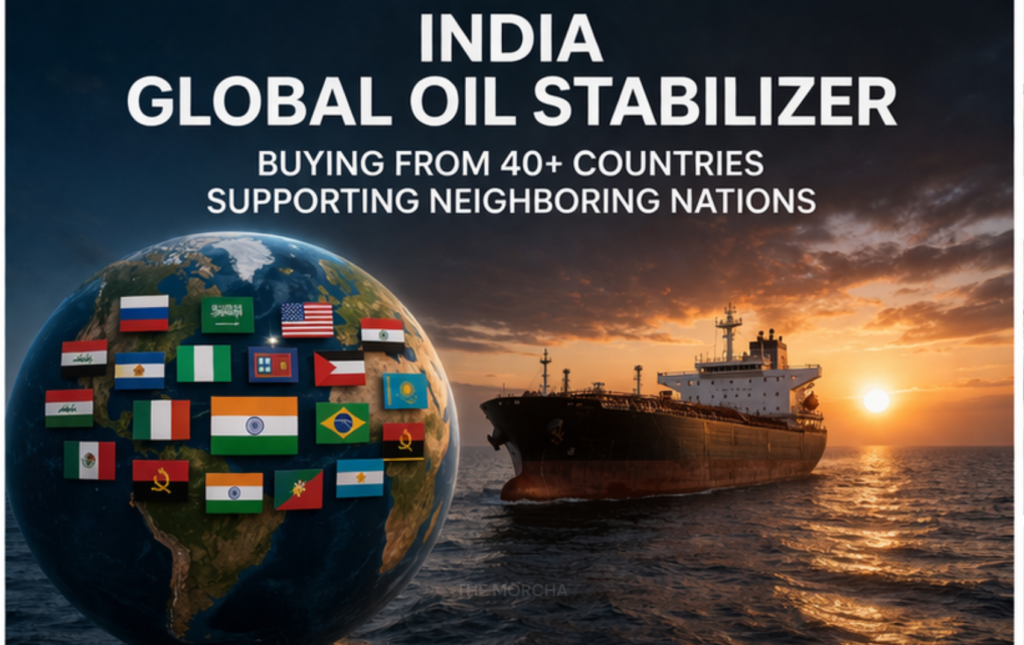
However, instead of relying heavily on a few suppliers, India has adopted a diversified import strategy, purchasing crude oil from over 40 countries. This approach not only ensures energy security but also helps balance global oil demand and supply dynamics. By refining imported crude and exporting petroleum products, India plays a dual role that contributes significantly to stabilizing international energy markets.
Table of Contents
India Global Oil Stabilizer Massive Energy Demand and Growth
India’s economic expansion has led to a dramatic rise in energy consumption, particularly in the oil sector. With a population exceeding 1.4 billion people and a rapidly growing middle class, the demand for transportation, electricity, and industrial fuel continues to surge. Oil remains a primary energy source powering vehicles, factories, and infrastructure projects across the country. As a result, India consumes millions of barrels of oil daily, ranking it among the top three oil-consuming nations globally.
This high demand makes it essential for India to maintain a consistent and reliable supply of crude oil, which it achieves through global sourcing. The country’s ability to meet its growing energy needs while maintaining economic stability is a key factor in its emerging role as a stabilizing force in the global oil market.
Dependence on Oil Imports and Strategic Planning
Despite its growing economy, India produces only a small portion of the oil it consumes, leading to an import dependency of around 85 percent. This heavy reliance on foreign oil could pose significant risks if not managed properly, especially during global crises or geopolitical tensions. To address this vulnerability, India has developed a well-planned strategy focused on diversification, long-term contracts, and flexible trade policies. By avoiding overdependence on any single country or region, India reduces the risk of supply disruptions. This strategic planning allows India to maintain a steady flow of oil even during uncertain times, thereby contributing to both domestic stability and global market balance.
Diversification of Oil Imports from 40+ Countries
One of the most important aspects of India’s oil strategy is its extensive diversification of import sources. India purchases crude oil from more than 40 countries, including major producers like Iraq, Saudi Arabia, the United Arab Emirates, Russia, the United States, and several African and Latin American nations. This wide network of suppliers ensures that India has multiple options in case of disruptions in any one region. Diversification also strengthens India’s bargaining power, enabling it to negotiate better prices and terms. By spreading its imports across various countries, India helps distribute global demand more evenly, which plays a subtle but important role in stabilizing international oil prices.
The Rise of Russia as a Key Supplier
In recent years, Russia has become one of India’s most important oil suppliers, particularly after geopolitical shifts reshaped global trade patterns. As Western countries reduced their imports of Russian oil, India seized the opportunity to purchase crude at discounted prices. This move allowed India to significantly reduce its import costs while maintaining a steady supply. At the same time, it ensured that Russian oil continued to flow into the global market instead of being completely cut off. By absorbing a portion of this supply, India helped prevent extreme fluctuations in global oil prices, reinforcing its role as a stabilizing force.
Economic Benefits of Discounted Oil Imports
Buying discounted oil has provided India with substantial economic advantages. Lower import costs reduce the burden on the national budget and help control inflation, especially fuel prices that directly affect transportation and daily living expenses. These savings can be redirected toward infrastructure development, social programs, and economic growth initiatives. Additionally, affordable energy supports industrial production, making Indian goods more competitive in global markets. This economic stability indirectly contributes to global market balance, as a strong and stable Indian economy supports consistent demand for energy resources.
India’s World-Class Refining Capacity
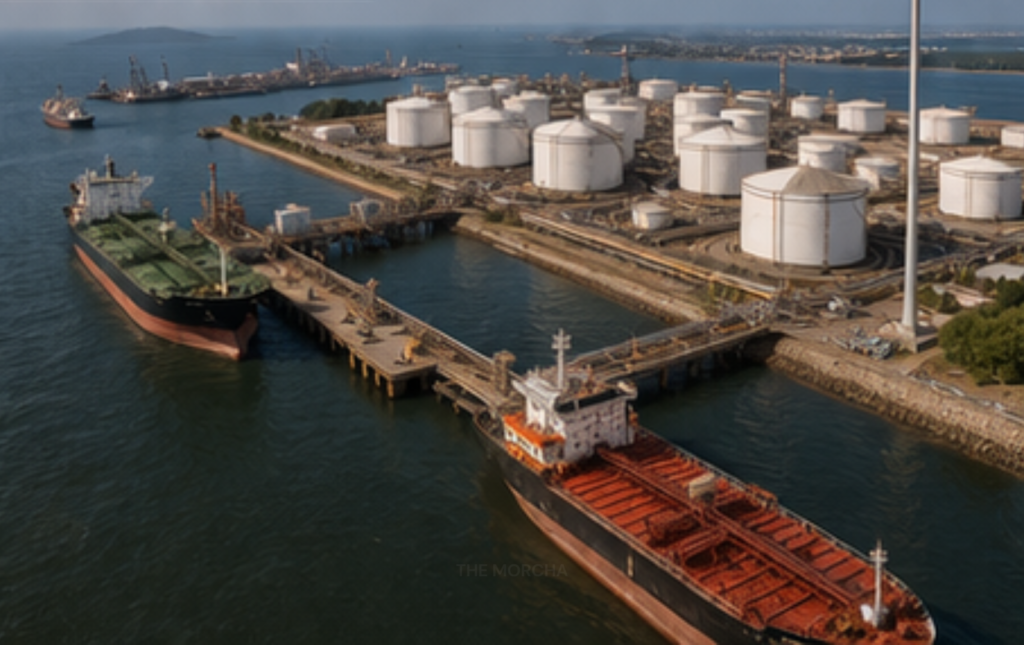
India is home to some of the largest and most advanced oil refineries in the world, including the Jamnagar Refinery, which is the largest refining complex globally. These facilities are capable of processing various types of crude oil into high-quality petroleum products such as petrol, diesel, aviation fuel, and petrochemicals. The country’s strong refining capacity allows it to handle large volumes of imported crude efficiently. This not only meets domestic demand but also enables India to export refined products to other countries. The ability to refine crude oil at scale is a major factor in India’s growing influence in the global energy market.
Export of Refined Petroleum Products
India’s role does not end with importing and refining crude oil; it also exports significant quantities of refined petroleum products to countries around the world. These exports include diesel, petrol, and jet fuel, which are essential for transportation and industry. By supplying these products to regions facing shortages, India helps maintain a steady flow of energy resources globally. This export capability enhances India’s reputation as a reliable energy partner and strengthens its position as a stabilizer in the global oil ecosystem.
Supporting Neighboring Countries with Fuel Supply
India plays a crucial role in supporting neighboring countries by providing them with essential fuel supplies. Nations such as Nepal, Bhutan, Bangladesh, and Sri Lanka depend on India for a significant portion of their petroleum needs. India ensures consistent supply through pipelines, trade agreements, and emergency assistance when required. This regional support not only strengthens diplomatic relations but also ensures economic stability in neighboring countries, preventing broader regional crises.
India’s Assistance During the Sri Lanka Crisis
A notable example of India’s supportive role was during Sri Lanka’s economic crisis in 2022, when the country faced severe fuel shortages. India stepped in by providing emergency fuel supplies and financial assistance, helping Sri Lanka maintain essential services such as transportation and electricity generation. This timely intervention prevented a deeper humanitarian crisis and demonstrated India’s commitment to regional stability. Such actions reinforce India’s image as a responsible and dependable partner in times of need.
India as a Regional Energy Hub
India is gradually positioning itself as a regional energy hub by leveraging its strategic location, strong infrastructure, and extensive trade networks. By importing crude oil, refining it, and distributing petroleum products across South Asia and beyond, India serves as a central node in the regional energy supply chain. This role enhances connectivity and ensures that energy resources are efficiently distributed across neighboring regions, contributing to overall stability.
Balancing Global Oil Demand and Supply
India’s consistent demand for oil helps maintain balance in the global market. By continuing to import oil even during periods of uncertainty, India prevents sudden drops in demand that could destabilize prices. At the same time, its exports help address supply shortages in other regions. This dual role ensures that both producers and consumers benefit from a more stable market environment.
Preventing Extreme Price Fluctuations
Global oil prices are highly sensitive to geopolitical events and supply disruptions. India’s diversified import strategy and steady consumption patterns help reduce extreme price volatility. By purchasing oil from different sources and maintaining consistent demand, India acts as a buffer against sudden market shocks, contributing to price stability.
Energy Diplomacy and Strategic Neutrality
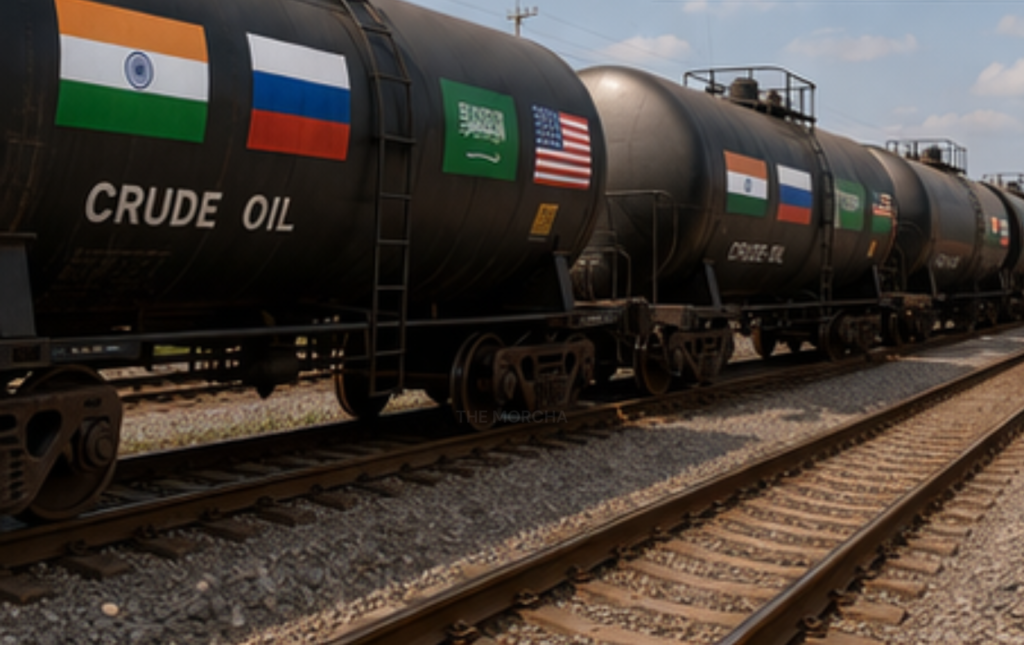
India’s foreign policy plays a key role in its energy strategy. The country maintains strong relationships with major oil-producing nations while avoiding alignment with any single geopolitical bloc. This strategic neutrality allows India to secure favorable deals and maintain a steady supply of oil from various sources. Its balanced approach enhances its credibility and effectiveness as a global energy player.
Challenges Facing India’s Oil Strategy
Despite its success, India faces several challenges, including high import dependence, exposure to global price fluctuations, and geopolitical risks. Currency exchange rates also impact the cost of oil imports, while environmental concerns push the country to reduce reliance on fossil fuels. Addressing these challenges requires careful planning and continued investment in alternative energy sources.
Transition Towards Renewable Energy
To reduce its dependence on oil, India is investing heavily in renewable energy sources such as solar, wind, and green hydrogen. These initiatives aim to create a more sustainable energy future while maintaining economic growth. Although oil will remain important in the short term, the transition to cleaner energy will play a key role in shaping India’s long-term strategy.
Future Outlook of India’s Global Energy Role
India’s role in the global oil market is expected to grow even further in the coming years. With increasing refining capacity, expanding trade partnerships, and continued economic growth, India will likely strengthen its position as a key player in global energy stability. Its ability to adapt to changing market conditions will determine its future success.
India as a True Global Oil Stabilizer
India’s journey from a major oil importer to a global stabilizer highlights its strategic vision and adaptability. By sourcing oil from over 40 countries, refining it efficiently, and supporting both domestic and international markets, India has established itself as a crucial player in the global energy system.
Its contributions to regional stability, price balance, and supply continuity make it an indispensable force in today’s interconnected world. As global energy dynamics continue to evolve, India’s role as a stabilizer is set to become even more significant.