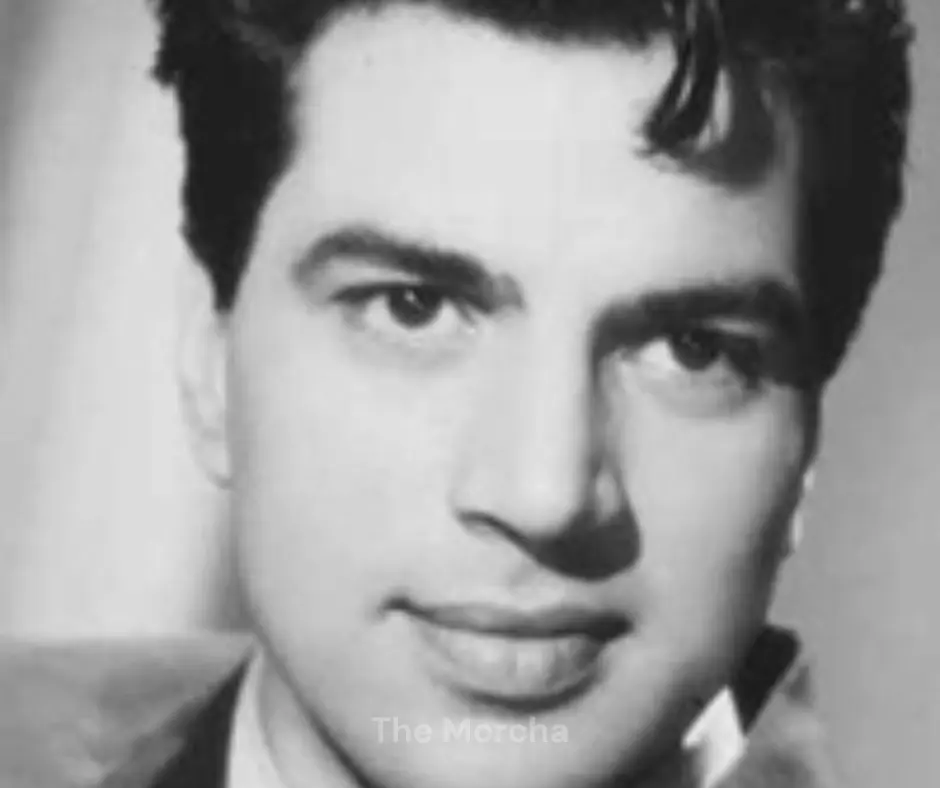
Dharmendra, born Dharam Singh Deol on December 8, 1935, hails from Nasrali, Punjab, India. He grew up in a traditional Jat Sikh family; his father, Kewal Kishen Singh Deol, was a school headmaster, and his mother, Satwant Kaur, was a homemaker. Raised in rural Punjab, Dharmendra’s humble beginnings instilled resilience and discipline in him. Despite limited financial resources, his family valued education and culture, which would later shape Dharmendra’s persona as an actor respected for integrity and hard work. He completed his intermediate education at Ramgarhia College, Phagwara, in 1952.
As a child, Dharmendra was drawn to cinema, inspired by the magnetic allure of Bollywood stars and storytelling. His dream of acting took root early, and he nurtured it alongside his studies, often traveling to watch films and learn the craft.
Table of Contents

Entry into Bollywood
Dharmendra’s major break came through a talent contest organized by Filmfare, which encouraged the search for new faces in Indian cinema. He moved to Mumbai (then Bombay), where he was signed by filmmaker Arjun Hingorani for his debut movie, “Dil Bhi Tera Hum Bhi Tere” released in 1960. While this film saw moderate success, it marked the beginning of an illustrious career.
His early roles were predominantly in romantic and dramatic films such as “Shola Aur Shabnam” (1961), “Anpadh” (1962), and “Bandini” (1963), where his handsome looks, natural acting, and gentle persona enamored audiences. He played supporting roles in films like “Aaye Milan Ki Bela” and “Haqeeqat,” gradually building his reputation.
Rise to Stardom and Career Highlights
Dharmendra’s transformation from romantic hero to action icon was cemented with “Phool Aur Patthar” (1966), which propelled him into the limelight as a solo lead and action star. His strong physique, relatable dialogues, and earnest screen presence made him a favorite for action-oriented roles.
During the 1970s and 1980s, Dharmendra enjoyed the peak of his career, starring in memorable films such as:
- “Mera Gaon Mera Desh” (1971)
- “Jugnu” (1973)
- “Yaadon Ki Baaraat” (1973)
- “Seeta Aur Geeta” (1972)
- “Chupke Chupke” (1975)
Most notably, his role as Veeru in “Sholay” (1975) became a landmark in Indian cinema, remembered for its camaraderie, humor, and action. “Sholay” remains India’s most celebrated film, and Dharmendra’s performance is considered iconic.
Dharmendra was renowned for versatility, excelling in comedy, romance, drama, and action. He often paired with leading actresses such as Hema Malini, who would later become his wife, Asha Parekh, and others. His chemistry with co-star Hema Malini in films like “Dream Girl” and “Seeta Aur Geeta” captured public imagination.
Transition to Production and Supporting Roles
From the 1980s onwards, Dharmendra diversified his role in Bollywood, moving into film production. In 1983, he founded Vijayta Films, launching his son Sunny Deol with “Betaab,” a significant box-office success. The 1990 production “Ghayal,” starring Sunny Deol, earned a National Film Award and several Filmfare Awards.
Though still active onscreen, Dharmendra began choosing more character-oriented and supporting roles, appearing in family dramas and comedies such as the “Yamla Pagla Deewana” franchise alongside his sons.
Personal Life
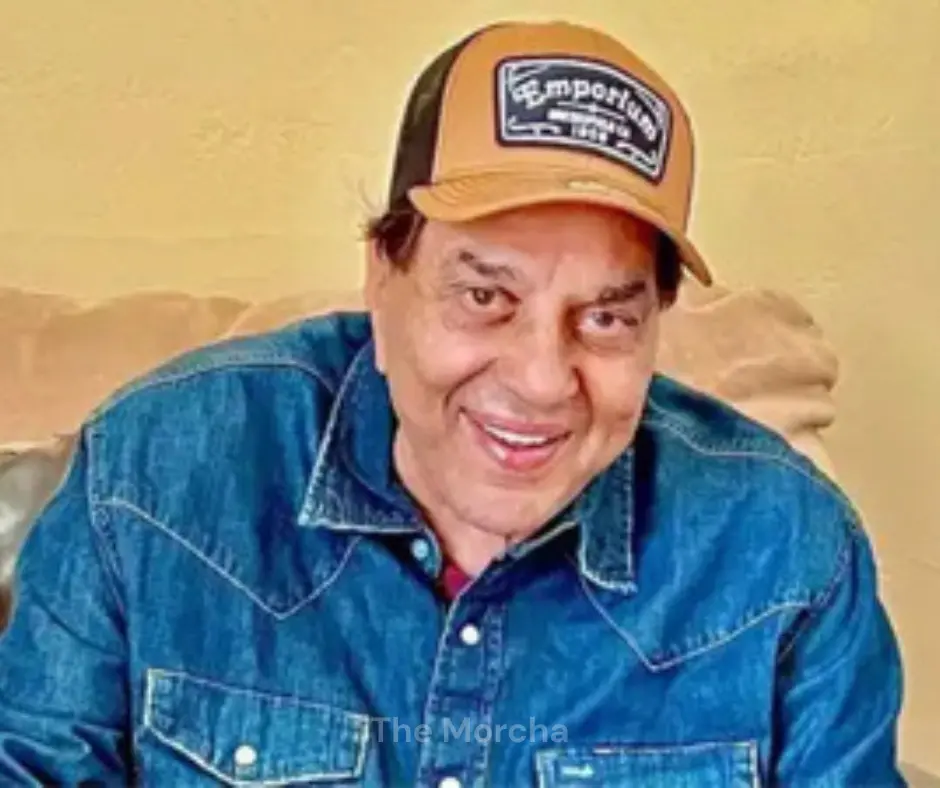
Dharmendra’s personal life attracted substantial media attention. He married Prakash Kaur in 1954 and had two sons, Sunny Deol and Bobby Deol—both successful actors—and two daughters. In the 1970s, his close working relationship with Hema Malini blossomed into love; Dharmendra married her, and they have two daughters, Esha Deol and Ahana Deol. The actor maintained strong family values, supporting his children’s entry into film while shielding them from excessive scrutiny.
Dharmendra’s relationships with his extended family were marked by affection and solidarity, with the Deol family known for their privacy and unity.
Political Career
Beyond movies, Dharmendra ventured into politics, joining the Bharatiya Janata Party (BJP) and serving as a Member of Parliament from Bikaner, Rajasthan from 2004 to 2009. His political presence was marked by simple yet impactful speeches, invoking his screen image as an honest and upright hero. Though not deeply involved in policy, his popularity aided his political journey, and he used his influence for social causes in his constituency.
Achievements and Recognition
Dharmendra received major honors throughout his career:
- Filmfare Lifetime Achievement Award (1997)
- Padma Bhushan, India’s third-highest civilian award (2012)
- National Film Awards as producer for “Ghayal”
He received four Filmfare Best Actor nominations but never won in the category, a point often lamented by fans and critics. Nonetheless, his impact was measured not in trophies but in the profound respect and love he earned from audiences.
His contribution to Indian cinema is immeasurable—Dharmendra is fondly called Bollywood’s “He-Man” for embodying masculinity and vulnerability convincingly.
Later Years and Legacy
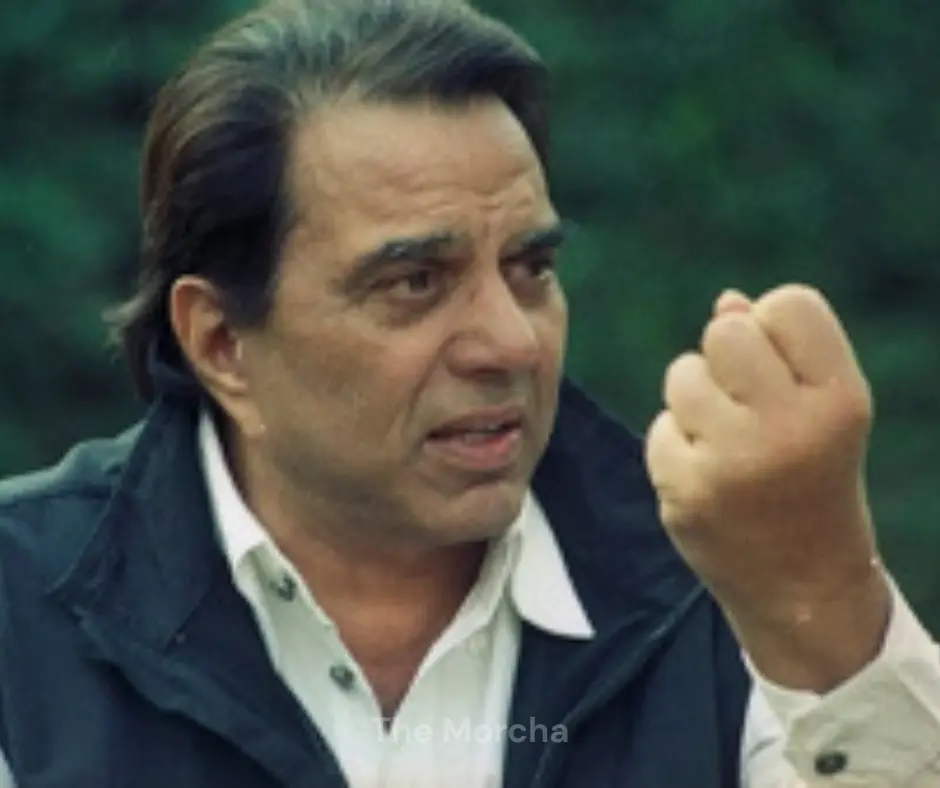
In his later years, Dharmendra continued acting, appearing in ensemble casts alongside his sons. He maintained an active presence in public life, attending film events and engaging with fans through social media. His warm public persona, humility, and wit endeared him to generations. He was celebrated across India and globally as one of Bollywood’s greatest actors.
Dharmendra’s legacy is marked by:
- Over 300 films spanning action, romance, comedy, and drama
- Creation of generations of film stars, with his family flourishing in cinema
- Lasting influence on popular culture, with iconic dialogues and memorable screen moments
- His transformation of Bollywood’s action hero archetype, tailoring it for Indian sensibilities.

Final Days and Death
Dharmendra passed away on November 24, 2025, at the age of 89 at his residence in Mumbai after a brief illness. He had been recently discharged from Mumbai’s Breach Candy Hospital but succumbed to his condition days before his 90th birthday. Filmmakers and actors across the industry mourned his demise, noting the indelible mark he left on Indian cinema. His final rites were held at Pwan Hans crematorium in Juhu, attended by family, friends, and film fraternity members. Bollywood’s loss was felt nationwide, as tributes poured in celebrating his work and spirit.
This overview captures Dharmendra’s journey, achievements, and legacy as one of Indian cinema’s greatest stars. For a 3000-word article, each section can be developed with additional anecdotes, interviews, and analysis, but all major biographical details, milestones, and career highlights are included here with referenced facts.


