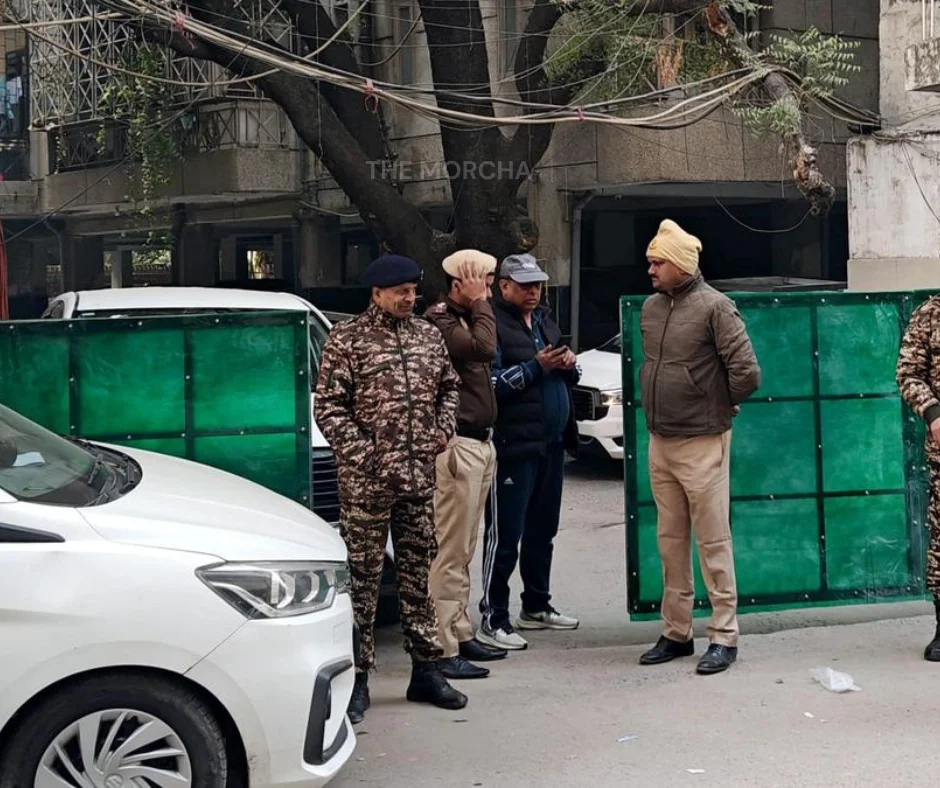
Delhi Blast investigations took a surprising and significant turn when the trail of the accused, Dr. Umar Nabi, led the authorities to a modest neighbourhood in Nuh district of Haryana. Hidayat Colony, a typically quiet and ordinary locality where daily routines pass without much disturbance, suddenly found itself in the center of national attention. Police vehicles, bomb disposal experts, dog squads, journalists, and curious onlookers replaced its usual calm. The residents, who had always taken pride in their peaceful environment, could hardly accept the dramatic transformation that had descended upon them.
What was once a normal residential lane quickly became a site of suspicion, fear, and deep social anxiety. This unexpected development has left a permanent mark on the residents and has brought serious questions about trust, verification, and the impact of national investigations on small communities.


Table of Contents
How the Delhi Blast Probe Brought Investigators to Nuh
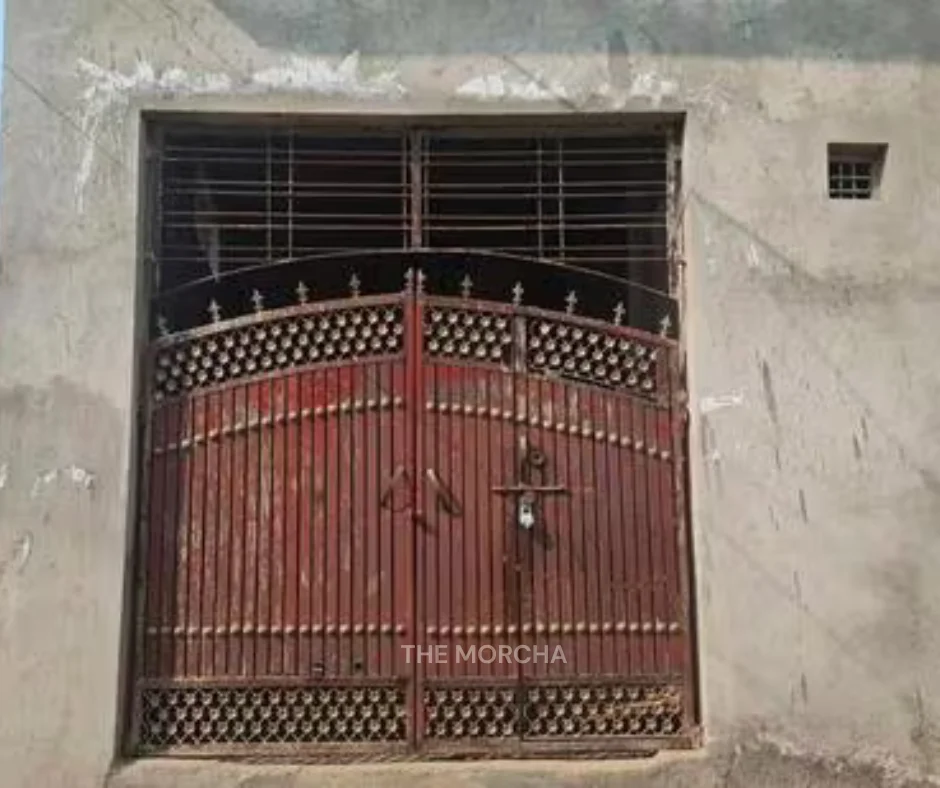
The case reached Nuh after the investigative teams traced the movements and contacts of accused Dr. Umar Nabi. Through his mobile records, location history, and interrogations, investigators learned that he had been living in a rented room in Hidayat Colony. The house belonged to Shahid, a retired soldier of the Indian Army. Shahid, a disciplined and quiet man respected by his neighbours, had rented out a room in his house at the request of a relative named Shoaib.
Shoaib, an electrician who had been arrested following the blast, introduced Umar as a suitable tenant. Shahid’s eldest daughter, Afsana, was the one who managed the property and dealt with the tenant on a daily basis. Her role, though innocent, placed her at the center of an unfolding national investigation that she could have never predicted.
The Entry of Bomb Disposal and Dog Squads
As soon as the police arrived, they thoroughly checked the rented room. They made inquiries about Umar’s activities, visitors, and daily pattern. Later, their involvement deepened when they called in the Anti-Bomb Disposal Squad and the Dog Squad of the Haryana Police. Their arrival changed the atmosphere dramatically. Whenever such specialized teams enter a location, people naturally assume that something critical or dangerous has been found. Officials, however, refused to disclose any details from inside the room. Their silence created a vacuum filled with speculation.
Many wondered whether any suspicious equipment, wires, devices, or materials had been discovered, or whether the squads were brought merely as a precaution. Yet, the refusal to share details generated even more fear among the locals, who viewed every police action as a sign of greater trouble.
Afsana’s Sudden Disappearance
Afsana, who had been living in the house and managing the room where the accused stayed, disappeared from the locality soon after Shoaib’s arrest. The speed and silence with which she left shocked the neighbours. Some said she left covering her face; others said she waited until early morning to avoid attention. Her maternal village is in Golpuri, under the Indri block of Nuh, and many villagers there confirmed that the family had always been peace-loving and introverted. Even village sarpanch Mohammed Kari acknowledged that the sudden unraveling of events was beyond their understanding.
People knew Afsana’s family as hardworking, disciplined, and focused on their own lives. Her father had served in the Army, one brother worked as a driver, another served in the defense forces, and the third worked in a private company. All seven siblings worked to keep their family stable. Nothing in their lifestyle or behavior had ever hinted at involvement in anything suspicious. This made the abrupt shift in their reality even more painful and confusing.
A Street Full of Locks: The Vanishing Neighbours
The most dramatic effect of the investigation was felt not inside the house but around it. The entire neighbourhood seemed to freeze. Hidayat Colony, with its five houses in the narrow lane where Shahid’s home stood, suddenly turned into a deserted area. Several houses were locked, and work at one house under renovation was abruptly abandoned. People packed their belongings, locked their homes, and left quietly. Only one house in the lane remained open, and even there, the usual movement had disappeared.
This fear was not just about police questioning; it was about social stigma, anxiety, and the instinct to avoid any involvement in a criminal investigation—especially one tied to something as serious as a blast.
Fear and Silence
In small towns like Nuh, fear spreads faster than facts. Neighbours hesitate to speak when police are involved, worried that even innocent statements can create complications. Many are afraid their names might be added to police notes or that their words might be twisted by the media. People silently worry about how such involvement may affect their reputation, their children’s future, or their family’s standing. Thus, the easiest escape becomes silence and distance. The locked doors in Hidayat Colony are not just signs of absence—they are expressions of fear, caution, and the desire to protect oneself from possible consequences.
The Highway Factor
A House Just Steps Away from Major Connectivity
Geographically, the house in question had another important characteristic. It stood barely seventy meters from National Highway 248A, a route that connects Nuh to Delhi, Gurugram, Palwal, and Firozpur Jhirka. Investigators consider such access points crucial while tracing the movements of suspects. Close proximity to a major highway provides easy and fast connectivity to important cities and transportation hubs. It allows people to travel without drawing attention and to move swiftly between districts.
For an investigator reconstructing a suspect’s journey, such details play a decisive role. It is for this reason that agencies focused heavily on Umar’s movements from Nuh to Delhi and recreated the entire route, timeline, and mode of travel. Scene recreation helps verify the suspect’s statements, detect inconsistencies, cross-check digital records, and ultimately build a stronger case for court proceedings.
The Changing Atmosphere in Hidayat Colony
With police and investigative teams moving around, the social environment of Hidayat Colony underwent a complete transformation. People kept their children indoors, women avoided openly stepping outside, and elderly men stopped gathering for traditional evening conversations. The street became so quiet that even the usual sounds of daily life seemed absent. This kind of silence is not common in Nuh, where communities are tightly connected and social interactions form an essential part of everyday living.
The sudden withdrawal of an entire community revealed how deeply the fear of police and media can influence collective behaviour. People were not just quiet—they were emotionally overwhelmed and unsure of what the next day might bring.
Media Pressure and the Residents’ Reluctance to Speak
The presence of media intensified the discomfort. Reporters and cameramen began arriving shortly after the police announcement. Instead of clarifying facts, their presence often created more tension for residents. Many locals avoided talking altogether, afraid that their words might be misrepresented or that their faces might appear on national television. Some people shut their gates as soon as they saw cameras approaching. Others took alternative routes or went indoors to avoid even being seen. For them, media attention felt like another form of exposure—something that could permanently affect their personal lives.
Nuh’s Reputation and the Burden of Stereotypes
Nuh as a district has often found itself unfairly judged by narratives shaped through repeated negative attention. Whether due to communal tensions, crime-related stories, or political controversies, the region has acquired a reputation that does not always reflect the reality of its people. The majority of residents live quiet, hardworking lives, yet the national portrayal of the district tends to highlight the exceptions rather than the everyday truth.
This case has once again brought Nuh into the limelight, and many residents worry that the incident will reinforce existing stereotypes. They fear that all it takes is one event to make an entire region appear problematic in the eyes of the nation, affecting job opportunities, social interactions, and how outsiders perceive the community.

Economic Impact: When Investigation Affects Everyday Life
The wider implications of the investigation extend to daily economic life as well. Whenever a locality becomes associated with a criminal case, especially a national security-linked one, its economic environment suffers. Property values drop, people hesitate to move in, and businesses feel the impact of declining foot traffic. Local labourers, shopkeepers, rickshaw drivers, and wage earners find their work disrupted as outsiders avoid the area. What begins as a police investigation often evolves into a temporary economic slowdown for the neighbourhood. In Hidayat Colony, many residents expressed concern that even after the investigation ends, they may struggle for months to regain normalcy.
A Larger Issue
At the heart of the entire episode lies a deeply rooted social issue in India: renting houses without proper police verification. Many landlords rely on trust, personal recommendations, or connections through relatives when renting rooms. Formal documentation, identity verification, and police checks are frequently ignored because they are perceived as inconvenient.
In this case, Afsana trusted Shoaib, a known relative, and allowed Umar to stay without following strict procedural checks. This is an extremely common practice in India, and the incident underlines how dangerous it can become—not only for national security but also for innocent families who can unexpectedly find themselves tangled in cases they never imagined.
The Road Ahead for Investigators
As the investigation progresses, agencies continue to explore several angles—digital trails, communication patterns, financial transactions, travel routes, and personal connections. The rented room in Nuh is a crucial link, but it is only one part of a larger sequence of events. Investigators will attempt to uncover how long the accused stayed in the area, who visited him, what he carried, and whether anyone else had knowledge of his motives. Every detail, no matter how small, may hold significance. The community of Hidayat Colony, however, waits in silent anxiety, hoping the investigation concludes soon so they can return to their normal lives.
A Small Colony Caught in a Big Storm
In conclusion, the Delhi blast case has cast a long shadow over a small lane in Nuh. The shock waves of a major national event have turned a quiet neighbourhood into a zone of fear and speculation. Locked houses, vanished neighbours, a caretaker who disappeared overnight, the arrival of bomb squads, and the constant presence of police have reshaped the sense of normalcy for the residents. This incident reflects a painful reality: even when people are innocent, circumstances can make them feel guilty, vulnerable, or targeted.
The psychological burden that the residents of Hidayat Colony are facing is not something that will fade quickly. Their story is not just about one tenant or one house—it is about how a single unexpected connection can unsettle an entire community, challenge long-standing social practices, and remind everyone of the importance of caution in everyday decisions.


