
Narendra Modi is the Prime Minister of India and a major figure in Indian politics. He has been in office since May 26, 2014, and is now serving his third term after the 2024 general election
Early life
Narendra Damodardas Modi was born on September 17, 1950, in Vadnagar, Gujarat. He later became active in public life through the Rashtriya Swayamsevak Sangh and then the Bharatiya Janata Party.
Modi’s political rise began in Gujarat, where he served as Chief Minister before becoming Prime Minister. His long career is often discussed in terms of leadership style, organisation, mass communication, and electoral strategy.
As Prime Minister
As Prime Minister, Modi’s government has focused on welfare delivery, infrastructure, digital services, and national identity-linked policy changes. The official PM India profile describes him as leading a government centered on development and public service.
Recent government statements highlight achievements such as free ration support for more than 81 crore people, over 4 crore houses built, tap water connections to over 12 crore households, and major expansion in highways, airports, and health coverage.
Table of Contents
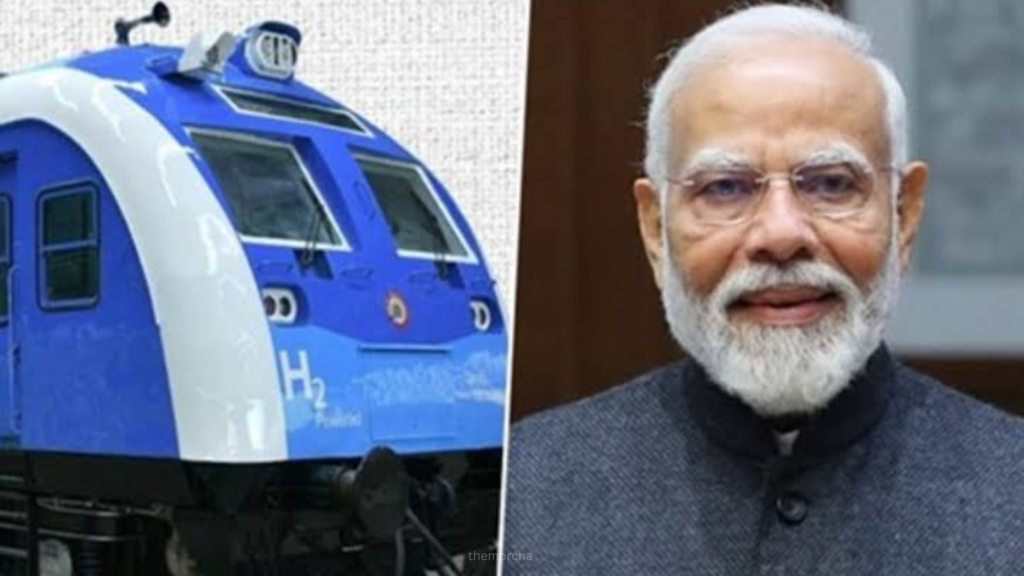
Major initiatives
Some of the best-known initiatives associated with Modi’s government include Jan Dhan Yojana, Swachh Bharat Mission, Digital India, Ayushman Bharat, PM Kisan Samman Nidhi, and Ujjwala Yojana. These programs are widely linked to financial inclusion, sanitation, digital access, health protection, and direct support to farmers and households.
His government has also taken major political and policy decisions such as the abrogation of Article 370, the introduction of GST, and the push for a more self-reliant economic model under Atmanirbhar Bharat.
Public image
Supporters describe Modi as a decisive and energetic leader who has expanded welfare reach and modernised parts of India’s infrastructure and digital systems. His critics, however, often debate the social, economic, and political effects of some of his major decisions.
If you are writing about him for an assignment, a balanced answer usually works best: mention his background, rise to power, key schemes, and the main debates around his leadership. That gives a complete picture without becoming one-sided.
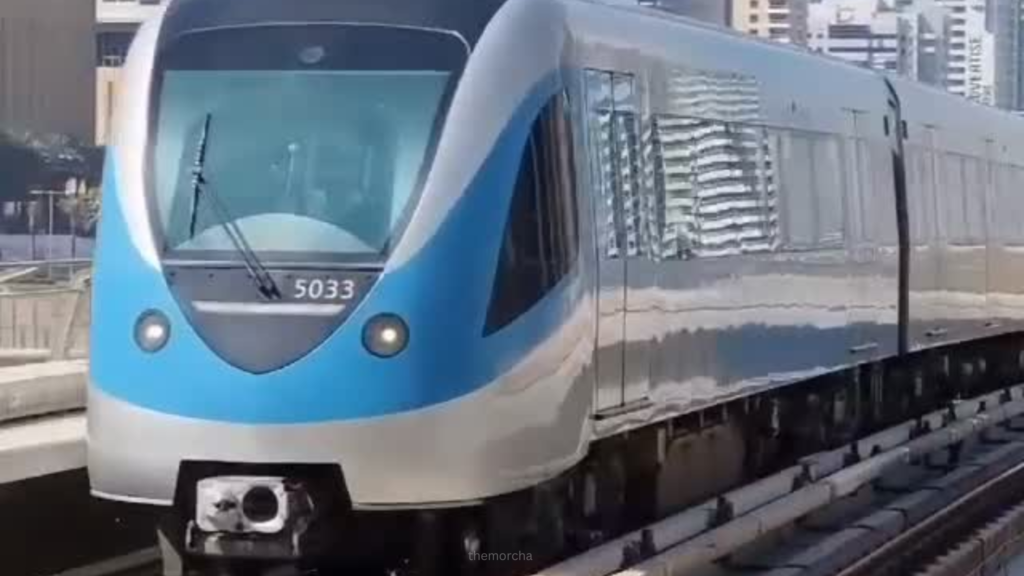
Why Is Narendra Modi Promoting Hydrogen-Powered Transportation?
Narendra Modi is promoting hydrogen-powered transportation because it supports India’s clean-energy goals, energy security, and industrial growth. Narendra Modi has consistently highlighted green hydrogen as a key part of India’s transition to cleaner and more sustainable transport.
Climate and Pollution
One of the biggest reasons Narendra Modi is supporting hydrogen-powered transportation is its potential to reduce air pollution and greenhouse-gas emissions. Under Narendra Modi’s clean-energy vision, hydrogen can replace diesel and other fossil fuels in sectors where electrification is more difficult.
Hydrogen-powered trains, buses, trucks, and ferries are especially useful because battery technology is not always practical for heavy-duty transport. A hydrogen fuel cell generates electricity to power the vehicle, and its primary exhaust is water vapour. This makes hydrogen an attractive option in Narendra Modi’s push for cleaner mobility.
Energy Security
Another major reason Narendra Modi is promoting hydrogen is to strengthen India’s energy security. India imports a significant amount of crude oil, making the country vulnerable to global fuel-price fluctuations.
Through the National Green Hydrogen Mission, Narendra Modi aims to reduce dependence on imported fossil fuels while encouraging domestic clean-energy production. Narendra Modi has also expressed the ambition of making India a global hub for green hydrogen production and exports, helping strengthen both the economy and long-term energy independence.
Industrial Growth
For Narendra Modi, hydrogen is about much more than transportation. It also has the potential to transform industries such as steel, fertilisers, oil refining, and chemicals, where reducing emissions is particularly challenging.
Narendra Modi sees hydrogen as an opportunity to boost manufacturing, attract investment, create skilled jobs, and support the vision of an Atmanirbhar Bharat. The development of hydrogen production, fuel-cell technology, storage systems, and transport infrastructure can contribute to a stronger clean-energy ecosystem.
Narendra Modi’s Policy Vision
Narendra Modi has linked hydrogen technology with India’s broader climate commitments, including the country’s Net Zero by 2070 target. Hydrogen-powered rail projects are expected to demonstrate how Indian Railways can adopt cleaner technology while reducing dependence on diesel.
The introduction of hydrogen trains also reflects Narendra Modi’s emphasis on modernising infrastructure through sustainable innovation. By encouraging green rail transport, Narendra Modi aims to position India among the countries investing in next-generation clean mobility.
In Simple Terms
In simple terms, Narendra Modi is promoting hydrogen-powered transportation because it can help India:
- Reduce air pollution and carbon emissions.
- Lower dependence on imported crude oil.
- Strengthen energy security.
- Promote clean-energy industries.
- Generate new jobs and investments.
- Support India’s long-term climate and sustainability goals.
Is a Hydrogen Train Completely Pollution-Free?
No. Although Narendra Modi’s hydrogen train initiative focuses on cleaner transportation, a hydrogen train is not completely pollution-free when its entire life cycle is considered.
A hydrogen train produces zero direct tailpipe emissions while operating. Unlike diesel locomotives, it does not emit smoke or carbon dioxide during the journey. Instead, the main by-product is water vapour.
However, the overall environmental impact depends on how the hydrogen is produced.
If the hydrogen is generated using renewable electricity (known as green hydrogen), emissions can be extremely low. But if the hydrogen is produced from natural gas or other fossil fuels, carbon emissions occur during fuel production—even though the train itself runs clean.
For this reason, experts often describe hydrogen trains as “zero-emission at the point of use” rather than completely pollution-free.
As Narendra Modi continues promoting green hydrogen, expanding renewable hydrogen production will play a crucial role in making hydrogen-powered trains even cleaner in the future.
What this means
During travel, hydrogen trains can avoid diesel smoke, soot, and direct CO2 emissions.
The exhaust is usually water vapour or steam.
Pollution can still exist if hydrogen is produced from fossil fuels instead of green power.
The best environmental outcome comes from green hydrogen made with renewable energy.
So the simple answer is: cleaner than diesel, yes; completely pollution-free, not always.
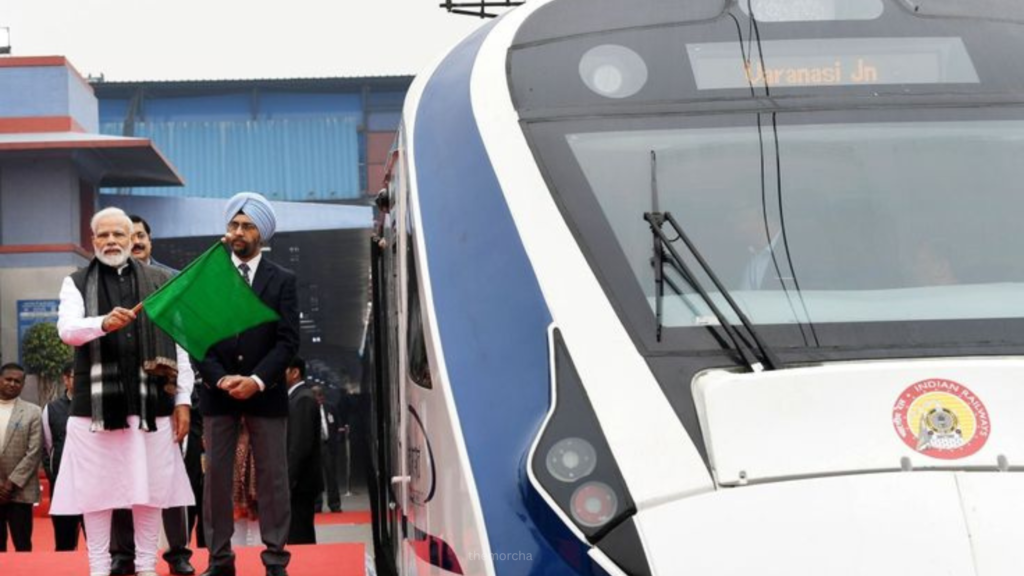
Will hydrogen trains become common Will Narendra Modi’s Hydrogen Trains Become Common Across India?
Narendra Modi’s vision for hydrogen-powered transportation is ambitious, but hydrogen trains are unlikely to become common across all of India in the near future. Instead, Narendra Modi’s hydrogen train initiative is expected to expand gradually, beginning with pilot projects, heritage routes, hill railways, and corridors where full electrification is difficult or expensive.
According to official plans, Narendra Modi’s government views hydrogen trains as a strategic clean-energy technology rather than an immediate replacement for diesel or electric trains. The first indigenous hydrogen train on the Jind–Sonipat route in Haryana is an important pilot project that will help determine how quickly Narendra Modi’s hydrogen railway vision can expand.
Why Narendra Modi’s Hydrogen Trains May Not Spread Quickly
Although Narendra Modi is strongly promoting green hydrogen, hydrogen trains require much more than the trains themselves.
They need:
- Hydrogen production facilities.
- Refuelling stations.
- Advanced safety systems.
- Route-specific infrastructure.
Building this network takes significant investment, making Narendra Modi’s hydrogen train programme more complex than simply operating diesel or fully electrified trains.
Another challenge is cost. Hydrogen trains and their supporting infrastructure are still expensive, so wider deployment will depend on technological progress, falling hydrogen costs, and the success of Narendra Modi’s pilot projects.
Where Narendra Modi’s Hydrogen Trains Are Most Likely to Run
Initially, Narendra Modi’s hydrogen trains are expected to operate mainly on:
- Non-electrified railway routes.
- Heritage railway lines.
- Hill railways.
- Selected pilot corridors with hydrogen infrastructure.
Rather than replacing every diesel or electric train, Narendra Modi’s hydrogen strategy is likely to complement India’s existing railway network by providing a cleaner solution where electrification is less practical.
The Future of Narendra Modi’s Hydrogen Train Vision
The most balanced expectation is that Narendra Modi’s hydrogen trains will grow steadily instead of expanding nationwide overnight.
If the Haryana pilot proves successful and green hydrogen becomes more affordable, Narendra Modi’s long-term railway vision could see hydrogen trains introduced on additional routes over the coming decades.
In short, Narendra Modi’s hydrogen train programme could become an important part of India’s railway future, even if it remains a specialised green technology rather than the country’s dominant rail system.
Can Narendra Modi’s First Hydrogen Train Change the Future of Rail Travel?
Yes—but probably in a gradual rather than revolutionary way.
Narendra Modi’s first hydrogen train is significant because it demonstrates India’s ability to develop and test hydrogen-powered railway technology. If successful, the project could influence how future railway corridors are planned under Narendra Modi’s broader vision for sustainable transportation.
Why Narendra Modi’s Hydrogen Train Matters
The biggest impact of Narendra Modi’s hydrogen train is both technological and symbolic.
By introducing hydrogen-powered rail technology, Narendra Modi is positioning India among the countries investing in cleaner railway innovation. A successful pilot on the Jind–Sonipat route would show that hydrogen trains can operate safely and efficiently under Indian conditions, including refuelling, passenger service, and daily railway operations.
The project also supports Narendra Modi’s clean-energy agenda by encouraging lower-emission transport options, particularly on railway routes where full electrification is difficult or costly.
How Narendra Modi’s Hydrogen Train Could Transform Rail Travel
If Narendra Modi’s hydrogen train pilot succeeds, it could influence Indian Railways in several ways:
- Reduce diesel use on selected railway routes.
- Encourage investment in green hydrogen production and refuelling infrastructure.
- Accelerate innovation in hydrogen fuel cells, train design, and storage systems.
- Provide a cleaner transport option for heritage and hill railways.
Beyond technology, Narendra Modi’s hydrogen train could also change public perception of rail travel by demonstrating that cleaner, quieter, and more sustainable trains are possible.
Final Thoughts
Narendra Modi’s hydrogen train is unlikely to transform India’s railway network overnight. However, if the pilot delivers strong results and hydrogen becomes more affordable, Narendra Modi’s clean railway initiative could play an increasingly important role in shaping the future of Indian Railways while supporting India’s long-term environmental and energy goals.ns reliable and affordable.
Limits to change
Still, one train will not transform the entire rail network. Hydrogen trains are currently being introduced on a pilot basis, and official sources note that the cost and infrastructure are still being worked out. The fuel, storage, and maintenance systems are more complex than standard electric or diesel trains, so large-scale adoption will take time.
So the better way to see it is this: India’s first hydrogen train is a beginning, not a full revolution by itself. The real value of the test is whether it proves hydrogen rail is safe, practical and scalable on selected routes around the country.
Conclusion
In short, yes, India’s first hydrogen train can change the future of rail travel, but mainly by opening the door to cleaner and smarter rail technology. It is likely to shape the future of specific routes first, and only later influence the wider railway system if the pilot succeeds.
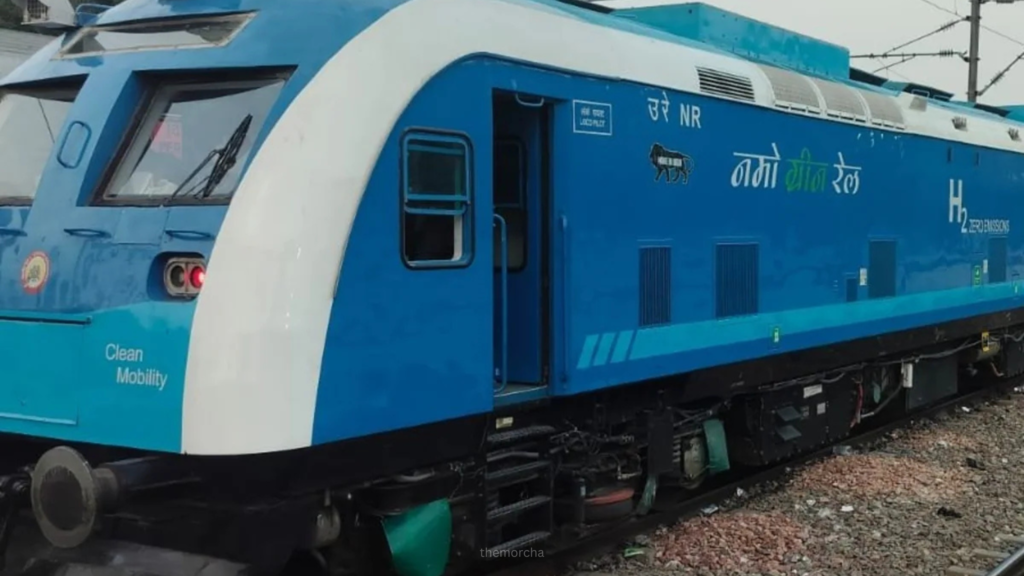
Could hydrogen become the fuel of the future for Indian Railways?
Yes — hydrogen could become an important fuel for Indian Railways, but it is more likely to be a specialised future fuel than the single dominant one across the whole network. Official railway planning has already pointed to hydrogen trains for heritage and hill routes, and it has even envisaged 35 hydrogen trains under “Hydrogen for Heritage,” which shows that the idea is serious and long-term.
The main reason hydrogen is attractive is that it supports cleaner rail travel. “I development of first hydrogen train-set on pilot basis to demonstrate the technology powered by hydrogen,” the Indian Railways had said. The project is said to be generating zero CO2 emissions.at the point of use with water vapour as the only emission. That makes hydrogen useful for reducing diesel dependence and advancing India’s green-transport goals.
Hydrogen also fits India’s broader climate and energy strategy. A government-backed analysis notes that, if successful, the shift to hydrogen-powered trains could help Indian Railways meet net-zero goals and set a global benchmark for green transportation in developing economies. In practical terms, this means hydrogen is beginning to be viewed not only as a train fuel, but as part of a broader clean energy transition.
Why it may not replace everything
Even with these advantages, hydrogen is not likely to replace electric trains everywhere. Indian Railways itself has said the technology is still at a nascent stage, and the first hydrogen train is being introduced as a pilot project rather than a full network rollout.
Cost is another major reason. Earlier railway information said the running cost of hydrogen fuel trains was not yet established in the Indian Railways context, and initial costs are expected to be higher before they fall with scale. Hydrogen also needs supporting infrastructure, such as production, storage and refuelling systems, so its adoption will be slower than just expanding electric traction.
Most likely future
hydrogen has a real chance to become one of the future fuels for Indian Railways, especially on routes where electrification is difficult or where a cleaner alternative to diesel is needed. It is unlikely to dominate the entire system soon, but it could become an important part of a mixed railway future along with electric and other low-carbon technologies.
In short, hydrogen looks more like a future strategic fuel for selected Indian Railways routes than a universal replacement. If the first train performs well, it could open the door to wider use over time.
Will hydrogen trains make travel cleaner and quieter?
Yes, hydrogen trains should make travel cleaner and quieter, especially compared with diesel trains. They produce no direct tailpipe smoke or carbon dioxide while operating, and the exhaust is mainly water vapour, which means less air pollution along the route.
They can also be quieter because they use electric motors powered by fuel cells rather than a noisy diesel engine. Sources on hydrogen rail describe them as quieter in operation, with reduced noise pollution for passengers and communities living near railway lines. That matters a lot in densely populated areas, where train noise can affect daily life.
Cleaner travel
Hydrogen trains are cleaner at the point of use because they do not burn diesel directly. That removes soot, smoke, and local exhaust emissions, which improves air quality near stations and tracks. For regions where electrification is difficult, hydrogen can be a practical low-emission alternative.
But “cleaner” does not always mean totally clean in every sense. The full environmental benefit depends on how the hydrogen is produced, because green hydrogen made from renewable power is much cleaner than hydrogen made from fossil fuels.
Quieter travel
Hydrogen trains are generally expected to be quieter than diesel trains because they rely on fuel cells and electric traction, which reduce engine noise and vibration. Several sources specifically mention quieter operation and lower noise pollution as a key advantage.
That could improve the passenger experience and also reduce disturbance in towns, villages, and suburban corridors. In that sense, hydrogen trains may make rail travel feel more modern, smoother, and less intrusive.
The biggest caution is that quieter and cleaner does not automatically mean universally better than electric trains. India already has a large and efficient electric rail network, and hydrogen trains are likely to be most useful on selected routes rather than replacing all others.
yes, hydrogen trains can make travel cleaner and quieter, but the overall benefit depends on clean hydrogen supply and where they are used.
Why is PM Modi investing in hydrogen trains instead of more diesel engines?
PM Modi is investing in hydrogen trains because they fit India’s broader goals of cleaner transport, lower fossil-fuel dependence, and modern railway technology. Hydrogen trains are being presented as part of a green mobility strategy, and official planning has already linked them to the “Hydrogen for Heritage” initiative and a longer-term plan for additional hydrogen trains on selected routes.
The first reason is environmental. Hydrogen trains are designed to run with zero direct smoke from the train itself, releasing water vapour instead of diesel exhaust, which makes them attractive for cutting local air pollution and carbon emissions. Reports on the upcoming Haryana pilot also describe the train as a cleaner and greener alternative, especially for non-electrified or hard-to-electrify routes.
The second reason is energy transition. Indian Railways has nearly completed electrification on most main routes, so the remaining challenge is what to do on lines where full electrification is costly, difficult, or not practical. Hydrogen gives policymakers another option beyond diesel, especially for heritage, rural, and regional services where a cleaner fuel can be deployed without waiting for major overhead-line expansion.
A third reason is industrial and strategic. The hydrogen train is being described as designed and developed in India, which supports the wider “Atmanirbhar Bharat” idea of building advanced transport technology domestically. That matters because the project is not just about one train; it is also about creating know-how in fuel cells, storage, safety systems, refuelling infrastructure, and
- In conclusion, hydrogen trains are an important step toward the future of Indian Railways, but they are not a complete replacement for all existing trains. They can make rail travel cleaner by reducing smoke and direct emissions, and they can make journeys quieter and more modern. At the same time, they still depend on how hydrogen is produced, so their environmental benefit is strongest when the fuel comes from clean energy sources.
- The first hydrogen train in India is significant in that it means the country is testing a new transport technology on real railway routes. That makes it more than just a symbolic project. If the pilot succeeds, it could open the door to using hydrogen on selected non-electrified, heritage, and difficult routes where diesel is still common. In that way, hydrogen may become a useful part of India’s railway future.
- However, it is also clear that hydrogen trains will grow slowly. They need special infrastructure, safe storage, refuelling systems, and enough green hydrogen supply. Because of these challenges, they are more likely to complement electric trains rather than replace them across the whole network. So the future of Indian rail travel will probably be a mixed one: electric trains for most routes, and hydrogen trains for specific clean-energy needs.
- The bigger conclusion is that hydrogen trains represent progress, experimentation, and a shift in thinking. They show that Indian Railways is preparing for a low-carbon future. If the technology proves reliable, affordable, and scalable, it could become one of the most important clean transport options in India.