
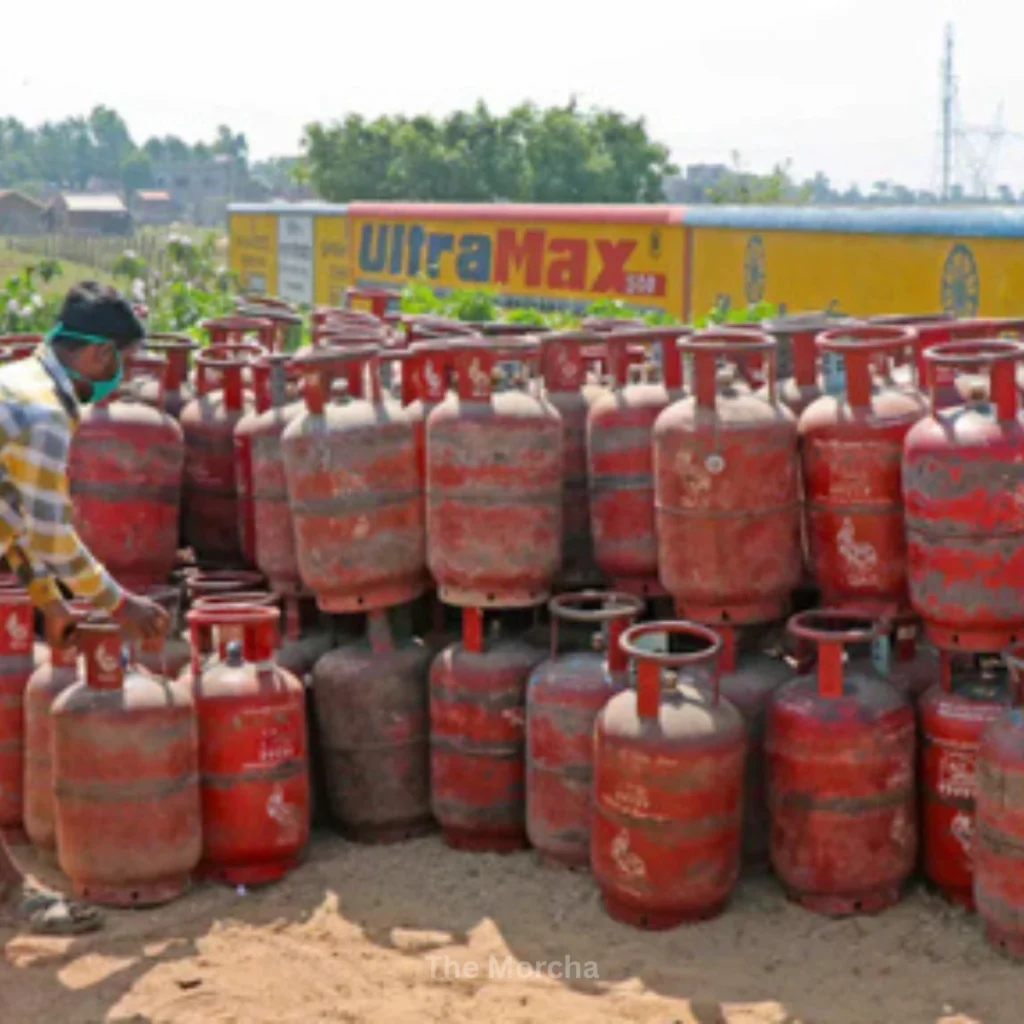
Mumbai Gas Crisis has become a major concern for businesses and residents as reports suggest that nearly 20% of hotels in the city have been forced to shut down due to a severe LPG shortage. The shortage is reportedly linked to the ongoing tensions in the Middle East, which have disrupted global energy supply chains. As one of India’s busiest economic hubs, Mumbai depends heavily on LPG for cooking and commercial use, especially in restaurants and hotels. The sudden supply disruption has triggered serious challenges for the hospitality industry, raising fears of rising food prices, job losses, and long-term economic effects.
Table of Contents
Understanding the Mumbai Gas Crisis
The Mumbai Gas Crisis did not happen overnight. It is the result of multiple global and domestic factors coming together at the same time. LPG (Liquefied Petroleum Gas) is widely used across India for cooking in homes, restaurants, and hotels.
Mumbai, being a densely populated metropolitan city, consumes a massive amount of LPG every day. When supply chains become unstable due to international conflicts or shipping disruptions, the effects are felt quickly in cities like Mumbai.
The recent tension in the Middle East has created uncertainty in energy markets. Since many countries depend on oil and gas shipments passing through the region, even small disruptions can have a major impact on supply.
How the Middle East Crisis Triggered the Problem
One of the biggest reasons behind the Mumbai Gas Crisis is the geopolitical instability in the Middle East. The region plays a crucial role in global energy production and transportation.
Many LPG shipments travel through critical sea routes such as the Strait of Hormuz. When conflicts or security threats occur in this region, shipping companies become cautious, and transportation costs rise sharply.
These disruptions reduce the availability of LPG in international markets. Countries that depend on imports—including India—may experience delays in deliveries and rising prices.
Because Mumbai relies on consistent LPG supply for thousands of restaurants and hotels, the disruption quickly translated into operational difficulties for businesses.
Why Hotels Are Among the Most Affected
The Mumbai Gas Crisis has hit the hospitality industry particularly hard. Hotels and restaurants depend on LPG cylinders for daily cooking operations.
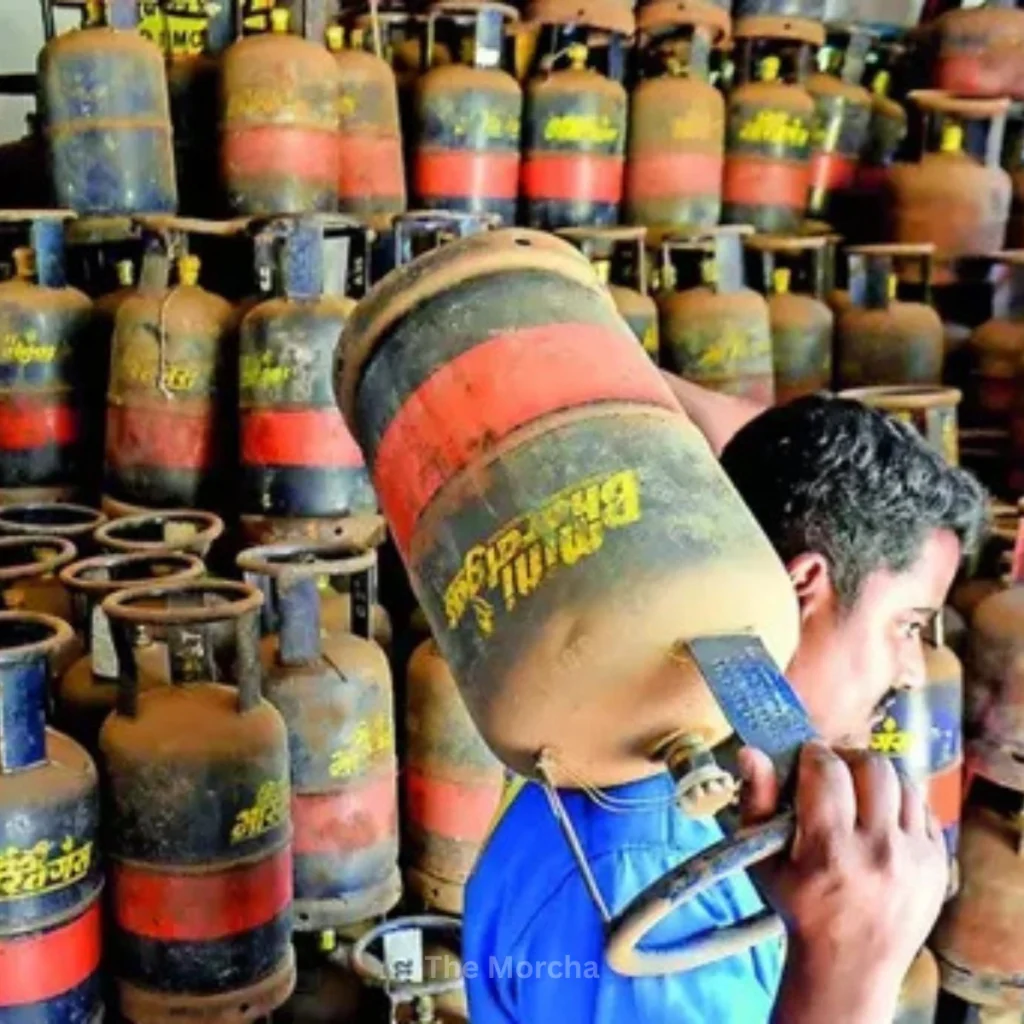
Large hotels may require dozens of cylinders every day to run their kitchens. When LPG supply becomes limited or expensive, it becomes extremely difficult for smaller hotels to continue operations.
According to reports circulating in the media, nearly 20% of Mumbai’s hotels have temporarily shut down due to the shortage. Some establishments are reducing their menus, while others are limiting operating hours.
For small business owners, the situation is especially challenging because their profit margins are already narrow.
Impact on Restaurant Owners and Workers
The Mumbai Gas Crisis is not only affecting hotel owners but also thousands of workers employed in the hospitality sector.
Restaurants employ chefs, waiters, cleaners, delivery workers, and administrative staff. When hotels close or reduce operations, employees may lose work hours or even their jobs.
Industry representatives have expressed concerns that prolonged gas shortages could lead to widespread job losses. Many workers in the hospitality sector depend on daily wages, making them particularly vulnerable during such crises.
Restaurant associations in Mumbai have urged authorities to ensure stable LPG supply to prevent further shutdowns.
Rising Food Prices for Customers
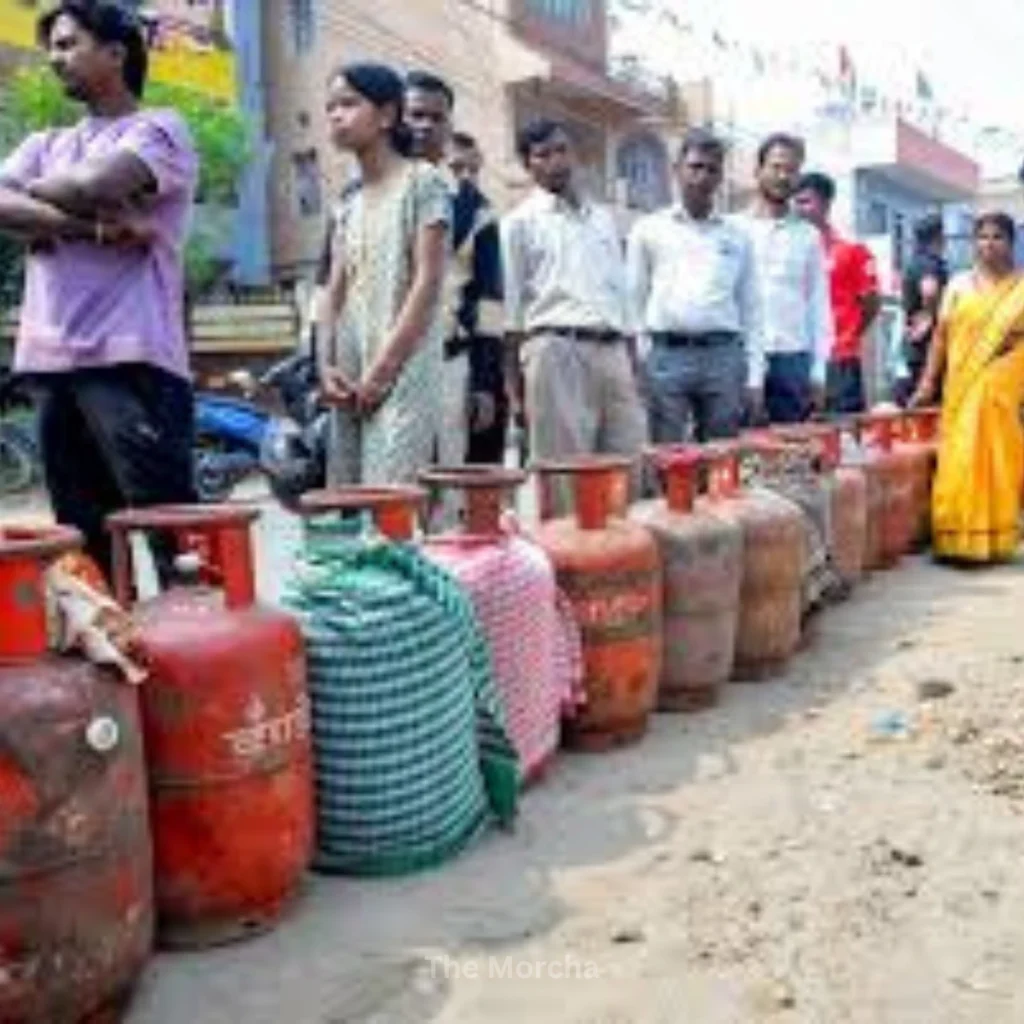
Another visible consequence of the Mumbai Gas Crisis could be higher food prices.
When restaurants face higher fuel costs or limited supply, they often increase menu prices to cover operational expenses. Customers may soon notice higher prices for common dishes at restaurants and food outlets.
Some hotels are also experimenting with alternative cooking methods or limited menus to reduce LPG consumption. However, such measures are temporary solutions and cannot fully replace regular gas supply.
If the shortage continues, the hospitality sector may face long-term financial strain.
Government and Industry Response
Authorities and industry groups are closely monitoring the Mumbai Gas Crisis.
Government agencies responsible for energy supply are working to stabilize LPG distribution and ensure that both households and businesses receive adequate supplies.
Industry associations have also urged policymakers to prioritize commercial LPG distribution to prevent widespread closures in the hospitality sector.
Some experts suggest that improving domestic energy storage and diversifying import sources could help India avoid similar crises in the future.
The Role of Global Energy Markets
The Mumbai Gas Crisis highlights how interconnected the global energy system has become.
Events happening thousands of kilometers away in the Middle East can directly influence energy availability in cities like Mumbai. Oil prices, shipping routes, and geopolitical tensions all affect LPG supply chains.
When global markets experience instability, countries that rely heavily on imports often face sudden price increases or shortages.
This situation demonstrates the importance of energy security and long-term planning for major economies like India.
Possible Solutions and Alternatives
Experts believe that the Mumbai Gas Crisis could encourage businesses and policymakers to explore alternative energy solutions.
Restaurants and hotels may gradually shift toward energy-efficient cooking technologies or electric appliances where possible. Some establishments are also considering induction cooking systems to reduce dependence on LPG.
At the policy level, expanding domestic gas storage capacity and strengthening supply chains could help reduce vulnerability to international disruptions.
However, such changes require time, investment, and coordinated efforts between the government and industry.
What the Future Might Look Like
If global energy markets stabilize, the Mumbai Gas Crisis could ease in the coming weeks or months. Once LPG shipments resume normally, hotels that temporarily shut down may reopen.
However, the situation serves as a reminder of how fragile supply chains can be during geopolitical conflicts.
Experts warn that cities dependent on imported energy must prepare contingency plans to handle similar disruptions in the future.
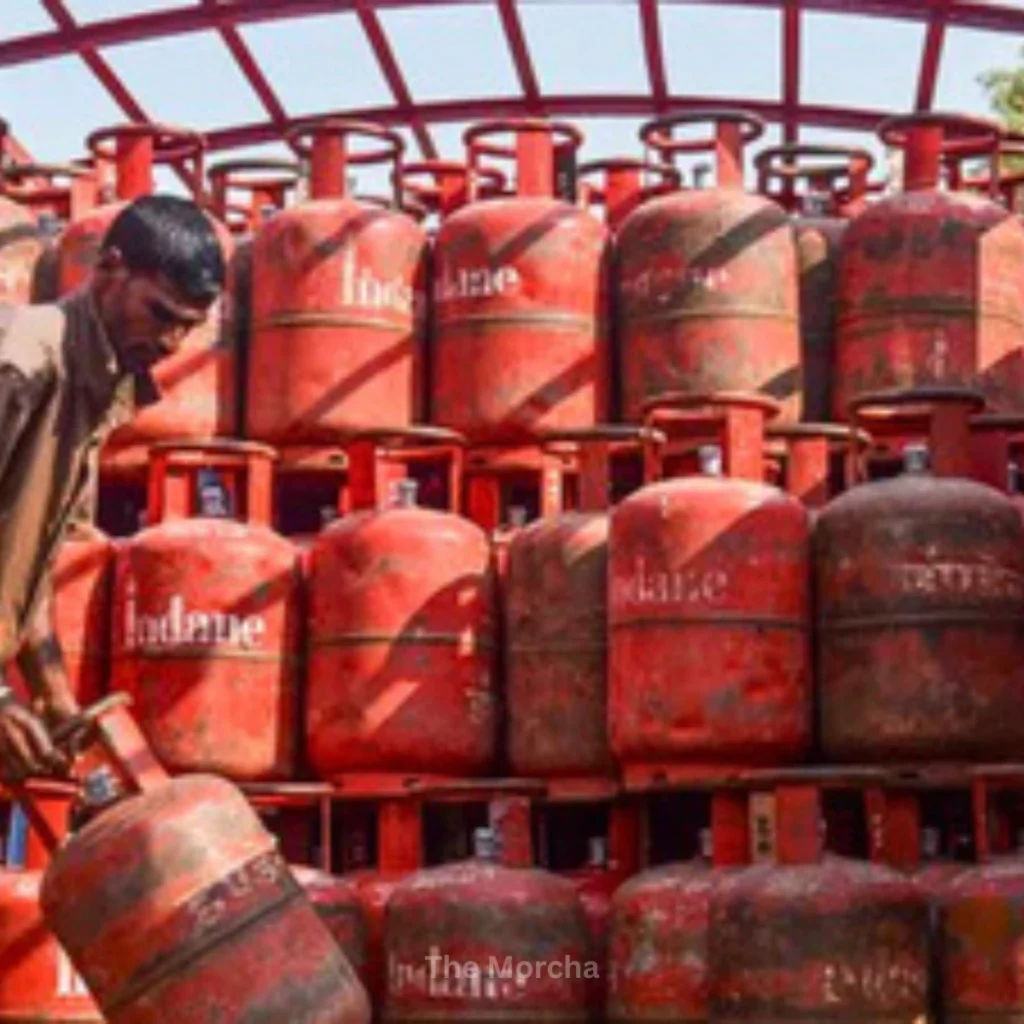
The Mumbai Gas Crisis has exposed the vulnerability of urban businesses to global energy disruptions. With reports suggesting that nearly 20% of Mumbai’s hotels have shut down due to LPG shortages, the hospitality sector is facing one of its most difficult challenges in recent years.
The crisis, largely linked to tensions in the Middle East, highlights the complex relationship between geopolitics and everyday economic activities. From restaurant owners to workers and customers, many people are feeling the impact.
While authorities and industry groups are working toward solutions, the situation underscores the need for stronger energy security strategies and diversified supply chains. Until the supply stabilizes, Mumbai’s hospitality industry may continue to face significant challenges.