
Middle East tensions and conflicts have once again brought global energy security into sharp focus. The region has long been considered the heart of the global oil and gas industry, supplying a significant share of the world’s energy resources. When instability or conflict occurs in this region, the effects are felt far beyond its borders, often impacting fuel prices, shipping routes, and economic conditions across the globe. As tensions increase, countries that rely heavily on imported energy begin preparing contingency plans to ensure that their domestic supply remains stable.
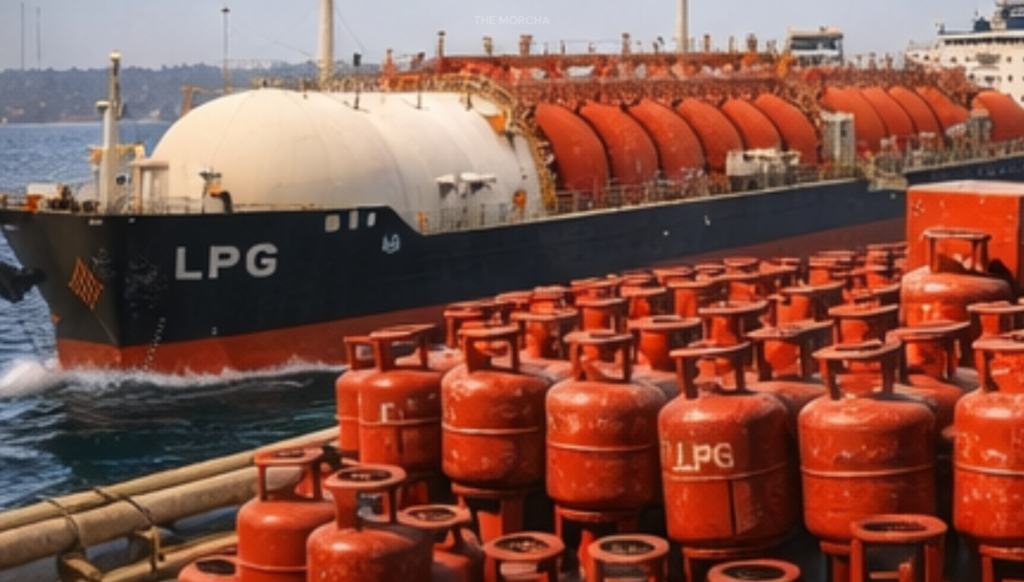
India, one of the world’s fastest-growing economies and the third-largest consumer of energy, is particularly sensitive to such developments. Recognizing the potential risks posed by Middle East instability, Indian authorities and major energy companies have started preparing to increase Liquefied Petroleum Gas (LPG) supply. This move is aimed at protecting the country’s energy security, stabilizing domestic markets, and ensuring that industries and households continue to receive uninterrupted energy supplies even during periods of global uncertainty.
Table of Contents
The Strategic Importance of the Middle East in Global Energy
The Middle East plays a central role in the global energy ecosystem. Countries such as Saudi Arabia, Qatar, the United Arab Emirates, Iraq, and Iran are among the largest producers and exporters of oil and petroleum products in the world. Their vast reserves and well-established export infrastructure allow them to supply energy to nations across Asia, Europe, and North America.
One of the most crucial aspects of Middle Eastern energy supply is its reliance on strategic maritime routes. The Strait of Hormuz, for example, is a narrow waterway through which a significant percentage of the world’s oil and LPG shipments pass each day. Any disruption in this region—whether due to military conflict, political tension, or security concerns—can have immediate consequences for global energy markets. For importing countries like India, ensuring alternative supply arrangements during such crises becomes extremely important.
Understanding Liquefied Petroleum Gas (LPG)
Liquefied Petroleum Gas, or LPG, is a mixture of hydrocarbon gases such as propane and butane that is compressed into liquid form for easy storage and transportation. LPG is widely used for cooking, heating, and small-scale industrial applications in many countries around the world.
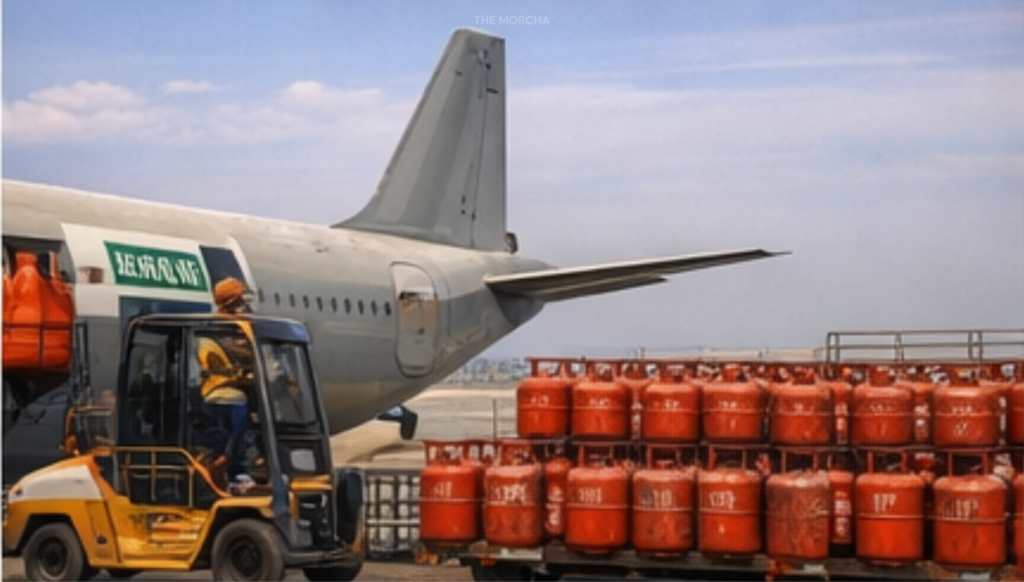
Once LPG reaches consumers, it is commonly distributed through cylinders or piped gas systems. In India, LPG cylinders are one of the most common household fuels, used by millions of families every day. Because it burns cleanly and efficiently, LPG has become an essential fuel for domestic cooking and is considered a safer and more convenient alternative to traditional fuels like firewood or coal.
India’s Growing Dependence on Imported Energy
India’s rapid economic growth has resulted in a dramatic rise in energy consumption. Industrial expansion, urbanization, and increasing living standards have created enormous demand for electricity and fuel. However, domestic production of oil and petroleum products has not been able to keep pace with this growing demand.
As a result, India imports a large share of its energy needs, including crude oil and LPG. A significant portion of these imports comes from Middle Eastern countries. While these partnerships have generally been stable and beneficial, geopolitical tensions in the region create uncertainty that could affect supply availability or prices.
Middle East Conflicts’ Effect on World Energy Prices
History has repeatedly shown that conflicts in the Middle East can lead to sudden spikes in global energy prices. Whenever tensions escalate or military confrontations occur, traders and investors anticipate potential supply disruptions. This anticipation often drives prices higher even before actual shortages occur.
For countries like India, rising energy prices can have widespread economic consequences. Higher fuel costs increase transportation expenses, raise electricity generation costs, and put pressure on industries that rely heavily on energy. These increases can eventually lead to inflation, affecting consumers and slowing economic growth.
India’s Strategy to Strengthen LPG Supply
To protect itself from potential supply disruptions, India has begun strengthening its LPG supply strategy. One key approach involves securing long-term contracts with global energy producers to ensure consistent deliveries regardless of market fluctuations.
In addition to long-term contracts, India is also exploring flexible supply arrangements that allow energy companies to purchase LPG from the global market when needed. This combination of long-term stability and short-term flexibility helps the country adapt to rapidly changing global conditions.
Expansion of LPG Import Infrastructure
India has been steadily expanding its LPG import and storage infrastructure to accommodate increasing demand. Several terminals and storage facilities are already operational across the country’s coastline, particularly in states such as Gujarat, Maharashtra, Kerala, and Andhra Pradesh.
These facilities receive LPG shipments and distribute them across the country through bottling plants and transportation networks. Additional terminals are currently under construction or in the planning stages to further increase capacity and strengthen the nation’s ability to handle larger LPG shipments.
Role of Major Indian Energy Companies
India’s LPG supply strategy relies heavily on the participation of major public and private sector energy companies. Organizations such as Indian Oil Corporation, Bharat Petroleum, and Hindustan Petroleum are responsible for importing LPG, managing storage terminals, and distributing cylinders across the country.
These companies are also investing in advanced technologies and infrastructure improvements to increase efficiency and reliability. Their efforts ensure that LPG imports can be handled safely and transported quickly to areas where demand is highest.
Diversification of Energy Import Sources
One of the most effective ways to reduce vulnerability to geopolitical risks is to diversify energy import sources. Instead of depending on a single region or supplier, countries can establish partnerships with multiple energy-producing nations.
India has been actively pursuing this strategy by importing LPG from different international suppliers while maintaining strong relationships with Middle Eastern producers. This diversification helps ensure that if supply from one region is disrupted, alternative sources can quickly fill the gap.
Government Policies Promoting LPG Usage
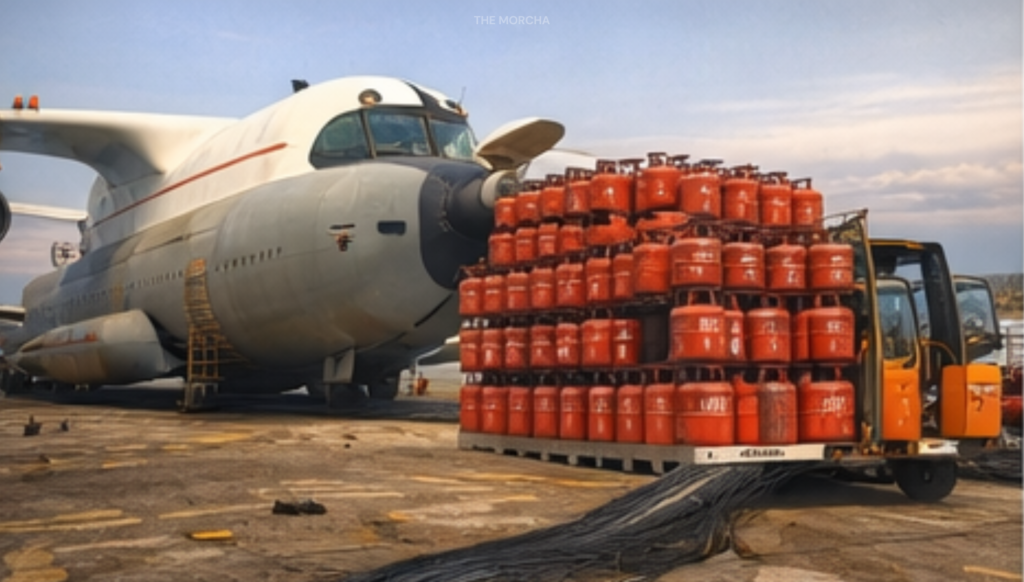
The Indian government has implemented several policy initiatives aimed at increasing the use of LPG throughout the country. Programs such as Pradhan Mantri Ujjwala Yojana have provided millions of households with LPG connections, encouraging a shift from traditional fuels to cleaner cooking energy.
These initiatives have significantly improved access to clean cooking fuel, especially in rural and low-income households. As a result, ensuring a stable LPG supply has become even more important for the government.
Environmental Advantages of LPG
LPG offers several environmental benefits compared to traditional fuels such as firewood, charcoal, and coal. When burned, it produces fewer harmful emissions and significantly less indoor air pollution.
For India, which faces major air pollution challenges in many regions, expanding LPG usage helps improve public health and environmental conditions. The use of LPG reduces smoke inside homes and contributes to better living standards for millions of families.
Global LPG Market Expansion
The global LPG market has grown steadily over the past few decades due to increasing demand for cleaner and more efficient fuels. Many oil-producing countries export LPG as part of their energy production activities.
Countries such as Saudi Arabia, Qatar, and the United States are major LPG exporters supplying markets around the world. This growing global market gives importing countries like India more opportunities to secure stable fuel supplies.
Infrastructure Development and Distribution Networks
A strong LPG supply system requires an extensive distribution network that includes storage terminals, bottling plants, transportation facilities, and retail distributors. India has been investing heavily in this infrastructure to ensure reliable supply.
These developments allow LPG cylinders to be delivered efficiently to urban and rural areas across the country. Improved infrastructure helps reduce delays and ensures that consumers receive fuel without interruption.
Economic Benefits of Strengthening LPG Supply
Ensuring a stable LPG supply has significant economic benefits for India. Households rely on LPG for daily cooking, while many small businesses such as restaurants and food vendors depend on it for their operations.
A reliable supply system supports economic activity, prevents fuel shortages, and helps maintain stable prices in the domestic market. This stability contributes to overall economic growth and consumer confidence.
International Energy Partnerships
India continues to strengthen partnerships with global energy producers to ensure consistent LPG supplies. Long-term agreements and trade partnerships play a crucial role in maintaining stable fuel imports.
These partnerships not only support energy security but also strengthen diplomatic and economic relationships between India and energy-producing nations.
Technological Advancements in LPG Storage and Transport
Advances in storage and transportation technologies have improved the safety and efficiency of LPG supply systems. Modern LPG tankers, storage tanks, and bottling plants are designed to maintain strict safety standards.
These technological improvements reduce risks during transportation and ensure that LPG can be delivered safely to consumers across the country.
Future Outlook for India’s LPG Supply
India’s demand for LPG is expected to continue growing as more households adopt clean cooking fuels and economic development increases energy consumption. To meet this demand, the country will continue expanding its import capacity and strengthening distribution infrastructure. With careful planning and continued investment, India aims to ensure that LPG remains affordable, accessible, and reliable for millions of consumers.
The escalating tensions in the Middle East serve as a reminder of how closely global energy markets are tied to geopolitical developments. For energy-importing nations like India, preparing for potential disruptions is essential to maintaining economic stability and ensuring uninterrupted fuel supplies.
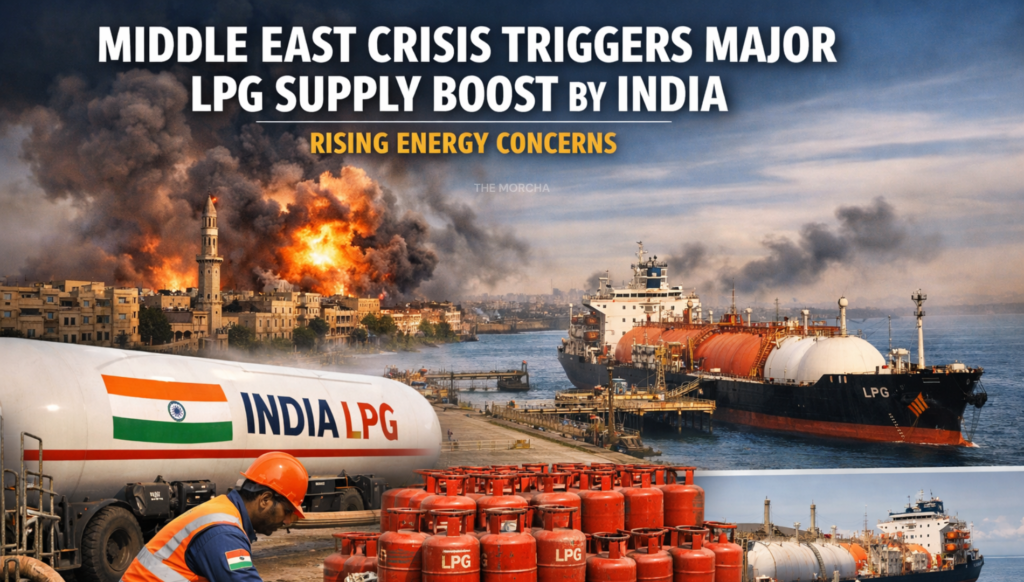
By increasing LPG supply preparedness, expanding infrastructure, diversifying import sources, and strengthening international partnerships, India is taking proactive steps to safeguard its energy future. These efforts demonstrate the country’s commitment to building a resilient energy system capable of supporting its growing economy in an uncertain global environment.