
Winter is a season of contrasts. While it brings cozy evenings, festive celebrations, and the opportunity to enjoy nature in its serene, frosty beauty, it also poses significant challenges to human health. The drop in temperature, reduced sunlight exposure, and changes in daily routines can collectively affect both physical and mental well-being. During these months, people are often more susceptible to illnesses such as colds, flu, and respiratory infections, while fatigue and seasonal affective disorder may also increase due to limited daylight and lower activity levels.
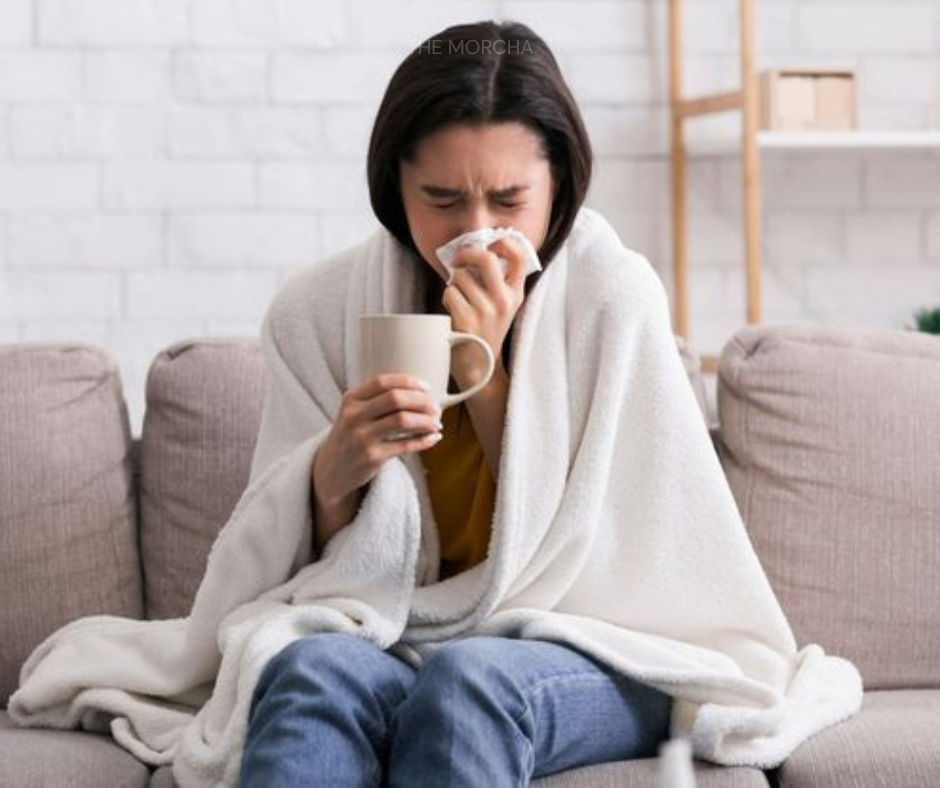
The body responds to cold in unique ways, from constricted blood vessels to shifts in immune function, making preventive care and lifestyle adjustments crucial. Maintaining health in winter is not just about avoiding sickness—it also involves sustaining energy, supporting immunity, preserving mental wellness, and ensuring the body functions optimally despite environmental stressors. Achieving this requires a comprehensive approach that integrates proper nutrition, regular physical activity, preventive measures, mental health practices, and thoughtful lifestyle adjustments, all working together to help individuals thrive during the colder months.
Table of Contents
Impact of Winter on Human Health
The human body is sensitive to environmental changes, and winter introduces several factors that can negatively impact health. Respiratory issues, including the common cold, influenza, bronchitis, and pneumonia, tend to increase during this season. Cold air causes blood vessels in the respiratory tract to constrict, which can weaken the immune defenses and make the body more susceptible to infections. Indoor heating, while necessary, often dries out the air, leading to irritation in the nose, throat, and lungs.
Crowded indoor spaces exacerbate the spread of infectious diseases, making winter a season of heightened caution for both young and elderly populations. Cardiovascular strain is another concern during cold months, as reduced temperatures can increase blood pressure and place extra stress on the heart.
Individuals with pre-existing conditions like hypertension or heart disease are particularly vulnerable, and sudden exposure to cold can trigger complications ranging from angina to heart attacks. Skin and hair health also suffers during winter due to low humidity and harsh winds, which can cause dryness, flakiness, and increased sensitivity. Chronic skin conditions such as eczema and psoriasis often worsen during this season, and hydration tends to decrease as people drink less water in cold weather.
Mental health challenges, including fatigue, irritability, and seasonal affective disorder, arise from shorter daylight hours and reduced exposure to natural sunlight, which affects serotonin and melatonin levels in the brain. Collectively, these factors make winter a period where both preventive and proactive health strategies are essential.
Nutrition and Diet for Winter Health
Nutrition plays a foundational role in maintaining wellness during the winter months. A diet rich in vitamins, minerals, antioxidants, and warm, nutrient-dense foods can enhance immunity, support energy levels, and maintain overall vitality. Immune-boosting foods such as citrus fruits, garlic, ginger, nuts, and seeds provide essential nutrients like vitamin C, vitamin E, and zinc, all of which help the body combat infections.
Green leafy vegetables such as spinach, kale, and broccoli supply antioxidants and minerals that are vital for the proper functioning of the immune system. In addition to nutrient-rich foods, warm meals such as soups, stews, porridges, and herbal teas are not only comforting but also help maintain body temperature and improve circulation.
Such foods can also reduce the body’s susceptibility to cold-induced stress. While focusing on nutrition, it is equally important to avoid processed, sugary, and fried foods that can suppress immune function and contribute to unwanted weight gain. Even in colder months, hydration should not be overlooked. Drinking adequate amounts of water, warm herbal teas, and soups ensures proper digestion, prevents dehydration, and keeps the skin and hair healthy. A balanced winter diet, when combined with other lifestyle practices, provides a foundation for maintaining resilience against seasonal illnesses.

Physical Activity in Winter
Maintaining regular physical activity during winter is crucial for physical and mental well-being. Exercise improves cardiovascular health, strengthens muscles, boosts immunity, and helps regulate mood. Despite colder temperatures, it is important not to reduce activity levels, as sedentary behavior can contribute to weight gain, fatigue, and decreased immunity. Indoor exercises such as yoga, Pilates, strength training, and aerobics provide effective alternatives for cold days, while outdoor activities such as brisk walking, jogging, cycling, or skiing are beneficial when dressed appropriately.
Layered clothing, gloves, hats, and scarves help maintain body warmth, and warming up properly prevents injuries during outdoor exercise. Cold air can irritate the respiratory system, so breathing through the nose or covering the mouth with a scarf can reduce discomfort. Regular physical activity also supports mental health by releasing endorphins, reducing stress, and combating seasonal depression. Overall, exercise in winter not only supports physical health but also enhances mood, energy, and overall quality of life.
Preventive Measures and Immunity Boosting
Preventive care is especially important during winter. Vaccinations such as the seasonal influenza shot, pneumococcal vaccines, and COVID-19 boosters are essential for protecting against infections that become more prevalent during the cold months. Hygiene practices, including frequent handwashing, wearing masks in crowded areas, and avoiding close contact with sick individuals, are simple yet effective measures to reduce the risk of illness. Adequate sleep is another critical factor in maintaining immunity, as adults should aim for 7–9 hours of restorative sleep each night.
Additionally, supplements like vitamin D, vitamin C, and zinc may be recommended by healthcare providers, particularly for individuals with known deficiencies. Preventive measures extend to environmental adjustments as well, including using humidifiers to combat dry indoor air, ventilating rooms regularly, and maintaining cleanliness to reduce exposure to germs. A comprehensive approach to prevention ensures that the body is well-equipped to resist infections and maintain optimal function during the challenging winter season.
Mental Health and Well-Being in Winter
Winter can significantly impact mental health due to reduced sunlight, shorter days, and limited outdoor activity. Seasonal affective disorder (SAD) is a condition in which individuals experience depression, fatigue, and decreased motivation during the winter months. To combat this, increasing exposure to natural light, practicing mindfulness or meditation, and maintaining social interactions are effective strategies. Stress management is also crucial, as winter can bring pressures related to holidays, weather conditions, and seasonal routines.
Engaging in hobbies, maintaining physical activity, and establishing structured routines can reduce stress levels. Mind-body practices such as yoga, deep breathing exercises, and Tai Chi not only improve mental resilience but also enhance immune function and reduce physical tension. Addressing mental health proactively is as important as managing physical health, as a balanced mind contributes to overall wellness during winter.
Common Winter Illnesses and Their Management
Winter brings with it a range of health challenges, many of which require careful attention and proactive management. Respiratory infections are among the most common concerns, including the common cold, influenza, and bronchitis. The combination of cold weather, indoor crowding, and weakened immunity during the season increases the risk of contracting these illnesses. Effective management often involves a combination of rest, proper hydration, and the consumption of warm fluids, which help soothe the throat and ease congestion.
Over-the-counter medications can relieve symptoms such as fever, cough, and nasal congestion, while consulting a healthcare professional becomes essential if symptoms persist or worsen. Preventive measures, including frequent handwashing, avoiding close contact with sick individuals, and vaccination against influenza, play a crucial role in minimizing the risk of infection.
Extreme cold introduces the risk of hypothermia and frostbite, which can become serious if not addressed promptly. Hypothermia occurs when the body loses heat faster than it can generate, leading to dangerously low core temperatures. Frostbite primarily affects exposed extremities such as fingers, toes, ears, and the nose, resulting in numbness, discoloration, and tissue damage. Preventing these conditions requires wearing adequate layered clothing, limiting prolonged exposure to harsh weather, and keeping the body dry at all times.
Recognizing early warning signs—such as shivering, pale skin, or tingling in extremities—allows for timely intervention and reduces the likelihood of complications. Joint pain and arthritis flare-ups are also commonly reported during winter. Cold and damp conditions can worsen discomfort, stiffness, and inflammation in affected joints. Simple measures like warm baths, gentle stretching, and regular low-impact exercise can help maintain flexibility and reduce pain. Skin health is another area of concern, as dry indoor air and cold winds often lead to dryness, chapped lips, eczema flare-ups, and increased sensitivity.
Applying moisturizers, using gentle cleansers, and staying hydrated are practical steps to maintain skin integrity during the season. Awareness of these common winter illnesses and implementing preventive or management strategies early can significantly improve comfort, reduce complications, and ensure overall wellness throughout the colder months.
Lifestyle Adjustments for Winter Health
Adapting everyday habits to winter conditions is essential for maintaining overall health and resilience during the colder months. One of the most important adjustments is dressing appropriately for the weather. Wearing layers, thermal clothing, scarves, gloves, and hats helps preserve body heat, protects against frostbite and hypothermia, and reduces the risk of cold-related illnesses. Proper footwear that insulates against wet or icy conditions is also important, as exposure to cold and damp feet can weaken immunity and increase susceptibility to infections.
Maintaining indoor hygiene and comfort is another key lifestyle adjustment. Proper ventilation, regular cleaning, and controlling indoor humidity through the use of humidifiers or ventilation systems can reduce the concentration of germs, improve respiratory comfort, and prevent the dry skin and nasal irritation often associated with heated indoor environments. Limiting alcohol consumption and avoiding smoking are equally important, as both habits impair immune function and can make the body more vulnerable to infections.
Establishing a balanced daily routine that integrates nutrition, regular exercise, mental wellness practices, and preventive care ensures holistic health throughout the season. This might include setting fixed times for meals rich in immune-supporting nutrients, incorporating indoor or outdoor physical activity, scheduling time for relaxation and stress management, and maintaining consistent sleep patterns.
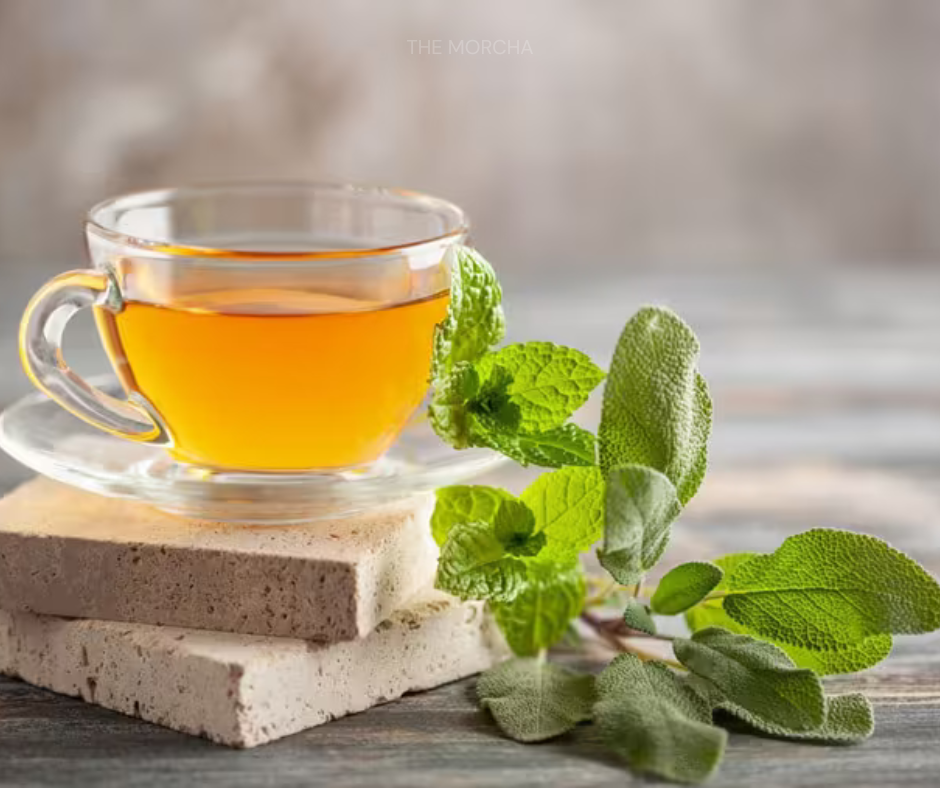
Small but intentional lifestyle adjustments, such as staying hydrated, taking short outdoor walks for sunlight exposure, and practicing mindfulness, collectively strengthen physical and mental well-being. By being proactive and mindful of these habits, individuals can not only mitigate the challenges posed by winter but also enhance their overall resilience, energy, and quality of life during the season.
Special Considerations for Vulnerable Populations
During winter, certain groups of people are more susceptible to health risks and require additional care and attention to ensure their safety and well-being. Elderly individuals are particularly vulnerable due to age-related changes in body temperature regulation, weakened immunity, and pre-existing health conditions. Cold temperatures can increase the risk of hypothermia, cardiovascular complications, and respiratory infections.
To protect them, it is essential to provide warm clothing, ensure proper heating at home, encourage vaccination against influenza and pneumonia, and maintain regular medical check-ups to monitor chronic conditions. In addition, social support and regular communication can help reduce isolation, which is often a concern during the colder months.
Children are another group that needs careful attention during winter. Their developing immune systems make them more prone to colds, flu, and other infections, while limited outdoor activity and changes in diet can lead to vitamin deficiencies. Parents and caregivers should focus on providing a balanced diet rich in essential nutrients, ensuring adequate hydration, and supervising outdoor play to prevent exposure to extreme cold. Encouraging physical activity, even indoors, also helps maintain strength and energy levels.
People with chronic health conditions, such as diabetes, hypertension, heart disease, or respiratory disorders, face additional challenges during winter. Cold weather can exacerbate symptoms and increase the risk of complications. It is crucial for these individuals to take prescribed medications on time, monitor their symptoms closely, avoid prolonged exposure to cold, and maintain a healthy lifestyle that supports immune function.
Tailoring winter health strategies to the specific needs of these vulnerable populations—through nutrition, preventive care, environmental adjustments, and regular monitoring—ensures greater safety, reduces the risk of illness, and promotes overall wellness. By addressing the unique challenges faced by these groups, winter can be navigated more comfortably and safely for those who are most at risk.
Holistic Approach to Winter Health
Maintaining good health during winter requires a holistic strategy that addresses both the physical and mental challenges posed by the season. Nutrition plays a central role, as a diet rich in vitamins, minerals, and warm, nutrient-dense foods not only strengthens the immune system but also provides energy to cope with colder temperatures. Incorporating fresh fruits, vegetables, whole grains, nuts, and soups or stews helps the body fight infections while keeping it warm and nourished.
Regular physical activity is equally important, supporting cardiovascular health, muscular strength, and joint flexibility. Exercise also improves circulation, helps regulate body temperature, and releases endorphins, which boost mood and reduce stress during the darker winter months.
Mental well-being is another critical component of a holistic approach. Reduced sunlight and shorter days can lead to fatigue, irritability, and even seasonal affective disorder, making practices such as mindfulness, meditation, adequate social interaction, and exposure to natural light essential. Preventive care further strengthens winter health, with vaccinations, good hygiene, hydration, and quality sleep reducing the risk of seasonal illnesses and supporting overall immunity.
Finally, environmental and lifestyle adjustments play a crucial role: wearing appropriate layered clothing, maintaining indoor heating, using humidifiers to counter dry air, and creating safe, comfortable spaces all help the body adapt to winter conditions. By integrating these elements—nutrition, physical activity, mental wellness, preventive care, and environmental management—individuals can maintain resilience, energy, and overall well-being, allowing them to navigate the winter season not merely safely but with strength and vitality.
Embracing Winter with Holistic Health
Winter brings unique challenges to both physical and mental health, from the increased risk of colds, flu, and respiratory issues to the strain cold weather places on the cardiovascular system and the impact of shorter daylight hours on mood and energy. Dry air, harsh winds, and reduced outdoor activity can also affect skin, hair, and overall immunity. However, these challenges can be effectively managed with a thoughtful and proactive approach that prioritizes overall wellness.
Maintaining a balanced diet rich in immune-boosting nutrients, including fruits, vegetables, nuts, and warm, comforting meals, forms the foundation of winter health. Regular physical activity—whether indoors through yoga, strength training, or outdoors with proper clothing—supports circulation, strengthens the body, and improves mental resilience. Preventive measures such as vaccination, good hygiene, adequate hydration, and sufficient sleep further reduce the risk of seasonal illnesses. Mental well-being should not be overlooked; mindfulness practices, exposure to natural light, stress management, and social engagement help counter the effects of shorter days and seasonal mood changes.

Lifestyle adjustments such as wearing layers, protecting the skin, maintaining indoor humidity, and taking special care of vulnerable populations—children, the elderly, and those with chronic illnesses—enhance comfort and safety during winter. By combining these strategies, individuals can navigate the colder months with strength, resilience, and vitality. Winter, rather than being a season of illness or limitation, can become a period of self-care, wellness, and growth. Through a holistic approach that balances nutrition, activity, preventive care, and mental health, people can enjoy the season’s beauty and challenges while remaining healthy, energized, and resilient.