
Water is the foundation of life, health, agriculture, industry, and economic development. Yet, in India, access to safe and clean drinking water has become one of the most serious national challenges of the 21st century. According to the Bhaskar Research report highlighted in the newspaper article, contaminated drinking water causes nearly 2 lakh (200,000) deaths every year in India, with diarrheal diseases being the leading cause. Even more alarming is the fact that around 60 crore (600 million) people are currently living under water stress due to polluted water, and this crisis could lead to a 6% loss in India’s GDP if not addressed urgently.
This report brings attention not only to the health crisis caused by polluted water but also to its deep economic, environmental, and social consequences. It highlights the urgency of improving water quality, conserving available water resources, and adopting modern technologies for water management.
Table of Contents
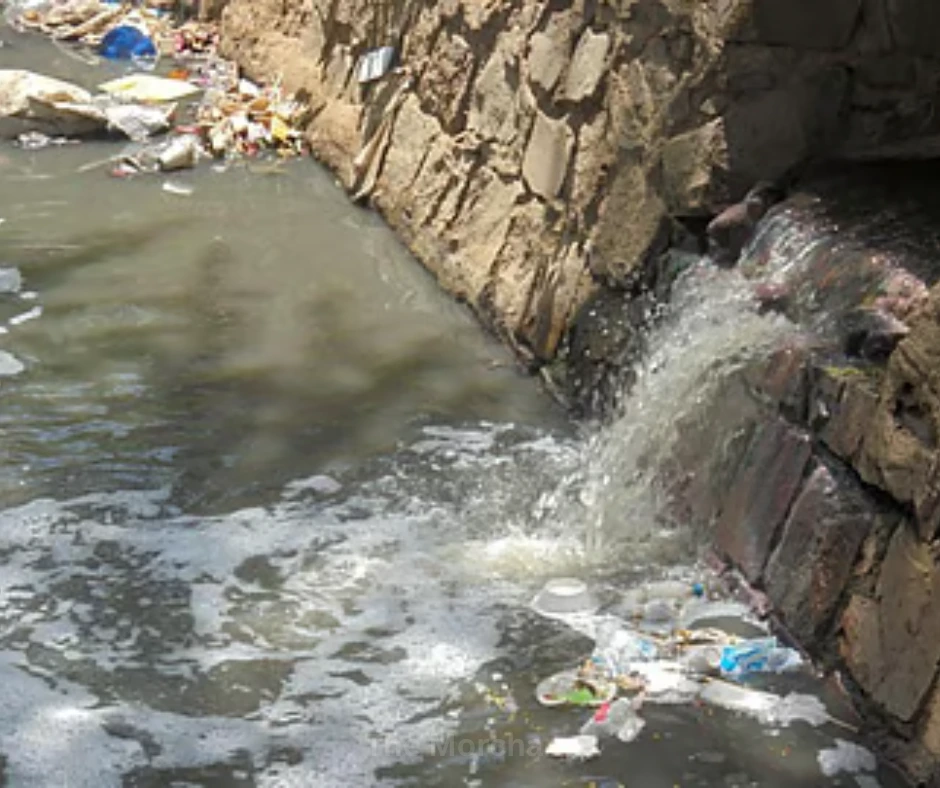
Current Status of Drinking Water in India
- Extent of Water Pollution
According to the report:
- Nearly 70% of India’s drinking water sources are contaminated.
- India ranks 122nd out of 120 countries in terms of water quality, indicating a severe water safety problem.
- A large part of India’s population depends on groundwater, which is increasingly polluted due to natural and human-made contaminants.
India has only 4% of the world’s freshwater resources, but it supports about 17% of the world’s population. This imbalance alone makes water management extremely challenging.
- Groundwater Dependency
- About 85% of drinking water in India comes from groundwater sources.
- Over-extraction, lack of recharge, and contamination have severely degraded groundwater quality.
- A 2023 study analyzing 15,259 groundwater samples revealed widespread contamination.
Key Contaminants Found:
- Nitrate 19.8%
- Fluoride 9.04%
- Arsenic 3.55%
- Iron 13.2%
- Chloride 3.07%
- Electrical Conductivity (Salinity) 7.25%
- Uranium 6.60%
These substances pose serious long-term health risks, including cancer, kidney failure, bone deformities, and neurological disorders.
Health Impacts of Contaminated Drinking Water
- Water-Borne Diseases
The most severe impact of polluted water is on public health. From 2005 to 2022:
- Over 20.98 crore cases of water-borne diseases were reported in India.
- Diarrhea alone accounted for 86% of these cases.
Other common diseases include:
- Cholera
- Typhoid
- Hepatitis A and E
- Dysentery
Children under the age of five and elderly people are the most vulnerable.
- Annual Death Toll
- Around 2 lakh deaths occur every year due to unsafe drinking water.
- Most deaths are preventable with access to clean water and basic sanitation.
- Rural and low-income urban areas are the worst affected due to poor infrastructure.
- Long-Term Health Effects
Chronic exposure to contaminated water leads to:
- Skeletal fluorosis (due to excess fluoride)
- Skin lesions and cancer (arsenic)
- Kidney damage (uranium)
- High blood pressure and digestive issues (high salinity)
- Developmental issues in children
- These health problems reduce productivity and increase healthcare costs.
Economic Impact of Water Pollution
- GDP Loss
The report estimates that India could lose up to 6% of its GDP due to water-related issues. This loss occurs through:
- Reduced labor productivity
- Increased healthcare expenditure
- Losses in agriculture and industry
- Migration caused by water scarcity
- Impact on Agriculture
- Agriculture consumes over 80% of India’s freshwater.
- Polluted water reduces crop quality and soil fertility.
- Farmers face income loss and rising debt.
- Industrial Losses
- Industries require large quantities of clean water.
- Water shortages disrupt production, increase costs, and reduce competitiveness.
- Polluted water also damages machinery and increases treatment expenses.
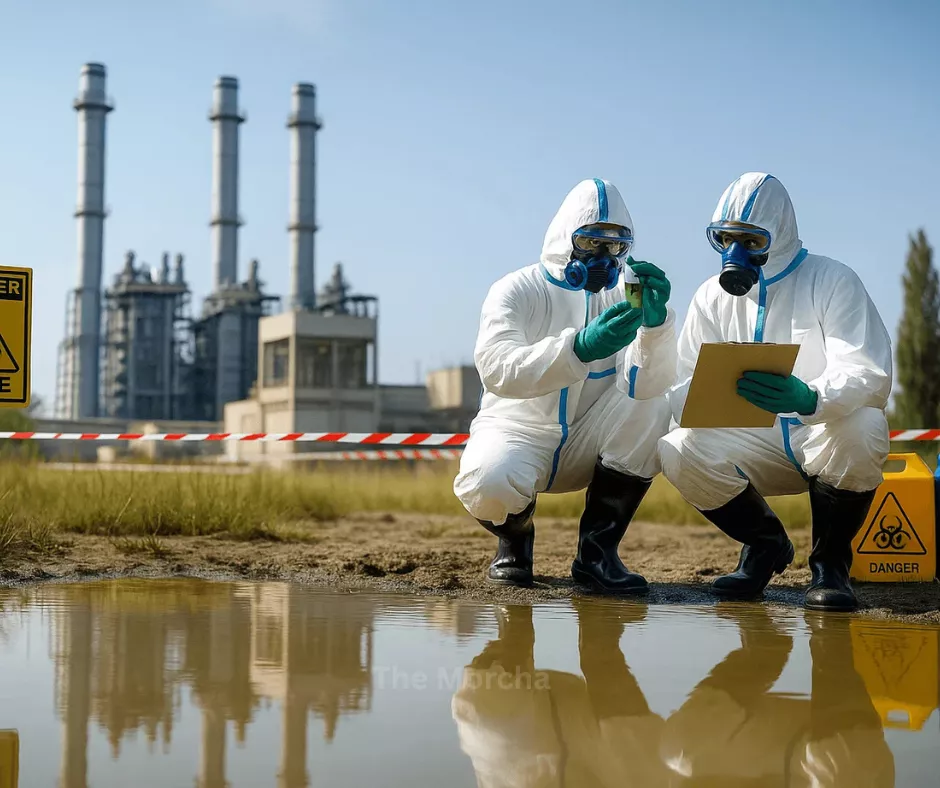
Reasons Behind Water Crisis in India
- Population Pressure
India’s rapidly growing population places enormous pressure on limited water resources.
- Urbanization and Industrialization
- Untreated industrial waste is discharged into rivers and groundwater.
- Urban sewage systems are inadequate and outdated.
- Agricultural Practices
- Excessive use of chemical fertilizers and pesticides leads to nitrate contamination.
- Over-irrigation depletes groundwater levels.
- Climate Change
- Irregular rainfall patterns
- Increased frequency of droughts and floods
- Reduced groundwater recharge
Water Scarcity and Future Projections
According to the report:
- By 2030, India’s water demand may become twice the available supply.
- Millions of people could face severe water shortages.
- Major cities could experience “Day Zero” situations similar to Cape Town.
Without immediate action, the crisis will worsen dramatically.
Importance of Water Conservation
The article highlights that India saves far less water than required. Preventing wastage is as important as increasing supply.
Major Causes of Water Wastage:
- Leakage in pipelines (up to 40% water loss)
- Inefficient irrigation methods
- Poor household practices
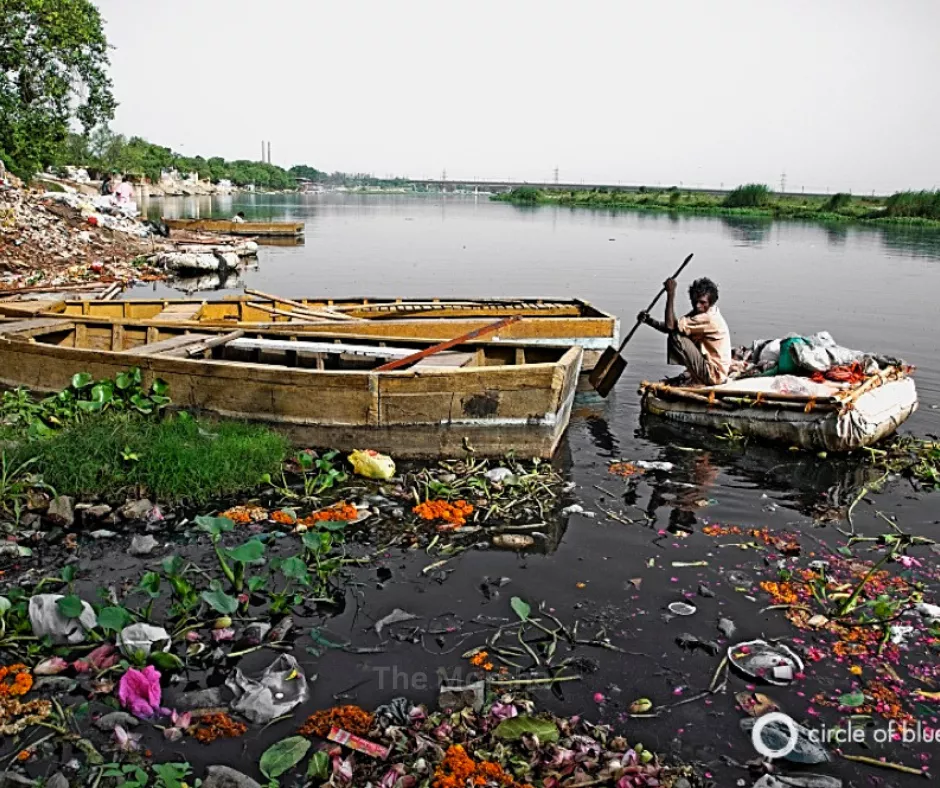
Solutions and Best Practices
- Water Safety Planning
The World Health Organization (WHO) recommends a Water Safety Plan, which includes:
- Identifying risks from source to consumer
- Monitoring water quality regularly
- Preventing contamination at every stage
- Smart Water Management Technologies
a) Leak Detection Systems
- Advanced sensors detect pipeline leaks.
- Can save millions of liters of water daily.
b) Smart Water Meters
- Track household water usage
- Help reduce consumption by 15–20%
- Successfully implemented in the UK
- Use of Artificial Intelligence (AI)
- Companies like Rezatec use AI and satellite imaging to:
- Monitor groundwater levels
- Detect illegal water extraction
- Predict droughts and water stress zones
This technology is already helping regions like Punjab and Haryana.
- Rainwater Harvesting
- Collecting and storing rainwater for later use
- Reduces dependence on groundwater
- Mandatory in many states but poorly enforced
- Wastewater Treatment and Reuse
- Treating sewage and industrial wastewater
- Reusing treated water for irrigation and industry
- Reduces freshwater demand
Role of Government and Policy
- Jal Jeevan Mission
- Goal: Give every rural household access to clean tap water.
- Focus on water quality testing and infrastructure
- Atal Bhujal Yojana
- Focuses on sustainable groundwater management
- Encourages community participation
- Need for Stronger Regulations
- Strict enforcement against industrial pollution
- Regular monitoring of water quality
- Transparent data sharing
Role of Citizens
Every individual can contribute by:
- Fixing leaking taps
- Using water-efficient appliances
- Avoiding water wastage
Supporting local water conservation initiatives
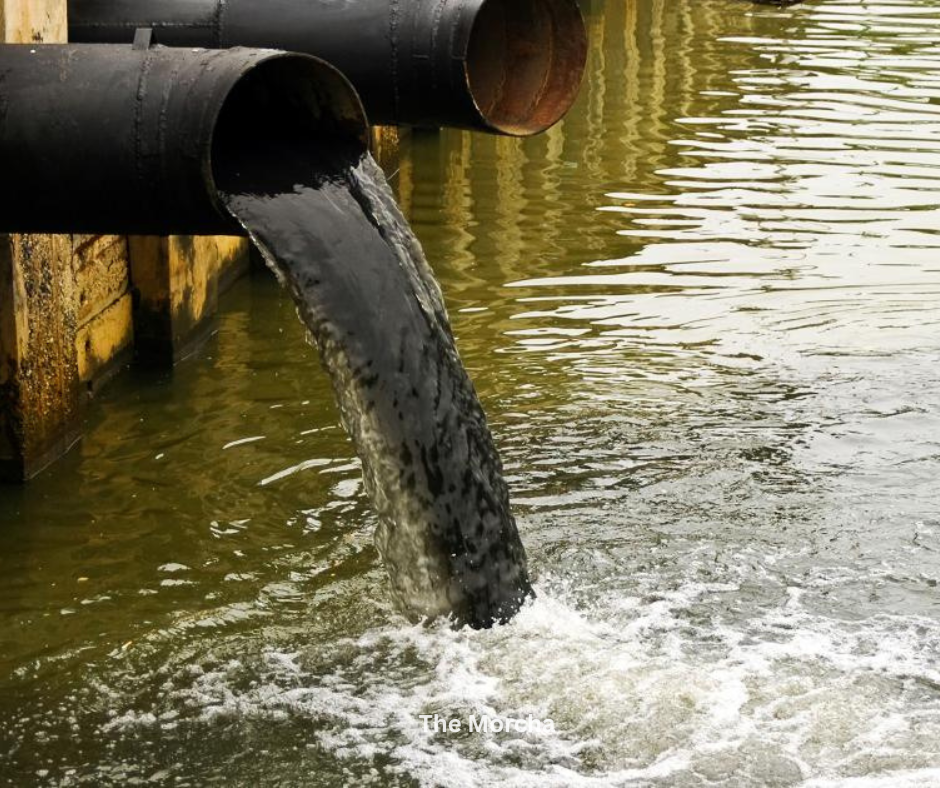
Even modest household actions can have a significant overall impact.
In addition to being an environmental problem, India’s tainted drinking water crisis poses a threat to public health and the country’s economy. With 60 crore people affected, 2 lakh deaths annually, and a potential 6% GDP loss, the urgency of action cannot be overstated.
India must adopt a multi-dimensional approach involving:
- Technology
- Policy reform
- Community participation
- Sustainable water use practices
Clean water is a fundamental human right, not a luxury. India’s future health, prosperity, and sustainability depend on the management and protection of this valuable resource.