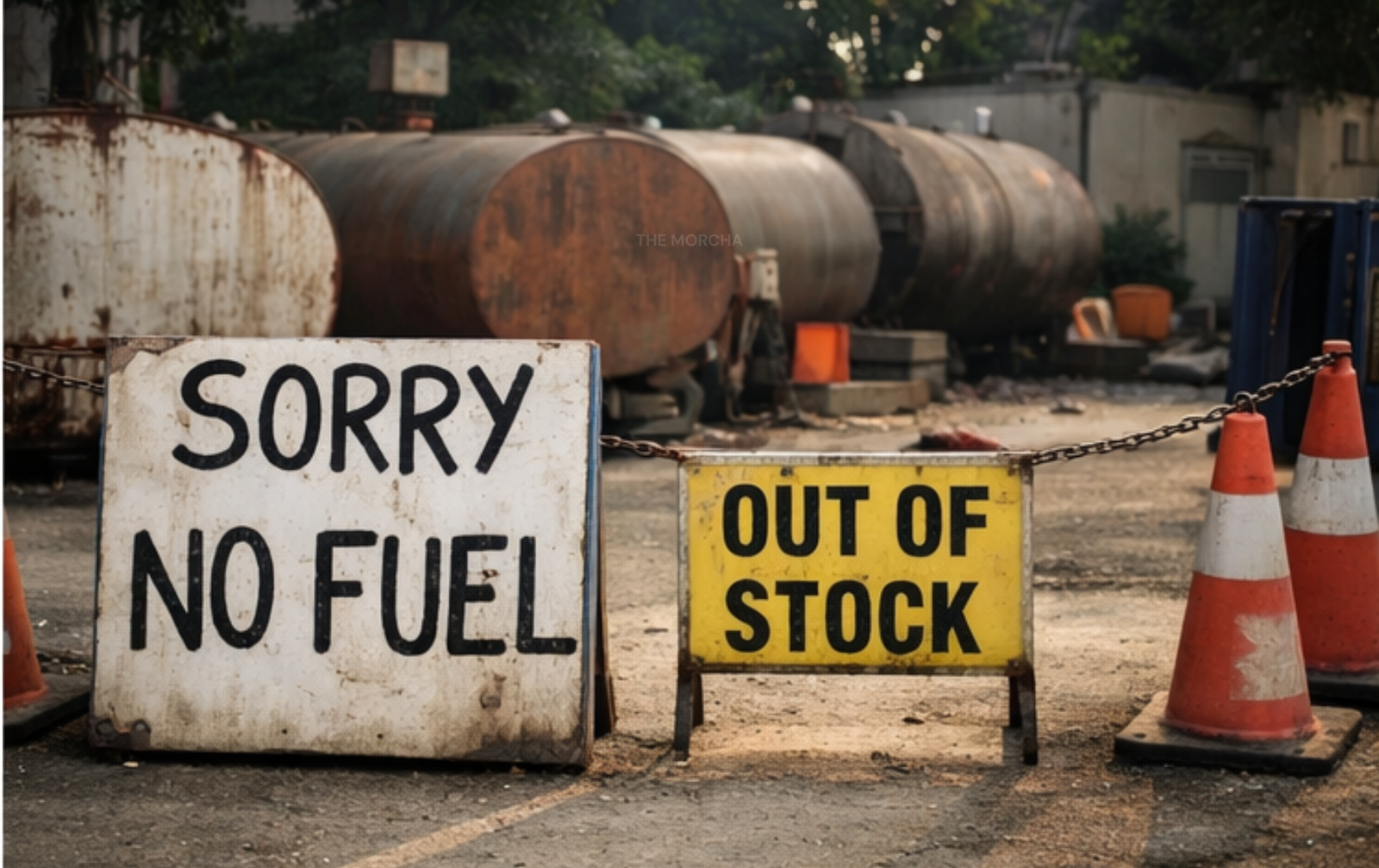
UP petrol panic buying has recently become a major phenomenon affecting daily life in Uttar Pradesh. Across cities like Lucknow, Kanpur, Varanasi, and countless smaller towns, long queues of vehicles have formed outside petrol pumps, often stretching for several kilometers. Citizens are rushing to fill their tanks not merely out of necessity, but out of fear—fear of potential price hikes, fear of supply shortages, and fear of being left without fuel for essential travel.

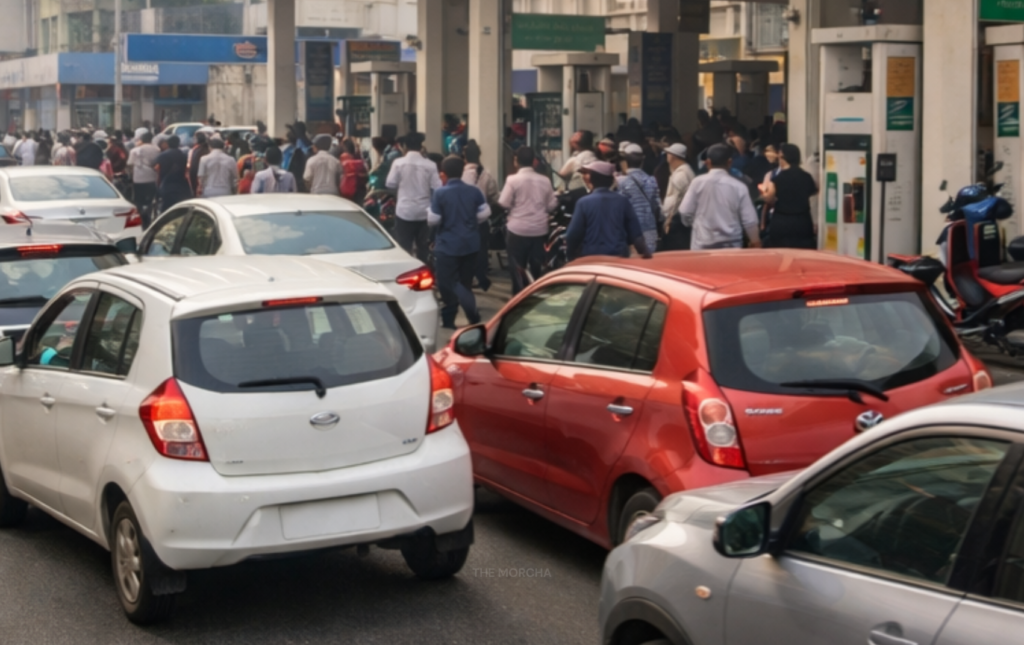
This panic buying is more than just a temporary inconvenience; it reflects broader social, psychological, and economic dynamics that can create widespread disruption. When large populations act on fear simultaneously, it can turn ordinary logistical operations into chaotic situations, overwhelming petrol pump staff, clogging traffic, and even increasing tensions among citizens. Understanding why people engage in panic buying, what consequences it produces, and how both authorities and individuals can respond is critical to managing such crises effectively.
Table of Contents
What Is Panic Buying and How It Happens
Panic buying occurs when consumers purchase goods in excess due to the perception of scarcity, real or imagined. Unlike typical purchasing behavior, which is guided by routine needs or convenience, panic buying is motivated primarily by emotion—most commonly fear. In the context of UP petrol panic buying, people do not base their decisions solely on the fuel they require; rather, they are reacting to signals from the environment.
These signals may include news of potential price increases, viral social media posts showing long queues, or word-of-mouth warnings about possible shortages. Panic buying spreads rapidly because human behavior is highly social: when one individual starts buying more than necessary, neighbors and friends may follow suit, creating a chain reaction. This feedback loop can cause temporary fuel shortages even when overall supply is adequate, illustrating the power of perception over reality in driving human behavior.
Historical Perspective of Panic Buying in India
India has a long history of panic buying during periods of economic uncertainty or crises. During demonetization in 2016, citizens rushed to banks and ATMs to withdraw cash and secure essential items, leading to long lines and supply disruptions. During the COVID-19 pandemic, panic buying was observed across multiple categories including groceries, sanitizers, medicines, and fuel, as people feared lockdowns and supply interruptions.
Similarly, previous incidents in states like Maharashtra, Delhi, and Karnataka showed that panic buying is often triggered by rumors of price hikes, strikes in supply chains, or temporary shortages. Uttar Pradesh, with its extremely high population and heavy dependence on road transport, experiences more visible and immediate effects from panic buying than many other states. These historical patterns demonstrate that panic buying is not a new phenomenon but one that repeats whenever fear intersects with scarcity perception.
Key Causes of UP Petrol Panic Buying
There are multiple interrelated causes behind UP petrol panic buying, which combine psychological, social, and economic factors.
- Price Hike Speculation: Fuel prices fluctuate based on global crude oil costs, taxes, and government policies. Even minor anticipated increases can trigger panic because citizens want to avoid paying more in the near future.
- Supply Chain Concerns: Rumors of transport strikes, refinery maintenance, or pipeline disruptions can trigger fears that petrol may run out. People respond by purchasing fuel in larger quantities than needed.
- Social Media Influence: Social media platforms amplify the panic. A single viral video showing a long queue at a pump can create mass anxiety, with citizens rushing to refill before they believe the fuel disappears.
- Psychological Factors: Humans naturally fear scarcity, and the loss-aversion instinct drives individuals to hoard. This behavior is not rational but is a deeply ingrained survival mechanism. In a densely populated state like UP, these factors intensify, creating a perfect storm for panic buying.
Immediate Impacts on Citizens
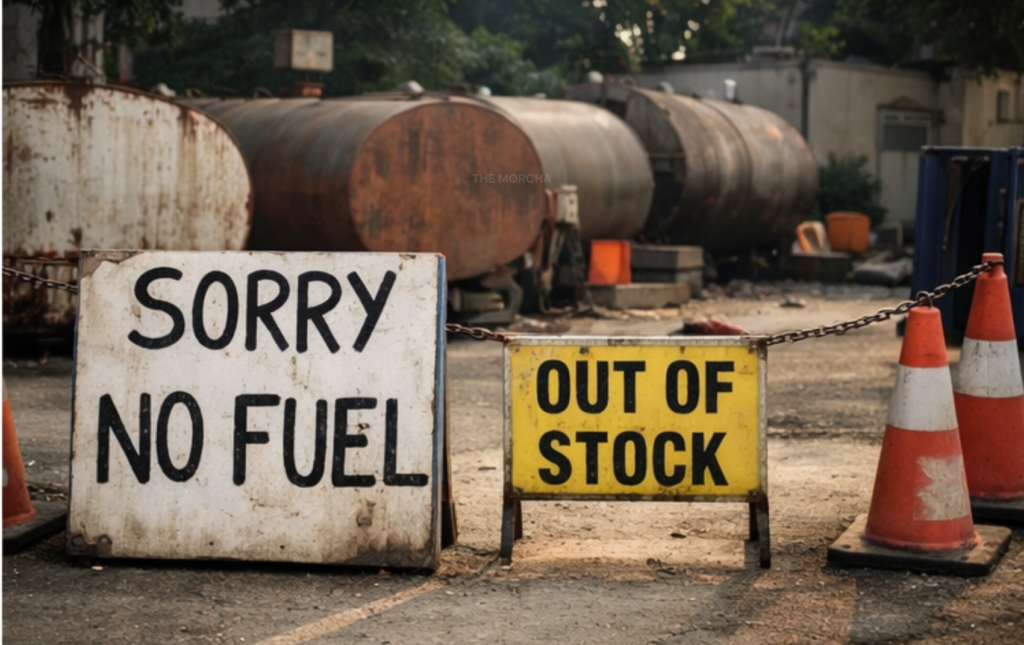
The effects of panic buying on the public are immediate and tangible. Citizens experience longer waiting times at petrol pumps, often losing hours of productivity in the process. Traffic congestion near fuel stations becomes a daily problem, creating delays for commuters and emergency vehicles. Panic and stress levels rise, particularly for those who depend on their vehicles for work or essential travel. This situation also exacerbates frustration and anxiety, as people feel they must compete for a limited resource. In extreme cases, tensions between citizens can escalate, leading to minor conflicts or arguments at fuel stations. These social and psychological stresses highlight that panic buying is not just an economic issue but also a public safety and social stability concern.
Impacts on Petrol Pumps and Retailers
Petrol pumps and their staff face severe operational challenges during periods of panic buying. When hundreds of vehicles arrive simultaneously, pumps may run out of fuel faster than expected, creating the perception of shortage even when deliveries are timely. Managing long queues becomes stressful and increases the risk of accidents or disputes among customers. Staff fatigue, errors in transactions, and delays in refueling can further aggravate the situation. Some retailers, tempted by the high demand, may increase fuel prices or implement informal rationing, which can worsen public perception. In essence, panic buying strains the entire retail ecosystem and exposes vulnerabilities in logistical and operational planning.
Economic Consequences of Panic Buying
The economic implications of UP petrol panic buying extend beyond temporary inconvenience. Artificial surges in demand can lead to short-term inflation, increasing the cost of petrol for consumers. Supply chain disruptions caused by sudden spikes in demand can delay the transportation of goods, impacting businesses and regional economies. Household finances are strained, as citizens may spend more than necessary on fuel in fear of running out. Repeated episodes of panic buying also reduce consumer confidence, as people feel vulnerable to price changes and supply uncertainties. For a state like Uttar Pradesh, with millions of daily commuters and businesses dependent on fuel, these economic impacts are amplified.
Case Study: Recent Events in Uttar Pradesh
In March 2026, multiple districts in UP reported significant panic buying incidents. Petrol pumps in Lucknow, Kanpur, and Allahabad were overwhelmed, with vehicles lined up for kilometers. Videos and images from these queues circulated widely on social media, creating further panic among citizens who had not yet refilled their tanks. Despite official reassurances that fuel supplies were stable, public anxiety persisted. Local authorities had to intervene by deploying additional staff, regulating queues, and issuing statements to curb misinformation. This event highlighted the speed at which panic spreads in the modern digital age and the importance of timely communication from authorities.
Role of Media in Amplifying Panic
Media outlets play a dual role in panic buying. On one hand, they provide essential updates about fuel prices, availability, and government measures. On the other, sensational headlines and viral social media content can inadvertently create panic. For example, a report titled “UP Faces Fuel Shortage Crisis” can trigger citizens to rush to petrol pumps, even if supplies are sufficient. Social media further amplifies this effect, as posts, videos, and rumors reach large audiences within minutes. Thus, while media is crucial for awareness, it must be responsible and careful in its reporting to avoid triggering mass panic.
Psychological and Social Factors
Human behavior is central to understanding panic buying. Cognitive biases such as fear of missing out (FOMO), herd mentality, and confirmation bias drive people to react emotionally rather than rationally. When individuals see long queues or hear rumors about fuel scarcity, they assume scarcity is real and rush to purchase fuel. Social proof—the tendency to follow the behavior of others—magnifies this effect. In UP, the combination of dense population, high vehicle dependence, and social media proliferation makes the psychological triggers for panic buying even stronger.
Government and Authority Response
Authorities have taken several measures to address UP petrol panic buying. Public awareness campaigns reassure citizens that fuel supply is sufficient. Social media monitoring helps detect and counter misinformation quickly. Fuel distribution is carefully coordinated to ensure high-demand areas receive adequate stock. Legal frameworks prevent artificial price inflation and hoarding. Additionally, traffic management measures are implemented to reduce congestion at petrol pumps. While these steps cannot eliminate fear entirely, effective communication and proactive management help mitigate panic and maintain public trust.
Practical Tips for Citizens
Citizens can adopt responsible practices to reduce the impact of panic buying:
- Refill fuel based on actual need rather than panic-induced fear.
- Verify supply information through government portals or official channels.
- Use public transport, carpooling, or plan trips to minimize fuel consumption.
- Avoid spreading rumors or sharing unverified social media content.
These practical measures not only reduce individual stress but also prevent congestion and artificial scarcity, contributing to smoother fuel distribution across the state.
Long-Term Solutions for Fuel Management
To prevent future panic buying episodes, long-term strategies are essential. Digital fuel tracking apps can provide real-time updates on petrol availability at nearby stations. Community awareness programs can educate citizens about supply chains, pricing, and rational consumption. Transparent pricing mechanisms can reduce speculation-driven panic, and investments in infrastructure—more petrol pumps, better supply networks—ensure adequate fuel availability across urban and rural areas. Together, these measures build resilience against fear-driven consumer behavior.
Lessons Learned from UP Petrol Panic Buying
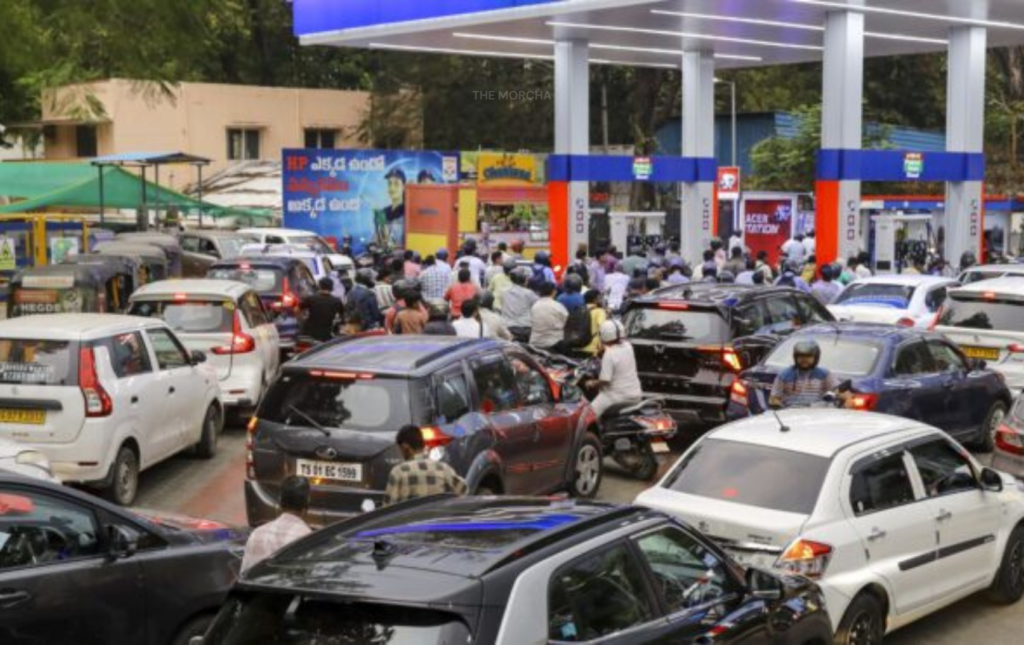
The ongoing situation in Uttar Pradesh offers several important lessons. First, public trust in authorities and verified information sources is critical. Second, panic buying is largely psychological; fear often drives behavior more than actual scarcity. Third, timely and clear communication, combined with responsible consumer actions, is essential to prevent escalation. Citizens, authorities, and retailers must all work together to ensure that crises are managed efficiently and fairly.
Comparing UP With Other States
Panic buying occurs across India, but UP’s experience is amplified due to its size, population density, and vehicle dependence. Other states like Maharashtra, Delhi, and Karnataka have faced similar crises, yet UP’s combination of urban-rural population spread and social media influence makes the phenomenon more visible and disruptive. Studying successful management strategies in other states, such as queue rationing and digital tracking, can provide solutions for Uttar Pradesh.
Social Media Fact-Checking and Awareness
Social media plays a huge role in panic buying, but it can also help prevent it through fact-checking. Citizens should rely on verified government announcements, credible news sources, and official fuel tracking portals. Educating the public on distinguishing rumors from verified information reduces the psychological triggers for panic. Awareness campaigns promoting rational consumption, discouraging hoarding, and encouraging verification of information can significantly mitigate panic buying behavior.
Potential Risks If Panic Buying Continues
If unchecked, panic buying poses multiple risks:
- Actual fuel shortages may occur due to hoarding.
- Household budgets could be strained, particularly among lower-income groups.
- Traffic accidents and congestion may increase near petrol pumps.
- Black marketing and illegal resale of fuel could rise.
Unchecked panic buying, therefore, has both social and economic consequences, highlighting the need for intervention and public cooperation.
Managing Panic Rationally
UP petrol panic buying is largely driven by perception, fear, and social contagion rather than actual scarcity. While it has caused long queues, traffic congestion, and public frustration, it can be mitigated through responsible consumption, timely communication from authorities, and better infrastructure. Citizens should rely on verified sources, refill based on need, and avoid spreading rumors. Authorities must ensure adequate supply, monitor social media, and provide transparent updates.
By understanding the causes, consequences, and management strategies, Uttar Pradesh can reduce panic buying, ensuring equitable fuel distribution while maintaining social and economic stability.


