
Social media platforms such as Instagram, Facebook, and TikTok have become powerful tools for communication, self-expression, and personal branding. For years, it has been widely believed that more attractive people automatically receive more likes, comments, and followers. However, a recent research study conducted by the University of Edinburgh, USA, challenges this popular assumption.
The Hindi newspaper article shown in the image reports a surprising research finding: people who appear “too attractive” on social media may actually receive fewer likes, especially when they post content related to their personal struggles or emotional issues. This research sheds light on how online audiences perceive beauty, authenticity, relatability, and emotional expression in the digital age.
This article provides a complete and detailed explanation of the research, its findings, psychological reasons, social implications, and its relevance in modern society.
Table of Contents

Background of the Research
A study conducted by researchers at the University of Edinburgh examined user behavior on social media platforms, with a specific focus on Instagram. The research analyzed how people react to posts shared by individuals with different levels of physical attractiveness. The main objective was to understand how attractiveness influences engagement, whether being more attractive increases likes and sympathy, and how users respond to posts that express personal problems or emotional struggles. Contrary to popular belief, the findings revealed that high physical attractiveness does not always guarantee higher engagement. In some cases, users showed less sympathy toward highly attractive individuals when they shared emotional or personal difficulties, suggesting that relatability and perceived authenticity often matter more than appearance alone.
More Attractive ≠ More Likes
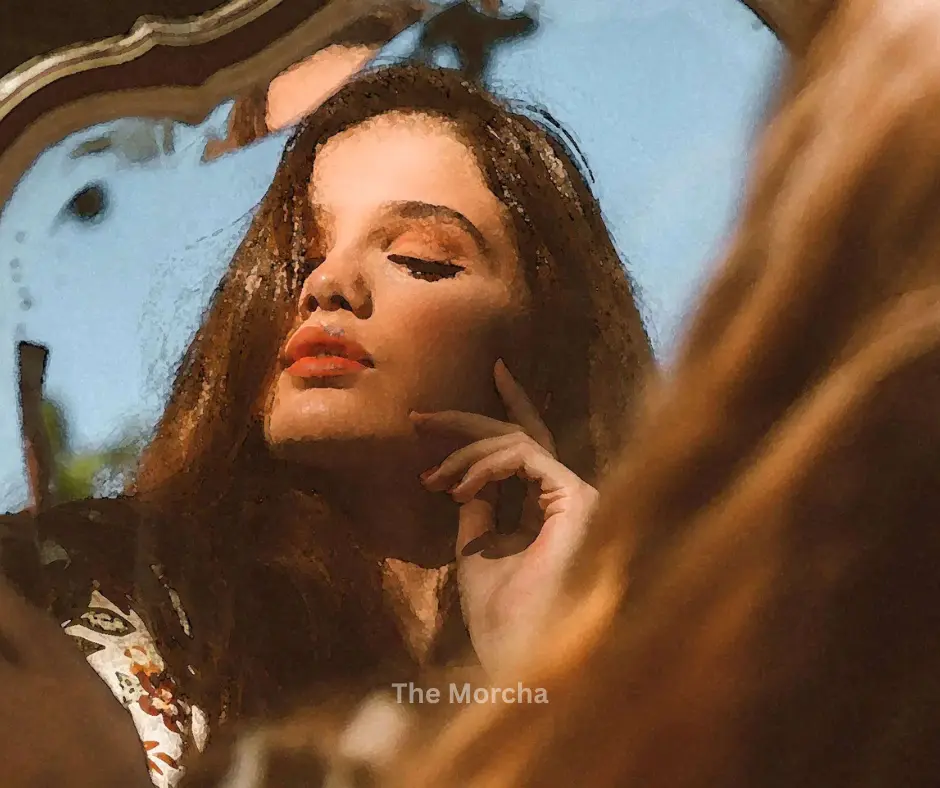
One of the most striking conclusions of the research is that very attractive individuals often receive fewer likes and less emotional engagement, especially when their posts talk about mental health challenges, fitness struggles, or personal problems. This happens because audiences tend to perceive extremely attractive people as more confident, more successful, emotionally stronger, and less vulnerable. Due to these assumptions, people subconsciously believe that such individuals do not need emotional support, sympathy, or encouragement. As a result, their struggles feel less relatable, and engagement drops—not because the pain is unreal, but because it is underestimated.
The Concept of “Beauty Penalty”
Researchers introduced a concept known as the “beauty penalty” in this context. While physical attractiveness often provides advantages in professional and social life, it can become a disadvantage on social media when it comes to emotional relatability, sympathy-driven engagement, and support-based reactions. In simple terms, when someone appears “too attractive,” followers may find it harder to emotionally connect with their struggles. As a result, posts that seek understanding or empathy may receive less supportive engagement—not because the feelings are invalid, but because the audience subconsciously assumes that attractive individuals do not experience the same depth of vulnerability.
Fitness Influencers and Social Media Engagement
The research paid special attention to fitness influencers because they frequently share workout routines, body transformation images, health-related struggles, and mental wellness posts. The findings revealed an interesting pattern: highly attractive fitness influencers received fewer likes and less emotional engagement when they posted about personal problems or challenges, while average-looking influencers received more positive reactions and emotional support. Users perceived average-looking influencers as more relatable, realistic, and approachable, which made their struggles feel genuine and worthy of empathy. This clearly shows that on social media, relatability matters far more than perfection, and audiences connect more deeply with authenticity than with idealized appearances.
Psychology Behind User Behavior
Relatability Bias
People naturally like and support individuals they can relate to. When someone appears “too perfect,” users may start feeling inferior, disconnected, or emotionally distant. This lack of emotional connection makes it harder for audiences to see themselves in that person’s journey. As a result, engagement drops—not because the content lacks value, but because relatability feels missing.
The Sympathy Gap
Sympathy is often driven by perceived need. When individuals appear highly attractive or successful, users subconsciously assume they are already “winning” in life. Because of this perception, people feel less need to offer emotional support, encouragement, or sympathy. This creates a sympathy gap, where real struggles receive less engagement simply because they don’t look “serious enough” from the outside.
The Social Comparison Effect
Highly attractive posts can also trigger uncomfortable emotions such as jealousy, self-doubt, and comparison anxiety. Instead of feeling inspired, users may feel inadequate or pressured. In these moments, the easiest reaction is not to like or comment, but to scroll past the post. This shows how comparison can silently reduce engagement and emotional connection on social media.
Gender Differences Highlighted in the Research
The study also found clear gender-based differences in how audiences react on social media. Attractive female fitness influencers, in particular, tend to receive more negative comments and face harsher judgment for their appearance compared to others. Society often places unrealistic beauty standards on women, which leads to excessive scrutiny, criticism, and unfair expectations online. This pattern reflects broader social issues related to body image, gender bias, and online harassment, showing that the pressure women face on digital platforms goes far beyond simple engagement metrics.
Rise of Positivity Content
The article also highlights a growing trend known as “Blumercalling,” or positivity-focused browsing. This trend reflects how people are increasingly avoiding negative news, stressful content, and toxic comparisons on social media. Instead, they are drawn toward positive posts, motivational videos, and content that makes them feel emotionally lighter and more hopeful. This shift helps explain why users now engage more with emotionally uplifting and relatable content rather than glamorous perfection—because people are not just scrolling for entertainment, but for comfort, reassurance, and emotional balance.
Impact on Influencers and Content Creators
Strategy Changes for Influencers
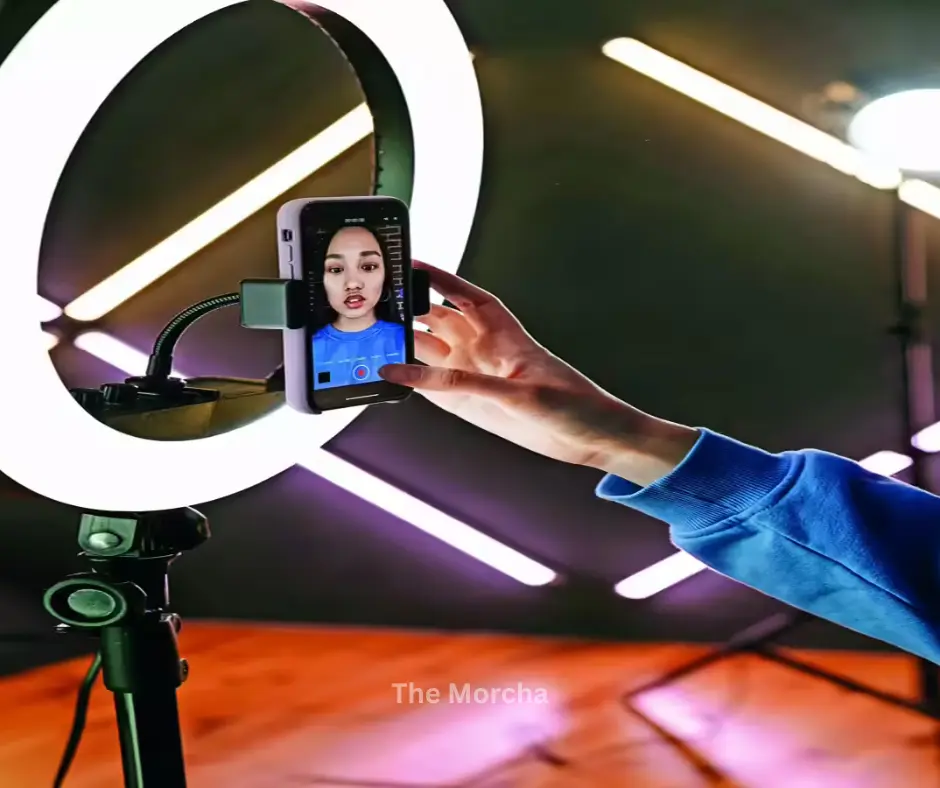
Influencers are now shifting their strategies to focus on honesty and relatability rather than just visual perfection. They are:
- Sharing more honest stories
- Showing imperfections
- Posting behind-the-scenes struggles
These changes help build trust with their audience and create a stronger emotional connection, making followers feel seen and understood.
Authenticity Over Perfection
The research reinforces that on social media:
- Authenticity wins over artificial beauty
- Emotional honesty increases engagement
- Real stories create loyal audiences
In other words, audiences value genuine experiences far more than polished appearances, and creators who embrace authenticity tend to form deeper, lasting connections with their followers.
Impact on Mental Health
Implications for Content Creators
For content creators, constant pressure to look perfect on social media can seriously harm mental health. When posts receive fewer likes or lower engagement, it often leads to anxiety, self-doubt, and a distorted sense of self-worth. Understanding this research helps creators realize that engagement is not always a reflection of value or effort, which can reduce unrealistic expectations and emotional burnout.
Impact on Viewers
For viewers, these findings offer relief from constant comparison. Recognizing that perfection does not equal higher engagement can reduce self-criticism, improve self-esteem, and encourage a healthier relationship with social media. It reminds users that what they see online is not a complete picture of reality.
Social and Cultural Implications
This research challenges long-standing social beliefs that beauty automatically equals success or that appearance guarantees popularity. Instead, it encourages society to value emotional depth over surface-level perfection, appreciate honesty, and support diversity in appearance and self-expression.
Relevance in Today’s Digital World
In a digital age where filters distort reality, algorithms reward engagement, and mental health concerns are rising, this research is extremely relevant. It serves as an important reminder that genuine human connection matters far more than visual perfection or online validation.
Lessons from the Research
For influencers, the key lesson is to be real—share genuine experiences and focus on building connection rather than chasing perfection. For social media users, the takeaway is to avoid unhealthy comparisons, support content that feels honest and relatable, and remember that algorithms do not define personal worth.

The University of Edinburgh research reveals a powerful truth about social media behavior: being extremely attractive does not always lead to higher likes or engagement. In fact, it can sometimes create emotional distance between content creators and their audiences.
The study highlights the importance of relatability, authenticity, and emotional openness in the digital age. Social media users are increasingly drawn to content that feels real, supportive, and positive rather than overly polished perfection.
Ultimately, this research teaches us that true connection comes from honesty, not appearance, and that social media engagement is driven by emotional resonance rather than beauty alone.