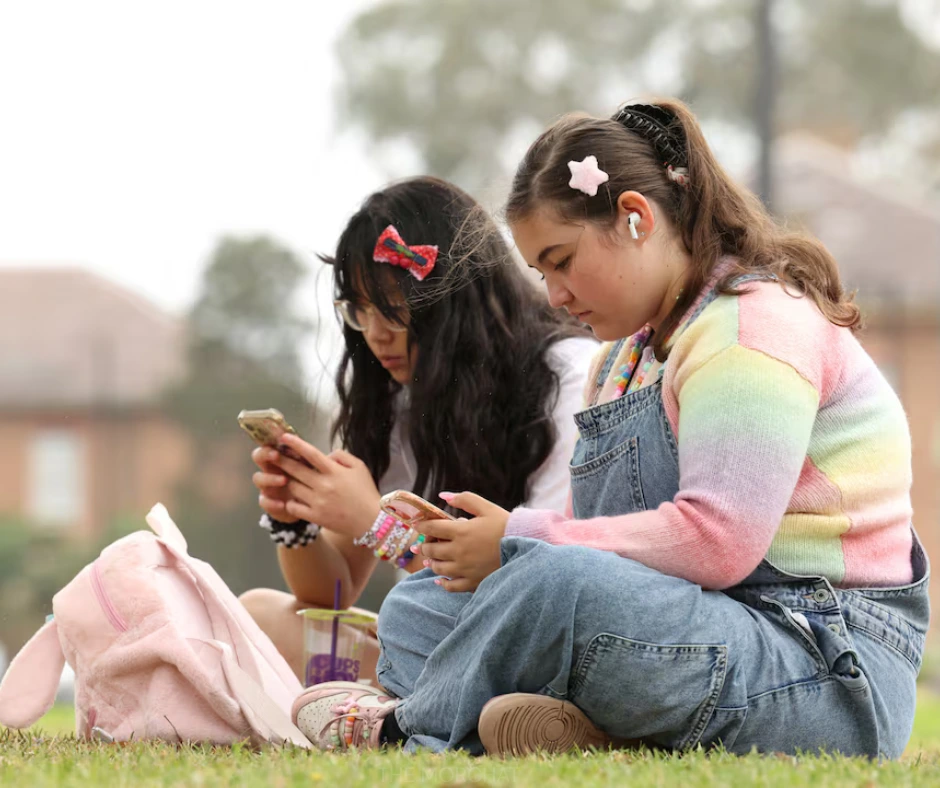
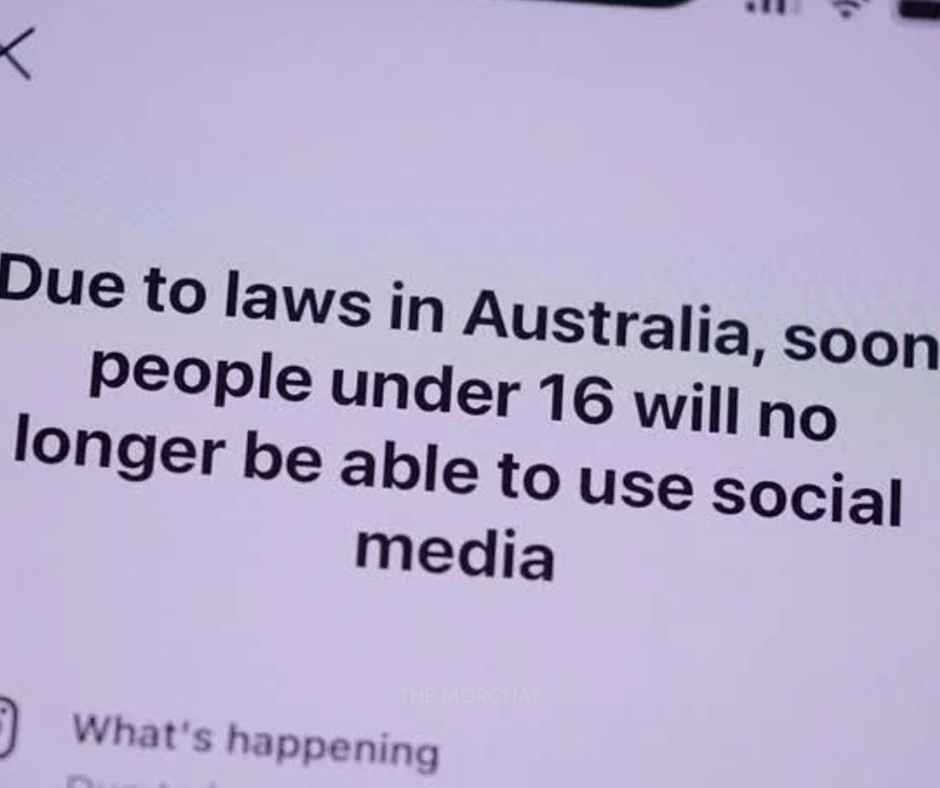
Social Media Ban for children under 16 in Australia has sparked intense emotional, psychological, and social reactions—especially among the very group it aims to protect. Even before the ban has been fully implemented, parents are witnessing anxiety, anger, and grief among their children. For many minors, social media platforms like Instagram, YouTube, TikTok, and gaming-based communities are not just entertainment portals but spaces where they learn, express themselves, and socially connect.

When a 15-year-old girl cries each night fearing the loss of YouTube guitar lessons or group chats with friends, it reveals how deeply embedded digital spaces have become in the lives of children. The debate surrounding the ban has now shifted from “Is this good for kids?” to “How will children emotionally survive this sudden disconnect?” Experts argue that while digital restrictions may be necessary, the bigger responsibility lies with parents. Children are asking—silently or loudly—for their parents to step into their digital world as companions rather than controllers.
Table of Contents
The Emotional Turmoil Before the Ban
The upcoming ban has caused a wave of distress among young Australians because it threatens to dismantle the digital ecosystems that form part of their everyday identity. Social media is deeply woven into their routines—from waking up and checking notifications to ending the day by scrolling through YouTube or chatting with friends. For children, the digital world represents not only entertainment but self-expression, creativity, learning, and belonging.
When the government suddenly announces a restriction, children interpret it not as a safety measure but as an emotional punishment. Teenagers are especially vulnerable to this feeling because their sense of self-worth and belonging is tied to social interactions, peer validation, and shared online experiences. Losing their online life, therefore, feels equivalent to losing a part of themselves. Many parents report heightened emotional responses from their children.
Some children express despair, worrying that they will become disconnected from friends. Others get angry, perceiving the ban as an unfair attack on their freedom. Many fear that their hobbies, such as music, drawing, gaming, or coding—often learned through digital platforms—may now come to an abrupt end. Much of this emotional discomfort emerges from their inability to imagine an alternative. Since many children have grown up entirely in a digital environment, the sudden absence of it is disorienting. For them, the digital and real worlds are not separate; they are interconnected. Therefore, the ban feels severe, abrupt, and even frightening.
Why Social Media Feels Like a “Home” to Children
For today’s generation—often referred to as Generation Alpha—social media is not an optional space but a social necessity. They view digital platforms as environments where they can experiment with identity, communicate without judgment, and explore interests at their own pace. For example, a child learning guitar through YouTube tutorials may feel that losing access means losing their only path to self-improvement.
These platforms are tailored to offer quick, accessible content that suits the learning style of modern children. They provide instant feedback, personal recommendations, and visually engaging formats, making them easy to bond with. Children grow comfortable in these spaces because they know what to expect: familiar creators, relatable content, and communities built around shared interests. Additionally, digital spaces serve as emotional outlets. A child experiencing stress at school might find relief in online support groups, gaming communities, or creative expression through reels, posts, and digital art.
The lack of real-world acceptance or opportunities pushes many children toward online alternatives where they can connect with a larger, more diverse audience. These digital friendships, although virtual, feel real to them. Losing access to such spaces feels like losing friends and emotional support networks. This is why the proposed ban triggers such intense negative emotions—it disrupts their most familiar environment.
The Psychology Behind Children’s Digital Attachment
Adolescents are at a stage where their brains are undergoing major developmental changes, especially in areas associated with reward, social bonding, and emotional regulation. Digital platforms activate these areas through dopamine-driven reward systems. When children receive likes, comments, or new followers, they experience a chemical response that creates pleasure and validation. Over time, this becomes a strong emotional habit.
The desire for acceptance and recognition—normal in teenage years—gets amplified through these online interactions. Moreover, children use digital platforms to regulate their emotions. When they feel unhappy, overwhelmed, or isolated, they turn to online communities or entertainment for distraction and comfort. These platforms also allow them to express emotions they may find difficult to communicate verbally to parents or teachers.
They can write posts, share memes, or participate in supportive groups anonymously. All of this creates a strong psychological bond with the digital world. Therefore, removing these platforms without emotional preparation or alternatives can trigger significant distress. It disrupts coping mechanisms and leaves children feeling vulnerable.
Why Parental Communication Matters More Than Technology
Several Australian experts emphasize that parents must focus on communication rather than mere control. Professor Lelia Green of Edith Cowan University insists that understanding digital tools is helpful but not enough. What parents truly need is genuine conversation with their children. Many parents assume that restrictions alone can protect children. However, without open dialogue, children interpret restrictions as mistrust or rejection. Prof. Green suggests that parents should not focus on surveillance or strict monitoring but on guiding children toward healthier digital habits.
Digital psychologist Dr. Christie Corser emphasizes that every child reacts differently to digital loss. While one child may cry, another may refuse to talk, and another may become aggressive. Therefore, parents must ask open-ended questions to understand their child’s emotional state. Questions like “What scares you the most about the ban?” or “Which part of digital life do you feel you will miss the most?” can help children express feelings more comfortably. This emotional openness creates a bridge of trust between parents and children, preventing them from feeling isolated during transition.
Cyber expert Samir Sharma predicts major changes in the global digital landscape within the next five years. He believes content will soon be categorized strictly according to age, profession, or user type. Tech companies are already working on algorithms designed to filter harmful content automatically while delivering age-appropriate digital experiences. If this becomes global reality, restrictions like Australia’s may evolve into smarter, safer digital ecosystems—where children will have access to tailored content rather than losing access completely.
What Children Truly Want
Parents as Their New “Digital Friends”
Despite their emotional distress, children are not resisting the ban out of rebellion. What they actually want is reassurance from their parents. They want to feel understood, supported, and emotionally safe. When children say they want their parents to become their “digital friends,” they are expressing a desire for companionship in a world they fear losing. This does not mean parents should become influencers or gamers but that they should take an interest in their children’s digital activities. Small behaviors such as watching YouTube lessons together, learning a game together, or exploring creative tutorials with them can provide comfort and strength.
Children prefer co-experience over control. They dislike constant surveillance or intrusive monitoring but enjoy participation. When a parent sits with their child and engages in digital activities, the child feels validated. This shared experience can replace some of the digital void left by banned platforms. It helps children understand that while digital spaces change, emotional connections remain stable.
How Other Countries Handle Children’s Digital Use
India’s Approach
India currently has no national law banning mobile phones or social media for children. Policies vary by state, school, or educational board. The Delhi High Court’s 2025 ruling rejected a complete ban, calling it impractical. Instead, the court suggested structured guidelines such as depositing phones at school entrances or limiting use during certain hours. Indian policymakers believe that instead of blanket bans, awareness, digital literacy, and parental guidance are more effective tools for managing children’s online behavior.
United States
The US is shifting toward regulatory transparency. While there is no national ban on social media for minors, legislators are focusing on limiting harmful algorithms, preventing data tracking, and ensuring age verification. US states like Utah and Arkansas have implemented partial restrictions, requiring parental approval for minors to create social media accounts.
European Union
The EU remains the global leader in digital safety policies. Its regulations prioritize children’s privacy and require companies to redesign algorithms to minimize addictive or harmful content. The Digital Services Act (DSA) mandates that platforms monitor and remove unsafe content, ensuring safer online environments for minors.
Australia’s Position
Australia stands out because it is implementing a direct age-based ban rather than regulating content or algorithms. This bold approach invites both praise and criticism. Supporters argue it protects children from harmful digital environments. Critics argue it isolates children and fails to address the root cause—lack of communication and digital literacy.
Helping Children Emotionally During the Transition

Parents play a critical role in helping children emotionally survive the upcoming ban. The first step is honest communication. Children must understand that the ban is designed to protect them—not punish them. Parents should explain the reasoning behind it in age-appropriate language. Conversations should be calm, respectful, and empathetic. When children feel included in the conversation, their resistance decreases significantly.
The next step is offering digital alternatives. Children should not be asked simply to “go play outside” without providing meaningful options. Parents can introduce books, musical instruments, physical sports, community clubs, family games, outdoor trips, or creative workshops. These activities help children regain confidence and discover new interests beyond the screen.
Parents should also create a digital agreement with their children. This includes deciding the amount of acceptable screen time, learning online activities that are still allowed, and new family digital practices such as co-watching educational content. A balanced digital agreement replaces confrontation with cooperation and ensures children feel involved in shaping their digital future.
Most importantly, parents must use empathy. Harsh statements like “You’re addicted” or “Stop being dramatic” invalidate children’s emotions. Instead, acknowledging their distress helps them cope better. Statements like “I understand that this is hard for you” or “We will find new ways to enjoy time together” create emotional security.
Age-Based, Safer Digital Ecosystems
The next five years will witness major transformations in digital environments. Age-based digital profiles will become standard, meaning a 10-year-old will only see child-appropriate content curated by safety algorithms. This will significantly reduce exposure to violence, explicit material, or harmful online communities. Verified identity systems will become mandatory, eliminating anonymous accounts that often lead to cyberbullying.
Algorithms will be redesigned to prioritize educational, mental health–friendly, and non-addictive content for minors. Global tech companies are already exploring automatic safety filters that detect emotional distress, harmful interactions, or risky behavior in real time. These advancements aim to create a digital world where children can enjoy learning and entertainment without being exposed to manipulative or dangerous content.
In this future, the role of parents will evolve. Instead of guarding children from platforms, parents will help them navigate curated digital ecosystems by discussing online experiences, encouraging balanced habits, and participating in selected digital activities with them. The concept of parent-as-digital-guide will become a new parenting norm.
The Role of Schools, Communities, and Governments in Supporting Children
The impact of Australia’s social media ban for children under 16 extends far beyond individual households. Schools, communities, and government institutions must play a crucial role in ensuring that young people transition smoothly into a healthier digital lifestyle. While parents are central figures in shaping emotional stability, external support systems are equally important in providing structured environments, alternative experiences, and consistent guidance. Without a collaborative approach, the ban may lead to confusion, resentment, or unintended consequences such as secretive digital behavior. Therefore, a coordinated framework is essential.
Schools as Emotional and Educational Anchors
Schools are often the first institutions to observe behavioral shifts when major policy changes affect children. Teachers spend several hours each day with students, enabling them to detect emotional distress, withdrawal, or frustration related to digital restrictions. This places schools in a unique position to help children navigate the transition with empathy and understanding. Classroom conversations about digital wellbeing can normalize their feelings.
Schools can organize sessions where students openly discuss what they fear losing, whether it is social connections, creative outlets, or learning tools. When students realize that their peers share the same anxieties, their emotional burden decreases. In addition, schools can integrate alternative learning formats that compensate for the loss of digital platforms. For example, if a student previously learned guitar through YouTube, schools can arrange music clubs, peer-learning sessions, or workshops featuring local musicians.
Similarly, students who explored coding through online tutorials can benefit from school-based robotics clubs or tech labs. Schools can also guide children toward curated educational platforms that remain accessible under the ban. These structured alternatives prevent children from feeling academically or creatively deprived. In the long term, schools that embrace offline creativity, collaborative learning, and emotional support will help students rebuild confidence and resilience.
Community Organizations as Safe Spaces for Social Interaction
Beyond schools, communities serve as vital networks where children can explore hobbies, friendships, and social identity outside digital platforms. Community centers, local clubs, libraries, and youth organizations have the potential to fill the social vacuum created by the ban. Many children rely on online spaces to form friendships, especially if they feel shy, introverted, or socially anxious in real-life settings. Without digital communities, they may experience deeper isolation unless physical alternatives are available.
Communities can provide structured group activities such as sports, art workshops, science clubs, theater groups, book circles, or volunteer events. These offline interactions can replicate the sense of belonging children once found online. Furthermore, community-led digital literacy programs can help young people understand safer ways to use technology when they eventually regain access. Teaching them about cyberbullying, data privacy, misinformation, and responsible online behavior empowers them with tools to navigate the digital world independently.
Community mentors—youth leaders, counselors, or volunteers—can also give emotional support. They can help children express their concerns, make new friends, and find offline passions that build confidence and resilience. When communities actively participate, the transition away from social media becomes more balanced and less emotionally disruptive for children.
Australia’s upcoming social media ban for children under 16 has uncovered deeper emotional and psychological realities about modern childhood. Children are not distressed because they are addicted to screens; they are distressed because digital spaces have become integral to their identity, creativity, and social belonging. Removing these spaces suddenly feels like removing their emotional safety net. Experts repeatedly argue that the real solution lies not in controlling technology but in strengthening parent–child communication.
Children want understanding, reassurance, and meaningful engagement. They want parents to be companions who share their digital world—not controllers who restrict it. As global digital regulations evolve and child-friendly content ecosystems emerge, families have an unprecedented opportunity to reshape their digital habits. Instead of using technology as a barrier, they can use it as a bridge toward stronger relationships.
Ultimately, the goal is not to shut children away from the digital world but to guide them safely through it—together.


