
Silver rate and gold rate today are among the most searched financial topics in India because precious metals hold deep cultural, economic, and investment value. From weddings and festivals to long-term wealth preservation, Indians closely track daily movements in gold and silver prices. These rates are not fixed numbers; they fluctuate daily based on global markets, currency movements, demand-supply dynamics, and government policies. Understanding today’s silver and gold rates helps investors, jewellers, traders, and common buyers make informed financial decisions rather than emotional purchases.
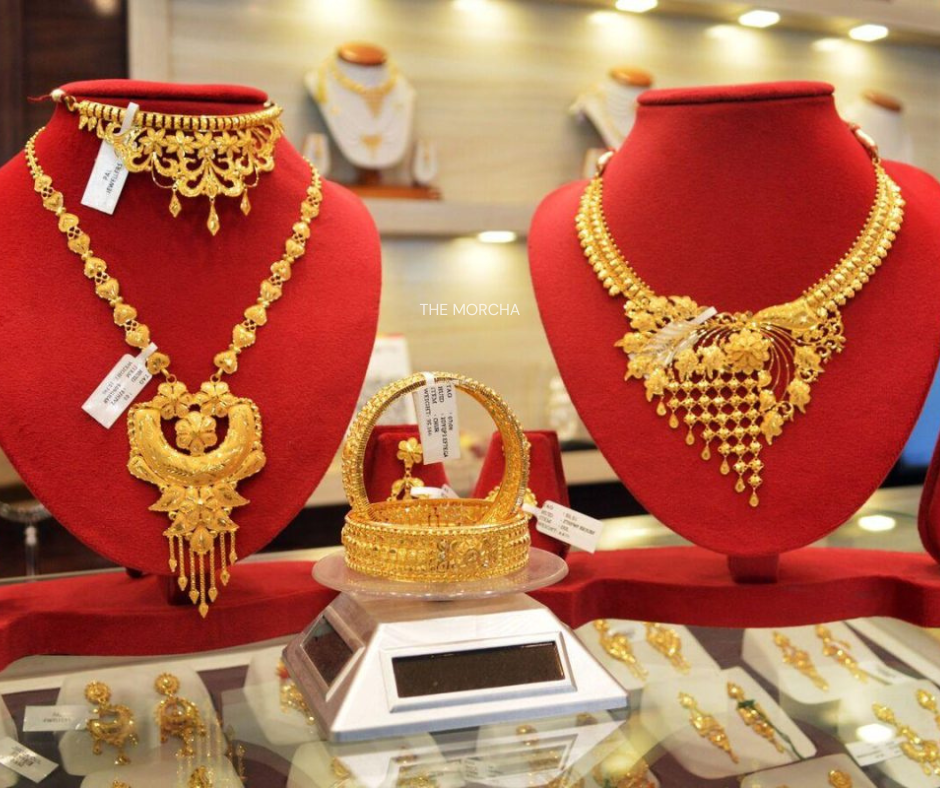
Moreover, these rates influence loan values against pledged gold, making them important for borrowing and credit decisions. Real-time price updates allow buyers to compare rates across cities and platforms, identify the best buying or selling opportunities, and avoid paying unnecessary premiums or hidden charges. Staying informed also helps investors plan strategic accumulation of bullion, monitor market trends, and protect wealth against inflation and currency depreciation effectively.
Table of Contents
Why Silver Rate / Gold Rate Today Matters to Indian Consumers
In India, gold and silver are more than commodities; they are symbols of security and prosperity. Daily rates directly impact jewellery purchases, investment planning, and even household budgeting during marriage seasons. A small rise or fall in the gold rate per gram or silver rate per kilogram can translate into significant cost differences for buyers. For investors, today’s rate signals whether it is the right time to buy, hold, or sell, especially in volatile economic conditions.
Additionally, farmers, small traders, and rural households often rely on gold and silver as a form of emergency savings, making price awareness essential. Changes in daily rates also influence loan values for gold-backed financing, affecting borrowing decisions. As a result, tracking silver rate and gold rate today helps Indian consumers plan purchases wisely, avoid unnecessary losses, and protect long-term financial stability.
Current Silver Rate / Gold Rate Today in India (Overview)
The silver rate and gold rate today in India vary slightly across cities due to local taxes, transportation costs, and jeweller margins. Generally, gold is quoted per gram (24K and 22K), while silver is quoted per kilogram. These prices reflect international bullion rates converted into Indian rupees, along with import duties and GST. Even though the difference between cities may seem minor, bulk buyers and investors often track the lowest-priced markets closely.
Metropolitan cities like Delhi, Mumbai, Chennai, and Bengaluru usually serve as benchmark markets for pricing trends. Local demand, festival seasons, and supply availability can also cause short-term variations. Therefore, checking updated city-wise rates before purchasing helps consumers make cost-effective decisions.
Gold Rate Today 24K vs 22K Gold Explained
Gold rates in India are primarily quoted for 24-carat and 22-carat purity. 24K gold is considered pure gold and is mainly used for coins and bars, while 22K gold contains a small percentage of other metals, making it stronger and more suitable for jewellery. The gold rate today for 24K is always higher than 22K due to purity differences. Buyers must understand this distinction to avoid confusion and ensure value for money. Additionally, hallmarked gold carries certification of purity, which protects consumers from adulteration. While 24K gold is ideal for investment purposes, 22K gold is preferred for daily wear ornaments due to its durability. Choosing the right purity depends on whether the buyer’s goal is investment, gifting, or personal use.
Silver Rate Today: Industrial and Investment Importance
Silver holds a dual role in India as both an investment asset and an industrial metal. Unlike gold, silver demand is heavily influenced by industries such as electronics, solar energy, and medical equipment. This makes the silver rate today more volatile than gold. Industrial demand fluctuations, combined with investor interest, can cause sharp movements in silver prices within short periods. Additionally, silver is widely used in electrical contacts, batteries, and photovoltaic panels, increasing its importance in the growing renewable energy sector.
Investors often view silver as an affordable alternative to gold, especially during economic uncertainty. However, because silver prices react quickly to changes in global manufacturing activity, economic slowdowns or expansions can significantly impact rates. This combination of industrial reliance and investment demand makes silver a dynamic and closely watched precious metal in India.

Factors Affecting Silver Rate / Gold Rate Today
The daily prices of gold and silver in India are influenced by a number of factors. Global bullion market trends, US dollar strength, interest rate decisions by central banks, inflation data, and geopolitical tensions all play a role. Domestically, import duties, GST, and seasonal demand significantly affect prices. Even changes in crude oil prices can indirectly impact precious metal rates through inflation expectations. In addition, central bank gold purchases, global stock market performance, and investor sentiment also contribute to price movements. When equity markets become volatile, investors often shift funds toward gold and silver, increasing demand.
Supply constraints, mining output, and international trade policies further influence prices. Together, these global and domestic factors create daily fluctuations, making it essential for buyers and investors to stay updated with the latest silver rate and gold rate today before making financial decisions.
Impact of International Markets on Indian Rates
India imports most of its gold and silver, making international prices a key driver of domestic rates. When global gold prices rise due to economic uncertainty or geopolitical risks, Indian gold rates usually increase as well. Similarly, fluctuations in global silver demand from industries and investors directly influence the silver rate today in India. Currency exchange rates further amplify or reduce these effects. For example, even if global prices remain stable, a weakening Indian rupee can push domestic gold and silver rates higher.
International events such as US Federal Reserve policy decisions, inflation reports, and global economic slowdowns often trigger price movements in bullion markets. Additionally, changes in global mining output and supply disruptions can affect international prices, which are then reflected in Indian markets. As a result, Indian consumers closely watch global trends when tracking silver rate and gold rate today.
Role of the Indian Rupee in Gold and Silver Pricing
The strength or weakness of the Indian rupee against the US dollar plays a crucial role in determining today’s gold and silver rates. A weaker rupee makes imports more expensive, pushing up domestic gold and silver prices even if global rates remain stable. Conversely, a stronger rupee can soften price increases or even reduce rates despite global price rises. Currency fluctuations impact not only the cost of importing bullion but also investor sentiment, as gold and silver are priced in dollars internationally.
When the rupee depreciates, Indian buyers must pay more rupees for the same quantity of gold or silver, which often leads to a short-term surge in domestic prices. Conversely, a stable or appreciating rupee can make metals more affordable, encouraging purchases and investments. Traders, jewellers, and investors closely monitor exchange rates daily to anticipate shifts in the silver rate and gold rate today.
Seasonal Demand and Its Effect on Prices
India’s demand for gold and silver peaks during festivals like Dhanteras, Diwali, Akshaya Tritiya, and the wedding season. During these periods, increased buying pressure often pushes prices higher. The silver rate and gold rate today during festive seasons may include a premium due to higher demand, while off-season periods sometimes offer better buying opportunities. Cultural significance plays a big role, as gifting gold and silver is considered auspicious, further boosting demand.
Jewellers anticipate this surge and often adjust making charges or add festive premiums, which contributes to higher overall costs. Additionally, rural and semi-urban markets see increased purchases during harvest festivals, further influencing price trends. Understanding these seasonal patterns helps buyers time their investments wisely, avoid overpaying, and plan purchases strategically, whether for personal use, gifting, or long-term investment in bullion.
Gold and Silver as Safe-Haven Investments
Gold is traditionally considered a safe-haven asset during times of economic uncertainty, inflation, or market volatility. When equity markets fall or geopolitical tensions rise, investors often move money into gold, driving up prices. Silver, while more volatile, also benefits from this safe-haven demand, though its industrial use adds an extra layer of price fluctuation. Investors often diversify their portfolios by including gold and silver to reduce overall risk.
Unlike equities or real estate, these metals maintain intrinsic value even during severe economic crises, making them a reliable store of wealth. Moreover, central banks worldwide hold gold reserves as part of their monetary stability strategies, reflecting its universal recognition as a secure asset. Understanding the safe-haven role of these metals helps Indian consumers and investors interpret movements in the silver rate and gold rate today and make informed financial decisions.
Physical Gold and Silver vs Digital Investment Options
Today, investors can choose between physical gold and silver or digital options such as ETFs, sovereign gold bonds, and online silver platforms. Physical metals are preferred for emotional, cultural, and ceremonial reasons, as they can be gifted, worn as jewellery, or used for traditional rituals. On the other hand, digital investments offer convenience, transparency, and lower storage and security risks, as investors do not need to physically hold the metals.
Digital gold and silver can be bought and sold instantly online, often at rates very close to the live silver rate and gold rate today. However, physical purchases may include making charges, purity certifications, or storage costs, which can vary across retailers. Understanding the differences helps investors decide based on their financial goals, risk tolerance, and intended use of the metals.
Long-Term Historical Trend of Gold and Silver Prices in India
Historically, gold prices in India have shown a steady upward trend over the long term, protecting wealth against inflation and economic uncertainty. Over the past few decades, gold has consistently appreciated, making it a preferred asset for long-term wealth preservation, wedding purchases, and financial security. Silver prices, while more volatile than gold, have also delivered strong returns during certain periods, especially when industrial demand surged or global economic conditions favored precious metals.
Studying historical trends allows investors to recognize patterns such as seasonal peaks, market corrections, and reactions to geopolitical events. This perspective helps investors interpret short-term fluctuations in today’s silver and gold rates without panic. By analyzing decades of price movements, Indian consumers and investors can make informed decisions about buying, holding, or selling, and align purchases with long-term financial planning goals.
Is Today the Right Time to Buy Gold or Silver?
Whether today is the right time to buy depends on individual financial goals, risk appetite, and market outlook. Long-term investors often view short-term price dips as ideal opportunities to accumulate gold or silver, as these metals historically appreciate over time and provide protection against inflation and currency depreciation. Short-term traders, on the other hand, monitor market momentum, technical indicators, and global economic news to make quick buying or selling decisions.
Keeping a close eye on the silver rate and gold rate today, along with factors such as currency fluctuations, geopolitical events, and central bank policies, allows buyers to make informed choices rather than impulsive ones. Seasonal demand, festivals, and local market premiums also influence pricing. By combining historical trends with current market analysis, investors can strategically plan purchases, maximize returns, and reduce the risk of overpaying for bullion or jewellery in India.
Gold and Silver Prices vs Inflation
Gold and silver are often seen as reliable hedges against inflation. When inflation rises, the purchasing power of currency declines, meaning the same amount of money buys fewer goods and services. In such scenarios, precious metals retain their intrinsic value, making them attractive for both investors and savers. Historically, gold has preserved wealth better than many other assets, including cash, fixed deposits, or even some equity investments, because its value tends to rise during periods of economic uncertainty and currency devaluation.
Silver, while more volatile, also benefits from inflationary pressures, especially due to its dual role as an industrial metal and investment asset. Today’s gold rate and silver rate in India are influenced not only by global bullion markets but also by domestic inflation expectations, interest rate trends, and consumer demand, reinforcing their importance as instruments for long-term wealth preservation.
Risks Involved in Investing in Gold and Silver
Despite their reputation for stability, gold and silver investments are not entirely risk-free. Prices can decline due to various factors, including rising interest rates, which make other investments like bonds more attractive, or reduced demand in jewellery and industrial sectors. Global economic recovery can also cause precious metal prices to drop, as investors shift capital from safe-haven assets to higher-yielding options. Silver, in particular, is more volatile than gold because of its dual role as both an industrial metal and an investment asset, meaning its price can swing sharply over short periods.
Additionally, currency fluctuations, import duties, and geopolitical events can affect domestic rates. Understanding these risks is essential before making decisions based on today’s silver rate and gold rate, allowing investors to plan strategies that balance potential returns with market uncertainties and avoid impulsive purchases that could result in financial losses.
Future Outlook for Silver Rate / Gold Rate in India
The future outlook for gold and silver in India remains largely positive due to sustained cultural demand, ongoing economic uncertainty, and global market dynamics. Gold continues to be a preferred asset for wealth preservation, jewellery purchases, and investment, while silver benefits both from industrial demand and investor interest. Experts suggest that although short-term volatility may persist due to global events, currency fluctuations, and changes in interest rates, the long-term fundamentals support higher prices.
Rising inflation, geopolitical tensions, and increasing central bank gold purchases globally are likely to strengthen demand further. Additionally, India’s growing population, wedding seasons, and festive buying patterns will continue to drive domestic consumption. By monitoring the silver rate and gold rate today, investors and consumers can gain valuable insight into broader economic trends, plan strategic purchases, and make informed decisions that align with both short-term needs and long-term financial goals.
Final Thoughts on Silver Rate / Gold Rate Today
Silver rate and gold rate today in India reflect a complex mix of global and domestic factors. International bullion prices, US dollar strength, central bank policies, geopolitical tensions, and global industrial demand all influence daily rates. Domestically, factors such as import duties, GST, seasonal demand, cultural festivals, and local market dynamics play a crucial role. For consumers, these rates directly impact purchasing decisions, whether buying jewellery, coins, or silverware. Even small fluctuations can make a significant difference in overall costs, particularly during high-demand seasons like weddings or festivals.
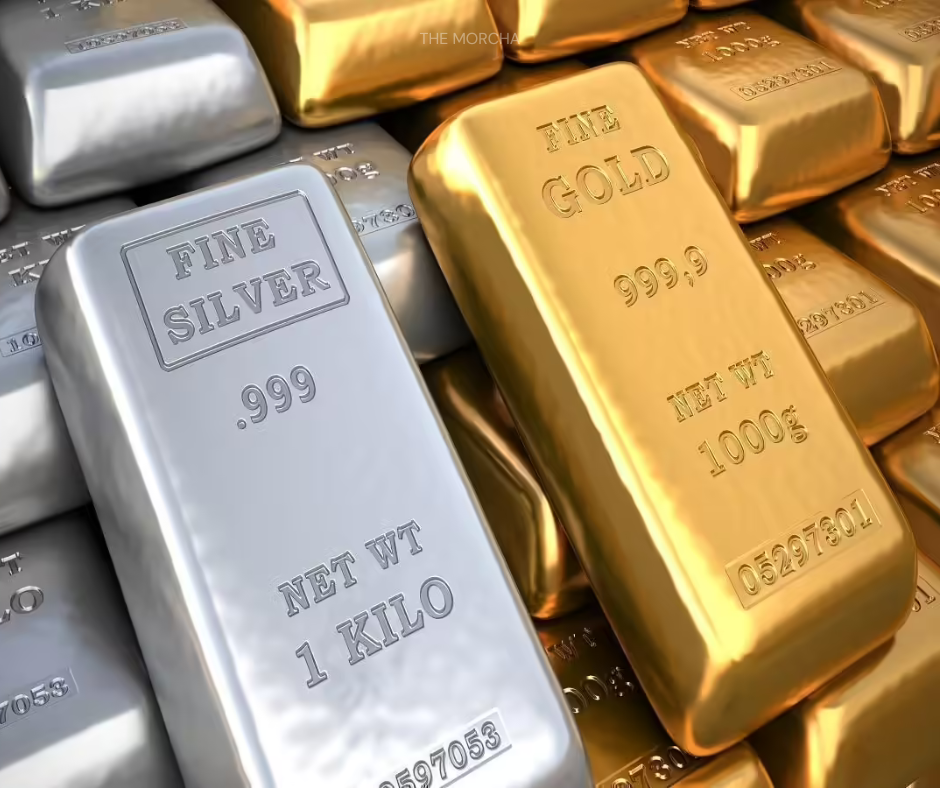
For investors, the silver rate and gold rate today serve as important indicators of market sentiment and economic direction. Gold’s role as a safe-haven asset during times of inflation or market volatility makes it a reliable investment, while silver offers opportunities for higher returns due to its dual industrial and investment demand. Understanding the factors that drive price movements allows both consumers and investors to plan strategically, time purchases effectively, and minimize financial risks. By staying informed about daily rates, analyzing historical trends, and monitoring economic indicators, individuals can make smarter, more confident decisions regarding gold and silver, balancing cultural needs, investment goals, and financial security.