
Seema Haider was born and raised in Pakistan, in the Sindh province, where she lived a relatively normal life before her story captured international attention. She married Ghulam Haider in 2014, and together they had four children. Despite the responsibilities of managing a household and raising four children, Seema was also known to be active online, a detail that would later play a crucial role in changing the course of her life. Her early years were marked by the duality of personal responsibility and limited social exposure, which became a foundation for her eventual bold decisions that brought her to India.
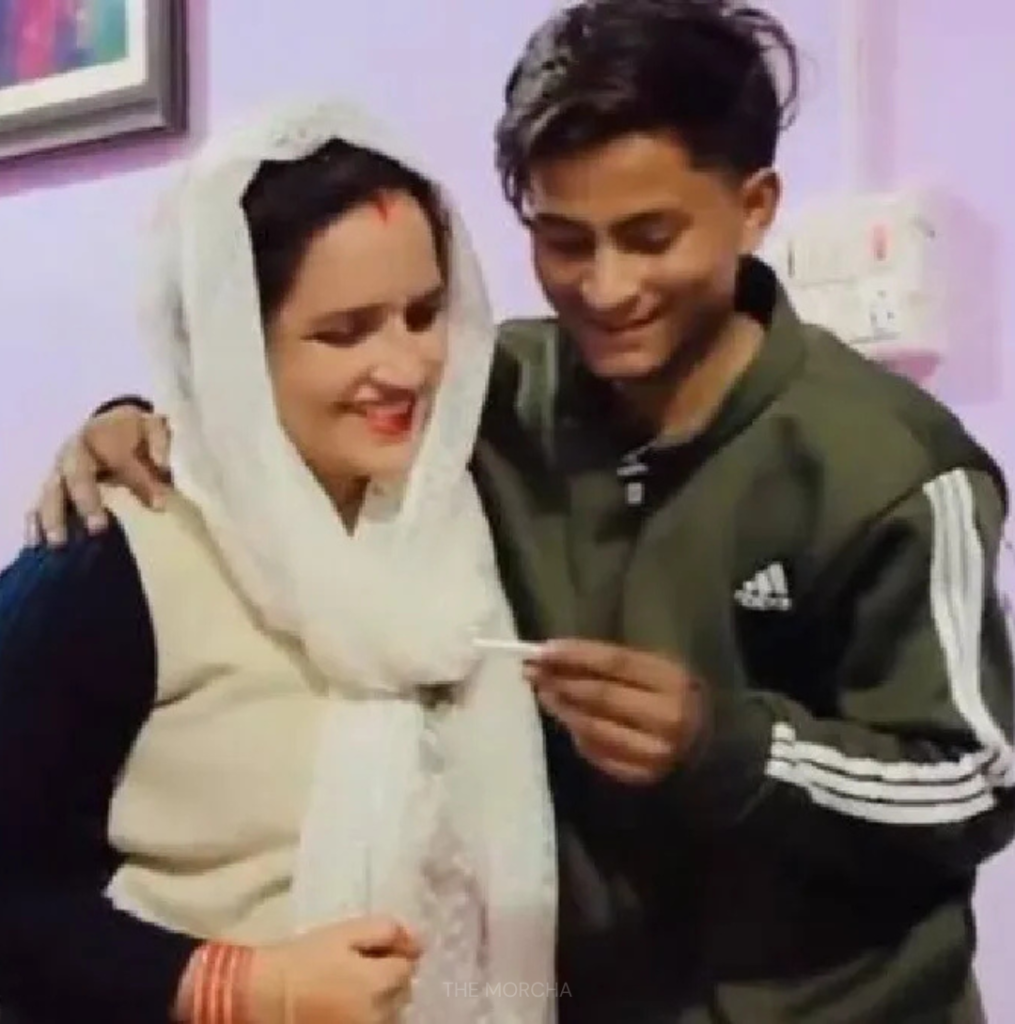
Table of Contents
Marriage to Ghulam Haider and Family Life
Seema’s marriage to Ghulam Haider initially followed a traditional trajectory common in her community. Over the years, however, the relationship faced challenges, including long periods of separation. By 2019, Ghulam Haider moved to Dubai, leaving Seema and their four children behind in Karachi. This separation created both emotional and practical challenges for Seema, who had to manage the household, care for her children, and navigate life as a single parent. She not only had to handle daily chores and schooling for her children but also ensure their emotional well-being in the absence of their father.
The stress of juggling these responsibilities, along with financial and societal pressures, placed immense strain on her. During this period, Seema increasingly engaged with online communities and gaming platforms, seeking connection and companionship beyond her immediate environment. These virtual interactions introduced her to new ideas and relationships, ultimately leading her to form bonds outside Pakistan, which would later become pivotal in reshaping her personal life and future.
Online Connection and Meeting Sachin Meena
Seema Haider’s life took a significant turn when she began playing online games, specifically PUBG, during the global pandemic lockdowns. In this virtual space, she met Sachin Meena, an Indian man from Greater Noida. Their initial interactions were casual, centered around gameplay, but gradually developed into deeper conversations and emotional bonds. They spent hours communicating daily, sharing personal stories, and discussing their hopes and challenges, which created a sense of intimacy and trust.
This connection across borders exemplifies how technology and online platforms are reshaping relationships, allowing people from different countries and cultures to build strong personal ties in ways that were previously unlikely. For Seema, these conversations provided not only emotional support but also a window into a life and environment vastly different from her own, planting the seeds for a life-changing decision to pursue a relationship beyond national boundaries.
Decision to Move to India
After establishing a bond with Sachin, Seema Haider made the difficult decision to leave Pakistan in 2023. She traveled with her four children, reportedly through Nepal, before reaching India. This move was both personal and risky, as it involved crossing international borders without official documentation. Her decision reflected a combination of personal desire for companionship, the hope of building a new life, and the practical need to ensure a secure future for her children. Leaving behind her familiar environment, extended family, and social support network was emotionally taxing, yet Seema remained determined to pursue a life with Sachin.
The journey itself posed logistical and safety challenges, from arranging transportation to navigating unfamiliar territories. Additionally, her arrival in India brought her under immediate legal scrutiny, as authorities questioned her immigration status and the broader implications for Pakistani nationals residing in the country without official clearance. This moment marked a significant turning point in Seema’s life, setting the stage for both new opportunities and complex legal and social challenges.
Life in Greater Noida and Rabupura
Upon arrival in Greater Noida, Seema Haider began living with Sachin Meena in Rabupura. The couple reportedly held a marriage ceremony overseas, which, while personally significant, also posed challenges in terms of legal recognition within India. Despite these complexities, the family gradually settled into a routine, balancing daily life with childcare, household responsibilities, and building social connections in the village. Seema made efforts to integrate into the local community, participating in cultural events and forming bonds with neighbors, which helped her children adjust as well.
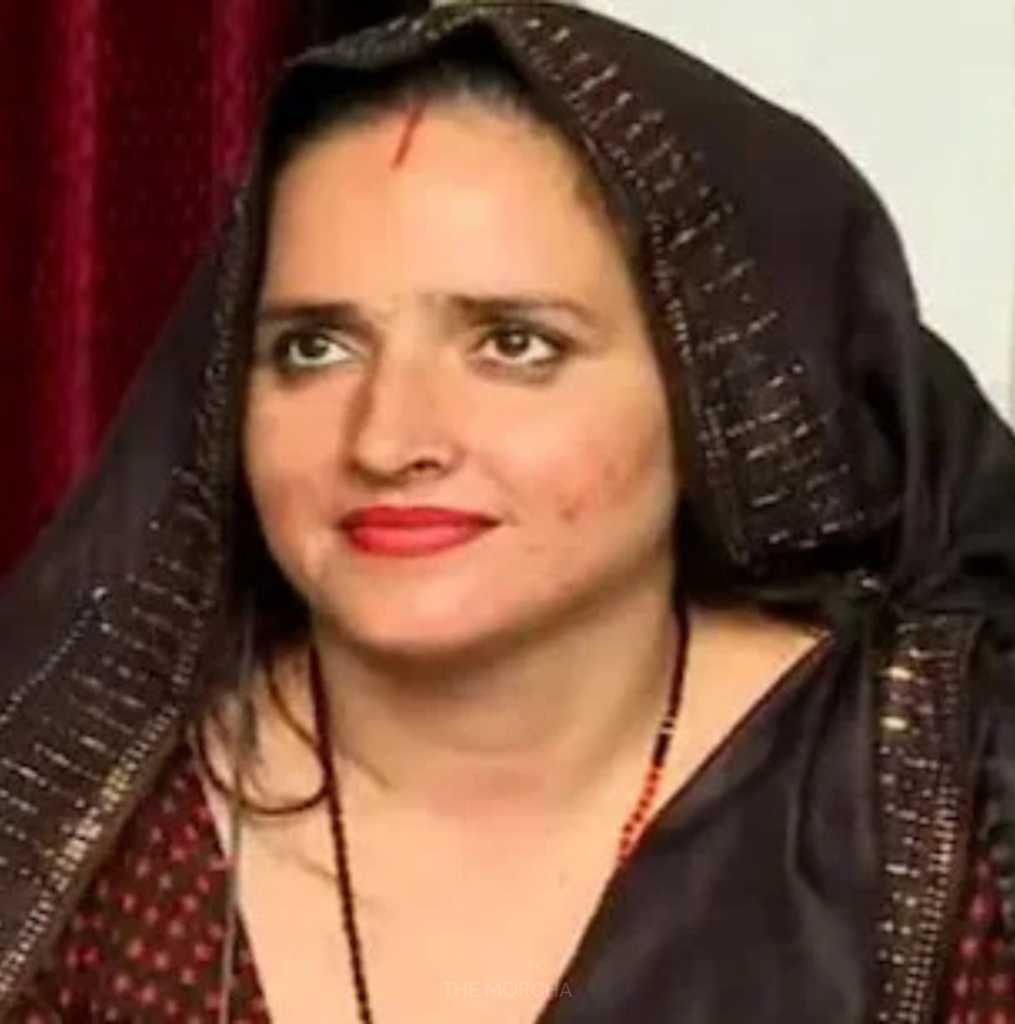
However, awareness of her Pakistani origin sparked curiosity and sometimes suspicion among residents. Local authorities also took notice, given her status as a Pakistani national residing in India without formal documentation. The combination of community interactions, legal oversight, and media interest made her early days in Rabupura both exciting and challenging, highlighting the delicate balance she had to maintain between private family life and public scrutiny.
Legal Challenges and Immigration Status
Seema Haider’s presence in India was quickly scrutinized by authorities. She and Sachin faced legal challenges under the Foreigners Act, as well as other sections of the Indian Penal Code, related to her undocumented entry and residency. These legal issues became a focal point in media reports, highlighting the intersection of personal life choices and state regulations. Her lawyers argued for humanitarian considerations, emphasizing her family situation and the fact that she had two young children with an Indian partner.
The case sparked debates among legal experts, activists, and policymakers about how the law should balance national security with human rights, particularly in cases involving children and family welfare. Questions were also raised about long-term residency options for foreign nationals who marry Indian citizens and the procedural hurdles they face. For Seema, these legal challenges added considerable stress, affecting her ability to plan daily life while navigating the complex judicial process and public attention.
First Child with Sachin Meena
In March 2025, Seema Haider gave birth to her first child with Sachin Meena, a daughter in Greater Noida. This event marked a new chapter in her life, as she navigated motherhood while under intense public scrutiny. The media coverage was extensive, highlighting not only the personal aspects of her journey but also the legal and social complexities surrounding her presence in India. Locals in Rabupura celebrated the arrival of the child with gifts, blessings, and visits, making Seema feel welcomed despite earlier skepticism from some residents.
For Seema, her daughter represented a fresh start, symbolizing hope, resilience, and the possibility of building a stable family life in a new country. Balancing her responsibilities as a mother of six children, including four from her previous marriage, Seema faced emotional and practical challenges, from managing childcare routines to navigating public attention. This birth also strengthened her bond with Sachin, reinforcing their shared commitment to creating a supportive and loving environment for their children.
Media Attention and Public Perception
From the moment Seema Haider arrived in India, her life became a media phenomenon. News outlets covered every aspect, from her initial relocation to the birth of her children, often highlighting both the personal and legal dimensions of her journey. Public perception was deeply polarized; some viewers and commentators framed her story as one of love, courage, and resilience, celebrating her determination to start a new life despite immense challenges. Others criticized her for allegedly violating immigration laws and questioned the precedent her case might set for cross-border relationships.
Social media amplified these discussions further, with trending hashtags, video coverage, and opinion threads that attracted both national and international audiences. Online platforms became arenas for debate, where people empathized with her struggles as a mother while also engaging in broader conversations about law, nationality, and human rights. The intense scrutiny demonstrated how a personal story could evolve into a symbol of larger societal issues, making Seema Haider both a subject of compassion and controversy, and highlighting the power of media to shape public perception in the digital age.
Community Reactions in Rabupura
In Rabupura, where Seema Haider and Sachin Meena settled, local reactions were mixed and often reflected a combination of curiosity, support, and cautious observation. Many neighbors warmly celebrated the births of her children, visiting the family home with gifts, sweets, and heartfelt congratulations, which helped Seema and her family feel welcomed in the community. At the same time, the presence of a foreign national openly living with an Indian partner naturally drew curiosity and, in some cases, scrutiny. Residents frequently discussed her story in small gatherings, balancing fascination with concern over legal and cultural implications.
These interactions highlighted how individual choices intersect with broader social norms, local expectations, and legal frameworks. For Seema, this meant navigating both admiration and judgment from those around her, while striving to maintain a peaceful family life. The community’s mixed response underscored the complexities of acceptance, revealing how personal decisions in a cross-border context can spark dialogue about law, culture, and the meaning of family in contemporary society.
Second Child with Sachin Meena
In February 2026, just 11 months after the birth of her daughter, Seema Haider gave birth to a baby boy, her sixth child overall. This rapid succession of births garnered significant media coverage and renewed public interest in her story, with news outlets and social media platforms highlighting the event as both a personal milestone and a continuation of her widely discussed journey. Hospital sources confirmed that both mother and child were healthy following delivery, allowing the family to return home safely.
The arrival of her son reinforced Seema’s identity as a devoted mother navigating complex personal, cultural, and legal circumstances, skillfully blending her past experiences in Pakistan with her present life in India. For the community in Rabupura, the birth was a celebratory event, symbolizing hope, family unity, and Seema’s resilience in creating a stable environment for her growing family despite public scrutiny and ongoing legal questions.
Children from Previous Marriage
Seema Haider’s four older children, born from her marriage with Ghulam Haider in Pakistan, remained a central part of her life and her primary source of motivation. Raising these children in India, under new family circumstances, posed emotional, social, and legal challenges, as they had to adjust to a completely different cultural environment while coping with the absence of their father. Questions regarding their nationality, legal status, schooling, and access to healthcare and other public services were complex and required careful navigation with the help of local authorities.
Each child’s emotional well-being became a priority, influencing Seema’s daily routines and long-term decisions. Balancing the needs of her older children with her younger children from Sachin Meena meant constantly managing time, attention, and resources. Additionally, integrating children from two different family backgrounds highlighted challenges related to identity, belonging, and social acceptance, while emphasizing the resilience and adaptability required to maintain harmony in a blended, cross-border family structure.

Citizenship and Legal Status of Children
The issue of citizenship has been a central and recurring theme in Seema Haider’s narrative, impacting both her family’s legal standing and their future opportunities. While her four older children born in Pakistan are legally recognized as Pakistani nationals, her two younger children, born in India with Sachin Meena, may be eligible for Indian citizenship under laws pertaining to birth and parentage. Legal experts note that these cases are rarely straightforward, often requiring detailed verification of parentage, residency, and other documentation. Additionally, humanitarian considerations, such as the welfare of minors and the rights of families, play a significant role in any legal determination.
The situation also carries potential diplomatic implications, as decisions regarding the status of foreign nationals and cross-border children must be sensitive to international norms and bilateral relations. This complex interplay between personal life choices, family structure, and national legal frameworks highlights how deeply individual decisions can intersect with policy, law, and societal expectations, making Seema’s case emblematic of broader challenges faced by transnational families in South Asia.
Cross-Border Relationships in South Asia
Seema Haider’s story is emblematic of the complex challenges faced by cross-border couples in South Asia, where historical, political, and cultural factors often intersect to create difficult circumstances for families. Differences in language, religion, and social customs can make integration into a partner’s country challenging, while ongoing political tensions between neighboring nations add layers of scrutiny and legal obstacles. Strict immigration and citizenship laws further complicate the ability of couples to live together and raise children in a stable environment.
Seema’s experiences highlight the deeply emotional dimension of such relationships, including the longing for companionship, security, and family unity across borders. Analysts argue that cases like hers spark broader discussions about migration policies, the recognition of cross-border marriages, and the rights of individuals to choose their life partners irrespective of nationality. Moreover, her story demonstrates the resilience and adaptability required for couples to navigate these challenges while maintaining family cohesion, ultimately offering insight into the evolving dynamics of love, law, and cultural identity in the South Asian context.
Public Discourse and Media Framing
Media coverage of Seema Haider has ranged from neutral reporting to highly sensationalized narratives, often emphasizing different aspects of her story depending on the outlet’s focus. Some headlines highlighted the romantic angle of her cross-border relationship with Sachin Meena, while others scrutinized the legal and immigration issues surrounding her stay in India. Social media further amplified these narratives, with millions of users commenting, sharing, and debating her life choices, turning a deeply personal story into a subject of global discussion. This widespread attention raises important questions about privacy, the ethics of media reporting, and the representation of women in complex legal and social situations.
Public discourse around Seema also reflects broader societal attitudes toward cross-border marriages, migration, and family structures. By framing her story through lenses of controversy, compassion, or curiosity, media coverage has shaped how audiences perceive not only Seema herself but also issues of nationality, law, and cultural norms in South Asia. The intense focus demonstrates the power of media to influence public opinion, sometimes blurring the line between human interest storytelling and sensationalism.
Cultural Integration and Family Life
Despite legal and media challenges, Seema Haider has actively worked to integrate into her local community in Greater Noida and Rabupura. She participates in traditional ceremonies, festivals, and cultural events, demonstrating her willingness to adapt while also preserving her own values and Pakistani heritage. Her approach to integration emphasizes mutual respect, community involvement, and creating meaningful social connections. Seema’s family structure, which combines children from two different relationships and countries, reflects a modern, multicultural household navigating the challenges of identity, belonging, and acceptance.
By fostering open communication among her children and engaging neighbors in family celebrations, she has created a sense of stability and normalcy. This effort helps her children feel connected both to their Indian surroundings and their Pakistani roots, while also allowing Seema to gradually establish a supportive network of friends and community members around her.
Seema Haider as a Symbol of Resilience
Seema Haider’s life story is more than just a personal narrative; it is a lens through which broader societal issues can be understood. Her journey highlights the complexities of cross-border migration, the legal challenges of undocumented residence, the cultural dynamics of family life, and the evolving nature of love and relationships in a digital world.

As she continues to raise her children and navigate her unique circumstances, Seema Haider remains a figure of resilience, adaptability, and determination, embodying the intersections of personal choice, legal frameworks, and social dynamics in the 21st century.