Rule changes from March 1, 2026, mark the implementation of several important regulatory and financial updates that are expected to directly impact citizens across the country. These rule changes cover essential areas of daily life, including LPG cylinder pricing, railway ticket booking systems, and new SIM binding regulations aimed at strengthening digital security.

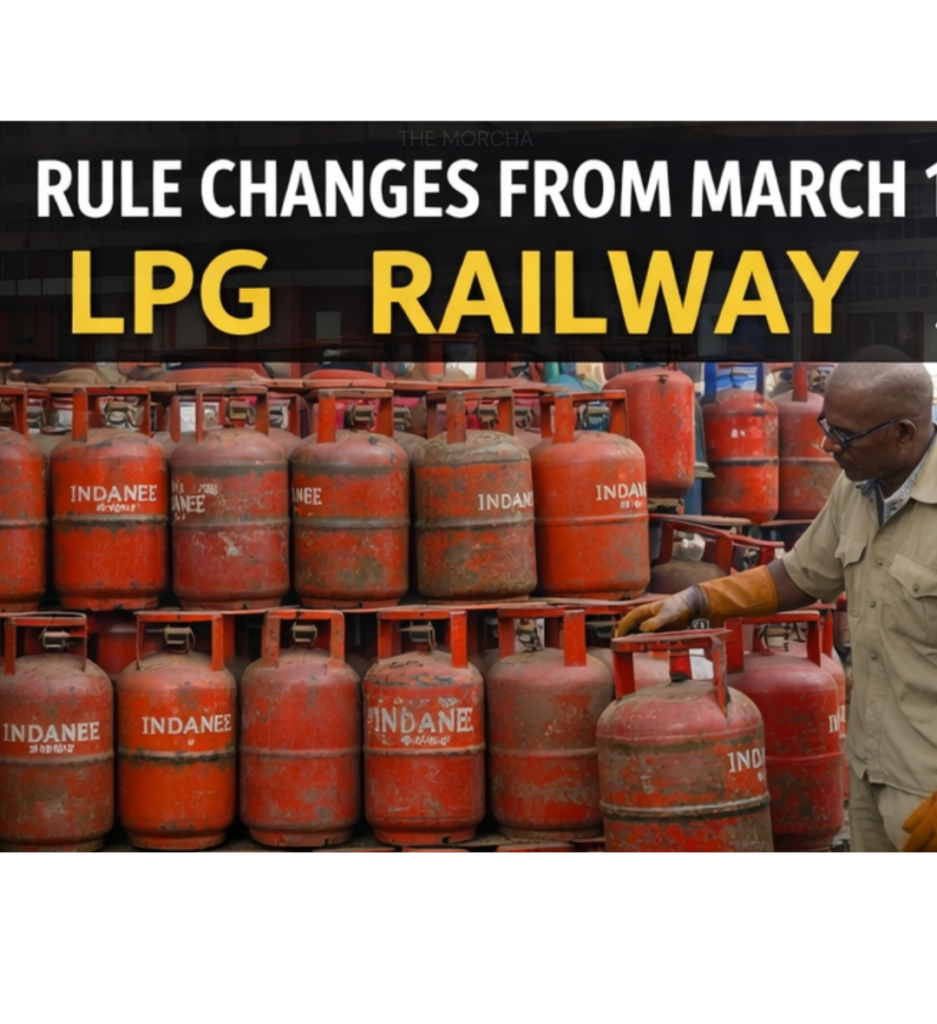
While monthly administrative updates are common, the combination of economic, transportation, and telecom changes taking effect simultaneously makes this date particularly significant. Understanding these updates in detail is essential for individuals, families, and businesses who want to plan their finances and digital usage efficiently.
Table of Contents
Why Monthly Economic Revisions Matter for Households
At the beginning of every month, various economic adjustments are introduced that influence household spending. From fuel prices to service charges, small changes can gradually alter a family’s monthly budget. The March 1 rule changes are especially important because they affect essential services such as cooking gas and railway travel, which are part of everyday life. Even minor price revisions can accumulate over time, increasing annual expenses. Therefore, being aware of these regulatory changes helps citizens make informed financial decisions and adjust their spending patterns accordingly.
LPG Cylinder Price Revisions Effective from March 1
One of the most closely watched updates each month is the revision of LPG cylinder prices. Oil marketing companies review prices based on global crude oil trends, currency exchange rates, and domestic supply-demand conditions. From March 1, 2026, new LPG price adjustments are expected to take effect. In recent months, commercial LPG cylinder prices have experienced noticeable fluctuations, while domestic cylinder prices have remained relatively stable in some periods. However, any revision—whether upward or downward—has direct consequences for households and businesses alike.
Impact of Commercial LPG Price Changes on Businesses
Commercial LPG cylinders are widely used in restaurants, hotels, catering services, and food stalls. A price increase of even a few dozen rupees per cylinder can significantly affect businesses that consume multiple cylinders each week. Higher fuel costs may lead to increased operational expenses, forcing businesses to either reduce profit margins or pass the cost onto consumers. As a result, customers may notice slight increases in food prices. This chain reaction demonstrates how a single administrative change in LPG pricing can influence broader economic activity.
Domestic LPG Stability and Household Budget Planning
For households, domestic LPG cylinder pricing is a major factor in monthly budgeting. Cooking gas is a necessity, and any increase directly impacts family expenses. Although domestic cylinder prices sometimes remain unchanged for several months, the possibility of revision at the start of each month keeps consumers alert. Families often adjust spending in other areas, such as entertainment or discretionary purchases, to compensate for higher utility costs. March 1 revisions may therefore play a crucial role in financial planning for middle-class households.
Railway Ticket Booking Rule Changes from March 1

Another major update coming into effect on March 1, 2026, involves changes in railway ticket booking systems. Indian Railways is transitioning from its older UTS (Unreserved Ticketing System) mobile application to a newer and more integrated platform known as RailOne. This shift is part of a larger modernization initiative aimed at improving passenger convenience, digital efficiency, and system reliability. Regular commuters and long-distance travelers will need to adapt to this new system to continue booking tickets seamlessly.
Discontinuation of the UTS App and Its Implications
The closure of the older UTS app may initially create inconvenience for passengers accustomed to its interface. However, the transition to RailOne is expected to provide improved functionality, better integration, and enhanced server performance. Commuters who rely on mobile booking for general tickets, platform tickets, or suburban train services should ensure that they download and familiarize themselves with the new application before the old system is completely phased out.
Key Features of the New RailOne App
The RailOne application is designed to consolidate multiple railway services under one digital platform. It is expected to allow users to book general tickets, purchase platform tickets, and manage local train travel requirements more efficiently. Enhanced user interface design, faster processing times, and stronger security mechanisms are among the anticipated improvements. By simplifying digital access to railway services, authorities aim to reduce congestion at physical ticket counters and encourage paperless transactions.
Digital Fraud Concerns Leading to SIM Binding Rules
In addition to economic and transportation updates, March 1, 2026, will also introduce new SIM binding regulations. These measures are intended to strengthen digital security and prevent telecom-related fraud. Over recent years, incidents involving SIM swapping, OTP theft, and unauthorized access to messaging apps have increased significantly. The government’s decision to implement stricter SIM authentication requirements reflects a broader strategy to safeguard users from cybercrime.
How SIM Binding Will Affect Messaging Applications
Under the new SIM binding framework, messaging applications such as WhatsApp, Telegram, and Signal may be more closely linked to the active SIM card in a user’s device. This means that if a SIM card is removed or changed, the apps may require re-verification before continuing normal functionality. The goal is to ensure that only authorized users can access accounts associated with a specific mobile number. While this may add an extra step for users who frequently switch devices, it significantly enhances security.
Implications for Users Who Change SIM Cards Frequently
Many smartphone users utilize dual SIM devices or switch SIM cards depending on network coverage or travel needs. With the new regulations in place, such users may need to undergo additional authentication procedures when swapping SIM cards. Although this may cause minor inconvenience, it reduces the risk of unauthorized access to sensitive information, including banking alerts and personal communication records.
Wi-Fi Connectivity and App Verification Questions
A common concern among users is whether messaging apps will continue functioning normally over Wi-Fi without an active SIM. The updated regulations primarily focus on authentication rather than restricting internet usage. While Wi-Fi-based messaging will likely remain available, certain account verification processes may require active SIM validation. This balance aims to maintain user convenience while enhancing digital security.
Broader Implications for Digital Security Infrastructure
The introduction of SIM binding regulations reflects a larger effort to strengthen digital infrastructure nationwide. As digital payments, online banking, and app-based services continue to expand, ensuring secure telecom authentication becomes critical. By reducing vulnerabilities associated with SIM fraud, authorities hope to create a safer digital ecosystem for millions of users. This step aligns with the broader vision of building a secure and resilient digital economy.
Economic Ripple Effects of the March 1 Rule Changes
When multiple rule changes occur simultaneously, their combined impact can be significant. LPG price adjustments affect food and hospitality industries. Railway booking system changes influence daily commuters and travel planning. SIM binding regulations alter digital communication practices. Together, these changes highlight how interconnected economic, transportation, and digital sectors are within modern society.
Public Reaction and Awareness on Social Media
As news of the March 1, 2026 rule changes spreads, social media platforms have become active spaces for discussion and debate. Citizens are sharing information about LPG price expectations, the new railway app, and digital security measures. Increased awareness helps individuals prepare in advance, reducing confusion once the rules officially take effect. Public discourse also encourages transparency and accountability in policy implementation.
Government Objectives Behind the New Regulations
The overarching goal behind these updates is modernization and protection. LPG price revisions reflect market alignment with global energy trends. Railway system upgrades demonstrate commitment to digital efficiency. SIM binding regulations emphasize cybersecurity and fraud prevention. While some transitions may initially feel disruptive, they are part of a long-term strategy aimed at strengthening infrastructure and protecting consumers.
How Citizens Can Prepare for March 1 Updates
To ensure a smooth transition, citizens should stay informed through official announcements and verified news sources. Downloading and updating the RailOne app in advance can prevent last-minute booking issues. Monitoring LPG price notifications helps in budgeting. Ensuring that mobile numbers are properly registered and linked to essential services reduces complications related to SIM binding rules. Proactive preparation minimizes inconvenience.
Understanding the Significance of March 1, 2026
The rule changes effective from March 1, 2026, represent a combination of economic adjustment, digital modernization, and security enhancement. From LPG cylinder price updates to railway ticket booking transitions and new SIM binding regulations, these developments directly influence everyday life.
Staying informed and adapting promptly allows citizens to manage financial impact, travel smoothly, and maintain digital security. As policies evolve to meet modern challenges, awareness and preparedness remain the most powerful tools for navigating change successfully.


