
Revenge dressing has emerged as one of the most powerful ways for individuals to reclaim confidence and assert identity after breakups, divorces, or personal betrayals. Traditionally, emotional recovery was seen as a private, introspective process, but today, the first visible transformation often appears in wardrobes and personal style. Through carefully chosen outfits, accessories, and styling, individuals signal that they are not defined by heartbreak but are strong, independent, and resilient. Revenge dressing is not about seeking vengeance on a former partner; instead, it is about asserting self-worth, communicating empowerment, and demonstrating personal growth through fashion.
Table of Contents

The Psychology of Clothing and Self-Perception
Fashion is deeply intertwined with human psychology. Studies in enclothed cognition show that clothing can influence behavior, mood, and confidence. After a breakup, individuals may experience feelings of vulnerability, self-doubt, or diminished self-esteem. Revenge dressing works as a psychological tool, helping people regain control over their personal narrative. Wearing bold, empowering outfits can increase dopamine and serotonin levels, enhancing mood and confidence. According to Dr. Donna Cameron, a fashion psychologist, clothing is a form of nonverbal communication, capable of transforming internal emotions into visible expressions of resilience and autonomy.
Princess Diana’s Iconic Black Dress
The modern concept of revenge dressing gained worldwide recognition in 1994, when Princess Diana wore a striking black dress on the night Prince Charles publicly admitted to an affair. The dress symbolized elegance, composure, and emotional strength, turning a deeply personal betrayal into a public statement of defiance and resilience. This historic moment established revenge dressing as a strategy for externalizing emotional strength through fashion, a tradition that continues today with contemporary celebrities adopting similar approaches.
From Vengeance to Self-Empowerment
Contrary to popular assumptions, revenge dressing is not about retaliation against an ex-partner. Instead, it is about reclaiming identity, asserting confidence, and projecting emotional strength. Bold colors, dramatic cuts, and structured outfits communicate that the wearer is independent, resilient, and in control of their narrative. Fashion becomes both a therapeutic and strategic tool, helping individuals navigate heartbreak, rebuild self-esteem, and redefine personal identity.
Colors, Cuts, and Textures
Modern revenge dressing relies on the careful combination of colors, cuts, and textures. Bold shades like red, black, and jewel tones project power, while softer textures like velvet or silk convey inner strength and emotional security. Structured silhouettes communicate authority and control, whereas fluid or layered designs indicate grace, elegance, and personal transformation. Accessories, shoes, and jewelry are often used to reinforce the intended message, enhancing the overall narrative of confidence, resilience, and self-possession.
Statement Pieces vs. Minimalist Aesthetics
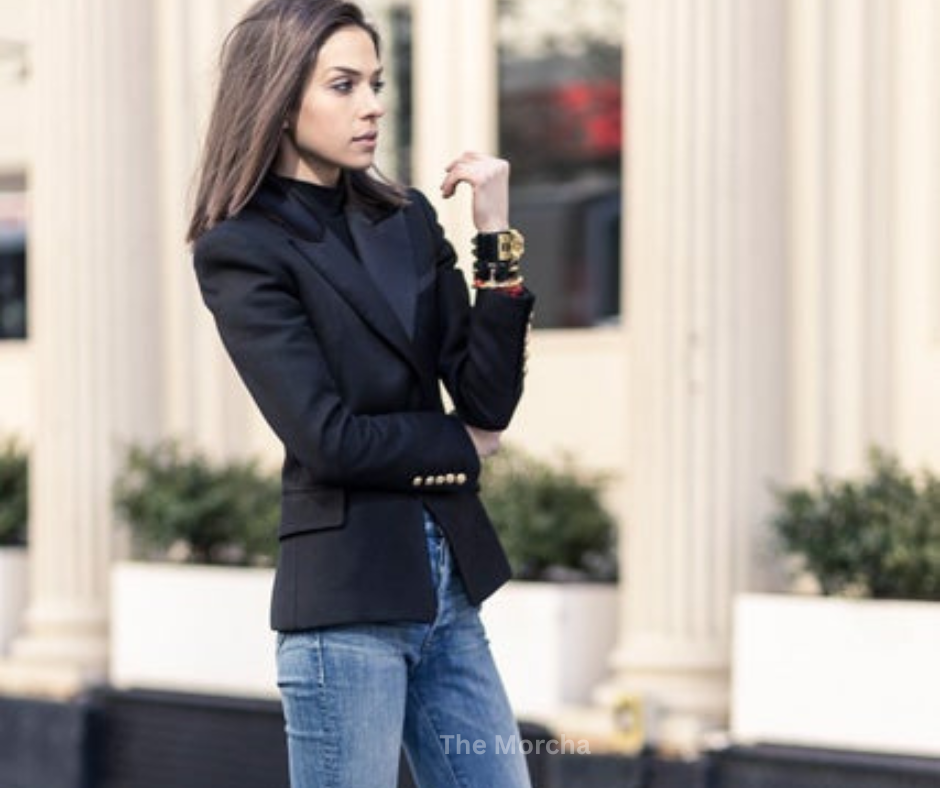
Revenge dressing is a versatile approach to fashion, allowing individuals to express empowerment in ways that suit their personality and emotional state. Some people gravitate toward bold, eye-catching statement pieces that command attention and project confidence, using dramatic cuts, vibrant colors, or standout accessories to assert presence in any setting. Others prefer a minimalist or monochromatic aesthetic, where subtlety, clean lines, and restrained palettes communicate inner strength, composure, and control without overt flamboyance.
Both approaches serve the same ultimate goal: reclaiming identity and projecting resilience after personal setbacks. While bold outfits visually declare self-assurance, minimalist styles convey quiet confidence and strategic poise, demonstrating that revenge dressing is not just about spectacle—it is equally about subtle, deliberate self-expression that reflects personal growth and emotional fortitude.

Celebrity Influence: Diana to Lily Allen
Revenge dressing has a prominent and long-standing presence in celebrity culture, shaping how the world perceives post-breakup empowerment. Princess Diana’s iconic black dress in 1994 set a precedent, inspiring generations to transform heartbreak into a visual narrative of resilience and poise. Contemporary celebrities continue this tradition, with artists like Lily Allen using bold fashion choices and public appearances following personal setbacks to craft a narrative of self-confidence and emotional strength.
Similarly, stars such as Nicole Kidman and Sharon Rampling demonstrate how monochrome, structured, and refined outfits can communicate composure and inner power without relying on overt flamboyance. These examples illustrate that revenge dressing is far more than an aesthetic choice—it is a deliberate form of identity reclamation that projects resilience, autonomy, and confidence to both the wearer and the public, turning fashion into a tool for personal empowerment and public storytelling.
Fashion as a Form of Emotional Healing
Beyond style, revenge dressing functions as emotional therapy. Clothing helps individuals regain control, rebuild confidence, and navigate emotional upheaval. By wearing outfits that resonate with power and self-assurance, people externalize their internal transformation, turning heartbreak into a visible and empowering narrative. Fashion becomes a bridge between personal recovery and public self-expression, allowing the wearer to project resilience and autonomy.
Color Psychology and Emotional Messaging
Colors play a pivotal role in revenge dressing. Red and black evoke confidence and power, jewel tones suggest luxury and self-assurance, and soft pastels or metallics convey calm, security, and poise. Understanding the psychological impact of colors allows individuals to use fashion strategically, enhancing both their emotional state and social perception. Color choices in revenge dressing are intentional, creating a visual language of strength, independence, and self-respect.
The Role of Silhouette and Fit
Revenge dressing relies heavily on the careful selection of silhouette and fit, as these elements are key to conveying both visual impact and emotional strength. Tailored, structured garments communicate control, authority, and confidence, allowing the wearer to project a sense of empowerment in every posture and movement. In contrast, flowing, layered, or asymmetrical designs can express elegance, grace, and personal growth, signaling that strength can coexist with fluidity and adaptability.
The cut, fit, and proportion of clothing profoundly influence how individuals perceive themselves in their bodies, shaping confidence, poise, and even mental resilience. By mastering the balance between structure and flow, wearers can visually and emotionally assert their identity, ensuring that revenge dressing functions not only as a fashion statement but also as a psychological tool for reclaiming power, independence, and self-expression after emotional upheaval.
Amplifying the Message
Accessories—jewelry, shoes, handbags, belts—play a key role in revenge dressing. They enhance the outfit’s message and allow subtle communication of strength, independence, and personality. A carefully chosen accessory can transform a simple look into a bold statement of confidence, while minimalist choices reinforce composure and control. Revenge dressing is therefore a holistic approach, combining clothing, accessories, and styling into a cohesive narrative of empowerment.
Gender Inclusivity in Revenge Dressing
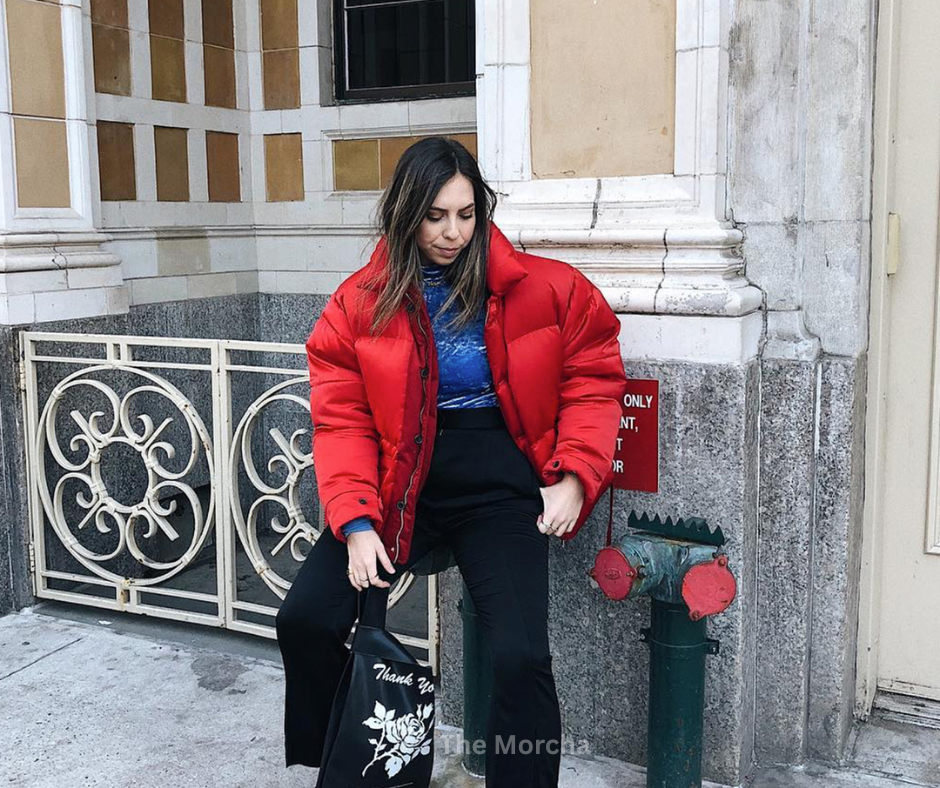
While historically associated with women, revenge dressing has become gender-inclusive. Men often use tailored suits, sharp cuts, or statement accessories to project confidence and assert control after personal setbacks. Non-binary individuals explore androgynous, fluid, or bold ensembles to express resilience and redefine their identity. This evolution highlights that revenge dressing is fundamentally about psychological empowerment and self-expression, transcending traditional gender norms.
Cultural and Social Significance
Revenge dressing reflects broader cultural trends, including the increasing importance of fashion in identity formation and public storytelling. It transforms emotional recovery from passive mourning into active self-assertion. Social media amplifies the trend, enabling individuals to share their transformation visually, normalize empowerment through style, and inspire others. Revenge dressing, therefore, exists at the intersection of psychology, fashion, and social communication, demonstrating how clothing can reshape public perception and self-identity.
Practical Strategies for Revenge Dressing
Revenge dressing can be most effective when approached strategically, allowing fashion to become a tool for emotional reclamation and self-expression. Experts suggest starting by defining the emotional message you wish to convey through your outfit, whether it is confidence, strength, composure, or a sense of renewed independence. Color choices play a crucial role in this process, as shades like bold red or black can communicate power and determination, while softer tones or metallics evoke calm resilience and poise.
The fit and silhouette of clothing are equally important; tailored, structured pieces project authority and control, while flowing or layered designs suggest elegance and personal growth. Thoughtful accessorizing—through jewelry, shoes, or bags—can amplify the intended narrative and add depth to the overall look. Finally, balancing bold statement pieces with minimalist elements allows individuals to maintain sophistication while making a clear visual statement of empowerment. By integrating these strategies, revenge dressing transforms clothing into a means of projecting strength, reclaiming confidence, and visually narrating personal growth in the aftermath of a breakup.
Fashion as a Medium of Empowerment
Revenge dressing is far more than a fleeting post-breakup trend; it has evolved into a powerful medium for reclaiming identity, asserting confidence, and celebrating emotional strength. By transforming personal style into a visible statement, individuals can externalize their inner resilience and demonstrate that heartbreak does not define them. From Princess Diana’s iconic black dress, which became a symbol of poise and defiance, to modern examples set by celebrities like Lily Allen and Nicole Kidman, revenge dressing shows how clothing can communicate strength, autonomy, and renewed self-worth.
It is not merely about glamour or appearance—this approach merges psychology, aesthetics, and strategic public messaging to create a narrative of empowerment. Through the careful selection of colors, textures, silhouettes, and accessories, individuals can project composure, independence, and confidence, turning personal recovery into a visible statement of growth. In this way, revenge dressing becomes a timeless and versatile strategy for self-expression, allowing anyone to use fashion as a conduit for emotional healing, identity reclamation, and long-lasting empowerment.