
PNG Gas Connection 2026 India is rapidly becoming one of the most important developments in the country’s energy sector. As the government focuses on expanding piped natural gas connections to households, millions of families may soon shift away from traditional LPG cylinders. This initiative aims to provide a safer, more affordable, and highly convenient cooking solution. With the vision of “Har Ghar PNG,” the government is working to ensure that every household gets access to clean and continuous fuel supply, making daily life easier and more efficient.
Table of Contents
What is PNG Gas and How is it Different from LPG?
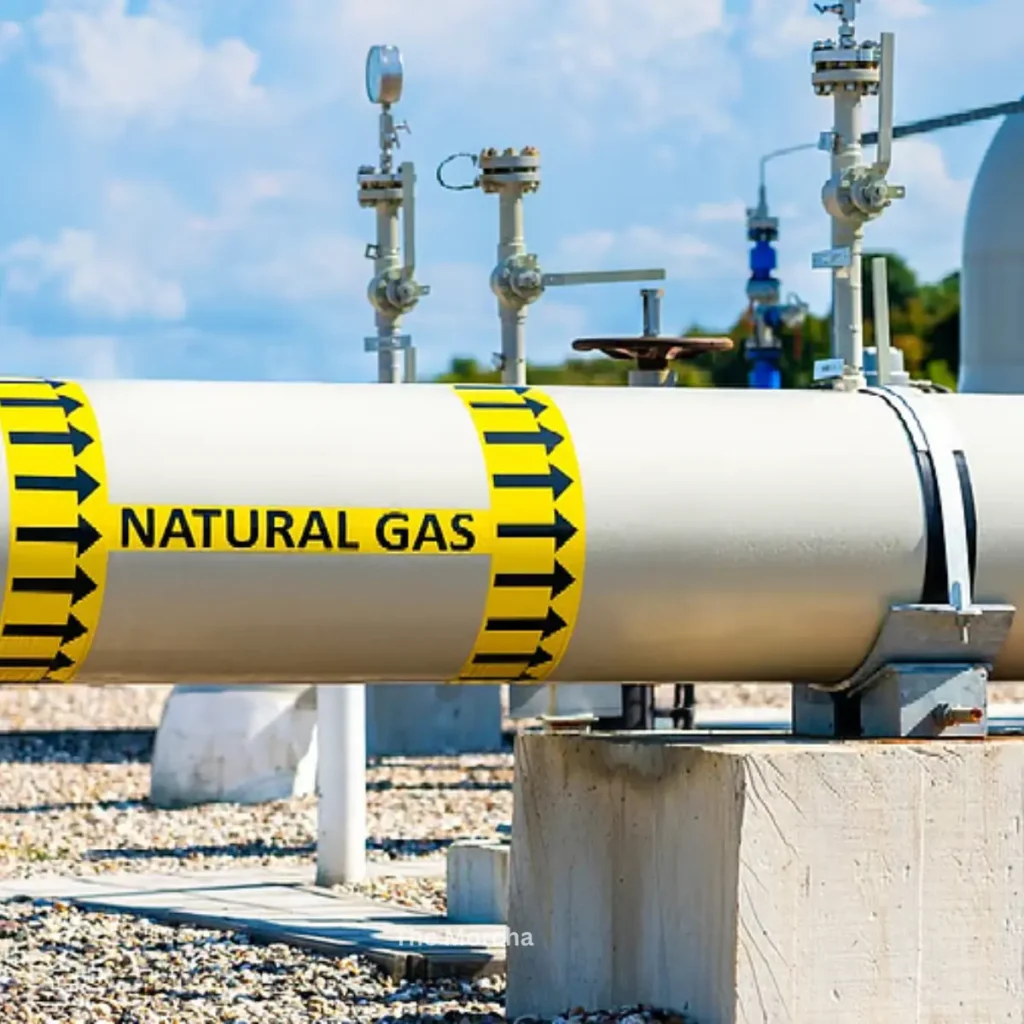
PNG (Piped Natural Gas) is a clean and efficient fuel that is delivered directly to homes through underground pipelines. Unlike LPG, which is stored in cylinders and requires regular refilling, PNG offers a continuous supply without the need for storage.
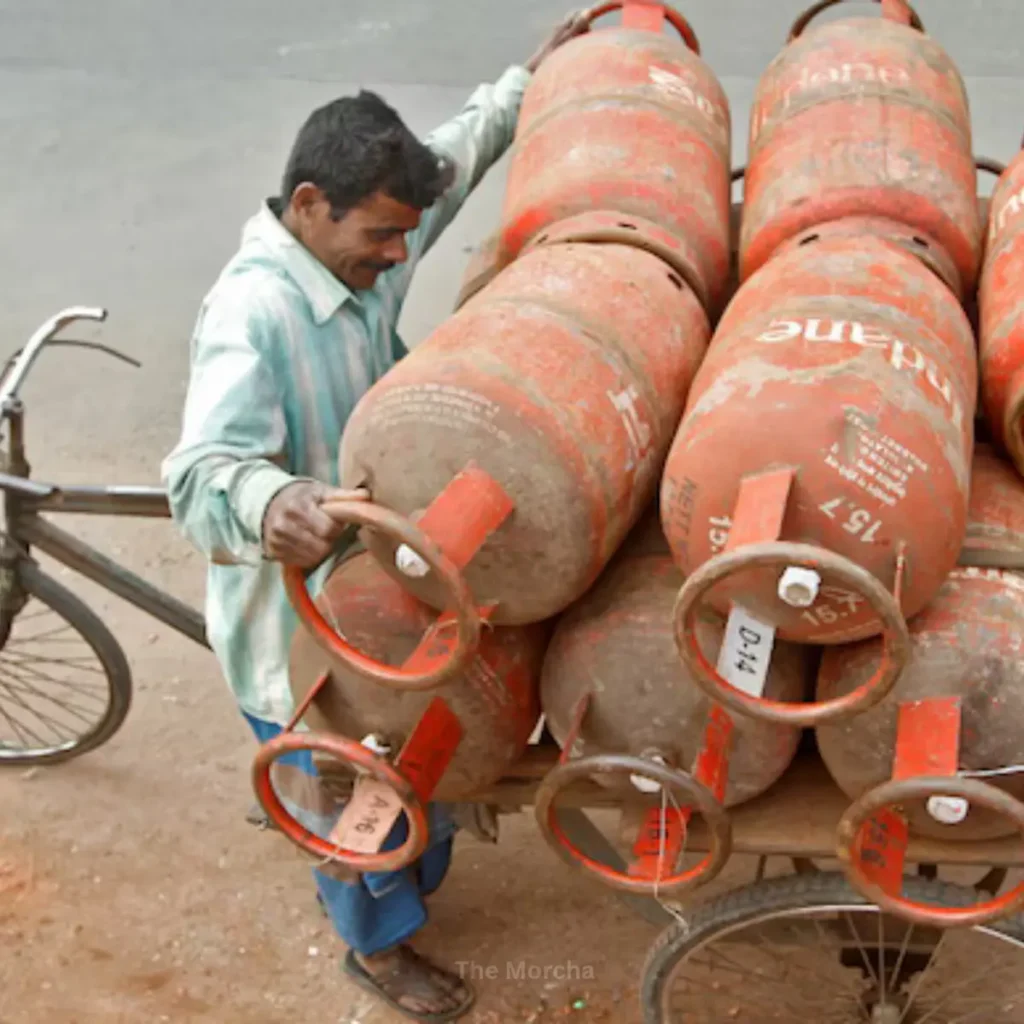
The key difference between PNG and LPG lies in their delivery system and usability. PNG flows through pipelines, while LPG is supplied in cylinders. In terms of safety, PNG is lighter than air and quickly disperses in case of leakage, whereas LPG can accumulate and pose higher risks. Cost is another important factor—PNG is generally cheaper and allows users to pay only for what they use. Additionally, PNG eliminates the hassle of booking cylinders, waiting for delivery, and handling heavy containers. These advantages are driving the growing popularity of PNG Gas Connection 2026 India.
Government Plan
The Indian government is actively promoting the expansion of city gas distribution networks under its “Har Ghar PNG” mission. The goal of the PNG Gas Connection 2026 India initiative is to bring piped gas connections not only to metro cities but also to Tier 2, Tier 3 cities, and semi-urban areas.
This plan includes large-scale investment in pipeline infrastructure, collaboration with private companies, and efforts to keep connection costs affordable for the common public. The expansion aligns with India’s long-term energy goals, including reducing carbon emissions and promoting cleaner fuel alternatives. As infrastructure improves, more households will be able to access PNG, making it a key part of India’s future energy system.
Why India is Moving Away from LPG
India’s gradual shift from LPG to PNG is driven by several practical and economic reasons, making PNG Gas Connection 2026 India a major topic of discussion. One of the biggest concerns is the rising cost of LPG cylinders, which has become a financial burden for many families, especially in urban and semi-urban areas. This is why PNG Gas Connection 2026 India is being seen as a more affordable and long-term solution.
Another issue is the inconvenience associated with LPG supply. Delays in cylinder delivery can disrupt daily routines, particularly in households where cooking depends entirely on LPG. In contrast, PNG Gas Connection 2026 India offers a continuous gas supply without the need for repeated bookings. Environmental concerns also play a major role, as PNG is a cleaner fuel that produces fewer emissions and contributes less to air pollution, further increasing the demand for PNG Gas Connection 2026 India.
Because of these factors, the government is actively encouraging households to adopt PNG Gas Connection 2026 India as a more sustainable, reliable, and future-ready alternative.
Benefits of PNG Gas Connection 2026 India
The benefits of switching to PNG are numerous and directly impact the quality of life for users. First and foremost, PNG is cost-effective. Since users are billed based on actual consumption, it helps in better budget management compared to fixed cylinder costs.
Another major advantage is continuous supply. With PNG, there is no need to worry about running out of gas or booking refills. The gas is available 24/7, ensuring uninterrupted cooking.
Safety is also a significant benefit. PNG is lighter than air and disperses quickly, reducing the chances of accidents. From an environmental perspective, PNG is eco-friendly and produces fewer harmful emissions.
Lastly, convenience makes PNG highly attractive. There is no need for storage, no heavy lifting, and no dependency on delivery schedules. These advantages make PNG Gas Connection 2026 India a smart and modern solution for households.
How to Apply for PNG Gas Connection
Applying for a PNG Gas Connection 2026 India has become simple and user-friendly, thanks to digital platforms. Most gas distribution companies offer online application services.
The process usually involves visiting the official website of your local gas provider, filling out an application form, submitting necessary documents, and paying the connection fee. Required documents typically include an Aadhaar card, address proof, and a valid mobile number.
Once the application is approved, the company schedules an installation visit. This streamlined process ensures that more people can easily switch to PNG without unnecessary delays.
Installation Process Explained
After approval, trained professionals carry out the installation process. This includes connecting your home to the main pipeline, installing a gas meter, and conducting safety checks.
The entire installation process is designed to be safe and efficient. Depending on the location and infrastructure availability, it may take a few days to a few weeks. Once completed, households can start using PNG immediately.
Cost of PNG Gas Connection in India
The cost of PNG Gas Connection 2026 India varies depending on the city and gas provider. Typically, the connection fee ranges between ₹5,000 and ₹10,000, while the security deposit may be around ₹2,000 to ₹5,000.
Although the initial setup cost may seem high, the long-term savings make PNG a cost-effective option. Monthly bills are based on usage, allowing users to control their expenses more efficiently compared to LPG.
Cities Covered Under PNG Expansion
Currently, major cities like Delhi NCR, Mumbai, Ahmedabad, Lucknow, and Jaipur already have PNG connections. Under the PNG Gas Connection 2026 India plan, the network is expanding rapidly to include smaller towns and developing areas.
This expansion is crucial for ensuring that more people benefit from clean and affordable energy. As infrastructure improves, the availability of PNG is expected to increase significantly across the country.
Challenges in PNG Expansion
Despite its benefits, the expansion of PNG faces certain challenges. One of the main issues is the high cost of building pipeline infrastructure, especially in remote areas.
Another challenge is limited reach in rural regions, where pipeline networks are still underdeveloped. Additionally, lack of awareness among people about the benefits of PNG slows down adoption.
However, with continued government efforts and public awareness campaigns, these challenges are gradually being addressed.
Expert Opinions on PNG Gas Future
Energy experts strongly believe that PNG Gas Connection 2026 India will play a major role in shaping the country’s energy future. According to experts, PNG can significantly reduce carbon emissions and help India move toward cleaner energy sources.
They also highlight that PNG can lower household energy costs and support sustainable development goals. As technology improves and infrastructure expands, PNG is expected to become the preferred cooking fuel in urban India.
Future of Cooking Gas in India
The future of cooking gas in India is clearly shifting toward cleaner and more efficient options like PNG. With increasing urbanization and technological advancements, the demand for pipeline-based energy solutions is rising.
In the coming years, we can expect wider coverage, lower connection costs, and the introduction of smart gas meters. Integration with smart home systems may also become common, making energy usage more efficient and convenient.
The success of PNG Gas Connection 2026 India could redefine how households consume energy and manage daily cooking needs.
Impact on Common People
The shift to PNG will have a significant impact on everyday life. Families will benefit from reduced monthly expenses, improved safety, and greater convenience.
There will be less dependency on cylinder deliveries, fewer disruptions in cooking, and a more modern lifestyle overall. For working families, this change can save time and effort, making daily routines smoother.
PNG Gas Connection 2026 India represents a major step toward a cleaner, safer, and more convenient future. With strong government support and growing awareness, PNG is set to replace LPG in many households across India.
While challenges like infrastructure and rural reach still exist, the long-term benefits clearly outweigh the drawbacks. For millions of Indian families, adopting PNG could mean better savings, improved safety, and a more sustainable way of living. As the country moves forward, PNG is likely to become the backbone of household energy consumption.