
Pakistan in the ICC Men’s T20 World Cup has consistently delivered breathtaking cricket, showcasing both emerging teams and established powerhouses. Among the many matches, Pakistan’s 32-run victory over the USA has drawn significant attention, underlining the importance of spin mastery, tactical planning, and psychological strength in T20 cricket. This win not only boosts Pakistan’s confidence but also sets the stage for a monumental Sunday clash against arch-rivals India, making every detail of their preparation and execution worth analyzing.
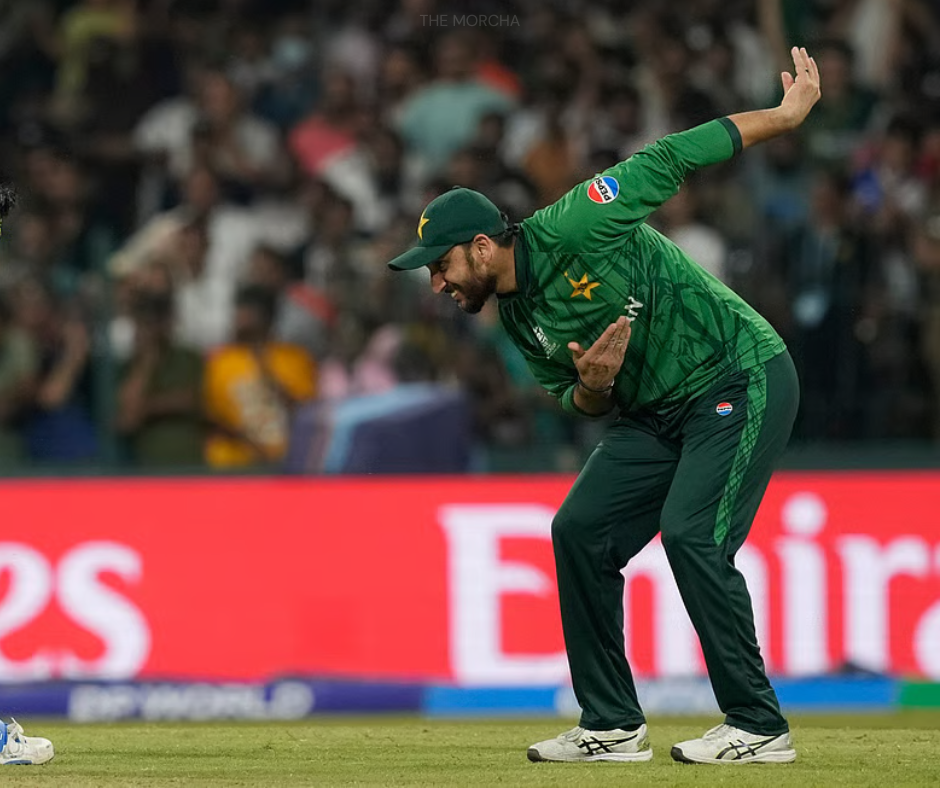
Table of Contents
Winning the Toss and Initial Strategy
Winning the toss is often a defining moment in T20 cricket, capable of setting the tone for the entire match. Pakistan elected to bat first, a strategic decision aimed at exploiting the early powerplay overs while ensuring their spinners could dominate in the middle overs when the pitch might offer turn and grip. The pitch, known for its moderate bounce and predictable pace, encouraged a blend of aggressive stroke play upfront and cautious accumulation to establish a competitive total.
By opting to bat first, Pakistan also sought to put scoreboard pressure on the USA, forcing them to chase under the psychological weight of a significant target. This decision reflected not only tactical awareness but also a deep understanding of the conditions, the opposition’s weaknesses, and the importance of momentum in T20 cricket. It was a clear demonstration of Pakistan’s intent to dictate the match from the very beginning, rather than react to the opposition’s game plan.
Pakistan’s Opening Batsmen
The opening batsmen played a pivotal role in Pakistan’s innings, seamlessly combining caution with aggression to set the tone for the rest of the team. Their approach was methodical, emphasizing the rotation of strike to keep the scoreboard moving while capitalizing on any loose deliveries with crisp, well-timed shots. By maintaining composure and avoiding early dismissals, the openers created a stable platform that allowed the middle order to approach the innings with confidence. They also displayed an acute understanding of the pitch, carefully judging bounce and turn, which helped them make calculated risks without compromising their wicket.
Beyond just scoring runs, their presence at the crease applied subtle psychological pressure on the USA bowlers, forcing them to constantly adjust lengths, lines, and variations. The partnerships they built during these initial overs were instrumental in creating a rhythm for Pakistan’s innings, ensuring that when the spinners entered in the middle overs, the team had both momentum and a strong total to defend. Their role highlighted not only technical skill but also tactical awareness, reflecting the importance of experience and temperament at the top of the order in high-stakes T20 cricket.
Middle-Order Brilliance
Pakistan’s middle-order batsmen took the responsibility of accelerating the innings while maintaining stability, a phase crucial in T20 cricket as it often defines the final total. They demonstrated mastery in shot selection, exploiting gaps in the field, running hard between the wickets, and capitalizing on slower balls and loose deliveries. Beyond technical skill, they displayed excellent game awareness, knowing when to consolidate after early wickets and when to increase the scoring rate. Partnerships were built with patience and calculated aggression, allowing efficient strike rotation while punishing any wayward bowling.
Innovative strokes, including ramps, scoops, and reverse sweeps, added unpredictability, keeping the opposition under constant pressure. This combination of composure and aggression not only stabilized the innings in challenging moments but also laid the foundation for a strong finish, highlighting the depth of Pakistan’s batting lineup and the team’s ability to adapt to evolving match situations with intelligence and confidence.
Death Overs Strategy
The death overs are often the difference between a competitive total and an ordinary score, and Pakistan’s batsmen executed this phase with precision and intent. In the final five overs, they combined calculated aggression with smart risk management, ensuring boundaries were targeted without unnecessary exposure. Big-hitting players were strategically positioned to accelerate scoring, while the rest of the lineup rotated strike effectively, converting singles into doubles and punishing every loose delivery. Timing and placement were critical, with batsmen consistently finding gaps in the field and taking advantage of slower balls, yorkers, and full-tosses.
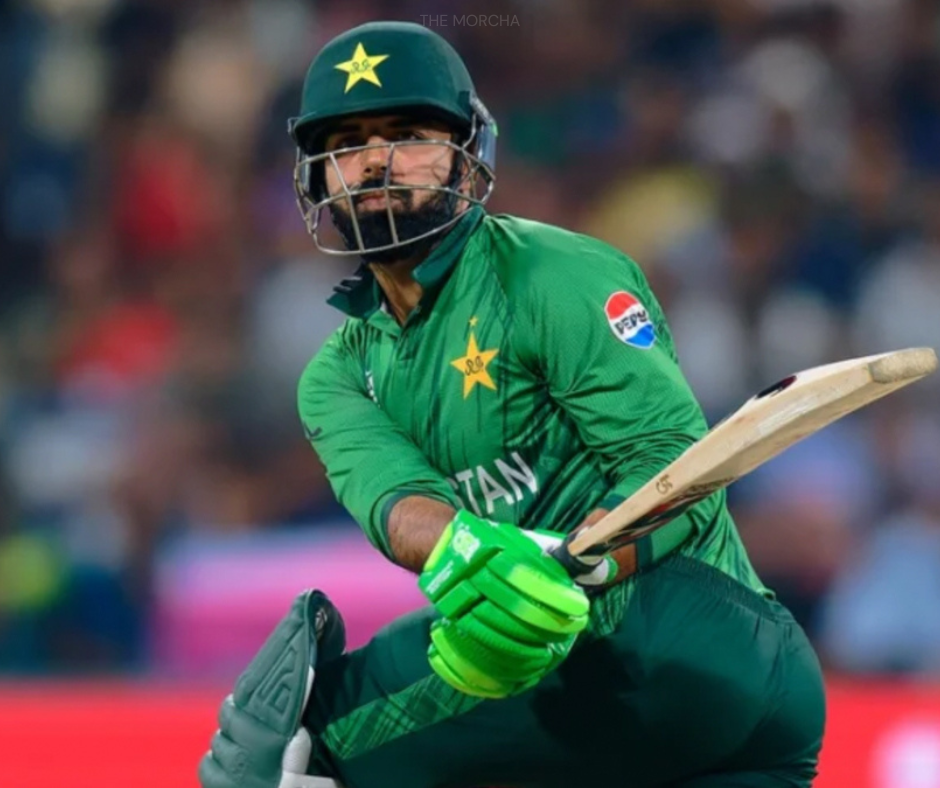
Their approach not only added crucial runs but also maintained momentum, preventing the innings from losing steam in its most decisive phase. This careful orchestration of power-hitting, placement, and tactical running elevated Pakistan to a formidable total, placing significant pressure on the USA’s batting lineup. The seamless transition from consolidation in the middle overs to explosive hitting in the death overs highlighted Pakistan’s strategic depth, adaptability, and understanding of the high-stakes nature of the final phase in T20 cricket.
Spin Bowling Mastery
The star of the match was undoubtedly Pakistan’s spin attack, which effectively controlled the game during the middle overs and turned the tide in their favor. The spinners expertly exploited the pitch conditions, using flight, subtle variations in pace, and sharp turn to put constant pressure on the USA batsmen. By maintaining precise lines and consistent lengths, they forced the opposition into playing risky shots, often inducing false strokes that led to wickets at critical moments. Beyond technical skill, the spinners displayed remarkable game awareness, mixing defensive deliveries with attacking ones to keep the batsmen guessing.
Their ability to read the batsmen’s intentions, adjust to changing conditions, and maintain composure under pressure highlighted their mental toughness. The consistent breakthroughs not only stemmed the flow of runs but also shifted momentum firmly toward Pakistan, setting up advantageous situations for the fielders and the captain’s strategic plans. This dominant performance reinforced Pakistan’s reputation as one of the premier spin teams in T20 cricket, showcasing the blend of skill, strategy, and intelligence needed to excel in high-pressure situations.
Tactical Field Placements Supporting Spin
Cricket is as much about field strategy as it is about bowling execution, and Pakistan’s approach to field placements perfectly complemented its spin attack. The team set up fields that not only restricted scoring opportunities but also created constant pressure on the USA batsmen. Close-in fielders were strategically positioned to capitalize on any misjudged lofted shots, while boundary riders patrolled the ropes to cut off big hits, forcing batsmen to take risks.
The placement of fielders was continuously adjusted according to the bowler’s plan and the batsmen’s tendencies, ensuring that every delivery contributed to building pressure and controlling the flow of runs. This intelligent combination of spin and fielding forced the opposition into mistakes, resulting in wickets at pivotal moments and limiting the scoring rate. Pakistan’s meticulous planning and proactive field settings were central to their dominance in the middle overs, highlighting the team’s strategic depth and understanding that T20 success depends as much on tactical acumen as on individual brilliance.
Controlling Momentum
The middle overs often determine the trajectory of a T20 match, and Pakistan’s bowlers showcased their mastery in controlling this crucial phase. By maintaining tight lines and consistent lengths, they limited scoring opportunities and prevented the USA batsmen from settling into a rhythm. Wickets taken at pivotal moments disrupted partnerships, forcing the opposition to constantly reassess their approach. In addition to traditional seam and swing techniques, clever variations in pace, subtle changes in length, and well-disguised cutters kept the batsmen under pressure.
By dictating the tempo, Pakistan compelled the USA to take calculated risks, which frequently backfired, resulting in mistimed shots and easy dismissals. Strategic field placements further supported this approach, cutting off easy singles and doubling the pressure. This ability to control momentum during the middle overs reflected Pakistan’s tactical discipline, experience, and adaptability, reinforcing their status as a team capable of methodically building pressure and dictating the flow of a T20 encounter.
Key Match Moments and Turning Points
Several pivotal moments defined Pakistan’s commanding 32-run victory over the USA. Early breakthroughs by spinners set the tone, putting immediate pressure on the opposition and preventing them from establishing strong partnerships. This initial momentum allowed Pakistan to dictate the pace of the game and control the middle overs, forcing the USA into risky shots that often backfired. Crucial partnerships between the middle-order batsmen stabilized the innings after early wickets and provided the platform for an aggressive finish, blending patience with well-timed aggression.
In the death overs, Pakistan’s big hitters maximized scoring opportunities while rotating the strike intelligently, ensuring a competitive total that challenged the opposition. Disciplined bowling, backed by strategic field placements, compounded the pressure on the USA, restricting their scoring avenues and creating chances for wickets at critical junctures. Analysts have emphasized these moments as clear examples of how meticulous preparation, composure under pressure, and tactical awareness can decisively shape the outcome of a T20 match, highlighting Pakistan’s all-round excellence and adaptability.
Statistical Analysis
A statistical review offers a detailed perspective on Pakistan’s dominant performance against the USA, highlighting both efficiency and strategic execution. Key metrics such as top run scorers, strike rates, boundary percentages, and dot-ball accumulation illustrate how Pakistan’s batting consistently applied pressure while maintaining a healthy scoring rate. On the bowling side, wickets taken, economy rates, and the proportion of dot balls underscore the discipline and precision that restricted the opposition’s run flow. Fielding metrics, including catches, run-outs, and misfields avoided, further reflect the team’s overall sharpness and coordination.
Pakistan outperformed the USA across nearly every statistical category, from the number of runs scored per over to successful death-over executions, revealing a well-balanced and cohesive unit. This quantitative analysis not only validates the tactical decisions made during the match but also provides a benchmark for future performances, offering a clear blueprint for maintaining dominance in T20 cricket through skill, strategy, and teamwork.
USA’s Challenges and Learning Outcomes
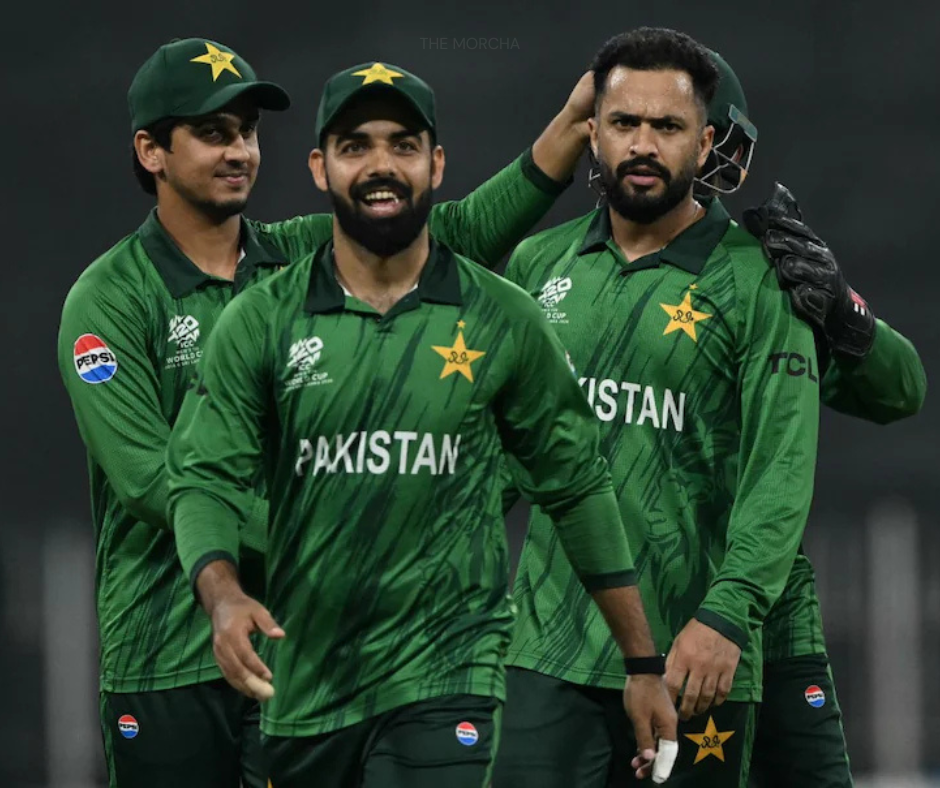
While the USA team showed determination and fought hard, their relative inexperience became apparent against Pakistan’s tactical mastery. They struggled particularly against spin, often misjudging flight, turn, and pace variations, which led to early wickets and disrupted partnerships. Maintaining composure under pressure in the middle overs also proved challenging, as tight bowling and smart field placements forced risky shots that frequently resulted in dismissals. The team’s inability to accelerate effectively in the death overs limited their ability to chase a competitive total. Despite these challenges, the match offered invaluable learning opportunities.
Players gained first-hand experience in reading bowlers’ strategies, rotating the strike under pressure, and adjusting shot selection to different match scenarios. Exposure to high-pressure T20 conditions emphasized the importance of mental resilience, adaptability, and teamwork. By analyzing their performance against a top-tier side like Pakistan, the USA can identify key areas for improvement, ultimately strengthening their competitiveness and growth on the international cricket stage.
Pakistan vs USA
A comparative look at Pakistan and the USA highlights a clear disparity in experience, execution, and tactical awareness. Pakistan’s strength lay in its balanced combination of depth in batting, a versatile spin attack, and precise fielding, all of which allowed them to dictate the game’s tempo at every stage. The team seamlessly transitioned from consolidating in the middle overs to explosive hitting in the death overs while applying strategic pressure through clever field placements and disciplined bowling. In contrast, the USA showed glimpses of potential but struggled to handle high-pressure situations, particularly against quality spin and sharp tactical setups.
Their inability to build sustained partnerships and manage momentum underlined the importance of planning and situational awareness in T20 cricket. This comparison not only emphasizes Pakistan’s tactical maturity but also reflects the evolving nature of modern T20 cricket, where mental acuity, strategic execution, and adaptability often prove as crucial as individual skill, marking a decisive advantage for experienced sides.
Preparation for the Sunday India Clash
Pakistan’s preparation for the upcoming high-stakes match against India involves meticulous planning and strategic focus across all facets of the game. Analysts and coaches are studying India’s bowling attack in detail, identifying key bowlers, variations, and field setups to devise optimal batting strategies, particularly for the middle order where stability and acceleration will be crucial. Simultaneously, the team is refining spin strategies, exploring different lines, lengths, and variations to exploit pitch conditions and challenge India’s batsmen. Beyond technical preparation, Pakistan is placing significant emphasis on mental conditioning, recognizing that momentum shifts, crowd influence, and the psychological weight of this historic rivalry can decisively impact performance.
Team sessions include scenario-based training, visualization exercises, and discussions on decision-making under pressure. By combining tactical, technical, and mental preparation, Pakistan aims to enter the match with confidence, adaptability, and focus, ensuring that every player is ready to execute their role effectively and contribute to a strong, cohesive team performance against a formidable opponent.
Pakistan vs India in T20
Matches between Pakistan and India carry legendary status, charged with history, intense rivalry, and immense pressure that can influence every aspect of performance. Recognizing the significance of these encounters, Pakistan’s coaching staff is meticulously analyzing past T20 clashes to identify recurring patterns, key strengths, and exploitable weaknesses in the Indian setup. This historical insight allows players to anticipate opposition strategies, whether it involves reading aggressive opening partnerships, predicting spin variations, or understanding death-over tactics.
Beyond tactics, studying these encounters also emphasizes the psychological dimension of the rivalry, helping players manage crowd pressure, media attention, and the weight of expectations from fans and the cricketing community. By integrating these historical lessons into training, Pakistan aims to prepare both technically and mentally, ensuring that players respond effectively under high-stakes conditions. This approach underscores the importance of blending strategy, experience, and composure in navigating one of cricket’s most celebrated and high-pressure matchups.
Pitch and Weather Considerations
Pitch conditions and weather often play a decisive role in determining T20 match outcomes, and Pakistan’s management has paid close attention to these variables in preparation for upcoming games. Detailed analysis of the pitch includes assessing bounce, pace, and the potential for spin, while weather forecasts inform strategies related to dew, humidity, and temperature, all of which can influence ball grip, bowling effectiveness, and batting comfort. Moderate bounce can favor stroke play, while turn potential allows spinners to dominate, making the middle overs particularly crucial.
The dew factor, especially in evening matches, affects both the bowling unit’s control and the fielding side’s ability to grip and throw accurately. By tailoring game plans to these environmental conditions—adjusting batting order, choosing bowling rotations, and positioning fielders strategically—Pakistan demonstrates meticulous attention to detail and a commitment to leveraging every advantage to maximize overall team performance in high-pressure T20 scenarios.
Mental Toughness and Team Morale
Mental strength is a defining factor in high-pressure T20 games, and Pakistan’s performance highlighted the team’s ability to maintain composure, adapt to changing situations, and recover quickly from setbacks. Players demonstrated focus and resilience, whether responding to early wickets, adjusting to variations in the opposition’s bowling, or accelerating scoring in the death overs. Strong leadership and clear communication on the field played a pivotal role in keeping the team aligned, ensuring that strategic plans were executed efficiently, and maintaining confidence during critical phases of the match.
High team morale also translated into sharper fielding, better running between the wickets, and cohesive decision-making under pressure. Beyond technical skills, this psychological edge allowed Pakistan to control momentum, build partnerships, and capitalize on opposition mistakes. By fostering mental toughness and reinforcing collective confidence, the team showcased the importance of mindset, leadership, and unity in achieving consistent success in competitive T20 cricket.
Fan Engagement and Global Attention
The Pakistan vs USA match captured significant global attention, drawing interest not only from traditional cricketing nations but also from emerging markets eager to follow new team performances. Social media buzz, expert commentary, and live fan interactions amplified the excitement, with highlights, key moments, and player reactions being widely shared across platforms. This engagement reflects cricket’s power as a unifying sport, connecting fans across cultures and geographies.
Such visibility elevates players’ profiles, increases commercial and sponsorship opportunities, and encourages grassroots participation. Moreover, international attention on matches like these contributes to the ongoing expansion of T20 cricket, helping the sport grow beyond its traditional strongholds.
Momentum and Mastery Leading to a Monumental Clash
Pakistan’s 32-run victory over the USA was a clear demonstration of mastery across spin bowling, tactical execution, and mental resilience. The team blended meticulous planning with aggressive yet calculated batting, sharp fielding, and precise bowling to dominate key phases of the match, particularly the middle overs and death overs. Wickets were taken at crucial moments, partnerships were built strategically, and scoring momentum was maintained through intelligent shot selection and strike rotation.
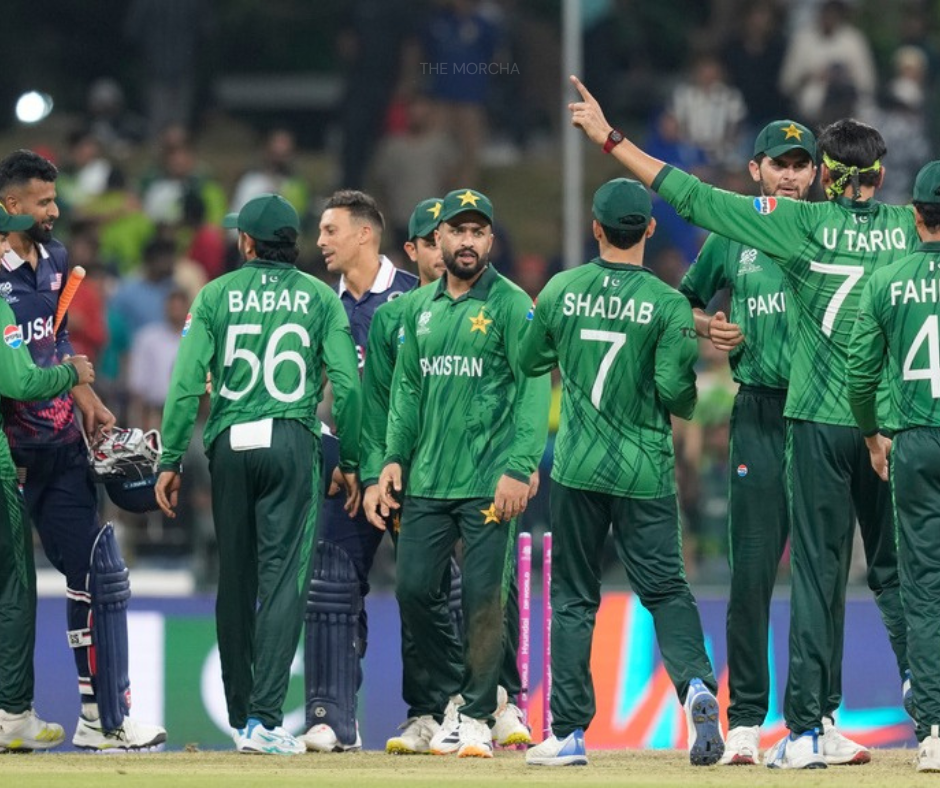
As Pakistan now prepares for the monumental Sunday clash against India, this performance provides both confidence and rhythm. It reinforces the team’s belief in their strategies, highlights their adaptability under pressure, and sets the stage for a high-octane contest that promises to showcase the skill, intensity, and strategic depth of world-class T20 cricket.