
Middle East conflicts or major military escalations often cause global oil prices to react almost instantly. The region is not only politically sensitive but also strategically central to the world’s energy supply. A significant portion of global crude oil production and exports originates from countries such as Saudi Arabia, Iraq, Iran, Kuwait, and the United Arab Emirates.
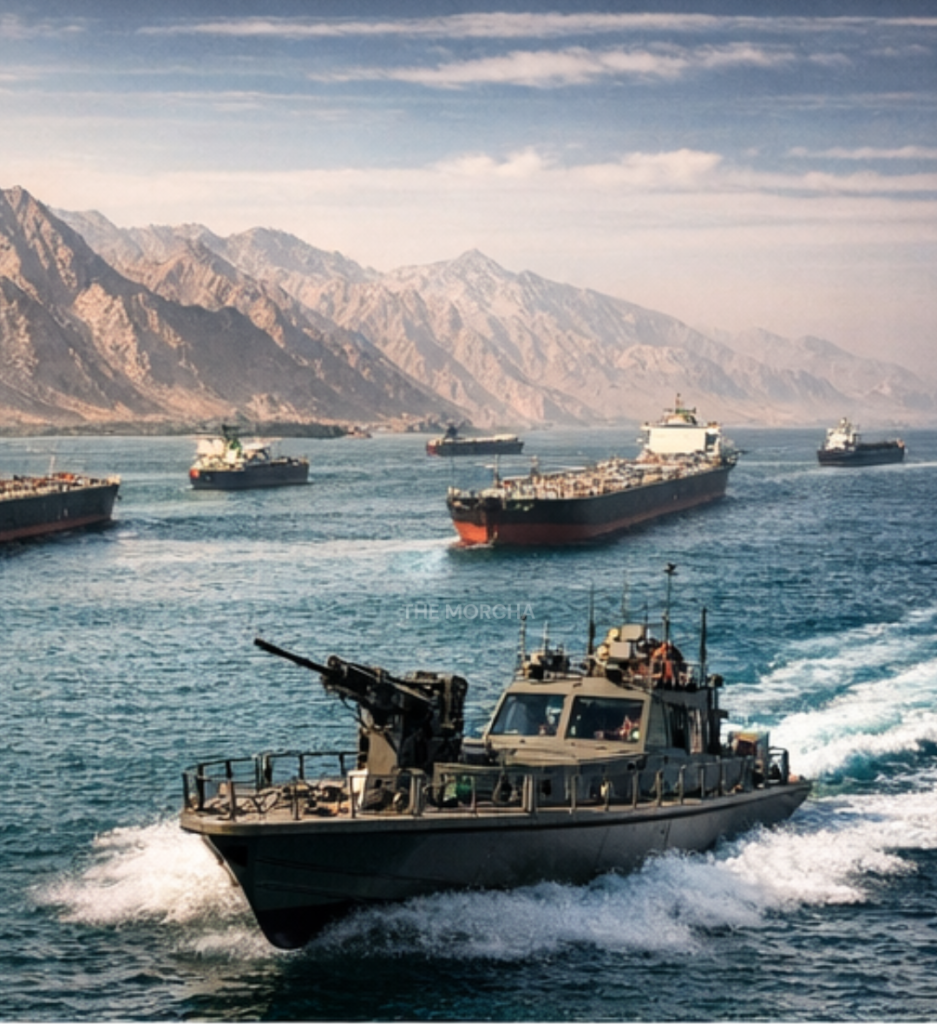
Because oil remains the backbone of transportation, manufacturing, electricity generation, and global trade, even a hint of instability in this region can trigger dramatic price increases. Investors, governments, and consumers all closely monitor developments in the Middle East because the economic consequences extend far beyond the battlefield.
Table of Contents
The Dominance of the Middle East in the World’s Oil Supply
The Middle East holds nearly half of the world’s proven oil reserves and accounts for a substantial share of daily global crude production. Saudi Arabia alone plays a pivotal role as one of the largest exporters and as a leading member of OPEC. Iraq and the UAE are also major contributors to global supply, while Iran remains influential despite sanctions. This concentration of energy resources in one region creates a structural vulnerability in the global economy. When conflict threatens production facilities or export routes, the supply-demand balance becomes unstable, leading to immediate price spikes in international oil markets.
How War Disrupts Oil Production and Infrastructure
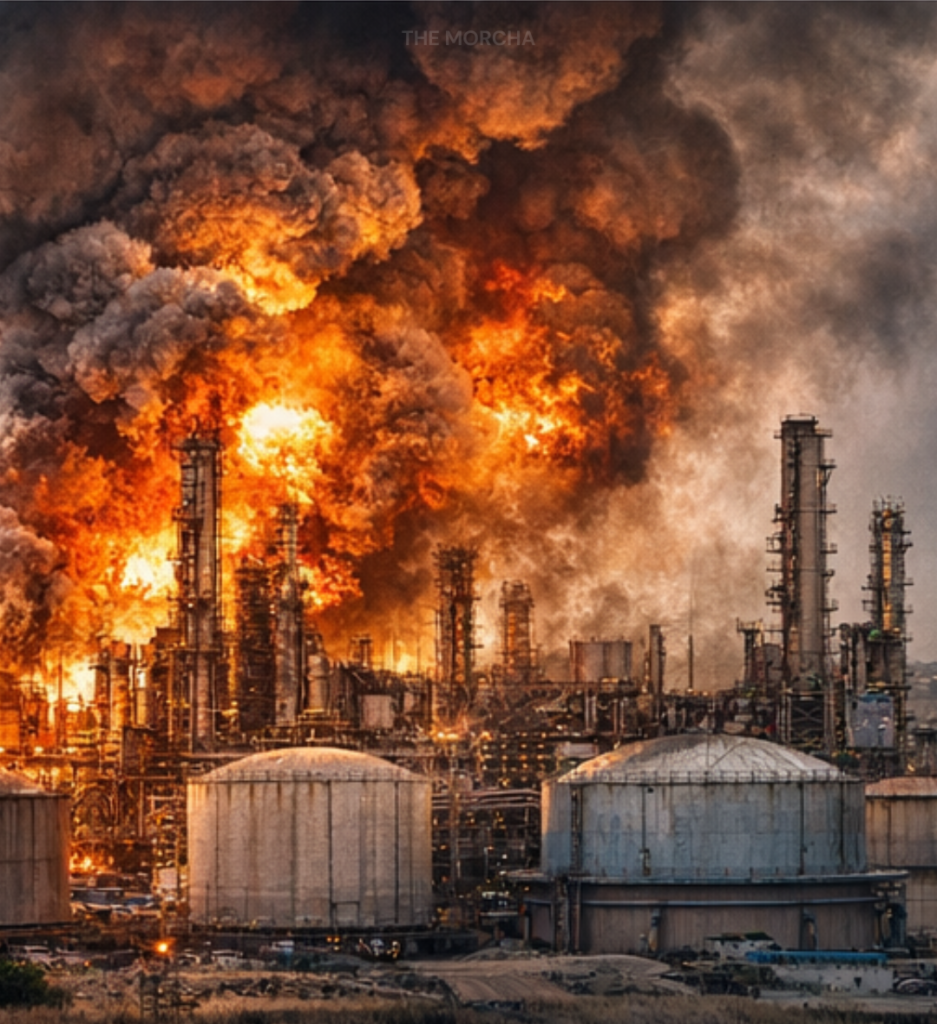
Armed conflict can directly damage oil infrastructure, including drilling sites, refineries, pipelines, and export terminals. Even if facilities are not physically destroyed, companies may suspend operations due to safety risks. Workers may evacuate, insurance costs may rise, and maintenance operations may be delayed. A reduction in daily production of even a few hundred thousand barrels can tighten global supply, especially when markets are already operating with limited spare capacity. The fear of prolonged disruption further intensifies price volatility.
The Strait of Hormuz’s Strategic Significance
The Strait of Hormuz is one of the most important chokepoints in the world’s energy trade. Nearly one-fifth of the world’s oil supply passes through this narrow waterway connecting the Persian Gulf to the Arabian Sea. If conflict threatens this route, oil tankers may face delays, increased security risks, or temporary suspension of operations. Even the perception that the Strait could be blocked is enough to send oil prices sharply higher. The global economy depends heavily on uninterrupted shipping through this corridor, making it a focal point during regional tensions.
Market Psychology and Speculation
Oil prices are influenced not only by physical supply and demand but also by expectations and speculation. Traders in futures markets react quickly to news headlines, satellite images, diplomatic statements, and military developments. If investors anticipate that a war could escalate or spread to major oil-producing nations, they may buy oil contracts in anticipation of shortages. This speculative buying drives prices upward, sometimes even before any real supply disruption occurs. The psychological component of energy markets amplifies the economic impact of geopolitical uncertainty.
Historical Examples of War-Driven Oil Price Spikes
History provides multiple examples of how Middle East conflicts have triggered oil price surges. During the 1973 oil crisis, Arab oil producers imposed an embargo, causing prices to quadruple and plunging Western economies into recession. The 1990 Gulf War, following Iraq’s invasion of Kuwait, led to rapid price increases due to fears of supply shortages. Similarly, tensions involving Iran and sanctions in recent decades have repeatedly caused temporary spikes. These events demonstrate that oil markets are highly sensitive to geopolitical risk in the region.
Immediate Impact on Fuel Prices
When crude oil prices rise, the impact is quickly felt at fuel stations. Petrol, diesel, and aviation fuel prices increase as refining and distribution costs climb. Consumers experience higher transportation expenses, and businesses face rising operational costs. In many countries, governments may attempt to cushion the blow through subsidies or tax reductions, but such measures strain public finances. The direct link between crude oil prices and everyday fuel expenses makes energy inflation highly visible and politically sensitive.
Inflationary Pressures Across Economies
Oil is a foundational input for modern economies. It fuels transportation networks, powers machinery, supports agricultural production, and influences manufacturing costs. When oil becomes expensive, the ripple effects extend across sectors. Transportation companies raise fares, food producers face higher distribution expenses, and manufacturers pass increased costs to consumers. This chain reaction contributes to broader inflation, reducing purchasing power and potentially slowing economic growth. Central banks may respond with tighter monetary policies, further influencing financial markets.
Impact on Oil-Importing Countries
Countries that depend heavily on imported crude oil are particularly vulnerable during Middle East conflicts. Nations like India, Japan, and many European countries import a significant portion of their energy needs. When oil prices surge, their trade deficits widen, currencies may weaken, and inflationary pressures intensify. Governments must balance economic stability with social concerns, as rising fuel costs often lead to public dissatisfaction. For developing economies, sustained high oil prices can significantly slow growth and strain fiscal budgets.
Effects on Oil-Exporting Nations
In contrast, oil-exporting countries may initially benefit from higher prices through increased revenue and stronger fiscal balances. However, prolonged regional conflict can undermine long-term stability. Infrastructure damage, investor uncertainty, and geopolitical isolation can offset short-term financial gains. Moreover, if conflict spreads or triggers sanctions, even exporters may face production challenges and economic setbacks. Thus, while high oil prices can boost revenues temporarily, the broader risks of war remain significant.
OPEC’s Role in Stabilizing Markets
The Organization of the Petroleum Exporting Countries (OPEC) plays a central role in managing global oil supply. During periods of conflict, OPEC may convene emergency meetings to adjust production targets and stabilize markets. By increasing output from unaffected member states, the organization can attempt to offset disruptions. Cooperation with OPEC+ partners, including major producers like Russia, further influences supply dynamics. However, OPEC’s ability to calm markets depends on available spare capacity and political coordination among members.
Strategic Petroleum Reserves as a Buffer
Many countries maintain strategic petroleum reserves (SPR) to mitigate supply shocks. The United States, China, India, and other major economies store millions of barrels of crude oil for emergencies. During severe disruptions, governments may release oil from these reserves to ease shortages and stabilize prices. While SPR releases can provide temporary relief, they are not a permanent solution. Extended conflicts may outlast reserve capacities, requiring broader diplomatic or production-based solutions.
Impact on Global Transportation and Trade
Rising oil prices significantly affect global transportation networks. Airlines face higher jet fuel costs, often leading to increased ticket prices and reduced profitability. Shipping companies experience higher bunker fuel expenses, which translate into increased freight rates. As a result, imported goods become more expensive, affecting consumers worldwide. Global trade slows when transportation costs rise sharply, highlighting the interconnected nature of energy markets and economic activity.

Financial Markets and Investor Behavior
Energy price volatility influences stock markets, bond yields, and currency movements. While energy companies may see stock gains during oil price surges, broader markets often decline due to fears of inflation and reduced consumer spending. Investors frequently shift funds toward safe-haven assets such as gold or government bonds during geopolitical crises. Currency markets also react, with oil-importing countries experiencing depreciation pressures while exporters may see temporary currency strength.
Energy Security and Policy Shifts
Recurring Middle East conflicts emphasize the importance of energy security. Governments increasingly prioritize diversifying energy sources, expanding renewable energy capacity, and investing in domestic production. Solar, wind, and electric vehicle technologies gain momentum as policymakers seek to reduce dependence on imported oil. Although the transition to renewable energy takes time, geopolitical instability accelerates policy reforms aimed at achieving long-term sustainability.
The Risk of Global Recession
If oil prices remain elevated for an extended period, the risk of global economic slowdown increases. High energy costs reduce consumer spending and corporate profits. Inflation may prompt central banks to raise interest rates, further dampening investment and growth. In extreme cases, prolonged energy shocks can contribute to stagflation, a combination of slow growth and high inflation. The severity of the impact depends on the duration of conflict and the resilience of global supply chains.
Diplomatic Efforts and De-escalation
Diplomacy plays a critical role in stabilizing oil markets. Ceasefires, negotiations, and international mediation efforts can quickly restore investor confidence and ease price pressures. When there are indications of de-escalation, markets frequently react favorably. Even partial agreements that secure shipping routes or protect infrastructure can significantly reduce volatility. Long-term peace and regional cooperation remain the most effective solutions for ensuring stable global energy supplies.
A Fragile Balance Between Geopolitics and Energy Stability
War in the Middle East consistently triggers surges in global oil prices due to supply risks, strategic chokepoints, and market speculation. The consequences extend beyond the energy sector, influencing inflation, trade balances, stock markets, and household budgets worldwide. Oil-importing countries face economic strain, while exporters may experience temporary financial gains but long-term uncertainties.
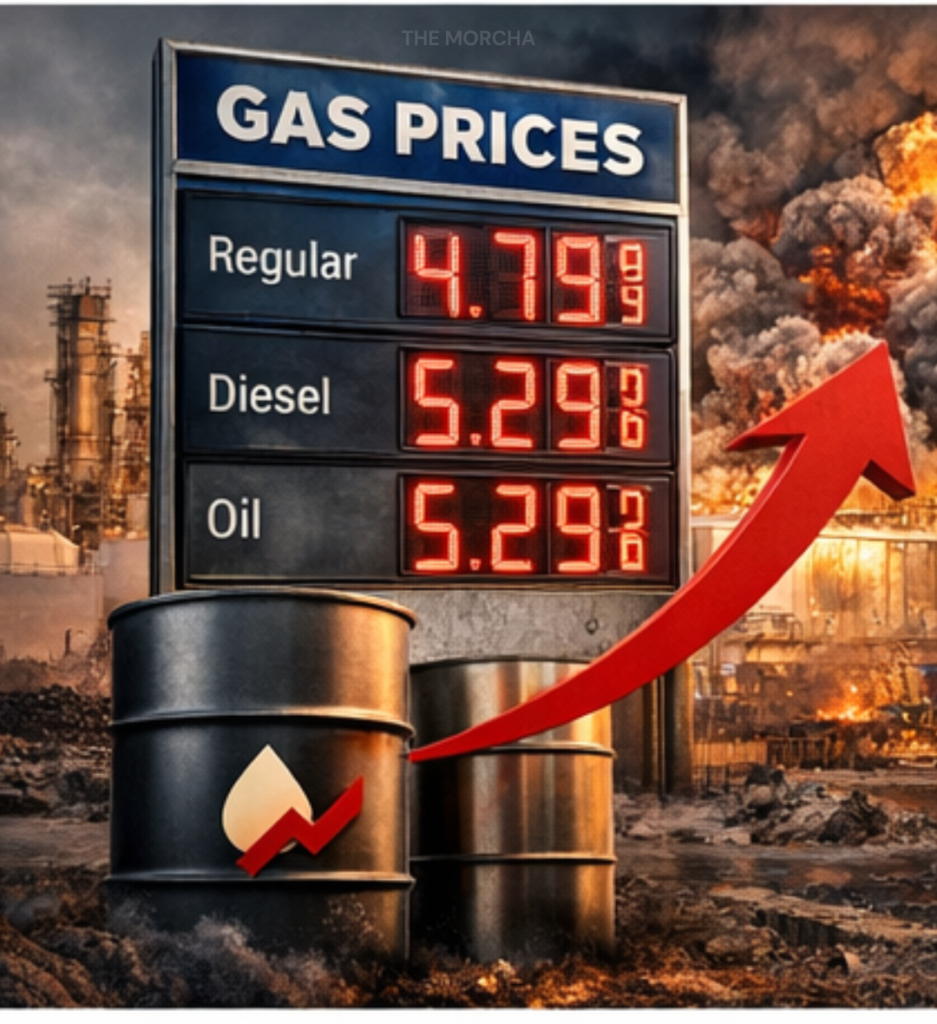
Ultimately, these recurring crises underscore the world’s continued dependence on fossil fuels and the urgent need for diversified energy strategies. As long as the Middle East remains central to global oil production, geopolitical tensions in the region will continue to shape the direction of the global economy.