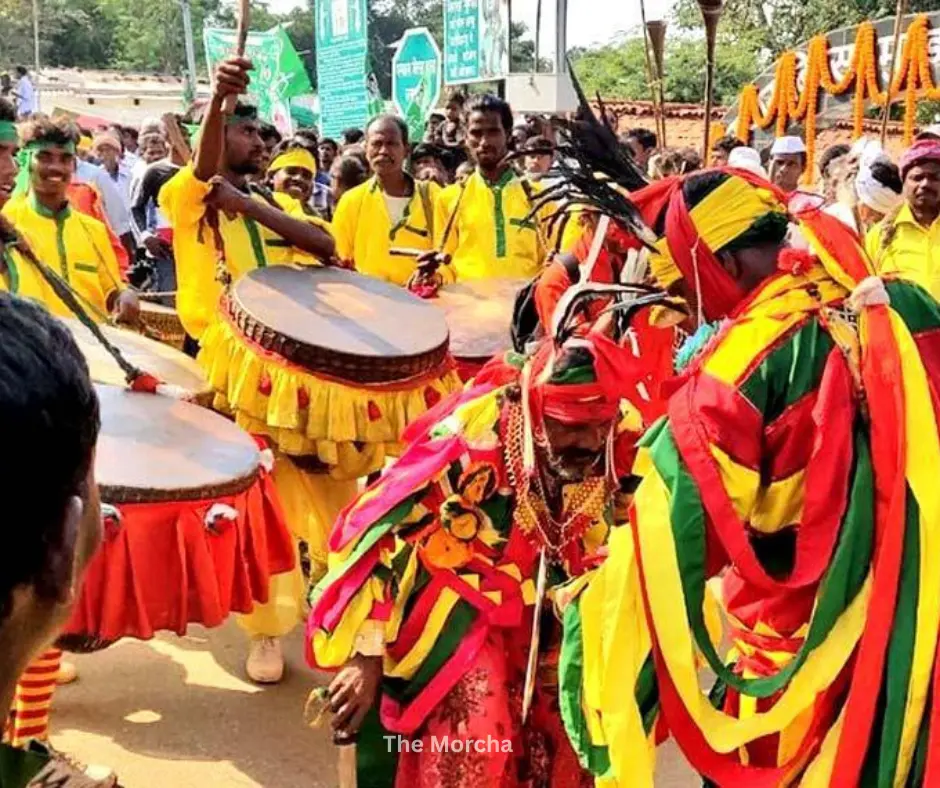
Maghe is one of the most celebrated festivals of Jharkhand, marking the arrival of the New Year in the tribal calendar. Observed in the month of Magh (January–February), this festival is a vibrant blend of music, dance, and rituals. For communities such as the Munda and Ho tribes, Maghe is not just a seasonal celebration but a cultural expression that connects them to nature, ancestors, and communal values. Central to the festival are Maghe songs, which serve as both entertainment and a means of preserving social and spiritual traditions. These songs are performed using local instruments like the mandar, bansuri, nagada, and tamak, and they create an atmosphere of joy, reverence, and unity.
Table of Contents

Meaning of Maghe
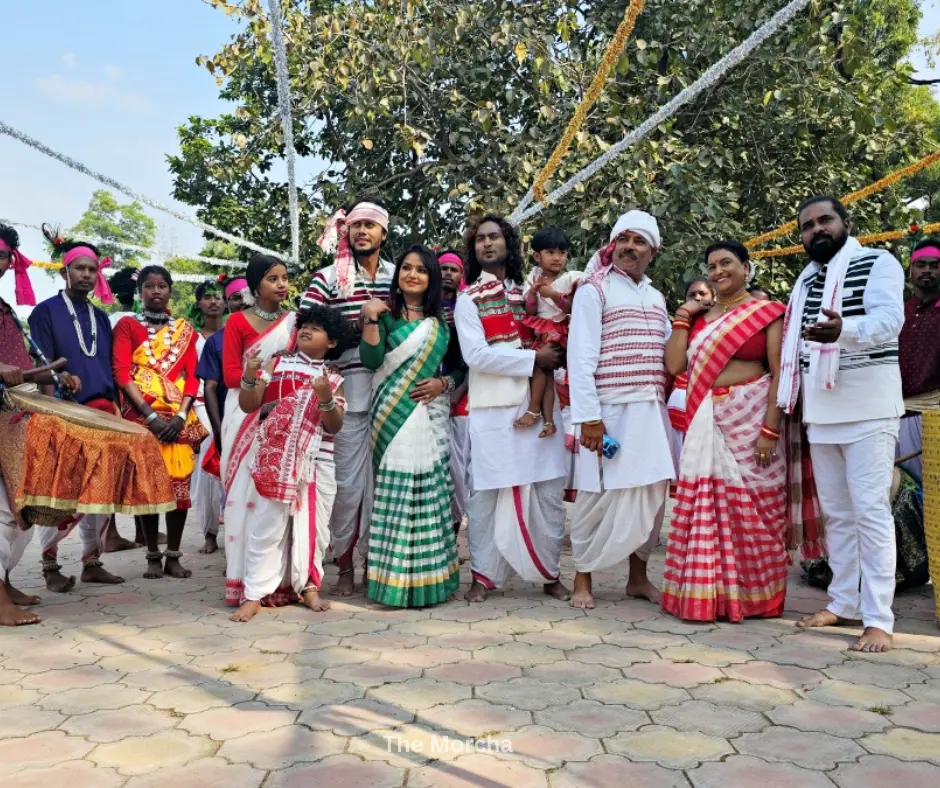
In the traditional tribal calendar, the month of Magh falls between January and February. This is where the term Maghe originates. For the tribal communities of Jharkhand, such as the Munda, Ho, and Santhal, this month is very significant. Maghe marks the end of winter and the beginning of the new agricultural season, symbolizing renewal, hope, and fresh energy in both nature and human life. It is a time when the sun’s strength is believed to return, forests and rivers prepare for rejuvenation, and communities get ready for the new cycle of sowing and harvesting.
Maghe is also a time for gratitude and spiritual reflection. People honor nature and their ancestors, offering prayers for health, prosperity, and communal well-being. Alongside its agricultural and religious significance, Maghe strengthens social bonds, as families and villages gather to celebrate together through singing, dancing, and storytelling. In essence, Maghe is not just a month—it is a festival of life, renewal, and cultural continuity.
Musical Significance
Maghe songs hold a special place in the tribal traditions of Jharkhand because they are not just performed for enjoyment—they carry ritualistic and spiritual meaning. Music during Maghe is seen as a bridge between humans and the divine, helping communities connect with natural forces and ancestral spirits. Through these songs, the sun, earth, forests, and water bodies are honored, reflecting the deep respect tribal people have for nature.
The melodies, rhythms, and instruments used in Maghe songs are carefully chosen to create an atmosphere of devotion, celebration, and community unity. Singing together strengthens social bonds, passes down cultural knowledge, and allows participants to feel spiritually connected to the cycles of life. In this way, the musical aspect of Maghe is both a celebration and a form of spiritual expression, blending joy, reverence, and cultural continuity.
Cultural Importance
Maghe songs are a living reflection of tribal culture in Jharkhand. They capture the essence of daily life, social practices, and oral traditions that have been passed down through generations. Through their lyrics and melodies, these songs preserve important stories of communal harmony, moral lessons, and historical events, ensuring that the community’s heritage remains alive.
Beyond storytelling, Maghe songs also reinforce social values and ethical behavior, reminding people of cooperation, respect for elders, and care for nature. By performing these songs during festivals and gatherings, tribal communities maintain a strong cultural identity and teach younger generations about their roots. In this way, Maghe songs are not just music—they are an invaluable cultural asset that connects the past with the present.
Religious Connections
Maghe songs are closely linked to Sarna Dharma, the indigenous faith practiced by many tribal communities in Jharkhand. They are more than just melodies—they serve as spiritual expressions, invoking divine blessings for health, prosperity, and protection. Many songs include prayers and references to ancestral spirits, highlighting the deep respect tribal people have for their forebears.
These religious connections also reflect the tribes’ harmony with nature. Through the songs, they honor the sun, forests, rivers, and land, recognizing the role of natural elements in sustaining life. Singing during Maghe becomes a way to celebrate spirituality, remember the past, and maintain a sense of balance between humans, nature, and the divine.
Role in New Year Celebrations
Maghe plays a central role in marking the tribal New Year in Jharkhand. The festival is a time of renewal, hope, and optimism, as communities celebrate the end of winter and the beginning of a new agricultural season. Maghe songs are an essential part of these celebrations, conveying themes of joy, growth, and seasonal change.
Through singing and dancing, participants reconnect with their cultural roots, strengthen community bonds, and express gratitude for nature’s blessings. The songs also serve as a gentle reminder of social responsibilities, traditions, and ethical values, ensuring that the festival is not only festive but also meaningful. In this way, the musical aspect of Maghe becomes a symbol of continuity, unity, and the optimism of a fresh start.
Instruments Used
Traditional musical instruments are the heart of Maghe songs, giving them their distinctive sound and festive energy. Among the most commonly used are the mandar, a type of drum that provides rhythmic beats; the bansuri, or bamboo flute, which adds a melodious, soothing tone; the nagada, a deep, resonant drum; and the tamak, which complements the rhythm with sharp, vibrant beats.
Each instrument plays a unique role in creating the overall musical experience, combining melody, rhythm, and harmony to enhance the celebrations. Together, they fill the village with liveliness, excitement, and spiritual energy, making Maghe not only a festival of songs but also a celebration of musical artistry and communal joy.
Mandar: The Heartbeat of Maghe
The mandar is often considered the heartbeat of Maghe songs and plays a central role in the festival’s music. This drum produces deep, rhythmic beats that set the tempo for singing and dancing, guiding the performers and uniting the community in rhythm. Its sound can carry across villages, signaling the start of celebrations and drawing people together to join in the festivities.
The mandar is not just a musical instrument; it also enhances the emotional and spiritual atmosphere of the festival. Its steady, powerful beats evoke energy, joy, and devotion, creating a sense of unity among participants. In every Maghe performance, the mandar ensures that the music, dance, and communal spirit remain synchronized and lively, making it an indispensable part of the tradition.
Bansuri: The Melodic Voice
The bansuri, or bamboo flute, provides the melodic charm of Maghe songs, complementing the rhythmic beats of drums like the mandar and nagada. Its soft, flowing tones create a soothing and immersive musical experience, evoking images of rivers, forests, and the morning sun. The gentle sound of the bansuri allows listeners to feel a deep connection with nature, reflecting the tribal communities’ respect and love for the environment.
Beyond its aesthetic appeal, the bansuri also plays a symbolic role, representing harmony, peace, and the spiritual connection between humans and the natural world. During Maghe celebrations, the flute’s melody guides the singing and dancing, enriching the festival with emotional depth and cultural significance. It transforms the musical performance into a celebration of both nature and community life.
Nagada and Tamak
The nagada and tamak are two important percussion instruments in Maghe music, adding depth and energy to the festival’s sound. The nagada produces deep, resonant beats that create a powerful foundation for the songs, while the tamak contributes sharp, rhythmic tones that add brightness and tempo. Together, they form a layered musical texture that is both festive and ceremonial, perfectly complementing the melodies of the bansuri and the rhythm of the mandar.
These instruments not only guide dancers and singers but also enhance the overall atmosphere of celebration, filling villages with energy and excitement. Their combined sound creates a sense of community unity, as everyone joins in the rhythm, reinforcing the spirit of togetherness that is central to Maghe.
Themes of Maghe Songs
Maghe songs revolve around nature, agriculture, community life, and spirituality, reflecting the daily experiences and beliefs of Jharkhand’s tribal communities. Many songs celebrate natural phenomena, such as the rising sun, fertile fields, flowing rivers, and the gradual departure of winter, highlighting the deep connection between humans and the environment.
Agricultural life is a central theme, as these songs often describe sowing, harvesting, and the work of the fields, emphasizing the importance of harmony with nature. At the same time, Maghe songs incorporate elements of spirituality, including prayers to ancestors and the divine, making the music both a cultural record and a form of devotion. Through these themes, the songs reinforce community identity, gratitude, and awareness of the cycles of life.
Nature and Agriculture
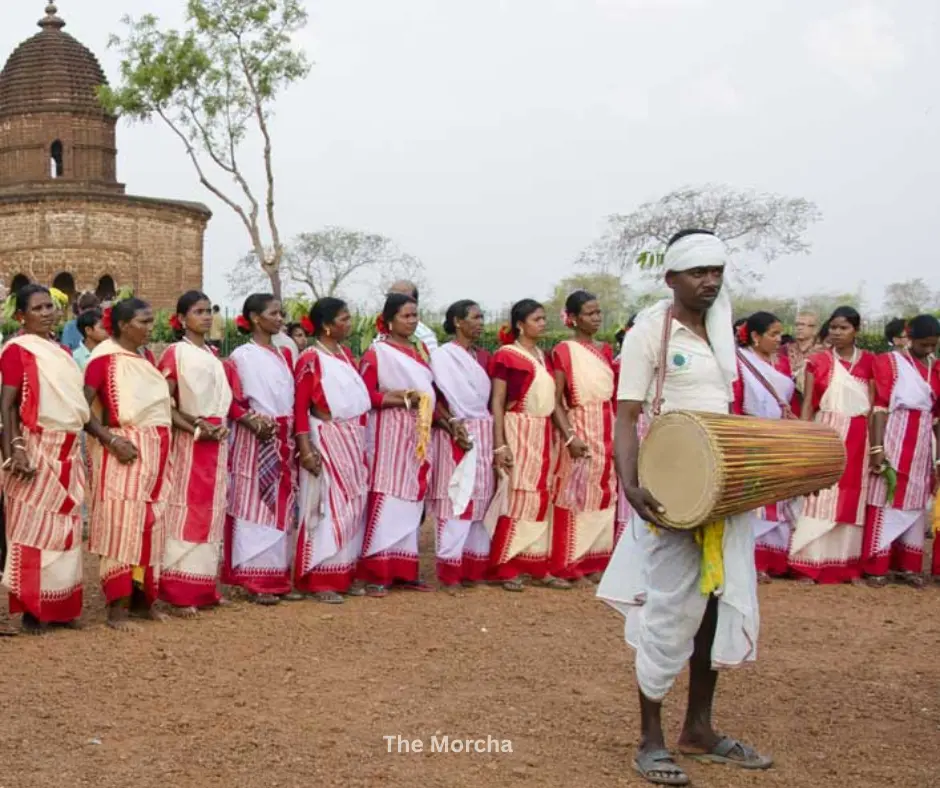
Maghe songs frequently highlight the beauty and bounty of nature, describing lush forests, flowing rivers, fertile fields, and the changing seasons. These vivid depictions celebrate the environment that sustains the tribal communities of Jharkhand and reflect their deep respect and dependence on nature for survival. Through these songs, the forests are not only seen as sources of wood, fruits, and medicinal plants, but also as sacred spaces where spirits and ancestors reside. Rivers are often praised for their life-giving waters, which nourish crops and livestock, while fertile fields symbolize sustenance, prosperity, and the promise of a bountiful harvest.
Agriculture is another central theme of Maghe songs. The lyrics emphasize the importance of sowing seeds at the right time, nurturing crops, and harvesting with care, highlighting the intimate relationship between humans and the land. Many songs also capture traditional farming practices, such as plowing with oxen, preparing irrigation channels, or using natural fertilizers, preserving centuries-old agricultural wisdom.
By blending descriptions of nature and farming, Maghe songs educate younger generations about the rhythms of the seasons, the value of hard work, and the need to live in harmony with the environment. They remind listeners that human survival is closely tied to respecting and protecting natural resources. In this way, Maghe songs are both a cultural celebration and an important educational tool, passing on ecological knowledge, ethical farming practices, and a profound appreciation for the natural world.
Community Bonding
Maghe songs play a vital role in bringing communities together. They are usually performed collectively, with villagers gathering to sing, dance, and celebrate as one. These shared performances create a sense of joy, unity, and belonging, strengthening social bonds within the community.
Through communal singing and dancing, participants connect with one another across generations, as elders and children join in the festivities together. This collective participation not only enhances the festive spirit but also ensures that cultural values, traditions, and social norms are reinforced and passed down, making Maghe a festival that celebrates both community and continuity.
Passing Knowledge to the Next Generation
Maghe songs serve as a powerful tool for educating the younger generation in tribal communities. Elders use these songs to teach children about moral values, cultural traditions, and the proper way to live in harmony with nature. Through storytelling embedded in music, lessons about honesty, cooperation, respect for elders, and gratitude toward the environment are shared in an engaging and memorable way.
These songs also act as oral history, preserving the community’s past, including legends, historical events, and ancestral wisdom. By participating in singing and listening, children absorb cultural knowledge naturally, ensuring that tribal customs and ethical values are passed down from one generation to the next. In this way, Maghe becomes not just a festival of celebration, but also a living classroom for cultural continuity.
Honoring Ancestors
A central aspect of Maghe songs is the tribute they pay to ancestral spirits. Many songs include prayers and references to forebears, asking for their guidance, protection, and blessings for the year ahead. This practice reflects the tribal belief that ancestors continue to watch over the community, influencing daily life and ensuring the well-being of future generations.
By honoring ancestors through music, tribal communities maintain a sense of continuity, connecting the past, present, and future. The songs help villagers remember their roots, respect their lineage, and uphold the traditions that have been passed down over centuries. In this way, Maghe becomes a celebration of heritage, family, and spiritual connection.
Celebrating Seasonal Change
Maghe songs play an important role in celebrating the transition from winter to spring, a period when nature begins to awaken after the cold months. The lyrics often describe melting snow, warmer sunlight, blooming forests, and fertile fields, reflecting the cycles of the natural world and the promise of new life.
This seasonal celebration is closely linked to agriculture, as it marks the time to prepare fields and sow crops. By singing about these changes, communities express gratitude for nature’s abundance while embracing the energy, growth, and hope that come with the new season. In essence, Maghe songs honor the rhythm of life, reminding people of the interconnectedness between humans, seasons, and the environment.
Joy and Festivity
Maghe is a festival full of joy, music, and celebration, and the songs play a central role in creating this festive atmosphere. The combination of rhythmic beats, melodic tunes, and lively dance fills villages with energy, excitement, and a sense of togetherness.
Maghe songs encourage active participation from all members of the community, from children to elders, turning the festival into a shared experience of happiness. The music, dancing, and rituals not only entertain but also strengthen social bonds, making the festival a time to celebrate life, nature, and communal harmony. In this way, Maghe becomes both a cultural expression and a joyful celebration.
Preservation of Tribal Identity
Maghe songs play a crucial role in preserving the cultural and spiritual identity of Jharkhand’s tribal communities. These songs act as a living archive, carrying the language, traditions, values, and stories of the tribes from one generation to the next.
Through regular performance during festivals and community gatherings, the songs help maintain a distinct tribal identity, even in the face of modern influences. They ensure that younger generations learn about their heritage, moral values, and customs, keeping the cultural fabric of the community strong. In this way, Maghe music is not only a form of celebration but also a means of safeguarding tribal heritage for the future.
Contemporary Relevance
Maghe songs continue to hold importance in modern times, serving as a bridge between the youth and their cultural heritage. Even as tribal communities face changing lifestyles and influences from urban culture, these songs are performed during festivals, cultural programs, and school events to ensure that traditions remain alive.
By including Maghe songs in contemporary celebrations, communities strengthen cultural awareness among younger generations and encourage pride in their roots. The music not only preserves rituals, stories, and moral values, but also adapts to modern contexts, showing that these traditions can remain relevant and meaningful even today.
Maghe as a Living Tradition
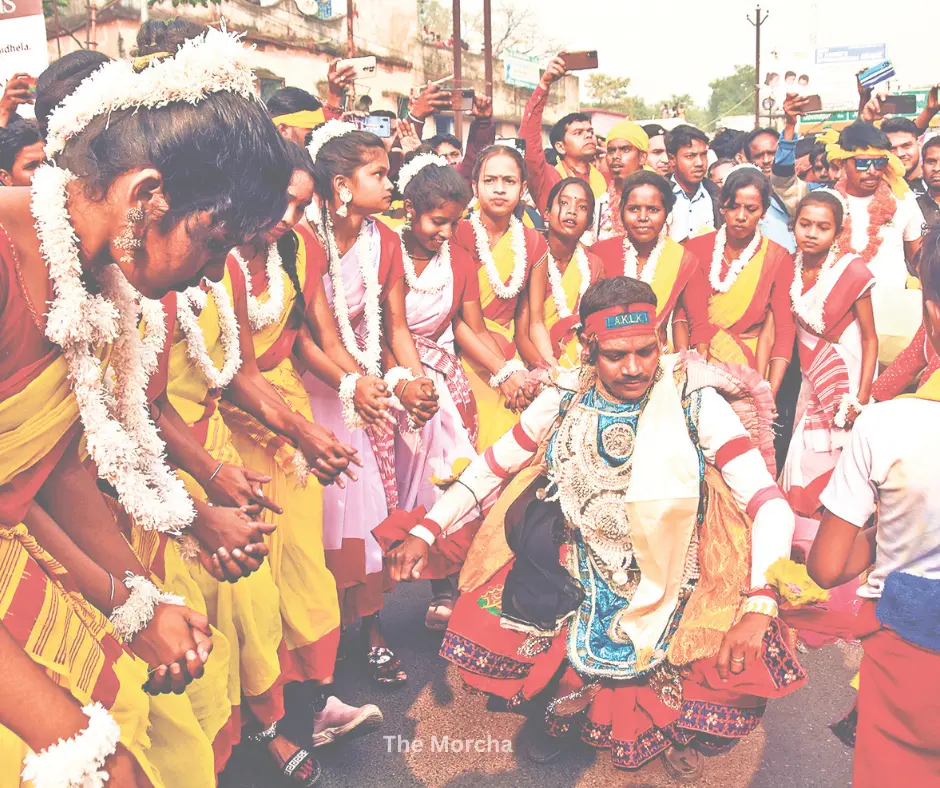
Maghe songs are much more than music—they are a living tradition that continues to shape the cultural and spiritual life of Jharkhand’s tribal communities. Through these songs, people express their devotion, respect for nature, and commitment to communal harmony, keeping age-old customs and values alive across generations.
The tradition is sustained through active participation, whether during village gatherings, festival celebrations, or cultural and educational programs. This engagement allows both the young and old to experience the richness of tribal culture firsthand, connecting them with their heritage. Maghe songs also act as a form of oral storytelling, preserving tribal history, moral lessons, and social values. They remind us that culture is dynamic and living, thriving through celebration, shared experiences, and the continuous passing of knowledge from one generation to the next.


