
Israel-Lebanon tensions in 2026 have emerged as one of most closely watched geopolitical developments in world. Frequent clashes along the border, including airstrikes and rocket fire, have raised serious concerns about regional stability. While there have been discussions around ceasefire agreements, the situation on the ground remains volatile due to repeated violations and lack of trust between both sides.
This conflict is not limited to military actions alone; it reflects deeper political, historical, and strategic disagreements. The involvement of global powers and regional allies further complicates the issue, making it more than just a bilateral dispute. As tensions continue to rise, experts warn that even a small escalation could lead to a broader conflict, affecting not just the Middle East but also global peace and economic stability.
Table of Contents
Historical Background of the Israel-Lebanon Conflict
The Israel-Lebanon conflict has deep historical roots that date back several decades, shaped by wars, territorial disputes, and political tensions. One of the most significant events was the 1982 Lebanon War, which left a lasting impact on both nations. Over the years, multiple ceasefires and agreements have been established, but none have resulted in a permanent solution. The presence of armed groups like Hezbollah and unresolved border issues have continued to fuel tensions.
These historical factors have created a cycle of conflict where periods of calm are often followed by renewed violence. Understanding this background is crucial to analyzing the current situation, as past events continue to influence present decisions and strategies. The lack of long-term peace agreements has made the region highly unstable and prone to sudden escalations.
Role of Hezbollah in the Ongoing Crisis
Hezbollah plays a major role in shaping the Israel-Lebanon tensions, acting as a powerful military and political force within Lebanon. Established in the 1980s, the group has positioned itself as a resistance movement against Israel. It maintains a strong presence near the border and possesses a significant arsenal of weapons, including rockets and drones. Hezbollah operates with considerable autonomy, which adds complexity to the conflict, as it is not fully controlled by the Lebanese government.
Its actions, including cross-border attacks, often trigger Israeli retaliation, leading to cycles of violence. Support from external actors, particularly Iran, strengthens Hezbollah’s capabilities and influence. This makes the conflict not only a local issue but also part of a larger regional power struggle, increasing the risks of escalation and prolonged instability.
Recent Escalation Along the Israel-Lebanon Border
In recent times, the Israel-Lebanon border has witnessed a sharp increase in military activity, signaling a dangerous escalation. What were once isolated incidents have now turned into frequent exchanges of fire, including artillery shelling, drone surveillance, and targeted strikes. Both sides have increased their military presence in the region, indicating preparedness for a potential larger conflict. These developments have heightened tensions and created an atmosphere of uncertainty among civilians living nearby.
The escalation is also influenced by broader regional conflicts, which tend to spill over into this already sensitive border. As both sides continue to respond aggressively to perceived threats, the chances of miscalculation grow significantly. This ongoing escalation highlights the fragile nature of peace in the region and the urgent need for diplomatic intervention.
Airstrikes and Rocket Attacks
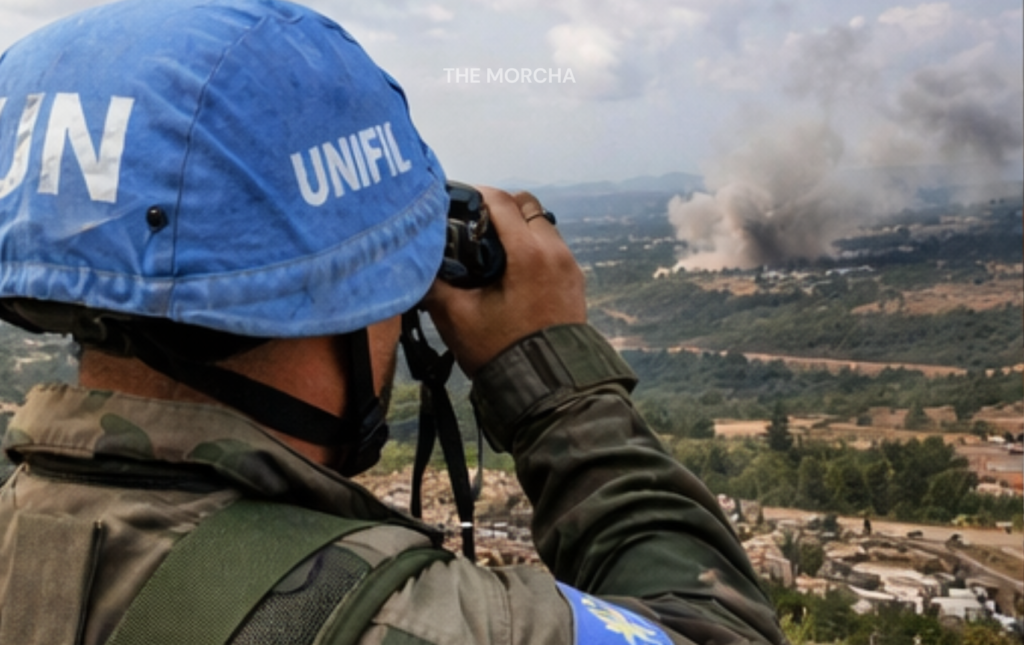
Airstrikes and rocket attacks have become central features of the ongoing conflict between Israel and Lebanon. Israeli forces have conducted targeted airstrikes aimed at neutralizing perceived threats, particularly from Hezbollah positions. In response, rockets are often launched toward Israeli territories, creating a cycle of retaliation. These actions not only damage infrastructure but also disrupt the daily lives of civilians on both sides.
The frequency and intensity of these attacks have increased, reflecting a shift toward more aggressive military strategies. Each side justifies its actions as necessary for defense, making it difficult to break the cycle of violence. The situation remains highly unpredictable, with sudden escalations occurring without warning. This pattern of attack and counterattack continues to fuel tensions and complicate efforts to achieve lasting peace.
Ceasefire Attempts and Why They Keep Failing
Efforts to establish a ceasefire between Israel and Lebanon have been ongoing, but most attempts have failed to produce lasting results. One of the primary reasons is the deep mistrust between the parties involved. Both sides frequently accuse each other of violating agreements, leading to renewed hostilities. Additionally, the presence of non-state actors like Hezbollah complicates the enforcement of ceasefires. These groups may not fully adhere to agreements made at the governmental level.
International mediators have tried to facilitate dialogue, but progress has been slow and inconsistent. Political pressures and security concerns often outweigh the willingness to compromise. As a result, ceasefires tend to be temporary, providing only short-term relief before tensions rise again. Achieving a sustainable peace requires addressing the underlying causes of the conflict.
Impact of the Conflict on Civilians and Border Areas
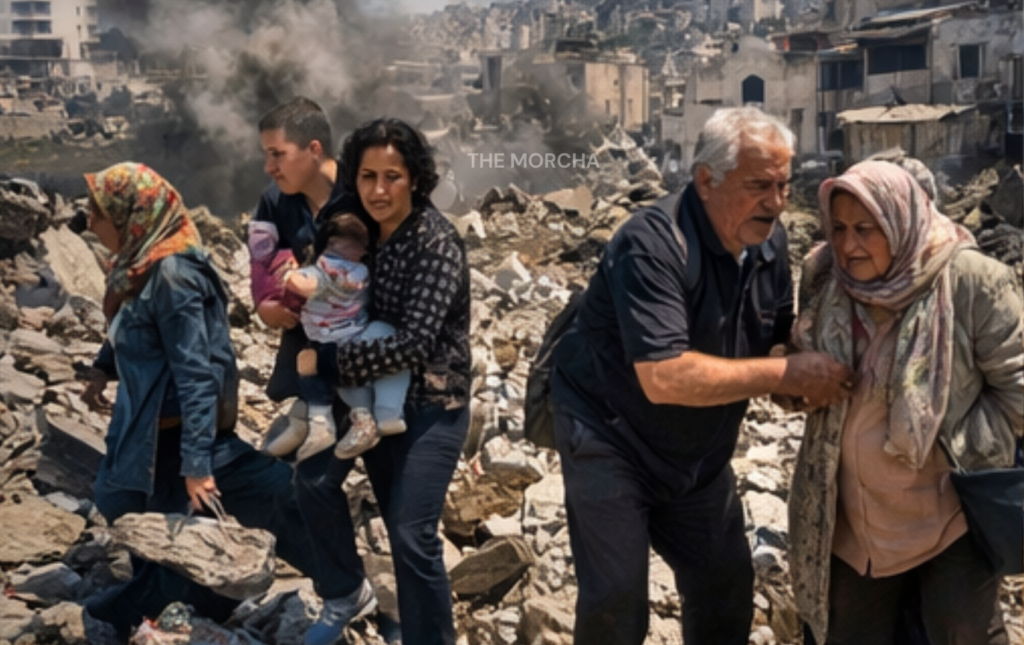
Civilians living in border areas are the most affected by the ongoing conflict between Israel and Lebanon. Frequent airstrikes, rocket attacks, and military operations create a constant sense of fear and insecurity. Many families are forced to leave their homes, leading to displacement and loss of livelihoods. Essential services such as education and healthcare are often disrupted, making daily life extremely challenging. Children, in particular, face psychological stress due to continuous exposure to violence.
The destruction of infrastructure further worsens living conditions, as access to basic necessities becomes limited. Despite international efforts to provide aid, the situation remains difficult for those directly impacted. The human cost of the conflict highlights the urgent need for a peaceful resolution that prioritizes the safety and well-being of civilians.
Humanitarian Crisis and Displacement in Lebanon
The ongoing conflict has significantly worsened the humanitarian situation in Lebanon, a country already facing economic and political challenges. Thousands of people have been displaced due to ongoing violence, seeking safety away from conflict zones. This displacement has put immense pressure on already limited resources, including housing, food, and healthcare services. Humanitarian organizations are working to provide assistance, but their efforts are often hindered by security risks and logistical challenges.
The situation is particularly difficult for vulnerable groups such as children, the elderly, and low-income families. Access to clean water, medical care, and education has become increasingly limited in affected areas. The crisis underscores the broader impact of the conflict beyond military aspects, emphasizing the need for international support and long-term solutions.
Israel’s Security Strategy and Military Response
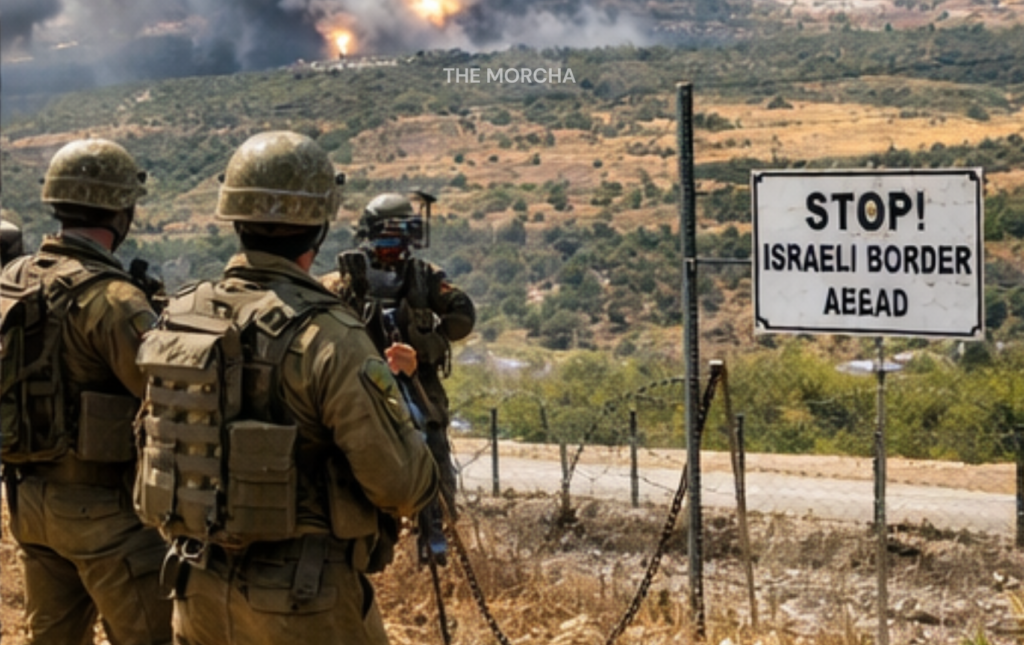
Israel’s actions in the conflict are largely driven by its focus on national security and border protection. The country has invested heavily in advanced defense systems, surveillance technology, and intelligence capabilities to counter potential threats. Preemptive strikes are often carried out to target suspected militant positions and prevent future attacks. While these strategies aim to ensure safety, they also contribute to escalating tensions. Israel argues that its measures are necessary to protect its citizens from ongoing threats, particularly from Hezbollah.
However, these actions often lead to retaliation, creating a cycle of violence. Balancing security concerns with diplomatic efforts remains a major challenge. The effectiveness of Israel’s strategy continues to be debated, especially in terms of achieving long-term peace and stability in the region.
Lebanon’s Political Situation Amid Rising Tensions
Lebanon’s internal political situation plays a crucial role in shaping its response to the ongoing conflict. The country has been facing economic instability, political divisions, and governance challenges for several years. These issues limit the government’s ability to effectively manage the crisis and negotiate with external parties. Additionally, the presence of powerful groups like Hezbollah complicates decision-making, as they operate with significant independence.
This lack of unified control weakens Lebanon’s position in international negotiations. Public dissatisfaction and economic hardships further add to the complexity of the situation. As tensions with Israel rise, Lebanon faces the difficult task of balancing internal stability with external pressures. Strengthening political unity and governance is essential for addressing both domestic and international challenges.
Influence of Iran and Other Regional Powers
The involvement of regional powers, particularly Iran, adds another layer of complexity to the Israel-Lebanon conflict. Iran’s support for Hezbollah in terms of funding, training, and weapons has significantly increased the group’s capabilities. This relationship is seen by Israel as a major security threat, further intensifying tensions. Other countries in the region also have strategic interests, which influence their stance on the conflict.
These dynamics transform the situation into a broader geopolitical struggle rather than a localized dispute. The involvement of multiple actors increases the risk of escalation and makes diplomatic solutions more difficult to achieve. Understanding these external influences is essential for analyzing the conflict and predicting its future trajectory.
United States and Western Nations’ Position
The United States and other Western nations have consistently supported Israel’s right to defend itself while also urging restraint and de-escalation. These countries play a key role in diplomatic efforts aimed at reducing tensions and preventing a larger conflict. They often provide military and economic support to Israel, which influences the balance of power in the region. At the same time, they advocate for peaceful solutions through dialogue and negotiations.
However, their involvement is sometimes viewed as biased, which can affect their credibility as mediators. Balancing support with neutrality remains a challenge for these nations. Their role continues to be significant in shaping international responses and influencing the direction of the conflict.
United Nations and Global Diplomatic Efforts
The United Nations has been actively involved in efforts to maintain peace and stability between Israel and Lebanon. Through peacekeeping missions and diplomatic initiatives, it aims to prevent escalation and protect civilians. UN forces are often deployed in border areas to monitor ceasefire agreements and reduce tensions. Despite these efforts, enforcing peace remains a significant challenge due to the complex nature of the conflict. Limited authority and lack of cooperation from involved parties often hinder progress.
Nevertheless, the UN continues to play a vital role in facilitating dialogue and providing humanitarian assistance. Its efforts highlight the importance of international cooperation in addressing global conflicts.
Economic Impact on Lebanon and Israel
The ongoing conflict has serious economic consequences for both Lebanon and Israel. In Lebanon, the already fragile economy suffers further due to damaged infrastructure, reduced trade, and declining investment. Tourism, a key sector, is heavily affected by instability and security concerns. In Israel, increased defense spending and disruptions in border regions impact economic growth. Businesses and industries face uncertainty, which affects long-term planning and development. The financial burden of conflict highlights the importance of stability for economic progress. Both countries face challenges in balancing security needs with economic priorities.
Media Coverage, Propaganda, and Information War
Media plays a powerful role in shaping public perception of the Israel-Lebanon conflict. News outlets, social media platforms, and official statements are used to present different narratives and influence opinions. Both sides aim to gain international support by highlighting their perspectives. However, the spread of misinformation and propaganda can create confusion and escalate tensions. Social media, in particular, amplifies information quickly, making it difficult to verify facts. Responsible journalism and accurate reporting are essential for understanding the true nature of the conflict. The information war has become an important aspect of modern conflicts.
Connection with Gaza and Wider Middle East Conflict
The tensions between Israel and Lebanon are closely linked to other conflicts in the Middle East, especially in Gaza. Developments in one region often influence the situation in another, creating interconnected challenges. This connection increases the risk of a broader regional conflict involving multiple countries. Political alliances, military strategies, and ideological factors all contribute to this complex relationship. Understanding these connections is important for analyzing the overall stability of the region. The situation highlights how local conflicts can have far-reaching global implications.
Possible Future Scenarios
The future of the Israel-Lebanon conflict remains uncertain, with several possible outcomes. Continued escalation could lead to a full-scale war, causing widespread destruction and humanitarian crises. On the other hand, successful diplomatic efforts could result in a stable ceasefire and renewed peace talks. The decisions made by political leaders and international organizations will play a crucial role in shaping the outcome. Factors such as public opinion, economic conditions, and regional dynamics will also influence the direction of the conflict. The situation requires careful management to avoid further escalation.
The Path Toward Stability and Peace
The Israel-Lebanon tensions highlight the urgent need for sustainable solutions and long-term peace strategies. While the conflict remains complex, continued diplomatic efforts and international cooperation offer hope for stability. Addressing the root causes of the conflict, including political, economic, and security issues, is essential for lasting peace. Both sides must be willing to engage in dialogue and compromise.
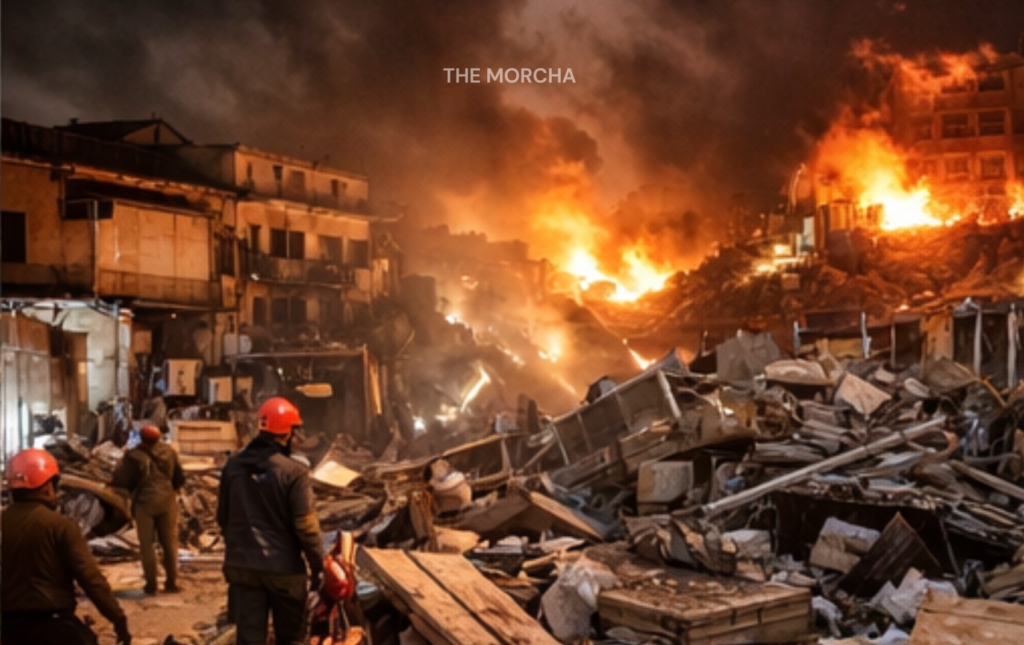
The international community also has a responsibility to support peaceful initiatives and humanitarian efforts. Achieving stability will not be easy, but it is necessary for the well-being of millions of people in the region.