
Indresh & Shipra Wedding, the marriage of Indresh Upadhyay and Shipra Sharma was not just a union of two individuals—it became a moment of collective celebration that touched millions across India and far beyond. Many weddings are grand, many are luxurious, many are traditional, but very few hold the power to emotionally connect with the hearts of people who have never even met the bride or groom. This wedding did.
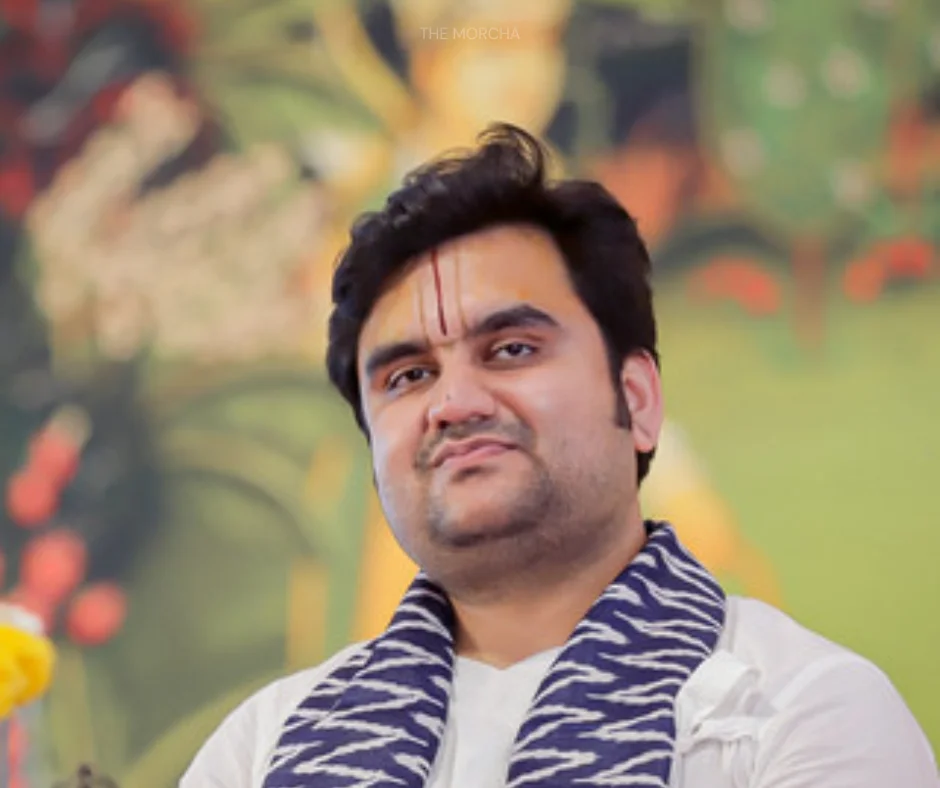
Because the groom, Indresh Upadhyay, was not just a kathavachak; he was the gentle spiritual voice that had comforted countless souls through his narrations, a figure whose humility and devotion had made him a beloved presence. So when news of his marriage surfaced, it created a wave of excitement, curiosity, and heartfelt blessings. People said, “Hamare Indresh bhaiya ki shaadi hai,” and the entire event gradually transformed into a cultural moment—one that merged tradition, spirituality, and royal elegance into a single unforgettable celebration.
Table of Contents
The Devotional Aura of Indresh Upadhyay
Born in the eternally sacred city of Vrindavan, Indresh grew among temple bells, soulful bhajans, and the spiritual fragrance of devotion. He began narrating kathas at a young age, soon becoming known for the calmness in his voice and the emotional depth of his storytelling. He wasn’t simply a religious figure; he was a companion to many hearts, someone who could take listeners into the divine world of Krishna just through his words.
His humility, despite massive popularity, made him even more admired. People saw him as a symbol of purity, a representative of timeless Indian values. So naturally, when the news of his wedding arrived, people reacted with the joy one feels for a family member. Everyone waited to know about the bride, eager to witness the next chapter of his inspiring life.
The Graceful Elegance of Shipra Sharma
The bride, Shipra Sharma, emerged into the public eye with an aura that instantly touched hearts. Daughter of a respectable police officer from Haryana, she brought with her the grounded values of discipline, simplicity, and cultural dignity. Her beauty was not dramatic but graceful—the kind that radiates warmth without effort.
The moment her pre-wedding pictures appeared online, people admired the soft glow on her face, her traditional outfits, and her modest expression. Her Mehendi designs, her gentle smile, and her elegance made it clear that she embodied the perfect balance of tradition and modernity. With her serene presence, she seemed like a natural complement to the devotional personality of Indresh.
Vrindavan Where the Wedding Journey Began
Before Jaipur saw the royal grandeur, Vrindavan witnessed the intimate, emotional beginning. The pre-wedding rituals held at the Upadhyay home were immersed in devotion. The Haldi ceremony filled the air with laughter, folk songs, and yellow hues glowing under the winter sun. Elder women applied turmeric to the groom while singing traditional Braj songs that carried decades of memories within them.
The Mehendi ceremony, held under a beautifully decorated setting called Kilol Kunj, was an artistic blend of Krishna’s childhood themes, floral motifs, and the joyous chatter of family members. These moments weren’t filmed for glamour—they were lived with love.
Baraat Leaves Vrindavan
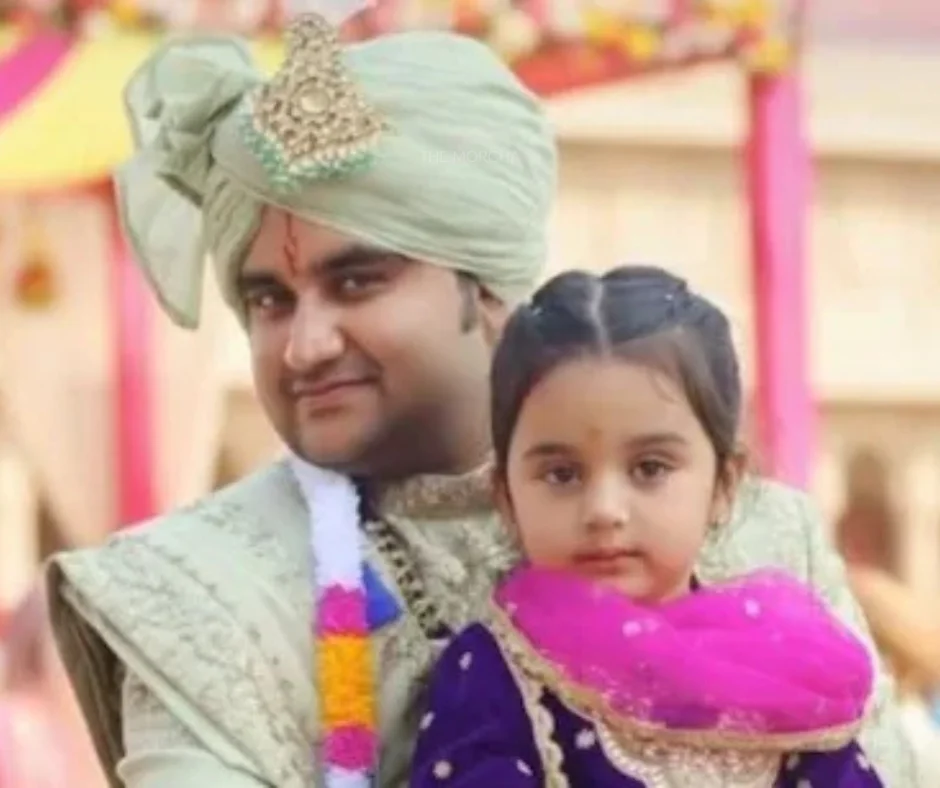
The departure of the Baraat from Vrindavan was a scene filled with deep emotion and spiritual energy, a moment that felt both sacred and celebratory. As the groom prepared to leave, the narrow lanes of Vrindavan—usually buzzing with temple bells and chants of “Radhe Radhe”—were lined with devotees, neighbors, and local families, all eager to bless the beloved kathavachak on this new journey of life. Children ran ahead, scattering flower petals, while elderly women ululated softly, their hands folded in heartfelt prayer. The air was fragrant with fresh marigold, jasmine, and the gentle smoke of incense, mingling with the sound of shehnai and dholaks that echoed through the town.
For the people gathered, this was not the wedding of a celebrity—they felt they were sending off someone who had touched their hearts, someone who had become a part of their spiritual family. Priests performed aarti at the doorways, blessing the groom with sacred mantras. Some devotees wiped tears from their eyes, overwhelmed by a mixture of joy, love, and nostalgia. Local musicians played Braj folk tunes, and even shopkeepers paused to watch and offer their blessings.
As the Baraat slowly moved through the streets, the mood was celebratory yet profoundly emotional. The crowd’s chants of “Radhe Radhe” blended with soft cries of happiness, creating a moment that felt almost timeless. The sight of the groom stepping into the decorated car, surrounded by flowers, devotees, and blessings, symbolized not just a physical departure, but a spiritual transition—Vrindavan’s beloved son embarking on a sacred new chapter, carrying the love and devotion of an entire town with him.
A Royal Welcome Like a Dream
When the Baraat reached Jaipur, the scene was nothing short of magical. The Taj Amer Hotel, already regal with its sandstone walls and historic charm, had been transformed into a royal welcome that combined elegance, tradition, and devotion. Flower showers rained down on the arriving cars and horses, while local musicians played soulful Rajasthani tunes on dholaks and shehnais, blending celebration with cultural richness. The hotel driveway sparkled with decorative lights, and every corner was adorned with rangolis inspired by Vrindavan’s devotional art—lotus motifs, peacocks, and hints of Krishna leelas. Tulsi plants lined the path, symbolizing purity and blessings for the couple’s journey ahead.
Guests were greeted warmly with traditional Rajasthani pagris, hands folded in namaste, while the aroma of fresh flowers and sandalwood incense created an atmosphere that was festive yet serene. Staff moved gracefully, maintaining order without disturbing the sacred and celebratory mood. Children ran ahead scattering petals, their laughter blending with the bhajans softly playing in the background. Elderly relatives and devotees offered blessings as the Baraat slowly entered the hotel, turning the arrival into a moment of emotional resonance.
It was not just an entrance—it was a harmonious celebration of culture, spirituality, and royal grandeur. Jaipur welcomed the Baraat like a dream, reflecting both the couple’s devotion and the city’s heritage, setting a perfect stage for the sacred wedding rituals that were about to unfold.
Turning a Palace Into Mini Vrindavan
The Taj Amer Hotel was transformed into a vision of divine beauty, reminiscent of Krishna’s Vrindavan, where every detail reflected devotion, elegance, and cultural richness. From the moment guests entered, they were greeted by floral gateways designed to resemble temple entrances, welcoming them into a space that felt sacred yet celebratory. Strings of white jasmine, marigold garlands, and tulsi leaves filled the air with a sweet, calming fragrance, creating an ambiance that was both festive and spiritually uplifting. Soft lamps and diyas flickered gently, adding warmth and a serene glow to the surroundings.
The hallways were adorned with exquisite Pichwai paintings depicting Krishna’s leelas, drawing the guests into a world where mythology, art, and devotion seamlessly merged. Each corridor seemed to tell a story, guiding everyone toward the heart of the celebration. In the center of the grand venue stood the mandap, the crown jewel of the wedding décor. Its lotus-shaped pillars were intricately carved, and the floral domes above shimmered with thousands of delicate blooms.
The soft glow of diyas and lanterns accentuated every curve and motif, giving the mandap a temple-like aura. It was more than a wedding setup—it was a sacred space where tradition, artistry, and spirituality met, allowing every guest to feel the essence of Vrindavan while surrounded by royal elegance. Walking through the Taj Amer that day, one could feel the devotion, the care, and the love infused in every corner, making the venue not just a palace for celebration, but a miniature Vrindavan, perfectly prepared for the union of Indresh Upadhyay and Shipra Sharma.
Calmness of a Sacred Celebration
The night before the wedding was peaceful and soulful, a gentle pause before the grand day. Unlike typical loud celebrations, soft bhajans filled the air, blending with the warm glow of lamps and the fragrance of fresh flowers. Family members gathered quietly, sharing stories, laughter, and heartfelt blessings, while elders reminisced about the bride and groom’s childhoods, occasionally wiping away tears of joy.
A small devotional gathering added spiritual charm, with prayers and chants creating a serene atmosphere. Children played quietly under the watchful eyes of relatives, and the flickering diyas along the hallways cast a calming glow. Every corner of the hotel seemed infused with devotion and love, preparing hearts for the sacred union ahead. That night was a moment to reflect, bond, and soak in the emotions, making it a meaningful prelude to the wedding celebrations of Indresh Upadhyay and Shipra Sharma.
The Wedding Morning
On 5 December 2025, Jaipur woke up as if nature itself was celebrating. The sunlight turned golden, spreading across the Aravalli hills and the palace walls. Priests arranged the sacred fire with utmost devotion. Guests walked in wearing traditional attire, their faces glowing with excitement. The wedding morning felt magical—filled with beauty, emotions, and blessings floating in the air.
Groom’s Preparations
In his luxurious suite, Indresh dressed in a cream-gold sherwani with subtle Braj embroidery. His turban, tied with royal precision, represented honor and commitment. His calm face reflected a spiritual maturity. Before stepping out, he prayed quietly, seeking divine blessings for the new chapter of his life.
Bride’s Preparations
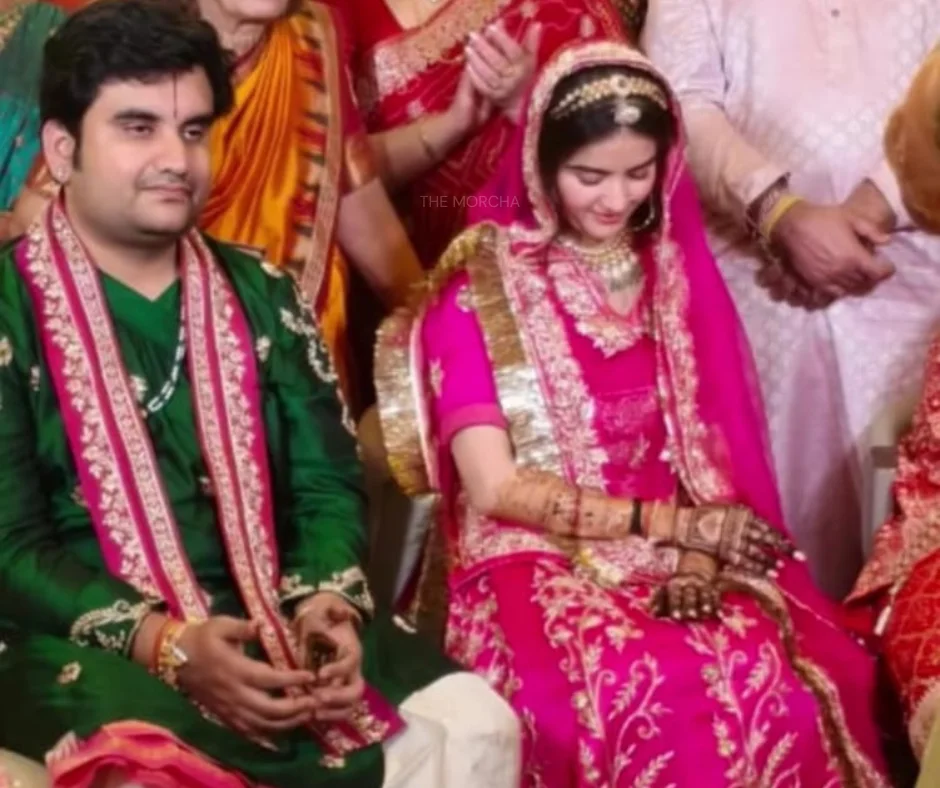
In a beautifully decorated wing of the Taj Amer Hotel, Shipra Sharma prepared for her wedding in a serene, soft-lit room that seemed almost dreamlike. Fresh flowers adorned every corner, their fragrance mingling with the gentle glow of lamps, creating an atmosphere of calm and elegance. Her magenta lehenga shimmered delicately under the soft lighting, each fold reflecting subtle embroidery that spoke of craftsmanship and tradition. Complementing her attire, her jewelry—intricately designed necklaces, earrings, and bangles—added a touch of regal charm, enhancing her graceful presence without overwhelming her natural beauty.
Shipra sat quietly, a serene smile gracing her lips, exuding poise and composure. Her eyes, gentle and expressive, reflected a mixture of joy, anticipation, and calm confidence, revealing emotions that were deeply felt yet softly conveyed. Family members moved around her, offering blessings, adjusting her attire, and sharing quiet words of love and encouragement. The room was filled with laughter, soft whispers, and a sense of devotion, making the environment both intimate and emotionally rich.
Every movement, every glance, and every delicate detail made her appear like a living painting—a perfect blend of grace, tradition, and spiritual beauty. In that moment, Shipra embodied elegance and devotion, setting a serene and inspiring tone for the sacred wedding that awaited.
A Sacred Symphony of Rituals
As the grand hall of the Taj Amer Hotel filled with guests, priests, and the soft aroma of incense, the sacred wedding ceremony began. The mandap, decorated like a miniature Vrindavan temple with lotus pillars, floral domes, and glowing diyas, radiated a divine aura. The priests chanted mantras in rhythmic harmony, their voices blending with the faint melodies of traditional instruments, creating an atmosphere charged with devotion and reverence. All eyes turned as the groom, Indresh Upadhyay, arrived first, looking serene and dignified, every step reflecting his deep spiritual grounding.
Then came Shipra Sharma, walking gracefully into the hall, her magenta lehenga shimmering softly under the lights. A gentle breeze seemed to accompany her entry, and for a moment, the entire atmosphere felt suspended in time. Guests whispered in awe, struck by the elegance, calm, and devotion radiating from her presence. As the pheras began, each step around the sacred fire symbolized timeless values—loyalty, protection, love, devotion, and trust—binding the couple in a spiritual as well as emotional union. The fragrance of the havan fire mingled with the petals thrown by family and friends, creating a multisensory experience of divinity.
Every chant, every swirl of the lehenga, and every soft gaze shared between the bride and groom elevated the ceremony into something transcendent. Observers described it as not merely a wedding, but a sacred symphony—where tradition, spirituality, and human emotion merged into a moment of pure, unforgettable divinity.
Royal Yet Peaceful
The evening reception at Taj Amer beautifully balanced elegance and serenity, reflecting both the royal grandeur of Jaipur and the spiritual essence of the couple. Soft sitar and flute melodies floated through the air, blending effortlessly with the warm chatter of guests, creating an ambiance that was festive yet calm. The décor continued the theme of devotion and tradition, with floral arrangements, subtle lighting, and hints of Vrindavan-inspired art adding a gentle charm to the grand hall.
Guests were treated to an exquisite spread of traditional dishes representing Uttar Pradesh, Haryana, and Rajasthan, each plate a celebration of regional flavors and culinary heritage. As they dined, laughter and conversations intertwined with the soft music, creating a sense of warmth and intimacy amidst the grandeur. The couple moved gracefully among the guests, greeting everyone with genuine smiles and heartfelt warmth, making each guest feel personally welcomed and cherished.
Despite the lavish setting, the overall vibe remained peaceful and graceful. There were no ostentatious displays—just subtle elegance, cultural richness, and a strong sense of togetherness. The reception was more than a celebration; it was a reflection of the values the couple cherished—love, humility, and devotion—woven seamlessly into every detail. By the end of the evening, everyone felt they had been part of something both royal and soulful, a gathering that would be remembered for its charm, warmth, and spiritual harmony.
Why This Wedding Felt Special to Millions
This wedding captured the hearts of millions not merely because of its grandeur, but because of the deeper values it reflected. In a world where weddings are often judged by extravagance and spectacle, Indresh Upadhyay and Shipra Sharma’s celebration stood out as a testament to purity, tradition, devotion, and grounded family values. Every detail—from the serene Baraat in Vrindavan to the calm yet royal reception in Jaipur—reflected a thoughtful blending of cultural richness and spiritual essence.
For viewers and followers across the country, the wedding offered a reminder that celebrations can be meaningful without losing their cultural and spiritual depth. It showcased that love can be expressed not just through lavish displays, but through devotion, respect, and heartfelt rituals. Families could remain humble while embracing elegance, and a wedding could feel both grand and sacred at the same time.
The ceremonies, the décor, the music, and the interactions were all infused with warmth and intention, leaving a lasting impression that went beyond the visual spectacle. Millions saw in this wedding a rare harmony—between tradition and modernity, devotion and celebration, simplicity and grandeur. It inspired many to rethink how weddings could honor culture, strengthen family bonds, and celebrate love in a manner that is as meaningful as it is memorable.
A Marriage That Became a Legacy
The wedding of Indresh Upadhyay and Shipra Sharma was more than an event—it became a story of love, devotion, and tradition. From the serene Baraat in Vrindavan to the divine mandap in Jaipur, every moment reflected elegance, spirituality, and cultural depth. It touched millions of hearts, showing that love can be pure, families can remain humble, and celebrations can be grand yet sacred.
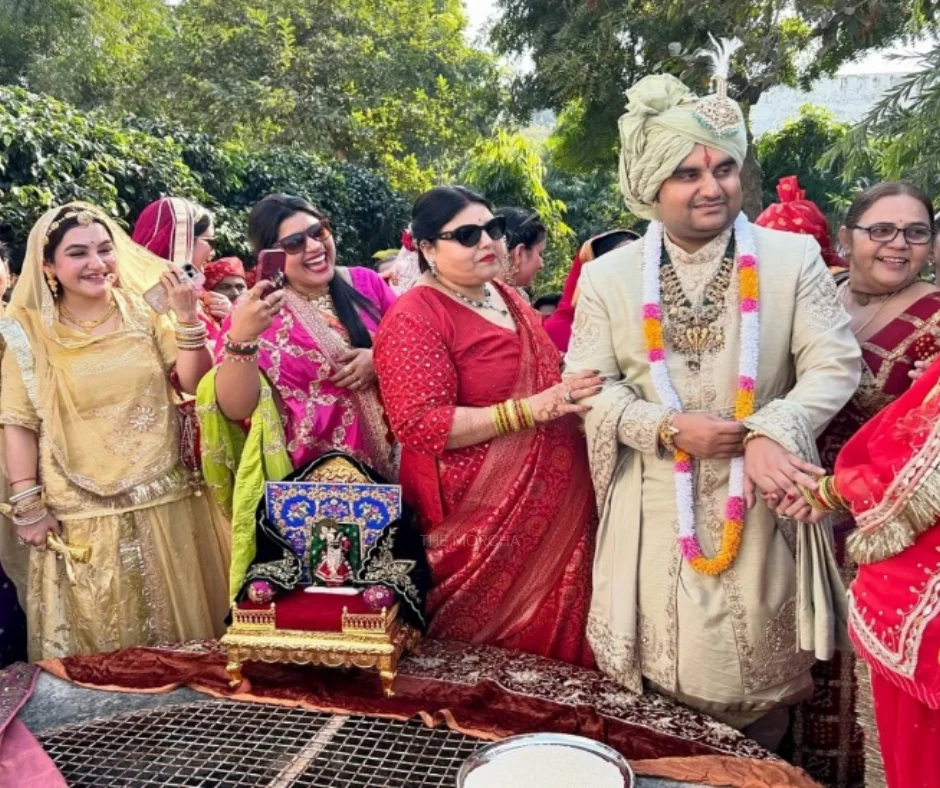
Their union became a symbol of devotion, harmony, and timeless Indian tradition, inspiring all who witnessed it. This marriage will be remembered for generations as a legacy of grace, cultural richness, and heartfelt emotion.