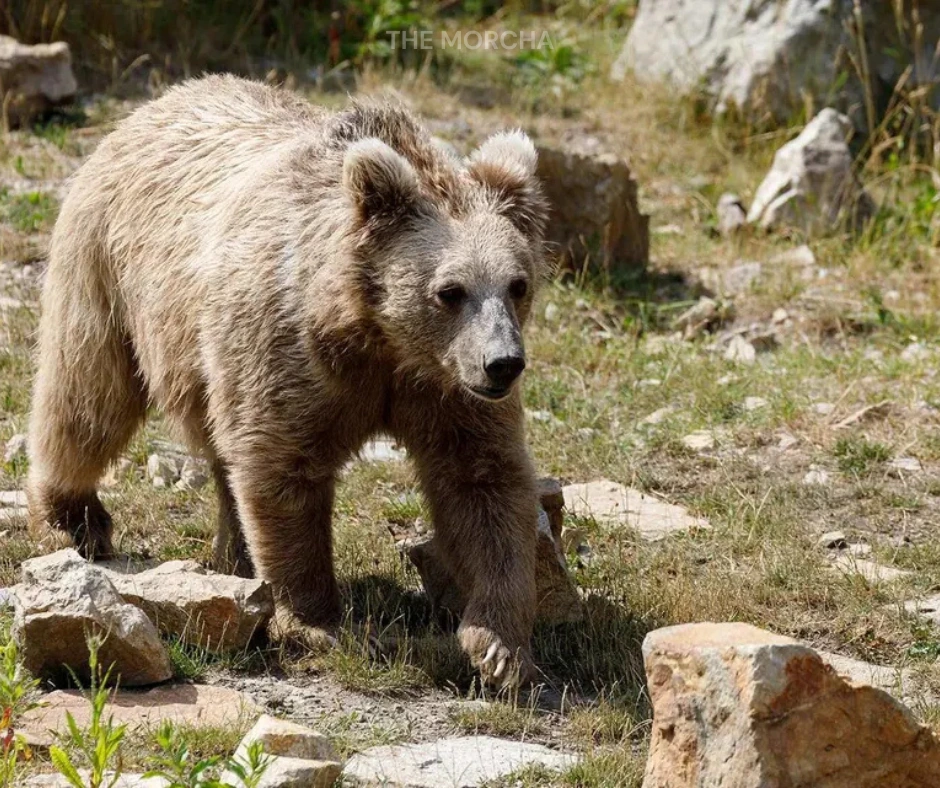
Human-bear conflicts are rising sharply in Uttarakhand, a region known for its majestic Himalayan landscapes. In the past three months alone, there have been 71 reported attacks by bears, resulting in the tragic loss of 6 human lives and the death of over 60 livestock. This alarming situation reflects a disturbing trend, as the frequency of such incidents has increased steadily over the last three years, showing nearly a 30% surge in bear attacks. The primary reason behind this escalation is the changing behavior of Himalayan bears, whose natural patterns—including hibernation—are being disrupted due to shifting climatic conditions and reduced food availability in forests.

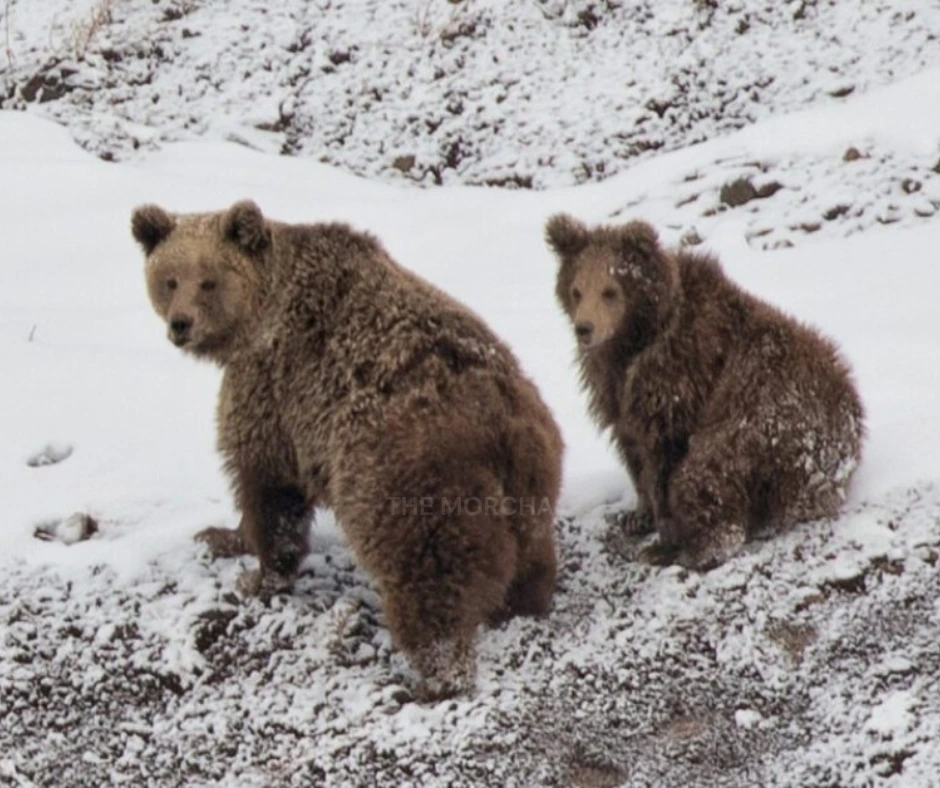
Table of Contents
The Impact of Climate Change and Global Warming
One of the leading factors behind the rise in bear attacks is the changing climatic conditions. Traditionally, Himalayan bears would enter a state of hibernation during the colder months, retreating to their dens for several months to conserve energy and avoid harsh weather. However, with the ongoing impacts of global warming and erratic weather patterns, the region has seen a decline in snowfall and a reduction in extreme cold temperatures, particularly during the winter months. This phenomenon has disrupted the natural hibernation cycle of the bears, causing them to remain active for longer periods than usual.
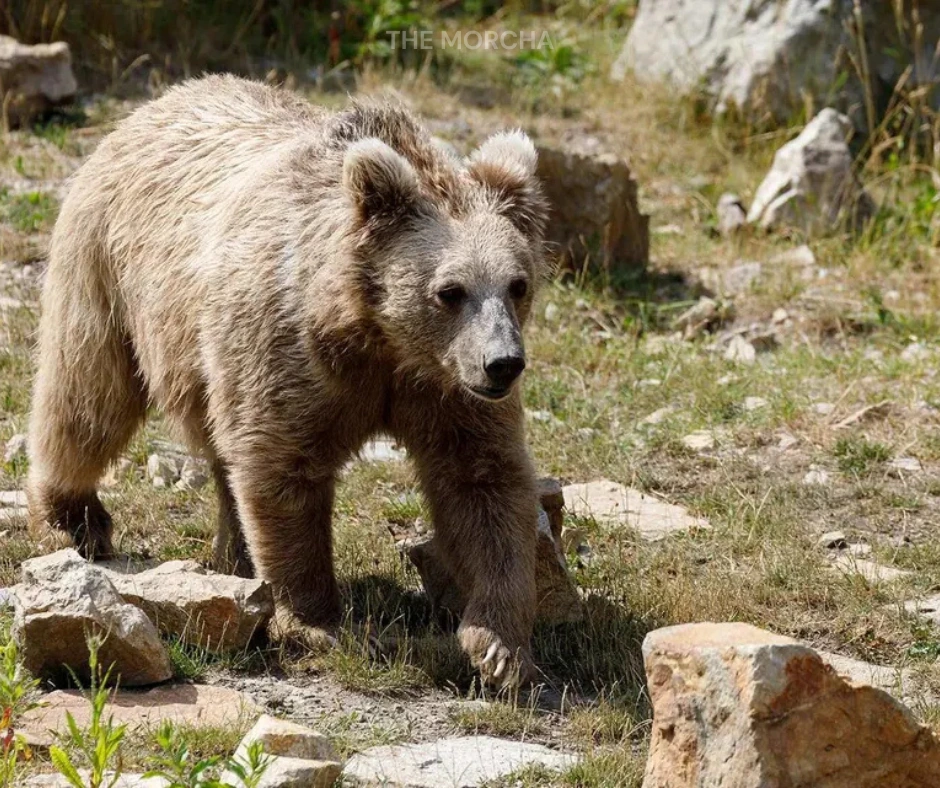
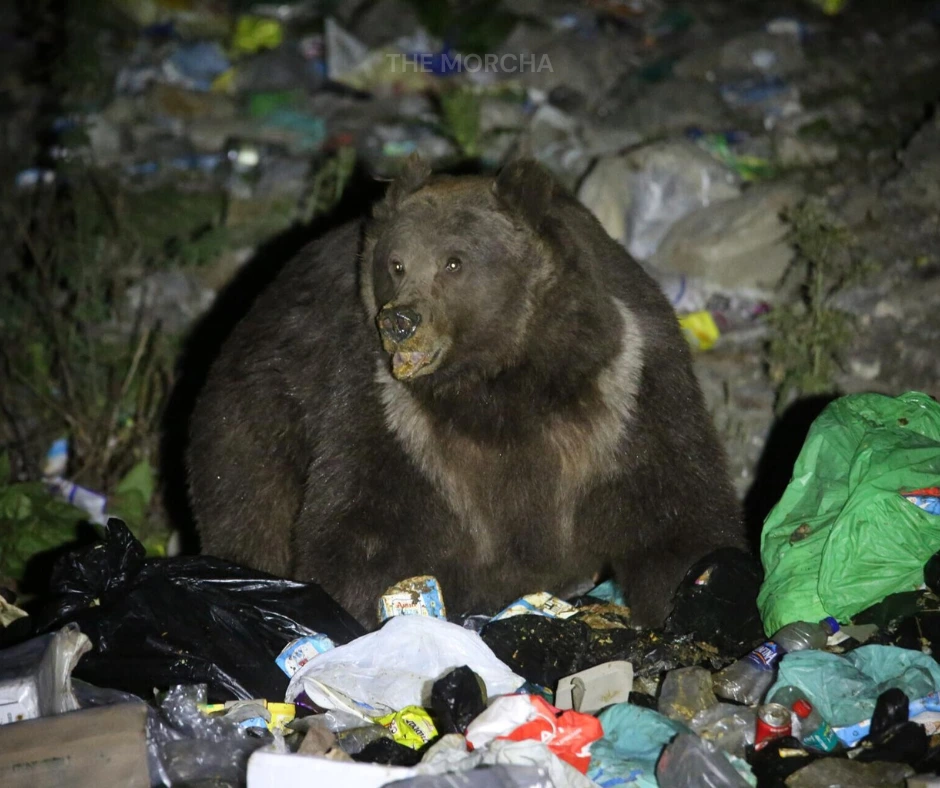
As a result, these bears are increasingly venturing into human settlements in search of food. A significant factor contributing to this behavior is the availability of garbage and food waste in these settlements, which have become an easy source of sustenance for the bears. The situation is exacerbated by the increasing human encroachment into forested areas, leading to more frequent interactions between bears and humans. Areas like Gopeshwar, Almora, and Joshimath in Uttarakhand, where human settlements are located near forests, are particularly prone to these attacks. This has created a dangerous conflict zone where both human and bear populations are at risk.
The Economic and Social Impact on Local Communities
The rise in human-bear conflict in Uttarakhand has become a serious socio-economic issue deeply affecting local communities living near forest areas. Farmers, herders, and villagers, especially those dependent on animal husbandry, suffer devastating losses of livestock such as cows, goats, and sheep due to bear attacks. This has led to a significant decline in their livelihoods. The psychological impact of bear attacks on humans also leaves families living in fear and anxiety, deeply disturbing their everyday lives.
Uttarakhand Forest Department’s response to this growing threat includes declaring some bears as “man-eaters” and deploying armed forest guard teams to high-risk areas. However, these measures have not fully mitigated the problem because the root causes, including poor forest management and changing land use, continue to escalate human-bear conflicts. The Asiatic black bears, driven by ecological changes such as poor fruit and flower yields in forests and habitat fragmentation, increasingly encroach on human settlements in search of food, escalating encounters and attacks.
During the autumn hyperphagia phase, bears aggressively forage before winter hibernation, amplifying the conflict during this season. Moreover, heavy rains damaging natural dens and increased human activity like fodder collection and tourist movement after monsoon worsen these interactions. The improper disposal of solid waste near forest fringes has led to “food conditioning,” where bears get habituated to human-related food sources, increasing their aggression around villages.
This human-bear conflict severely impacts local socio-economics as livestock depredation causes direct economic losses, pushing some villagers into poverty. The trauma from human-bear encounters also adds to the mental health burden on communities. Despite deployment of forest officials and specialized intervention teams, the problem persists due to lack of comprehensive forest conservation strategies and community involvement in conflict mitigation.
In summary, human-bear conflict in Uttarakhand is not only a wildlife conservation challenge but also a severe socio-economic problem affecting vulnerable rural communities. Effective solutions require integrated forest management, improved livestock protection, community awareness programs, and habitat restoration to reduce bear encroachment and ensure coexistence between humans and bears.
Addressing the Root Causes: Conservation and Awareness
To tackle the rising conflict, experts have emphasized the importance of improving wildlife conservation strategies and addressing the root causes of human-wildlife conflict. According to Dr. S. Satyakumar, a prominent wildlife scientist, the growing frequency of bear attacks is not limited to Uttarakhand but is being observed throughout the entire Himalayan range. This includes regions such as Kashmir, Himachal Pradesh, Nepal, and even Arunachal Pradesh, where bears are increasingly attracted to human settlements due to garbage disposal and encroachment into their natural habitats.
Addressing this issue requires a multi-faceted approach that includes better waste management practices in areas near wildlife habitats, increased public awareness about the dangers of feeding wildlife, and the creation of wildlife corridors to ensure safe passage for bears and other animals. Local authorities must also focus on strengthening human-wildlife conflict mitigation programs, such as early warning systems, surveillance, and community-based solutions that promote coexistence.
A Broader Trend: Bear Attacks in Japan and Other Regions
Interestingly, the issue of rising bear attacks is not confined to Uttarakhand alone. In Japan, there has been a similar surge in bear-related incidents. The northern region of Akita has been particularly affected, with over 50 reported bear attacks on humans this year alone, resulting in four deaths. The Japanese government has been forced to deploy the military and riot police to tackle the growing menace. Drones are being used for surveillance, and traps are being set in affected areas to capture and relocate the bears.
Much like in Uttarakhand, the changing climate in Japan has disrupted the natural behavior of bears, which are now more likely to approach human settlements in search of food. People in affected areas are now advised to carry bear-repelling sprays and bells when venturing outdoors, and the local government has issued guidelines for people living in rural areas to take precautions. As of 2023, Japan recorded a total of 200 bear attacks, a record high, and the situation is rapidly worsening.
The Path Forward: Finding Solutions for Coexistence
The rising conflict between humans and bears in both Uttarakhand and Japan highlights the urgent need for better wildlife management and the implementation of more effective conflict resolution strategies. While it is essential to protect human lives and property, it is equally important to ensure the survival of wildlife in their natural habitats. Balancing human development with wildlife conservation remains one of the most pressing challenges for both governments and communities.
In the case of Uttarakhand, long-term solutions must include improved waste management systems in and around forest areas, better land-use planning that minimizes human-wildlife interactions, and more robust efforts to preserve natural bear habitats. The use of technology, such as drones and automated surveillance systems, can help monitor bear movements and provide early warnings to communities. Additionally, local residents should be engaged in wildlife conservation efforts, with greater emphasis on educating people about safe practices for coexisting with wildlife.
As we continue to face the impacts of climate change, it is clear that the relationship between humans and wildlife will need to evolve. By fostering an understanding of the complex factors driving human-bear conflicts and prioritizing sustainable conservation practices, it is possible to reduce these dangerous encounters while ensuring that both humans and bears can coexist peacefully in the future.
Strengthening Human-Wildlife Coexistence: Policy and Community Involvement
While immediate measures like armed forest guards and wildlife relocation programs are necessary for dealing with the growing number of bear attacks, long-term solutions require a more comprehensive, community-based approach. One of the most effective ways to prevent these attacks from escalating is through the active participation of local communities in wildlife conservation efforts. People living in close proximity to forest areas need to be educated about bear behavior, the importance of wildlife preservation, and how to minimize conflicts.
Creating Safe Zones and Buffer Areas
A significant part of this strategy involves creating “safe zones” or buffer zones between human settlements and wildlife habitats. These zones would serve as areas where human activity is minimized, and bears can roam freely without encountering human settlements. For example, forest departments could work with local governments to demarcate areas where human development should be limited, and where natural vegetation and wildlife can thrive without interference.
Promoting Sustainable Practices
In addition, there must be an emphasis on sustainable practices such as responsible waste disposal. Many of the bear attacks in Uttarakhand have been linked to the bears scavenging for food in human settlements, often attracted by discarded garbage. Encouraging the local population to store food waste in secure containers, compost organic waste, and avoid dumping trash in the open can significantly reduce the chances of attracting wildlife into populated areas. Additionally, farmers and villagers can be educated on how to protect livestock using safe enclosures, and the installation of fencing and motion-activated lights could serve as deterrents to bears.
Wildlife Corridors and Habitat Protection
The creation of wildlife corridors is another essential aspect of long-term conflict management. These corridors provide bears and other wildlife with safe routes for migration and movement, reducing the likelihood that they will come into direct contact with human populations. Government and conservation agencies can work together to ensure that protected areas, such as national parks, wildlife sanctuaries, and forest reserves, are connected through wildlife corridors, which can be maintained through community participation and sustainable land use practices. This would also help in mitigating the effects of habitat fragmentation caused by urban expansion.
Technological Solutions to Human-Bear Conflict
Technological advancements offer promising solutions for monitoring bear activity and reducing human-wildlife interactions. Drones, GPS tracking collars, and motion-sensitive cameras can be deployed to track the movements of bears in real-time. With better monitoring, authorities can issue early warnings to communities, allowing them to take preventive measures, such as temporarily vacating certain areas or reinforcing fences. This technology can also help researchers study bear behavior more effectively, providing valuable insights into the circumstances under which bears are more likely to approach human settlements.
Bear Deterrent Technology
In addition to drones and cameras, the development of bear-specific deterrent technologies, such as bear repellent sprays and alarm systems, can play a vital role in reducing conflicts. For example, sound-based alarms that emit noises that are unpleasant to bears can be installed in vulnerable areas, while bear repellent sprays, which are effective in deterring aggressive bears, can be distributed to villagers and hikers. Additionally, solar-powered lights or motion-sensing lights around villages or farms can deter bears from approaching by creating an unsettling environment for them at night.
Community-Based Surveillance Networks
Empowering local communities to monitor bear activity using their mobile phones or other devices could also play a crucial role in reducing the number of attacks. In this model, local residents would be trained to identify signs of bear presence in their areas, such as footprints or damaged crops, and report these to authorities or a central surveillance system. Community-run “wildlife watch” programs could allow people to respond quickly to bear sightings, reducing the likelihood of unexpected confrontations.
Long-Term Conservation Strategies and Policy Recommendations
In the face of increasing bear attacks, it is clear that short-term measures are only part of the solution. A broader, more comprehensive approach to wildlife conservation is needed to address the root causes of the conflict between humans and bears. Governments, wildlife organizations, and local communities must collaborate to create policies that prioritize both human safety and animal welfare.
Habitat Restoration and Protection
One key component of a sustainable strategy is the restoration and protection of bear habitats. As human settlements expand and forests shrink, bears are forced into closer contact with people, often in search of food. By protecting existing forests and creating new protected areas, wildlife can maintain their natural habitats without being forced to venture into populated regions. Efforts to combat deforestation, increase reforestation, and implement conservation practices in forest management are all critical to ensuring that wildlife can continue to live in their natural environments.
Public Awareness Campaigns
Educating the general public about wildlife conservation is another important strategy. Governments and NGOs should invest in widespread public awareness campaigns to educate people about the importance of wildlife preservation and how to coexist with animals like bears. These campaigns can also teach people how to react if they encounter a bear, reducing panic and promoting safer interactions. Educational programs in schools, community centers, and through local media could foster a culture of tolerance toward wildlife and a shared responsibility for protecting the environment.
Human-Wildlife Conflict Compensation Programs
Recognizing the economic burden placed on communities affected by wildlife conflicts, governments could establish compensation programs for those who suffer financial losses due to bear attacks. These programs could help farmers and herders recoup losses from damaged crops or killed livestock. In turn, these measures could build goodwill among the local population, making them more likely to support conservation efforts and cooperate with wildlife management strategies.
Global Perspective: The Need for International Cooperation
The issue of human-bear conflict is not isolated to Uttarakhand or Japan. As the global climate continues to change, more and more regions are experiencing disruptions to wildlife behavior, leading to an increase in human-bear encounters as part of broader human-wildlife conflicts. The Himalayas, for example, stretch across multiple countries—including India, Nepal, and Bhutan—all of which face similar human-bear challenges because they share the same bear species and ecosystem pressures. Similarly, Japan’s situation reflects the rising pattern of human-bear interactions observed in other parts of Asia and North America.
Thus, international cooperation is essential in addressing the broader impacts of climate change on human-bear behavior and conflict trends. Countries can share knowledge, resources, and technologies that help reduce human-bear incidents—from improved forest management to more effective bear deterrent systems. Global wildlife conservation efforts must recognize the interconnectedness of ecosystems and the fact that wildlife does not recognize national borders. Collaborative research, shared policies, and coordinated strategies can provide stronger solutions to manage human-bear conflicts on both regional and global scales.
Balancing Human and Animal Needs in a Changing World
The rise in bear attacks in Uttarakhand and Japan highlights a critical challenge: balancing human development with the preservation of wildlife, especially in regions facing increasing human-bear encounters. While humans need space and safety, animals—particularly bears—also deserve the right to roam freely in their natural habitats without constant human-bear clashes. As climate change disrupts ecosystems, this delicate balance becomes harder to maintain, leading to more frequent human-bear conflicts. However, with proactive strategies that include habitat preservation, community involvement, technological innovation, and international cooperation, it is possible to reduce human-bear incidents and protect both sides involved in this growing struggle.
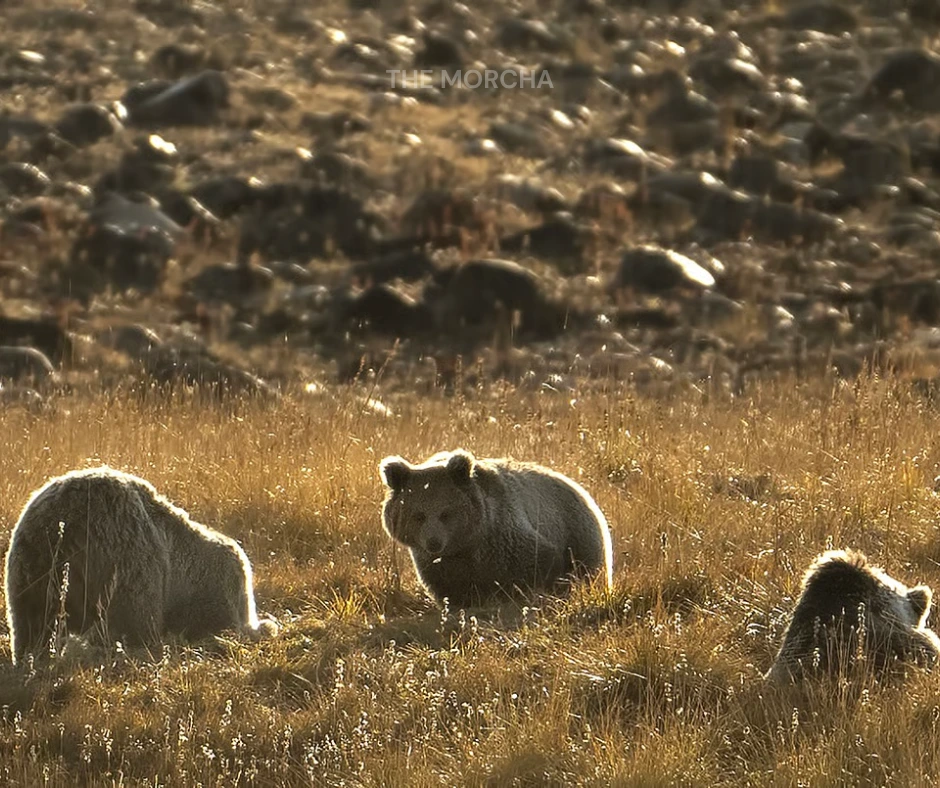
Ultimately, fostering an environment where humans and bears can coexist peacefully requires a fundamental shift in how we understand the human-bear relationship and the root causes of human-bear interactions. Human-bear conflict has increased due to shrinking bear habitats, poor fruiting seasons, and bears moving closer to human settlements in search of food. Therefore, long-term solutions that prioritize both human and bear well-being must be adopted. This includes better early-warning systems, strengthened compensation mechanisms, and conflict-mitigation training for communities vulnerable to human-bear encounters. Habitat restoration and improving food availability inside forests are also critical to reducing the frequency of human-bear conflicts.
Investing in community involvement, such as training bear-guardians and promoting the use of bear-resistant containers and solar-powered deterrents, helps reduce human-bear confrontations. Financial incentives for local communities encouraging tolerance and coexistence with wildlife have shown promise in mitigating human-bear conflicts. By prioritizing these integrated management and conservation strategies, human-bear attacks can decrease, safeguarding lives and livelihoods, while ensuring the survival of these majestic animals and reducing the risk of future human-bear emergencies.


