
Home Trends 2026 are redefining how we live, transforming homes from mere functional shelters into deeply personal sanctuaries that not only provide comfort and safety but also reflect the unique tastes, lifestyles, and emotional needs of their inhabitants. In an era where the pace of life is faster than ever and external uncertainties—from global events to economic fluctuations—constantly affect our daily routines, homeowners are increasingly seeking spaces that offer refuge, calm, and a sense of control over their environment. These trends emphasize individuality over uniformity, warmth over sterility, and mindfulness over mere aesthetics, signaling a shift toward interiors that are as emotionally nourishing as they are visually appealing.
From expansive, spa-inspired bathrooms designed for relaxation and mental rejuvenation, to bedrooms that serve as immersive personal retreats, every corner of the modern home is being reimagined with the goal of creating a balanced, harmonious, and deeply satisfying living experience. The focus is not just on what the home looks like, but how it makes its residents feel—a place that nurtures creativity, restores energy, and acts as a reflection of personal identity, values, and aspirations. By integrating handcrafted furniture, textured textiles, layered color palettes, and thoughtfully curated décor, homeowners in 2026 are turning their houses into individualized sanctuaries that celebrate personality, quality, and comfort in ways that mass-produced designs simply cannot replicate.
Table of Contents
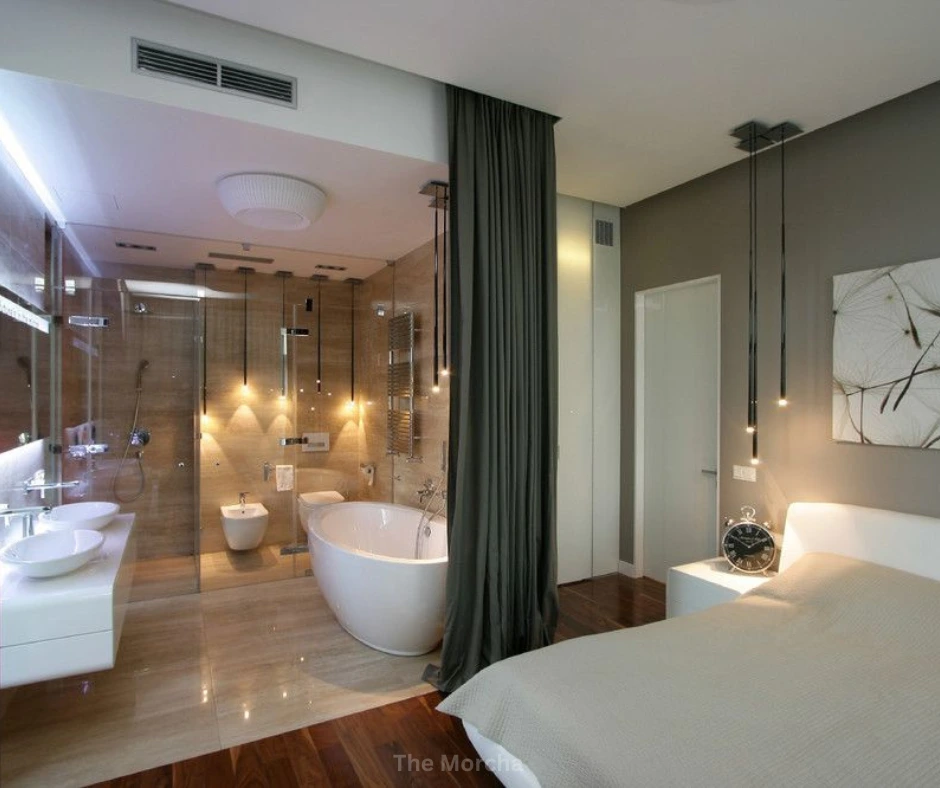
Bathrooms as Ultimate Relaxation Spaces
In Home Trends 2026, bathrooms are evolving from purely functional spaces into personal sanctuaries. Homeowners are treating them as private retreats where comfort, relaxation, and style take center stage. Modern bathrooms often feature luxurious freestanding tubs, walk-in showers, and double vanities, creating a spa-like atmosphere at home. Rain showers, multi-jet panels, and adjustable water temperatures offer a sensory experience that promotes mental and physical rejuvenation.
Lighting and materials play a key role in this transformation. Layered ambient lighting, warm natural tones, textured tiles, and wooden accents create a soothing environment. Smart lighting systems, heated floors, and soft textiles like plush towels and bath mats add to the comfort, while integrated wellness technology—such as steam options, chromotherapy, and sound systems—enhances the overall relaxation experience.
The focus is no longer just on utility but on well-being and personalization. Some bathrooms now include meditation corners, seating areas, or indoor greenery to promote calmness and mindfulness. In 2026, the bathroom is more than a functional space—it’s a retreat that reflects personality, luxury, and a commitment to daily self-care.
Bedrooms Designed as Immersive Retreats
In Home Trends 2026, bedrooms are no longer just places to sleep—they are becoming immersive personal retreats where comfort, relaxation, and wellness take priority. Homeowners are expanding bedroom spaces to include areas for reading, meditation, yoga, or even private spa experiences, creating multifunctional zones that cater to both rest and rejuvenation.
Designers are emphasizing soft textures, warm color palettes, and layered lighting to create a cozy, calming environment. Features like lounge chairs, window nooks, or small indoor plants add to the sense of tranquility, while high-quality bedding and upholstered furniture enhance comfort. Some modern bedrooms even incorporate wellness elements, such as in-room saunas, aromatherapy diffusers, or sound systems, allowing the space to function as a full retreat from the outside world.
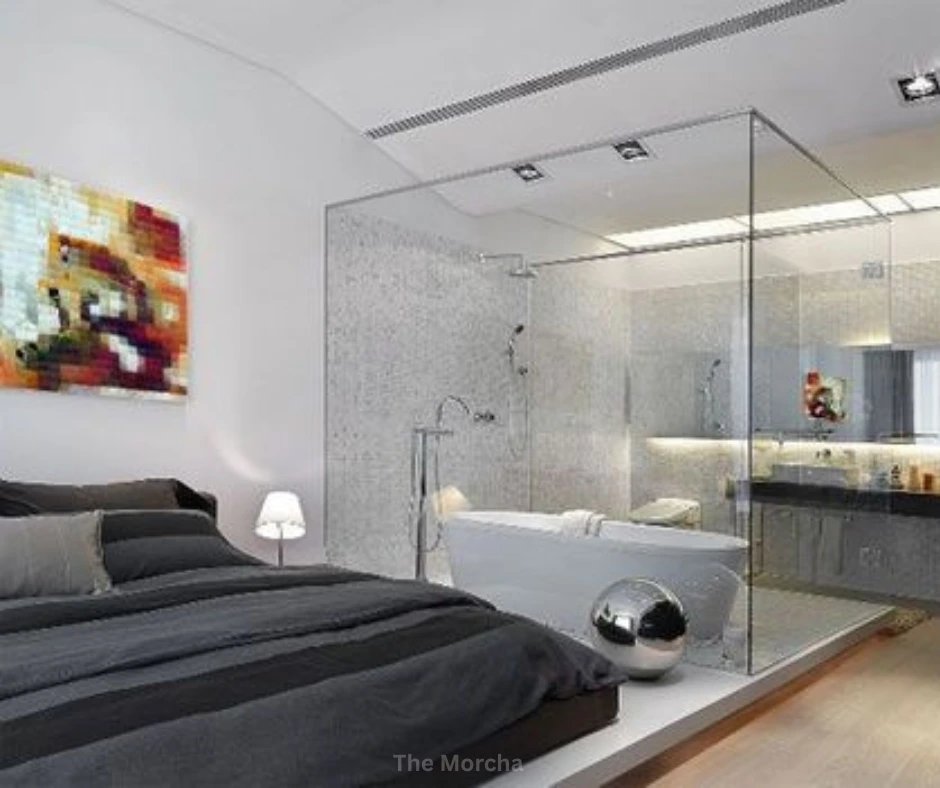
Ultimately, bedrooms in 2026 reflect a shift toward personalization and emotional well-being. They are carefully curated spaces that combine style, functionality, and comfort, ensuring that every moment spent in the room—from waking up to winding down—is restorative and aligned with the homeowner’s lifestyle.
“Make Your Home Your Castle”
In Home Trends 2026, personalization is at the heart of home design. Homeowners are moving away from cookie-cutter layouts and generic décor, choosing instead to create interiors that reflect their personality, habits, and lifestyle. The focus is on making the home feel like a true sanctuary—a place where every detail, from furniture to artwork, tells a personal story.
Designers note that people are increasingly customizing spaces to fit their daily routines. For example, someone who loves reading may incorporate cozy nooks with built-in bookshelves and comfortable seating, while others might dedicate corners for hobbies, meditation, or even in-home gyms. Handcrafted furniture, bespoke décor, and unique textiles are replacing mass-produced items, adding authenticity and individuality to every room.
This trend also emphasizes emotional resonance. Colors, textures, and lighting are carefully chosen to create moods that match the homeowner’s personality—warm and inviting for some, bold and vibrant for others. In 2026, homes are no longer just functional shelters; they are extensions of identity, spaces designed to nurture comfort, creativity, and well-being while celebrating individuality.
The Resurgence of Vintage and Handcrafted Furniture
One of the most notable Home Trends 2026 is the renewed appreciation for vintage and handcrafted furniture, driven by both economic and aesthetic considerations. As the cost of newly manufactured furniture continues to rise, homeowners are increasingly turning to antiques, locally crafted pieces, and high-quality handmade décor that not only offer durability but also carry a sense of history and individuality. Unlike mass-produced items, these pieces bring character, craftsmanship, and uniqueness to a space, making each home feel distinct and thoughtfully curated.
Design experts note that the appeal of vintage and artisanal furniture lies in its ability to tell a story. A hand-carved wooden chair, an intricately detailed sideboard, or a weathered dining table carries the weight of craftsmanship and time, offering a tactile and visual richness that modern, factory-made items often lack. These pieces are not just decorative; they create a sense of connection to tradition, artistry, and personal taste, which aligns perfectly with the broader trend of turning homes into personal sanctuaries that reflect identity and values.
Color Trends for Warm and Layered Interiors
In Home Trends 2026, color is taking center stage as a tool for creating warm, layered, and inviting interiors. The era of stark white walls is giving way to palettes that combine earthy neutrals, soft pastels, and rich, jewel-toned accents. These layered colors add depth, personality, and a sense of comfort to every room, making homes feel both dynamic and cozy.
Designers are also experimenting with colored trims, baseboards, and moldings, moving away from the traditional white. A contrasting trim or painted baseboard can highlight architectural details and give a room a layered, curated look. Beyond walls and trims, textiles, rugs, cushions, and artwork are used to reinforce the color story, introducing subtle contrasts or harmonious accents throughout the space.
The trend emphasizes not just aesthetics but emotional impact. Warm, layered colors can evoke calm, stability, and luxury, while carefully placed pops of bright shades can energize or inspire creativity. Overall, 2026’s color trends focus on creating homes that feel personal, engaging, and deeply comforting.
The Role of Textiles in Home Personalization
In Home Trends 2026, textiles are emerging as one of the most powerful tools for personalizing interiors. From unique rugs and custom upholstery to artisanal throws and cushions, fabrics are no longer just functional—they are statement pieces that define the character of a room. Homeowners are choosing textiles that reflect their personal style, adding texture, color, and warmth to create spaces that feel inviting and distinct.
Custom-made fabrics and handwoven items are especially popular, allowing individuals to incorporate patterns, colors, and materials that align with their personality. Layered rugs, vibrant cushions, and luxurious throws can transform a neutral room into a cozy, visually engaging space. Even smaller elements like curtains, wall hangings, and table runners contribute to a curated, cohesive aesthetic.
Textiles also enhance comfort and emotional resonance. Soft, high-quality materials invite relaxation, while bold patterns or rich textures convey energy and creativity. By thoughtfully selecting fabrics, homeowners in 2026 are turning interiors into personalized sanctuaries that reflect individuality while promoting both style and comfort.
Celebrity and Designer Insights
In Home Trends 2026, insights from top designers and celebrity decorators are shaping how homeowners approach interiors. Experts like Bridget Romanek and Kelsey Keith emphasize personalization, warmth, and creating spaces that reflect the individual rather than following fleeting trends. Their guidance encourages homeowners to think of design as an extension of personality, turning each room into a meaningful, lived-in space.
Romanek highlights the importance of unique, non-generic pieces, from custom furniture to artisanal décor, advising homeowners to avoid “copy-paste” styles that feel impersonal. Keith, meanwhile, focuses on the functional side of design, suggesting flexible spaces that adapt to modern lifestyles—like incorporating reading nooks, meditation corners, or multi-purpose furniture.
Celebrity designers also stress the use of color, texture, and layered elements to add depth and personality to interiors. Their predictions show that 2026 will be a year where homes combine comfort, style, and individuality, offering inspiration for everyday homeowners to curate spaces that are both functional and deeply personal.
Multifunctional Spaces for Wellness
In Home Trends 2026, wellness has become a central focus in home design, leading to the rise of multifunctional spaces that support both physical and mental health. Homeowners are creating areas dedicated to fitness, mindfulness, and relaxation, such as home gyms, yoga rooms, meditation corners, and even personal saunas. These spaces allow individuals to maintain their wellness routines without leaving the comfort of their homes.
Designers emphasize that these rooms should be flexible, calming, and inviting, blending functionality with aesthetic appeal. Natural light, soothing colors, and minimal clutter help create an atmosphere conducive to relaxation and focus. Smart storage solutions and multipurpose equipment further enhance usability without compromising style.
By integrating wellness spaces into everyday living, homeowners in 2026 are transforming their homes into holistic retreats, where mind, body, and environment are thoughtfully connected. These multifunctional areas reflect the growing desire to prioritize self-care and well-being in daily life.
Lighting as a Mood Enhancer
In Home Trends 2026, lighting is no longer just functional—it’s a key element in shaping mood, atmosphere, and the overall feel of a space. Homeowners are embracing layered lighting strategies that combine ambient, task, and accent lighting, allowing rooms to adapt to different activities and times of day.
Dimmers, smart lighting, and color-adjustable fixtures are becoming common, giving individuals control over brightness and warmth to create calming, energizing, or cozy environments as needed. Natural light integration is also prioritized, with larger windows, skylights, and strategically placed mirrors to maximize daylight while enhancing a sense of openness and comfort.
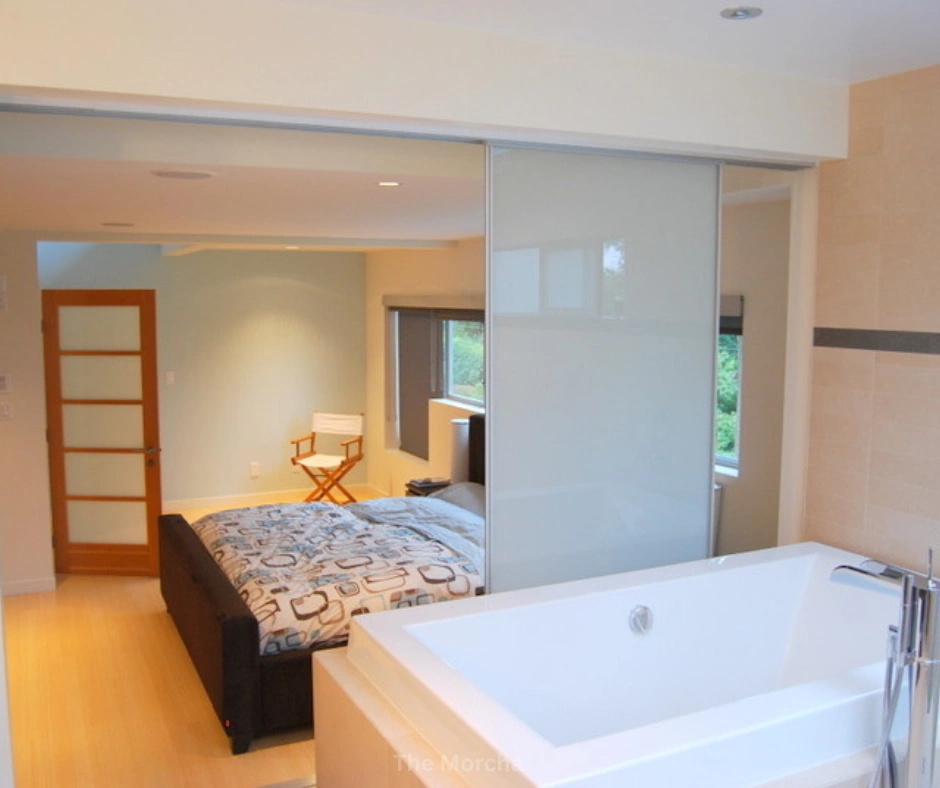
Designers stress that thoughtful lighting can highlight textures, colors, and architectural features, enhancing the personality of a room. By balancing artificial and natural light, homes in 2026 are becoming adaptive, mood-sensitive spaces that elevate both functionality and emotional well-being.
Kitchens That Blend Style and Functionality
In Home Trends 2026, kitchens are evolving beyond their traditional role as cooking areas into multifunctional, stylish spaces that reflect personality and practicality. Homeowners are emphasizing designs that combine aesthetics with ergonomic layouts, smart storage, and modern appliances, making the kitchen both beautiful and highly functional.
Open layouts, integrated countertops, and streamlined cabinetry help maximize space, while smart storage solutions—like pull-out shelves, built-in organizers, and hidden compartments—keep the area clutter-free. Materials such as natural stone, warm wood, and textured tiles add visual appeal, and accent lighting highlights key features while creating a welcoming atmosphere.
Designers also recommend personal touches in kitchens, from unique backsplashes to artisanal hardware, to make the space feel individualized. In 2026, the kitchen is no longer just a place to prepare meals; it’s a central hub for living, entertaining, and showcasing style, blending beauty, comfort, and efficiency seamlessly.
Outdoor Living Spaces and Backyards
According to Home Trends 2026, outdoor spaces are now extensions of indoor living that provide comfort, leisure, and style rather than merely being decorative or functional. Homeowners are transforming backyards, patios, and terraces into inviting spaces for leisure, socializing, and wellness.
Popular features include backyard saunas, fire pits, lounge areas, and cozy seating arrangements, creating spaces that feel like private retreats. Landscaping, ambient lighting, and weatherproof furniture help maintain a seamless flow between indoor and outdoor living, while adding aesthetic appeal.
The focus is on making outdoor areas multi-functional and comfortable, whether for quiet meditation, family gatherings, or casual entertaining. By extending the home’s personality and warmth into outdoor spaces, homeowners in 2026 are creating complete living environments that support relaxation and personal expression.
Sustainable and Local Sourcing
There is a growing consumer movement toward sustainability and mindful purchasing, which has transformed how people think about the products they bring into their homes. Shoppers are increasingly drawn to antiques, handcrafted items, and goods made by local artisans, valuing the story, craftsmanship, and heritage behind each piece. Eco-friendly materials—such as reclaimed wood, recycled metals, organic textiles, and non-toxic finishes—are rising in popularity, reflecting a desire to reduce environmental impact without sacrificing style.
Small-scale and local production not only supports independent makers and communities, but also encourages uniqueness, allowing individuals to curate spaces that feel personal rather than mass-produced. This shift aligns with a broader lifestyle trend that prioritizes quality over quantity, intentional consumption over fast trends, and sustainability over convenience. By choosing locally sourced and environmentally conscious products, consumers can actively participate in preserving the planet, supporting regional economies, and fostering a culture of creativity and individuality.
Technology Integration for Smart Comfort
Technology is increasingly becoming an invisible but integral part of modern living spaces, seamlessly blending comfort, convenience, and design. Smart home devices—from automated lighting systems and climate controls to voice-activated assistants and advanced security solutions—are no longer confined to utility; they are being thoughtfully integrated into interiors to complement style rather than disrupt it.
Temperature regulation, automated shading, and energy-efficient lighting allow spaces to adjust dynamically to personal preferences and environmental conditions, creating an enhanced sense of comfort while promoting sustainability. Meanwhile, wellness-focused technologies, such as sleep trackers, air quality monitors, and circadian rhythm lighting, are being incorporated to support both physical and mental well-being, reflecting a growing awareness that homes are not just living spaces but sanctuaries for health.
Designers are increasingly prioritizing aesthetics in tandem with functionality, ensuring that devices, panels, and sensors are discreet, harmonious, or even decorative. For example, sleek thermostats, smart speakers, and hidden wiring systems are designed to blend with furniture, color palettes, and architectural details rather than stand out. This careful integration enables homes to feel intuitive and effortless, offering personalized experiences—like pre-heated rooms, mood lighting, or automatically curated playlists—without drawing attention to the technology itself.
Ultimately, smart technology in interiors is shifting from being a statement of futuristic luxury to a standard of modern comfort. It empowers homeowners to live more efficiently, sustainably, and healthfully, all while maintaining the warmth, style, and character of their spaces. The result is a home that is not only visually appealing but also responsive, adaptive, and attuned to the needs of its inhabitants, quietly enhancing everyday life through thoughtful innovation.
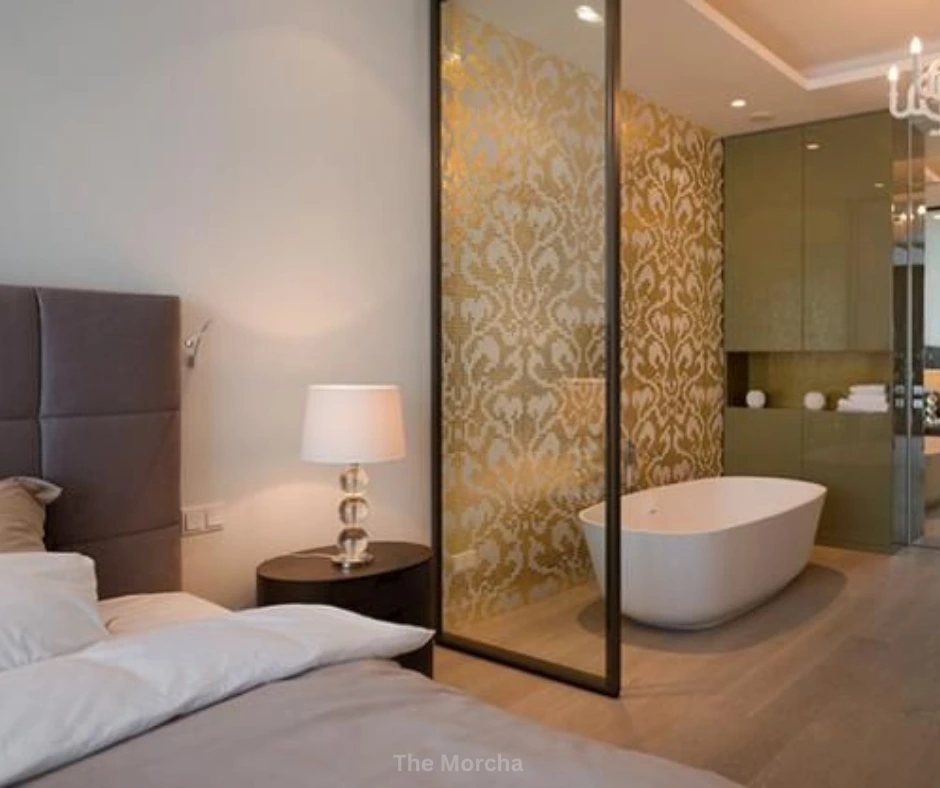
Homes as Emotional Sanctuaries
The concept of home is evolving beyond mere functionality. Today, homes are increasingly seen as emotional sanctuaries—spaces that nurture mental well-being, support self-care, and reflect personal identity. Interiors are being designed to promote calm, comfort, and mindfulness, incorporating elements such as soothing colors, natural materials, personal mementos, and wellness-oriented features. This shift emphasizes that a home should not only accommodate daily life but also foster emotional balance, self-expression, and a sense of belonging.