
Good Friday 2026 is one of the most sacred and emotionally powerful days in Christianity, observed by millions of believers across the globe with deep respect and devotion. It commemorates the crucifixion of Jesus Christ, an event that symbolizes sacrifice, unconditional love, and forgiveness. Despite its somber nature, the day carries a message of hope and redemption, reminding people that even in suffering, there can be purpose and transformation.


Churches hold special prayer services, and many believers spend the day in silence, fasting, and meditation. Good Friday encourages individuals to pause their busy lives and reflect on moral values, faith, and the importance of compassion in everyday life.
Table of Contents
Historical Background of Good Friday
The history of Good Friday is deeply rooted in the biblical accounts found in the New Testament, which describe the final hours of Jesus Christ’s life. According to these texts, Jesus was arrested after being betrayed, brought before Roman authorities, and sentenced to death by crucifixion under Pontius Pilate. This event took place during the Jewish festival of Passover, making it historically and spiritually significant. Over time, early Christians began commemorating this day as part of Holy Week. As Christianity spread across continents, Good Friday traditions evolved, incorporating local customs while maintaining the core message of sacrifice and redemption. Today, it remains a central observance in Christian faith worldwide.
Why Is It Called “Good” Friday?
The name “Good Friday” may seem confusing because it marks a day of suffering and death, yet the term “Good” reflects its deeper spiritual meaning. For Christians, this day represents the ultimate act of love, where Jesus Christ sacrificed himself for the forgiveness of humanity’s sins. The “goodness” lies in the belief that his sacrifice opened the path to salvation and eternal life. Some scholars also suggest that the term may have evolved from “God’s Friday,” emphasizing its holy nature. Regardless of its origin, the name highlights the positive outcome of a tragic event, turning sorrow into hope and reinforcing the belief in divine grace and redemption.
The Crucifixion of Jesus Christ
The crucifixion of Jesus Christ is the central event remembered on Good Friday and is considered one of the most significant moments in Christian theology. According to biblical narratives, Jesus was subjected to trials, humiliation, and ultimately sentenced to death by crucifixion, a method used by the Romans. He was made to carry his cross to the place of execution, known as Golgotha. There, he was nailed to the cross and endured immense suffering. Despite this, his words reflected forgiveness and compassion. This act is seen as the ultimate sacrifice, symbolizing love for humanity. The crucifixion story continues to inspire faith, reflection, and devotion among believers worldwide.
Spiritual Significance of Good Friday
Good Friday holds profound spiritual importance as it represents sacrifice, forgiveness, and unconditional love. For Christians, it is a day to remember that Jesus willingly gave his life for the salvation of humanity. This belief encourages individuals to reflect on their own actions and seek forgiveness for their shortcomings. The day also emphasizes humility, compassion, and selflessness, values that are essential for a meaningful life. Many believers spend time in prayer, meditation, and reading scriptures to deepen their spiritual connection. The significance of Good Friday extends beyond religious boundaries, offering universal lessons about love, sacrifice, and the power of faith in overcoming challenges.
Good Friday 2026 Date and Observance
In 2026, Good Friday will be observed on April 3rd, marking an important day in the Christian calendar. The date of Good Friday changes every year because it is determined based on the lunar cycle used to calculate Easter Sunday. It always falls on the Friday before Easter, making it part of Holy Week. On this day, Christians around the world participate in various religious activities, including attending church services, fasting, and prayer. Many countries recognize it as a public holiday, allowing people to fully dedicate their time to spiritual reflection. The observance of Good Friday serves as a reminder of faith, sacrifice, and devotion.
Holy Week and Its Connection to Good Friday
Good Friday is an essential part of Holy Week, which is the final week of Lent leading up to Easter Sunday. Holy Week begins with Palm Sunday, commemorating Jesus’s entry into Jerusalem, followed by Maundy Thursday, which marks the Last Supper. Good Friday stands as the most solemn day, focusing on the crucifixion.Easter Sunday, which celebrates the resurrection of Jesus Christ, ends the week. Each day of Holy Week carries its own significance, but together they tell a complete story of sacrifice, death, and renewal. This connection makes Good Friday a crucial moment in understanding the core beliefs of Christianity.
Good Friday Traditions Around the World
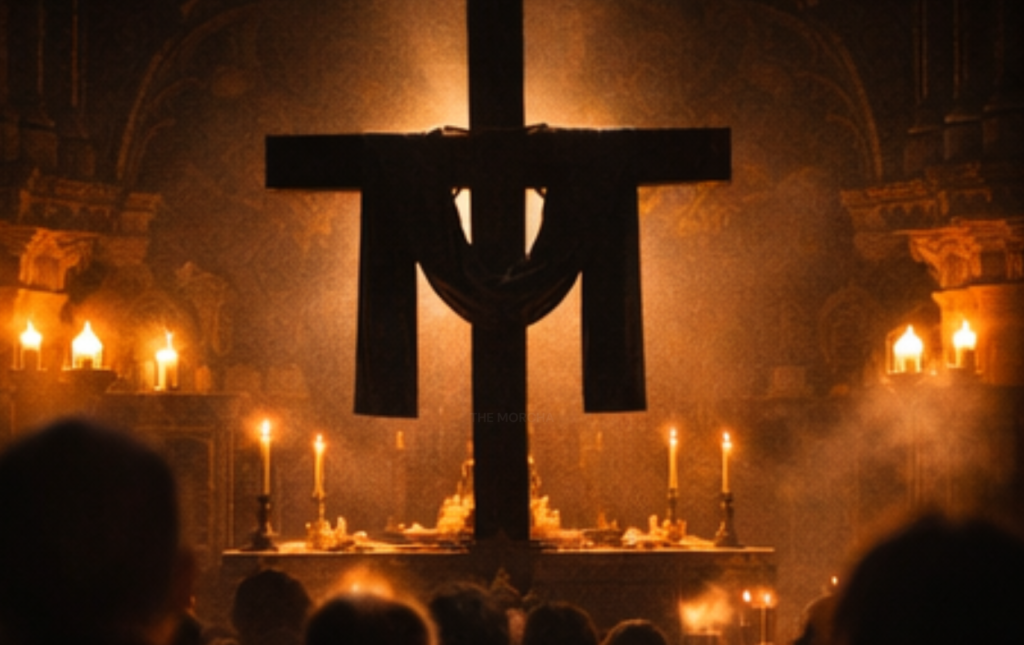
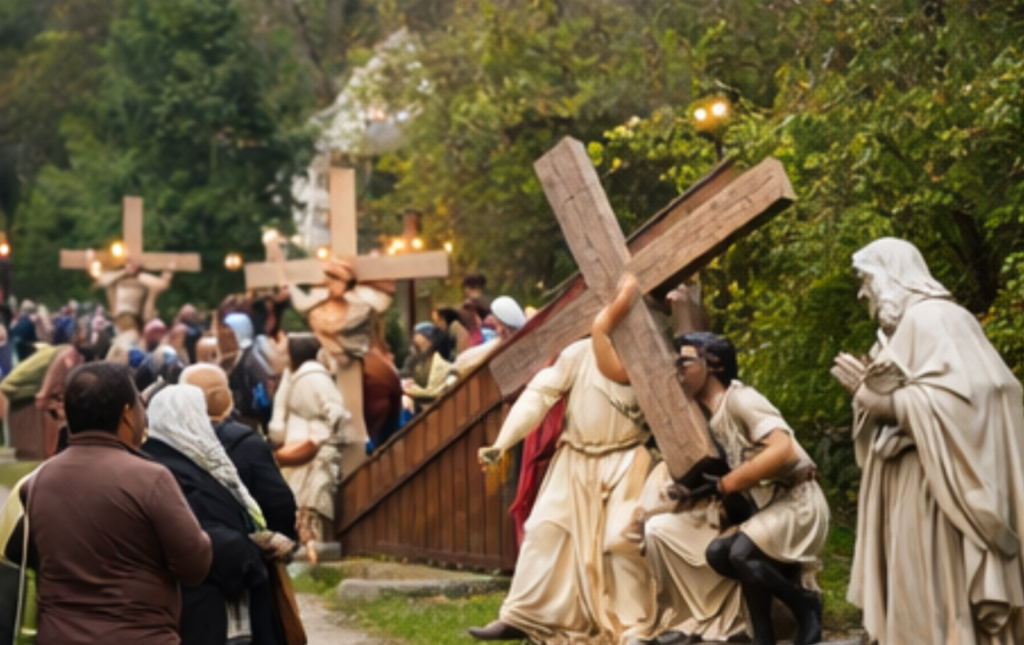
Good Friday is observed in various ways across different cultures, reflecting the diversity of Christian traditions worldwide. In countries like Spain, elaborate processions take place, featuring statues and reenactments of biblical events. In the Philippines, some devotees participate in symbolic acts of penance. In India, churches hold special prayers, and believers observe fasting and silence. In Western countries, people attend church services and reflect quietly. These traditions, though different in practice, share a common purpose: to honor the sacrifice of Jesus Christ. The global observance of Good Friday highlights its universal importance and the shared values of faith and devotion.
Fasting and Prayer on Good Friday
Fasting and prayer are central practices on Good Friday, symbolizing sacrifice, discipline, and spiritual focus. Many Christians choose to abstain from meat or consume simple meals as a way of honoring the suffering of Jesus Christ. Fasting is not just about food but also about self-control and reflection. Prayer plays an equally important role, as believers seek forgiveness, guidance, and strength. Churches often organize special prayer sessions, while individuals may spend time in personal meditation. These practices help create a deeper connection with the spiritual significance of the day, encouraging individuals to reflect on their faith and values.
Church Services and Rituals
Church services on Good Friday are unique and deeply solemn, focusing on remembrance and reflection. Unlike regular services, the atmosphere is often quiet and somber, with minimal decoration. The altar may be left bare, symbolizing mourning. Services typically include readings from the Bible, hymns, and sermons that recount the events of the crucifixion. In some traditions, the “Passion of Christ” is read aloud. Many churches also observe the veneration of the cross, where believers show respect to the symbol of sacrifice. These rituals help individuals connect emotionally and spiritually with the significance of Good Friday.
The Stations of the Cross Explained
The Stations of the Cross is a meaningful devotional practice observed by many Christians on Good Friday. It consists of fourteen stations, each representing a specific event from Jesus Christ’s journey to crucifixion. Believers move from one station to another, reflecting on each moment, such as his fall, meeting his mother, and eventual crucifixion. This practice is often conducted in churches or outdoor settings and may involve prayers, readings, and hymns. The Stations of the Cross provide a structured way for individuals to meditate on the suffering and sacrifice of Jesus, helping them develop a deeper understanding of the day’s significance.
Symbolism Associated with Good Friday
Good Friday is rich in symbolism, with various elements representing different aspects of Jesus Christ’s sacrifice. The cross is the most prominent symbol, signifying both suffering and redemption. Other symbols include nails, representing the crucifixion; the crown of thorns, symbolizing pain and humiliation; and black cloth, indicating mourning. These symbols are often used in church decorations, art, and rituals. They serve as visual reminders of the events being commemorated and help believers connect with the spiritual message of the day. Through these symbols, the story of Good Friday is conveyed in a powerful and meaningful way.
Good Friday in India
In India, Good Friday is observed with great devotion, especially in states with significant Christian populations such as Kerala, Goa, and Tamil Nadu. Churches hold special services, and believers gather for prayers and processions. Many people observe fasting and spend the day in quiet reflection. The atmosphere is solemn, with a focus on remembering the sacrifice of Jesus Christ. In some regions, reenactments of the crucifixion are performed to help people understand its significance. Good Friday is also recognized as a public holiday in many parts of the country, allowing people to participate in religious activities and spend time in spiritual reflection.
Lessons from Good Friday
Good Friday offers timeless lessons that are relevant to people of all backgrounds, regardless of their religious beliefs. One of the most important lessons is forgiveness, as Jesus is believed to have forgiven those who wronged him. The day also teaches humility, patience, and the importance of helping others. It encourages individuals to reflect on their actions and strive to become better people. The message of love and sacrifice serves as a reminder that true strength lies in compassion and understanding. These lessons make Good Friday not just a religious observance but also a source of moral guidance.
The Connection Between Good Friday and Easter
Good Friday and Easter are closely connected, forming a central part of Christian belief. While Good Friday commemorates the crucifixion of Jesus Christ, Easter celebrates his resurrection, symbolizing victory over death and the promise of eternal life. This connection highlights the journey from suffering to hope, making both days equally important. Without Good Friday, the significance of Easter would not be complete. Together, they represent the core message of Christianity: redemption, renewal, and faith. This relationship helps believers understand the deeper meaning of sacrifice and the power of hope in overcoming challenges.
Modern Observance of Good Friday
In today’s digital age, the observance of Good Friday has adapted to modern lifestyles while retaining its spiritual essence. Many churches now livestream their services, allowing people to participate from home. Social media platforms are used to share messages of faith, prayers, and reflections. Despite these technological changes, the core practices of fasting, prayer, and reflection remain unchanged. People continue to observe the day with sincerity and devotion, finding new ways to connect with their faith. This blend of tradition and modernity ensures that the message of Good Friday remains relevant in contemporary society.
Misconceptions About Good Friday
There are several misconceptions surrounding Good Friday that can lead to confusion about its meaning and practices. Some people believe it is solely a day of mourning, but it also carries a message of hope and redemption. Others misunderstand the significance of fasting or the purpose of certain rituals. Clarifying these misconceptions helps individuals better appreciate the importance of the day. Understanding the true meaning of Good Friday allows people to connect more deeply with its message and avoid misinterpretations that may diminish its significance.
The Timeless Message of Good Friday
Good Friday remains a powerful and meaningful day that continues to inspire millions of people around the world. Its message of sacrifice, love, and forgiveness transcends time and cultural boundaries. By reflecting on the events of this day, individuals are encouraged to embrace compassion, humility, and faith in their daily lives.

The story of Jesus Christ’s sacrifice serves as a reminder that even in the face of adversity, hope and redemption are possible. As people observe Good Friday, they are reminded of the values that unite humanity and the importance of living a life guided by love and understanding.


