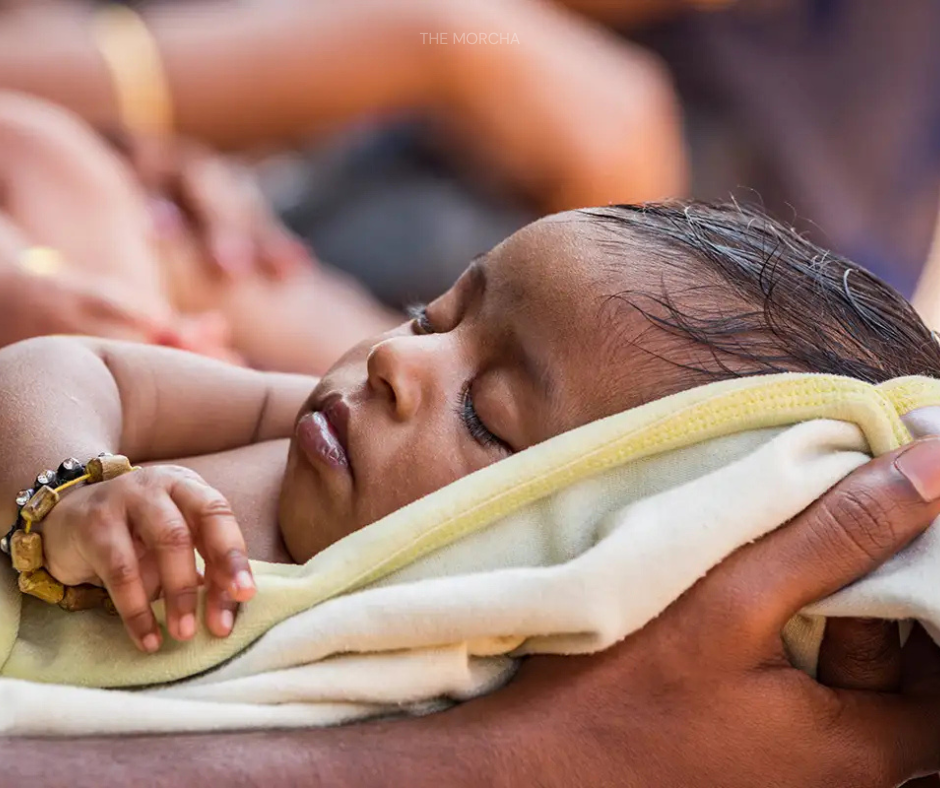
Focus India has historically struggled with gender imbalance due to deep-rooted social, cultural, and economic preferences for male children. However, recent trends showing a significant decline in abortions and a noticeable rise in girl child births indicate a meaningful demographic shift. This change is especially visible in urban areas, including slums, where improved data reporting and health interventions have begun to reflect ground realities more accurately.


The improvement in sex ratio at birth suggests that long-standing discriminatory practices are gradually weakening, marking an important transition in India’s population structure and social mindset.
Table of Contents
FOCUS on Historical Roots of Gender Bias
Gender discrimination in India has its origins in entrenched patriarchal traditions that valued sons over daughters for economic, social, and religious reasons. Sons were viewed as carriers of family lineage and providers of old-age security, while daughters were often considered liabilities due to dowry and marriage-related expenses. The misuse of medical technology for sex selection intensified this bias, leading to widespread sex-selective abortions and demographic imbalance.
These practices were further reinforced by unequal inheritance rights, limited educational opportunities for girls, and social norms that prioritized male authority within households. Over generations, such attitudes became normalized and socially accepted, making gender bias a deeply ingrained structural problem rather than an individual choice. As a result, discrimination against the girl child manifested not only before birth but also through neglect, poor nutrition, and restricted access to healthcare and education.
Legal Frameworks and Policy Measures
The implementation of strict legal provisions such as the Pre-Conception and Pre-Natal Diagnostic Techniques Act has been central to addressing sex-selective practices. This law restricts the misuse of diagnostic technologies and enforces accountability among healthcare providers. Complementary policies and welfare schemes have reinforced the importance of protecting the girl child and promoting gender-sensitive development, contributing to a decline in illegal abortions. In addition, regular inspections, mandatory record-keeping, and stringent penalties have strengthened enforcement at the ground level.
Government initiatives such as Beti Bachao Beti Padhao have further supported attitudinal change through awareness campaigns and financial incentives linked to education and health. Together, these measures have created a deterrent effect while also encouraging families to view daughters as valuable and equal members of society, thereby promoting long-term behavioral transformation.

Urban Slums as Sites of Social Change
Urban slums, traditionally marked by poverty and limited access to services, have emerged as important spaces of demographic transformation. Increased government outreach, health monitoring, and community engagement have brought marginalized populations into formal systems of healthcare and registration. As a result, pregnancies and births that were previously undocumented are now being recorded, revealing a more accurate and encouraging picture of gender balance. Community-based interventions, such as door-to-door awareness campaigns and counseling by health workers, have further encouraged families to value and nurture girl children.
Local self-help groups and non-governmental organizations have played a crucial role in educating parents about legal rights, health services, and the long-term benefits of gender equality. These coordinated efforts have transformed slums from neglected spaces into centers of social change, demonstrating that even in areas facing economic deprivation, cultural attitudes and discriminatory practices can be challenged effectively through sustained policy action and community participation.
Improvement in Healthcare Infrastructure
The expansion and strengthening of healthcare infrastructure have significantly influenced reproductive outcomes. Greater availability of maternal health services, skilled healthcare workers, and institutional delivery facilities have reduced dependence on unsafe and illegal abortion practices. Early pregnancy tracking and regular medical support have improved maternal confidence and encouraged families to continue pregnancies regardless of the child’s gender. In addition, investments in diagnostic tools, mobile health units, and outreach programs have ensured that even marginalized populations in urban slums can access timely care.
Training programs for nurses, midwives, and community health volunteers have enhanced the quality of service delivery, while health education campaigns have informed women and families about safe pregnancy practices. Collectively, these measures have not only improved maternal and child health but have also created a supportive environment where the girl child is more likely to be born and nurtured safely, contributing to a long-term shift toward gender equality in reproductive outcomes.
Monitoring, Surveillance, and Accountability
Enhanced monitoring systems have curtailed the misuse of prenatal diagnostic technologies. Regular inspections of clinics, digital record-keeping, and cross-verification of pregnancy data have increased transparency within the healthcare system. Accountability mechanisms at local and district levels have acted as strong deterrents against unethical practices, ensuring compliance with legal norms. Furthermore, integration of technology such as online reporting portals and centralized databases has improved the accuracy and timeliness of monitoring.
Surprise audits and mandatory submission of records by healthcare providers strengthen oversight, while training programs for regulatory officials ensure that enforcement is consistent and effective. Public awareness of legal obligations and potential penalties has also reinforced compliance. Together, these mechanisms not only prevent illegal sex determination but also promote ethical practices, instill confidence in families, and create an environment where the birth of a girl child is protected and respected, reflecting broader social and legal accountability.
Role of Grassroots Health Workers
Community-level health workers play a vital role in influencing family attitudes and reproductive decisions. Their close engagement with households allows for counseling, awareness-building, and early identification of risks. In urban slums, their presence has helped establish trust between residents and public health systems, promoting responsible reproductive behavior and acceptance of girl children. These workers, including ASHAs and Anganwadi staff, conduct regular home visits to monitor pregnancies, provide nutritional guidance, and educate families about maternal and child health services.
They also organize community meetings, workshops, and awareness campaigns that address social taboos, gender bias, and legal rights, creating a supportive environment for expecting mothers. By bridging the gap between marginalized communities and formal healthcare systems, grassroots health workers not only reduce unsafe abortions but also foster long-term attitudinal change, ensuring that daughters are valued, protected, and given equal opportunities to thrive from birth.
Awareness and Social Campaigns
Public awareness campaigns have been instrumental in challenging gender stereotypes and promoting the value of the girl child. Educational initiatives, media messaging, and community programs have emphasized legal consequences of sex selection while highlighting the social and economic contributions of women. Over time, these efforts have contributed to a gradual shift in societal attitudes. Campaigns such as Beti Bachao Beti Padhao have combined mass media outreach with grassroots interventions to reach both urban and rural populations, creating widespread awareness about the importance of gender equality.
Street plays, workshops, and school programs actively engage families and children, reinforcing positive messages about girls’ rights, education, and empowerment. Social media platforms and public service announcements further amplify these messages, encouraging communities to value daughters as equally important members of society. By combining legal education with cultural and social messaging, these campaigns have successfully initiated behavioral change and helped reduce discriminatory practices against girl children.
Women’s Education and Empowerment
Education and economic participation have strengthened women’s ability to make informed reproductive choices. Educated women are more likely to access healthcare services, resist family pressure, and advocate for equal treatment of children. In urban environments, women’s employment has altered traditional power dynamics, making families more receptive to the birth of daughters. Beyond economic contributions, education has enhanced women’s awareness of legal rights, health practices, and social issues, enabling them to challenge discriminatory norms within their households.
Empowered women often serve as role models in their communities, inspiring neighbors and relatives to value girls equally. Over time, this empowerment fosters a cultural shift where daughters are recognized as assets rather than burdens, contributing to declining abortion rates and improved gender balance.
Impact of Urbanization and Economic Change
Urbanization has reshaped family structures and social expectations. Nuclear families, rising living costs, and exposure to diverse cultural values have reduced dependence on traditional patriarchal norms. Economic realities in urban areas have encouraged gender-neutral investment in children, contributing to improved acceptance of girl child births. Migration to cities has exposed families to new ideas, social interactions, and employment opportunities that challenge long-standing gender biases. Urban settings often provide better access to education, healthcare, and social services, which empower both parents and children.
Additionally, women’s increased participation in the workforce has altered household decision-making and diminished reliance on male heirs for financial security. Over time, these factors collectively foster an environment where daughters are valued equally, and families are more willing to invest in their education, health, and overall development, further promoting gender balance.
Ethical and Human Rights Perspective
Sex-selective abortion represents a violation of fundamental human rights, including the right to life, equality, and non-discrimination. Such practices not only deny the girl child her existence but also perpetuate systemic gender inequality and social injustice. The observed decline in these practices reflects a growing awareness among communities, policymakers, and healthcare providers about the ethical implications of gender-based discrimination. Recognizing the girl child as an equal member of society signifies moral progress and alignment with constitutional principles of justice, equality, and human dignity.

Ethical awareness, combined with legal enforcement and social advocacy, encourages families to value daughters, challenge entrenched patriarchal norms, and adopt gender-sensitive practices. Ultimately, framing the issue as a human rights concern fosters societal responsibility and reinforces the idea that protecting and nurturing every child, irrespective of gender, is a collective ethical imperative.
Contribution of Civil Society and NGOs
Non-governmental organizations (NGOs) have played a crucial and supportive role in promoting the rights of women and the girl child, complementing governmental efforts. They provide essential services such as counseling for expectant mothers, legal awareness sessions, and advocacy programs aimed at reducing gender discrimination and promoting equality. Their grassroots presence allows them to reach vulnerable and marginalized populations, including those living in urban slums, where families often face economic hardships, limited access to healthcare, and social exclusion.
NGOs also serve as intermediaries between the community and government institutions, ensuring that welfare schemes, legal protections, and educational initiatives are effectively implemented and monitored. By organizing workshops, awareness campaigns, and community meetings, these organizations educate families about the value of daughters, the legal consequences of sex-selective practices, and the importance of maternal and child health. Their sustained engagement not only helps in reducing illegal abortions but also fosters long-term behavioral change, shaping communities that are more supportive of gender equality and the protection of girl children.
Importance of Data Accuracy and Birth Registration
Accurate data collection and birth registration have been crucial in understanding demographic trends and assessing the effectiveness of policies aimed at reducing gender discrimination. Improved registration systems have reduced underreporting, particularly in urban slums and marginalized communities, where many births previously went unrecorded due to lack of awareness, migration, or poor access to administrative services. Reliable data allows governments and policymakers to identify areas where interventions are most needed, allocate resources efficiently, and design targeted programs to protect the girl child.
The apparent rise in girl child births reflects both actual improvements in societal attitudes and better documentation of births, providing a clearer picture of demographic changes. Furthermore, accurate data collection strengthens accountability among healthcare providers, encourages compliance with legal norms, and supports longitudinal research on maternal and child health, ultimately enabling evidence-based strategies to promote gender equality.
Persistent Challenges and Social Barriers
Despite significant progress in reducing sex-selective practices and improving the status of the girl child, several challenges continue to hinder complete gender equality. Deep-rooted social practices such as dowry, early marriage, and gender-based violence remain prevalent in certain regions, perpetuating discrimination against girls even before birth. Covert methods of sex determination, although illegal, still occur in some communities, undermining legal and policy efforts. Socio-economic disparities, including poverty, illiteracy, and lack of access to healthcare, exacerbate vulnerabilities in urban slums, where families may prioritize sons due to perceived economic benefits.
Migration-related instability, limited social networks, and informal employment also pose barriers to accessing education and health services. Addressing these challenges requires sustained interventions, continuous awareness campaigns, and robust monitoring mechanisms to ensure that progress toward gender equality is not only achieved but also maintained across all social and economic strata.
Role of Men and Community Leadership
Achieving lasting gender balance requires the active participation of men and community leaders, as gender equality cannot be realized through the efforts of women alone. Fathers, husbands, and male family members often hold significant influence over household decisions, including reproductive choices, education, and resource allocation. When they actively support the birth and upbringing of daughters, it not only strengthens family dynamics but also challenges entrenched patriarchal norms that perpetuate gender discrimination. Local influencers, such as religious leaders, elders, and community heads, play a similarly important role by shaping public opinion and reinforcing social behaviors.
Their endorsement of equitable practices can legitimize the value of girls in traditionally conservative communities, accelerating societal change. Community-led initiatives, such as men’s awareness programs, workshops on gender sensitivity, and public pledges to protect girl children, help normalize the acceptance of daughters and emphasize shared responsibility in parenting. Involving men in health counseling, educational planning, and financial decision-making ensures that daughters receive equal opportunities in nutrition, education, and healthcare. Over time, such inclusive approaches cultivate an environment where daughters are celebrated rather than marginalized, fostering cultural transformation that sustains gender equality for future generations.
Need for Policy Continuity and Long-Term Vision
The progress achieved in reducing abortions and improving girl child births must be sustained through consistent policies and long-term planning, as short-term gains can easily be reversed without continuous support. Effective implementation requires continuous funding to maintain healthcare programs, awareness campaigns, and monitoring mechanisms, particularly in urban slums and marginalized communities. Political commitment is equally essential to ensure that gender-sensitive laws, such as the Pre-Conception and Pre-Natal Diagnostic Techniques Act, are enforced rigorously, and that welfare schemes promoting girl children reach all eligible beneficiaries.
Institutional support, including training of health workers, data collection systems, and community engagement initiatives, strengthens the infrastructure necessary for sustained change. Additionally, long-term planning allows for evaluation, adaptation, and scaling of successful interventions, ensuring that behavioral shifts in society become permanent rather than temporary. By maintaining a vision that prioritizes gender equality across generations, policymakers can ensure that daughters are valued, protected, and provided equal opportunities in all aspects of life.
Toward an Inclusive and Gender-Equal Society
The decline in abortions and rise in girl child births signal a broader movement toward social inclusion, gender justice, and the dismantling of deep-rooted patriarchal norms. By valuing daughters equally, India not only strengthens its human capital but also lays the foundation for a more equitable and morally conscious society. An inclusive approach ensures that every child, irrespective of gender, has access to quality education, healthcare, and opportunities for personal and professional development. Sustained efforts across multiple sectors—including healthcare delivery, policy implementation, governance, education, and community engagement—are critical to maintaining this progress.
Promoting awareness, strengthening legal safeguards, and fostering social acceptance of girl children can prevent discrimination and empower future generations. Ultimately, a society that respects and nurtures daughters contributes to economic growth, social cohesion, and national development, demonstrating that gender equality is not only a moral imperative but also a strategic necessity for India’s holistic progress.


