
Dhurandhar 2 teaser finally dropped, and it felt like the kind of moment that every fan had been waiting for. The first film created a massive wave of excitement, and the sequel was expected to take that energy even higher. So, when the makers released the teaser, the internet went into a frenzy—people shared it, commented on it, and debated every second of the footage.
Yet, while the teaser was meant to fuel anticipation, it also unexpectedly opened a new chapter of controversy. The teaser was bold, stylish, and intense, but the real story quickly shifted from the film itself to the circumstances surrounding the shoot. The release was supposed to be a celebration, but it became a moment of mixed emotions.
Table of Contents
The Teaser’s Visual Energy
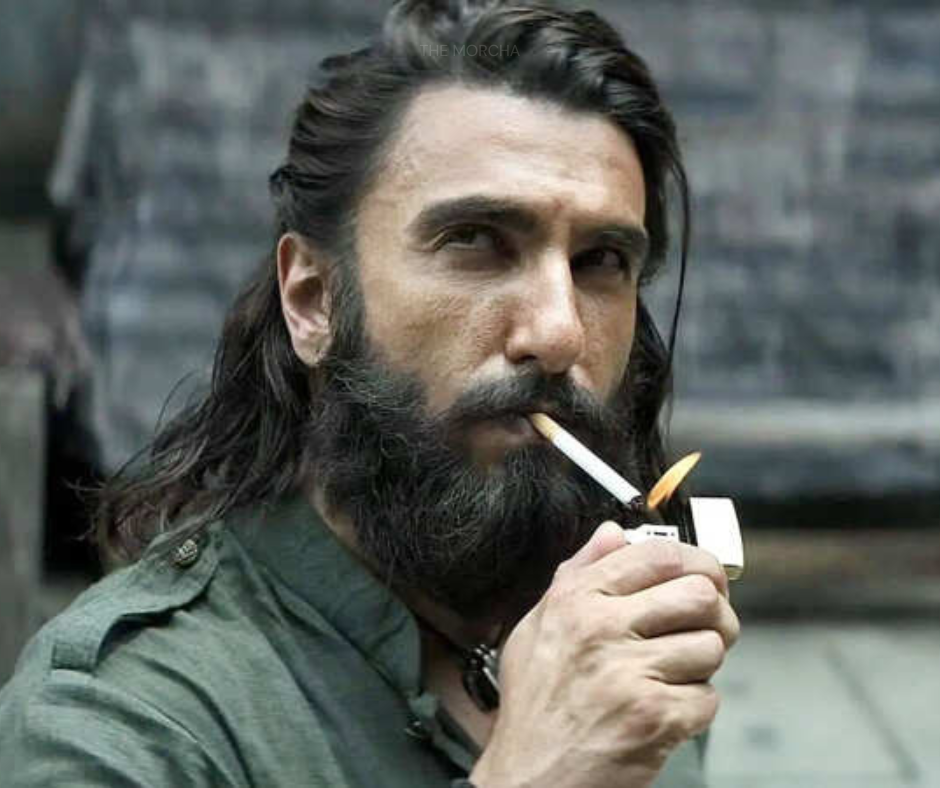
The teaser itself was a high-octane piece of cinema that aimed to build the world of Dhurandhar 2 in a few short seconds. It showed Ranveer Singh in a powerful avatar, with the kind of energy that made it clear the film is not aiming for subtlety. The visuals were gritty, dark, and cinematic—designed to make viewers feel the tension and the stakes of the sequel. The scenes were crafted to give fans a taste of what the film will look like, without revealing too much. But while the visuals were impressive, many people felt the teaser did not offer new content. This created a strange reaction: people loved the style but questioned the substance.
Moreover, the teaser leaned heavily on atmospheric shots—smoke-filled alleys, dramatic lighting, and fast-paced cuts—which made it feel more like a mood board than a narrative preview. The sound design was intense too, with booming music and sudden silence that amplified the dramatic effect. For some viewers, this style was thrilling, as it hinted at a more intense and polished cinematic experience. Yet, for others, it raised the question of whether the film would rely too much on aesthetics rather than story, leaving them eager for a clearer glimpse of the plot.
A New Identity
One of the biggest talking points in the teaser was the transformation of Ranveer Singh’s character. In the first film, his character was already intense, but the sequel seemed to push him into a more dangerous and dominant role. The teaser suggested that he has evolved into a more powerful and ruthless figure, someone who is no longer playing by the old rules. This shift in character created excitement, but it also raised questions about whether the sequel will be darker than the original. Fans began to wonder whether the new identity will be an evolution or a complete transformation.
The teaser also hinted at a deeper emotional shift. The character’s expressions and body language suggested a man who has faced major losses and is now driven by a darker purpose. It looked like he has moved from being reactive to becoming proactive—no longer waiting for events to unfold, but shaping them himself. This change can be thrilling because it signals a bolder storyline, but it also risks making the character less relatable. Some fans fear that a more ruthless version might lose the emotional depth that made the original character so compelling. Yet, others believe this new identity could be the perfect way to show growth, making the sequel even more intense and unpredictable.
Revenge, Power, and Conflict
The teaser hinted at a storyline built on revenge, power struggles, and deep conflict. It suggested that the film will explore themes of dominance, authority, and the consequences of violence. This kind of storyline naturally attracts audiences who love action and drama. It also creates a narrative tension that makes viewers want to know more. However, the teaser didn’t reveal enough plot details, which left some people feeling unsatisfied. They wanted a clearer idea of what the film would be about, and the teaser’s mystery left them guessing.
At the same time, the teaser’s minimal plot information may have been intentional. Filmmakers often use ambiguity to build curiosity, making audiences anticipate the full story without spoiling it. But this strategy can backfire when expectations are already sky-high. Some viewers felt that the teaser focused more on style than substance, making them wonder whether the film would rely heavily on action sequences instead of character development. Still, the hints of revenge and conflict suggest that the sequel could deliver a darker and more intense narrative, where every decision has a cost and every victory comes with consequences. If the film successfully balances action with emotional depth, it could become a powerful continuation of the original story.
Excitement Mixed With Criticism
As soon as the teaser went live, reactions poured in. Some fans praised the visuals, Ranveer Singh’s presence, and the overall intensity. Others, however, expressed disappointment, saying that the teaser felt like a recycled version of what they had already seen. This kind of reaction is common in today’s internet culture, where expectations are extremely high and audiences demand novelty. When a teaser doesn’t exceed expectations, the backlash can be harsh. This created a moment of mixed emotions: the teaser was exciting, but not everyone felt it was worth the hype.
The split reaction also highlighted how passionate the fan base is. For many viewers, Dhurandhar is more than a film; it’s a cultural phenomenon, and the sequel carries the weight of that legacy. Some fans felt betrayed because they expected a bold new direction, while others defended the teaser, saying it was just a small glimpse and should not be judged too harshly. Social media became a battleground of opinions, with debates and heated discussions spreading across platforms. In the end, the teaser managed to keep the film in the conversation, even if the conversation was not entirely positive. That alone can be considered a win in a world where attention is the most valuable currency.
The Viral Hashtags and Online Trends
The teaser’s release quickly became a trending topic on social media, with hashtags that captured both excitement and criticism. Some hashtags celebrated Ranveer’s energy and the film’s style, while others expressed frustration and disappointment. The online conversation became a mix of praise and skepticism, which shows how divided the audience is. This kind of split reaction is important because it reveals how much pressure big films face today. When a film has a huge fan base, every update becomes a public event, and the reactions can become unpredictable.
What Fans Expected
Fans expected the teaser to give them something new—something they hadn’t already imagined. After the success of the first film, the audience wanted the sequel to feel bigger, stronger, and more powerful. They wanted a teaser that would create a lasting impression and make them feel genuinely excited. When the teaser didn’t fully deliver on that expectation, the disappointment was noticeable. It wasn’t that the teaser was bad—it was just that the audience’s expectations were so high that anything less than extraordinary felt underwhelming.
In addition, fans had already built their own ideas and theories about the sequel, which made them more demanding. Many had imagined a more shocking twist, a new villain, or a glimpse of a major action sequence. When the teaser did not show these elements, some fans felt their imagination was left unfulfilled. This is the risk of building too much hype: the audience’s own anticipation becomes the benchmark.
The Teaser’s Purpose
Teasers are meant to build momentum, not just show scenes. They are supposed to create excitement and generate curiosity. In this case, the teaser did create momentum, but it also created controversy. The film’s marketing team wanted to make a bold statement, and they succeeded in doing so—but the success was mixed. The teaser built anticipation, but it also forced the film to defend itself in the court of public opinion. This is the double-edged nature of modern film marketing: the more attention you get, the more scrutiny you face.
In the age of instant reactions, every promotional move becomes a public event. Even a few seconds of footage can trigger debates, memes, and widespread criticism. The teaser’s ambiguous nature meant that viewers had to interpret it themselves, which led to different opinions and heated discussions. For the marketing team, this means the next steps must be carefully planned to steer the narrative back to the film’s strengths rather than the controversy. A well-timed follow-up release could turn the tide and reinforce the excitement.
The FIR Against the Location Manager
While the teaser was trending, a real-world issue began to overshadow the film’s promotional momentum. Reports emerged that Mumbai Police had registered an FIR against the film’s location manager for allegedly flying a drone without permission in a sensitive area. This news immediately captured attention because it wasn’t just a normal production problem—it was a legal issue.
The controversy made headlines because it raised questions about the film’s compliance with rules and regulations. It also made people wonder if the film’s release would be affected. The incident sparked intense debate online, with many viewers criticizing the production team for negligence, while others defended them by saying such issues can happen during complex shoots.
Why the Drone Issue Matters
Drones are commonly used in film production to capture aerial shots. But they also come with strict regulations, especially in high-security areas. The Fort area of Mumbai is known for being a sensitive zone, and flying drones without permission can be seen as a security risk. This means that film crews must obtain proper clearances before using drones. When the FIR was filed, it suggested that these rules may not have been followed. The issue wasn’t about filmmaking—it was about safety and compliance. And in today’s world, those factors matter a lot. Beyond legal consequences, such incidents can also damage the reputation of the production and lead to public distrust, especially when security concerns are involved.
The Legal Implications
The FIR was reportedly filed under a section related to disobeying lawful orders. This means the authorities believe that proper permissions were not obtained. This kind of legal issue can have serious consequences for a film production. It can lead to delays, increased scrutiny, and potential penalties. Even if the case is resolved quickly, the controversy can still impact public perception. The film’s team will need to manage the situation carefully to ensure that the controversy doesn’t overshadow the film itself.

Legally, the case can also affect the production’s future permissions. Authorities may impose stricter rules on the crew, requiring additional approvals for further shoots or aerial shots. Insurance companies may also become cautious, which could increase costs. In some cases, unresolved legal issues can impact the film’s release schedule or even its distribution plans. The team may have to hire legal counsel to handle the case, respond to the police inquiries, and maintain transparency with the public. Ultimately, the production must show that it respects the law while continuing to create the film.
The Production’s Response and Public Image
At this stage, the film’s production team has not confirmed any major setbacks due to the FIR. However, the public reaction is already shaping the narrative. People are discussing whether the film’s team acted irresponsibly or whether it was a simple oversight. In the world of cinema, perception is everything. Even a small controversy can affect how audiences view the film.
The team must now work on protecting the film’s image while continuing production. It is a delicate balance between managing legal issues and keeping the audience excited. The production may also need to engage in damage control through public statements, clarifications, or controlled media interactions to reassure fans and authorities alike.
The Future of the Film’s Release
Despite the FIR, the film is still scheduled for release. However, the situation raises questions about whether there will be delays or changes in the marketing strategy. If the legal matter escalates, the film’s schedule could be impacted. The film’s team will likely take steps to ensure compliance and avoid further controversy. They may also adjust their promotional plans to shift focus back to the film’s content rather than the controversy. The next few weeks will be crucial for the film’s success.
Why Fans Are So Invested
The reason this film has such a strong audience reaction is because Dhurandhar is not just a film—it is a franchise. The first film was a major success, and fans feel emotionally connected to the story and characters. When a sequel is announced, fans expect it to deliver a bigger and better experience. This makes the stakes higher than usual. The film is not only competing with other films—it is competing with the fans’ expectations. That is why even a small disappointment can lead to a big reaction.
In addition, the first film built a world that audiences wanted to revisit. People grew attached to the characters, their motivations, and the film’s unique style. Fans also discuss theories, imagine plot twists, and create fan art, which strengthens their emotional bond. When the sequel teaser didn’t meet these high expectations, the disappointment was amplified. Fans are not just viewers—they are part of the franchise’s community, and they want the next installment to feel worthy of the legacy.
The Power of Social Media in Shaping Film Narrative
In today’s world, social media has the power to shape a film’s narrative before it even releases. The audience can influence how a film is perceived through reactions, reviews, and trending topics. In this case, the teaser’s mixed response and the FIR controversy became a combined story. People were not just talking about the film—they were talking about the film’s image, its responsibility, and its future. This shows how modern film marketing is no longer controlled only by the film’s makers—it is influenced by public opinion as well.
Platforms like X, Instagram, and YouTube can amplify a single opinion into a widespread trend, and the speed of these platforms means the narrative can change in hours. This dynamic environment forces filmmakers to stay alert and respond quickly to public sentiment.
Can the Film Regain Momentum?
The big question now is whether the film can regain its momentum. The teaser created excitement, but the controversy diverted attention. To regain momentum, the film needs a strong promotional strategy, clear communication, and a focus on its strengths. The team must remind audiences why Dhurandhar 2 is worth watching. They may release more content, such as songs, character posters, or behind-the-scenes footage, to re-engage fans.
The film still has a chance to turn the situation around if the team manages the narrative well. They could also use interviews, fan events, and controlled media interactions to address concerns and restore confidence. A well-planned marketing push can shift the conversation back to the film’s story and action rather than the controversy.
Momentum vs. Mayhem
In the end, Dhurandhar 2 finds itself in a situation where momentum and mayhem are fighting for control. The teaser created a wave of excitement, but the FIR introduced a serious legal issue. The film now has a dual challenge: to deliver a cinematic experience that meets fan expectations and to handle a legal controversy that threatens its image.

Whether Dhurandhar 2 will overcome this and become a success depends on how well the team manages both the film and the narrative. For now, the movie remains one of the most talked-about topics—because it is not only a film, but a cultural event that has captured the public’s attention in multiple ways.