
Black Day The Pulwama Attack carried out on 14 February 2019 is remembered as one of the deadliest terrorist incidents in modern Indian history. This day has since been observed as a “Black Day” in India to honor the sacrifice of security forces and to condemn acts of terrorism that threaten peace and national security. The attack left a lasting impact on the nation’s collective memory and significantly influenced India’s policy on counter-terrorism.
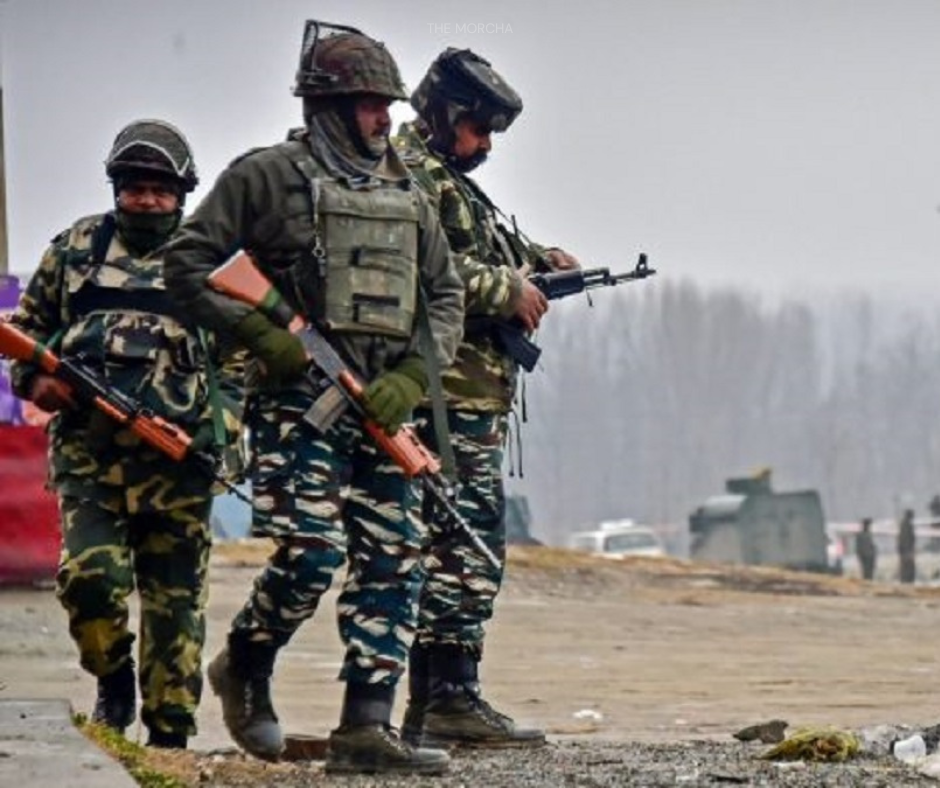
Table of Contents
Context and Background
Jammu and Kashmir, India’s northernmost state, has been a hotspot of militancy and cross-border tensions for decades, owing to its strategic location along the India-Pakistan border and its complex political history. The region has witnessed repeated insurgencies, armed conflicts, and infiltration attempts from across the border, creating a persistent threat to peace and stability. Pulwama district, situated along the crucial Srinagar-Jammu highway, has historically been vulnerable to terrorist activity due to its proximity to remote mountainous areas that provide hideouts for militants.
The district has experienced several small-scale attacks in the past, ranging from ambushes to IED blasts targeting security convoys. Despite the presence of multiple security checkpoints, intelligence agencies, and counter-insurgency operations, militants have often exploited gaps in security infrastructure. These conditions, combined with local grievances, made the region susceptible to high-casualty attacks such as the tragic incident of 14 February 2019, highlighting the ongoing challenges faced by Indian security forces in maintaining law and order.
Date and Significance
The attack occurred on 14 February 2019, a day internationally celebrated as Valentine’s Day, which added a tragic irony to the event. While the world was marking a day of love and celebration, the Pulwama district witnessed one of the deadliest terror attacks in recent Indian history. The targeting of a convoy of CRPF personnel on this day shocked the nation, making the incident stand out not only for its scale but also for the symbolic timing.
Since then, 14 February has been observed as a “Black Day” in India, serving as a solemn reminder of the sacrifices made by security personnel in the line of duty. This observance emphasizes national resilience and awareness, urging citizens to remember the persistent threat of terrorism and the need for vigilance, unity, and unwavering support for those who safeguard the country’s peace and security.
The Target
The primary target of the Pulwama attack was a convoy of the Central Reserve Police Force (CRPF), which was traveling from Jammu to Srinagar as part of routine troop movement. The CRPF is India’s largest paramilitary force, with a crucial mandate to maintain law and order, counter insurgency operations, and provide internal security across conflict-affected regions of the country, particularly in Jammu and Kashmir. On that fateful day, the convoy was transporting over 70 personnel, all part of the 176th battalion, who were on their way to assume duty in the Kashmir Valley.
Militants deliberately chose this high-profile target because the CRPF represents India’s frontline defense against terrorism in the region. The convoy route along National Highway 44, though heavily monitored and guarded with multiple checkpoints, became the site of a devastating attack, underscoring the vulnerability even of highly trained security forces and the tactical planning carried out by the perpetrators.
Method of Attack
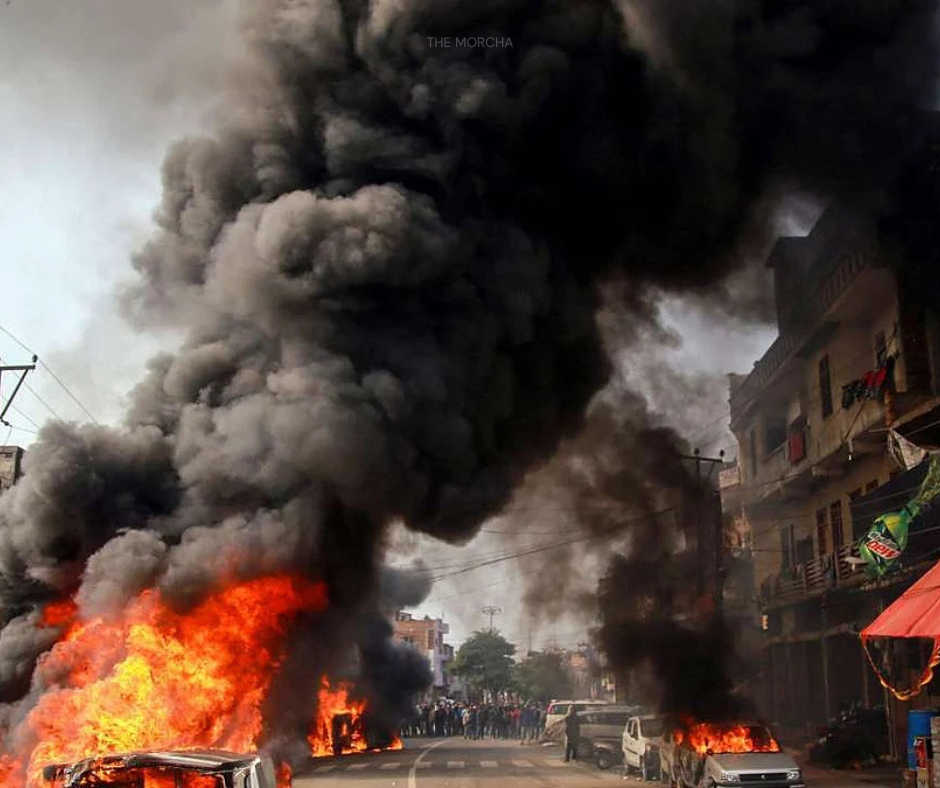
The Pulwama attack was executed with meticulous planning and extreme ruthlessness, using a suicide bomber driving a vehicle rigged with explosives. The attacker deliberately targeted a convoy of CRPF personnel traveling along the Srinagar-Jammu highway, choosing a location where the vehicles were tightly grouped, maximizing potential casualties. The bomber accelerated the explosive-laden vehicle and rammed it directly into one of the CRPF buses, resulting in a massive explosion that destroyed several vehicles and created chaos along the highway.
The blast was so powerful that it caused widespread destruction and immediately claimed numerous lives, while many others suffered severe injuries. This method of attack highlighted the terrorists’ willingness to employ extreme measures, sacrificing their own lives to inflict maximum damage. It also exposed vulnerabilities in convoy security and emphasized the need for enhanced preventive measures and intelligence-based interventions to counter such highly coordinated acts of terrorism.
The Casualties
The Pulwama attack resulted in a tragic loss of 40 CRPF personnel, making it one of the deadliest attacks on Indian security forces in recent history. Many of the victims were young jawans who had been deployed in the Kashmir Valley to maintain peace and security, highlighting the human cost of terrorism. Dozens of others sustained serious injuries, with some fighting for their lives in nearby hospitals. The suicide bomber, later identified as Adil Ahmad Dar, also died in the explosion, completing the devastating act.
The scale of the casualties sent shockwaves across the country, evoking grief, anger, and disbelief among citizens and government officials alike. Families of the fallen jawans were left devastated, and their sacrifice became a powerful reminder of the dangers faced daily by those serving in conflict zones. Nationwide, people expressed solidarity through vigils, social media tributes, and memorial ceremonies honoring the brave personnel.
Responsibility Claimed
The Pulwama attack was claimed by the Pakistan-based militant group Jaish-e-Mohammed (JeM), an extremist organization with a long history of conducting violent operations against Indian security forces. Founded in the early 2000s, JeM has been responsible for multiple high-profile attacks in Jammu and Kashmir, aiming to destabilize the region and further its ideological agenda. The group openly took responsibility for the attack through online statements and media outlets, praising the act as a “martyrdom operation.”
The Pulwama incident, however, was notably one of the deadliest attacks in its operational history, targeting a large convoy of CRPF personnel in a calculated act designed to cause maximum casualties. India condemned the attack and accused Pakistan of providing support and safe havens to such terrorist organizations, a claim denied by Islamabad. The attack underscored the persistent threat of cross-border terrorism and the challenges faced by Indian authorities in combating well-organized militant networks.
India’s Response
In the aftermath of the Pulwama attack, India responded firmly and decisively, condemning the act as a heinous terrorist strike against its security forces. The Indian government held Pakistan accountable for supporting cross-border terrorism, emphasizing that groups like Jaish-e-Mohammed operate from Pakistani soil with tacit support. Diplomatic measures were immediately initiated, including summoning the Pakistani envoy, lodging formal protests at international forums, and urging global powers to take notice of Pakistan’s role in harboring terrorist organizations.
Economically, India revoked Pakistan’s Most Favoured Nation (MFN) trade status, raising customs duties on Pakistani imports to signal its strong disapproval. The government also tightened security across vulnerable regions and instructed intelligence agencies to step up monitoring of militant activities. Publicly, political leaders expressed solidarity with the CRPF and called for nationwide unity against terrorism, reinforcing the message that India would not tolerate attacks on its sovereignty or its armed forces.
Military Action: Balakot Strikes
In a strong and unprecedented response to the Pulwama attack, the Indian Air Force (IAF) conducted precision airstrikes on 26 February 2019 in Balakot, Pakistan, targeting training camps allegedly operated by Jaish-e-Mohammed (JeM). These camps were believed to be responsible for planning and executing cross-border terrorist operations against India. The Balakot strikes were significant because they marked one of the first times India conducted a direct, overt cross-border military action in response to a terrorist attack, signaling a new level of strategic assertiveness.
The airstrikes aimed to dismantle militant infrastructure, disrupt operational planning, and send a clear message that attacks on Indian security forces would not go unanswered. The operation also intensified diplomatic exchanges between India and Pakistan, with both nations heightening military alertness along the border. The Balakot strikes underscored India’s commitment to national security and its willingness to take decisive action against terrorism.
Observance of Black Day
Since the tragic Pulwama attack, 14 February has been observed as Black Day across India, serving as a solemn reminder of the lives lost and the sacrifices made by the CRPF personnel. On this day, citizens, government institutions, and security forces come together to honor the bravery and dedication of the jawans who laid down their lives in the line of duty. Schools and colleges often organize special assemblies, essay competitions, and awareness programs to educate students about the consequences of terrorism and the importance of national security.
Offices and public institutions also hold commemorative events, including candlelight vigils, floral tributes, and moments of silence. Social media campaigns have further helped to amplify public remembrance and solidarity, ensuring that the memories of the martyrs reach a wider audience. The observance of Black Day not only commemorates the tragedy but also strengthens national unity and resolve against terrorism, reinforcing the message that such acts of violence will never break India’s spirit.
Memorials and Tributes
In the wake of the Pulwama attack, numerous memorials and tributes have been established across India to honor the bravery and sacrifice of the fallen CRPF personnel. These memorials serve as enduring reminders of the lives lost while protecting the nation from terrorism. Ceremonies are organized annually, where government officials, security forces, and civilians come together to pay homage through floral tributes, moments of silence, and wreath-laying events. Schools and universities sometimes organize educational programs highlighting the courage and dedication of the martyrs, inspiring younger generations to appreciate the sacrifices made for national security.
The families of the deceased jawans are often invited to these commemorations, providing them with moral support and recognition for their loved ones’ ultimate sacrifice. Beyond physical memorials, digital tributes on social media, documentaries, and news features also keep the memory of the martyrs alive. These acts of remembrance reflect the nation’s collective respect, gratitude, and commitment to honoring those who gave their lives in service of the country.
National Outrage and Unity
The Pulwama attack evoked immense nationwide anger and grief, uniting citizens across India in condemnation of the heinous act. People from all walks of life, irrespective of religion, region, or background, expressed solidarity with the families of the fallen CRPF personnel, offering support, condolences, and respect. Across cities and towns, candlelight vigils, public gatherings, and peaceful demonstrations were held to honor the martyrs and denounce terrorism. Social media played a key role in amplifying public sentiment, with campaigns, hashtags, and tributes spreading awareness about the sacrifices of the jawans and the ongoing threat posed by militant groups.
Political leaders, celebrities, and ordinary citizens alike joined in expressing grief and demanding accountability. This collective response not only provided moral support to the bereaved families but also reinforced a sense of national unity, resilience, and shared resolve against terrorism, sending a clear message that attacks on India’s security forces would never weaken the nation’s spirit.
International Attention
The Pulwama attack captured global attention, highlighting the severity of cross-border terrorism in South Asia. Several countries, including the United States, United Kingdom, France, and members of the European Union, strongly condemned the attack and expressed their condolences to India for the loss of its brave security personnel. International organizations, such as the United Nations, also called for restraint, urging both India and Pakistan to maintain peace while addressing terrorism.
The incident sparked discussions at diplomatic forums about the need for coordinated international efforts to combat terrorism and prevent militant groups from operating across borders. Many foreign governments emphasized the importance of holding terrorist organizations accountable and cutting off their funding, training, and safe havens. The global attention reinforced India’s stance that terrorism is a universal threat, requiring worldwide cooperation and vigilance to ensure regional stability and security.
Impact on India-Pakistan Relations
The Pulwama attack had a profound impact on India-Pakistan relations, significantly increasing tensions between the two neighboring countries. Diplomatic ties were severely tested, with India taking a firm stance that Pakistan was providing support and safe havens to terrorist groups like Jaish-e-Mohammed, which carried out the attack. In response, India downgraded diplomatic engagement, withdrew its high commissioner, and imposed economic measures such as revoking Pakistan’s Most Favoured Nation (MFN) trade status.
The incident also led to heightened military alertness along the border, with both countries placing their armed forces on high readiness, creating fears of escalation. The attack underscored the fragile nature of peace in South Asia and highlighted the ongoing challenges of cross-border terrorism, border security, and diplomacy. It became a pivotal moment, shaping subsequent policy decisions, security strategies, and international perceptions of the region.
Media Coverage
The Pulwama attack received extensive coverage from both Indian and international media, emphasizing the scale of the tragedy and its impact on national security. Indian news channels, newspapers, and online platforms provided minute-by-minute updates on the number of casualties, rescue operations, and government responses. International media outlets also reported the attack widely, focusing on the cross-border implications and the rising tensions between India and Pakistan. The coverage highlighted the bravery and sacrifices of the CRPF personnel, bringing their heroism to the forefront of public consciousness.
Additionally, the media extensively analyzed the political and military responses, including diplomatic measures and the Balakot airstrikes, shaping public opinion and national discourse. Social media amplified these reports, allowing citizens to express solidarity, grief, and outrage. Overall, media coverage played a crucial role in informing the public, sustaining awareness, and reinforcing the narrative of resilience and unity in the face of terrorism.
Lessons Learned
The Pulwama attack served as a stark wake-up call for India’s security and intelligence agencies, highlighting several critical vulnerabilities in national defense and counter-terrorism strategies. One major lesson was the urgent need for enhanced intelligence gathering and improved coordination between central and state agencies to detect threats before they materialize. The attack also emphasized the importance of better convoy security, including advanced surveillance, route planning, vehicle armor, and rapid response mechanisms, to protect personnel in high-risk zones.
Additionally, it underscored the necessity of strict monitoring of militant groups, their financing, training, and cross-border movements, particularly those operating from neighboring countries. The incident also encouraged policymakers to re-evaluate counter-terrorism protocols, integrate technology such as drones and real-time intelligence platforms, and increase training for security forces in anticipating asymmetric attacks. Overall, the tragedy reinforced the lesson that continuous vigilance, preparation, and proactive measures are essential to prevent similar attacks in the future.
Legacy of the Martyrs
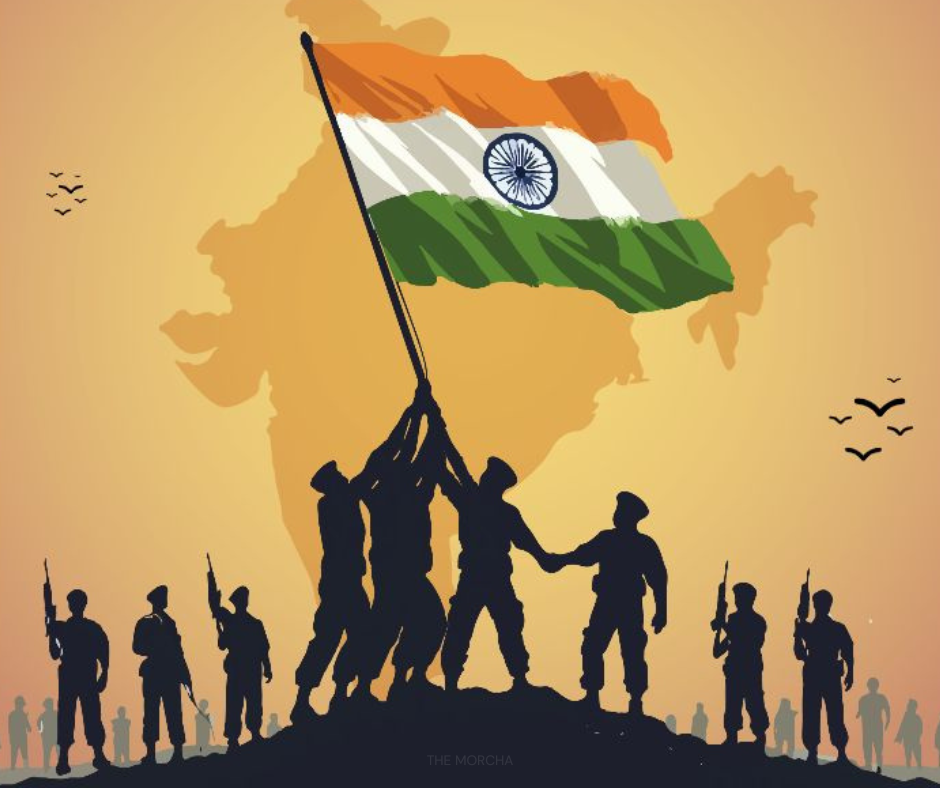
The bravery and ultimate sacrifice of the CRPF personnel in the Pulwama attack have become enduring symbols of courage, patriotism, and dedication in the face of terrorism. These martyrs are remembered not only for their service but also for their unwavering commitment to protecting the nation, even at the cost of their lives. Their heroism has inspired countless citizens, especially young people, to appreciate the challenges and dangers faced by security forces in conflict zones.
Annual commemorations, memorials, and public tributes ensure that their legacy remains alive, fostering a sense of respect and gratitude nationwide. The Pulwama attack is remembered not just as a tragic event but as a testament to the resilience, professionalism, and selflessness of India’s armed forces, strengthening national resolve to combat terrorism and uphold the values of security and peace.
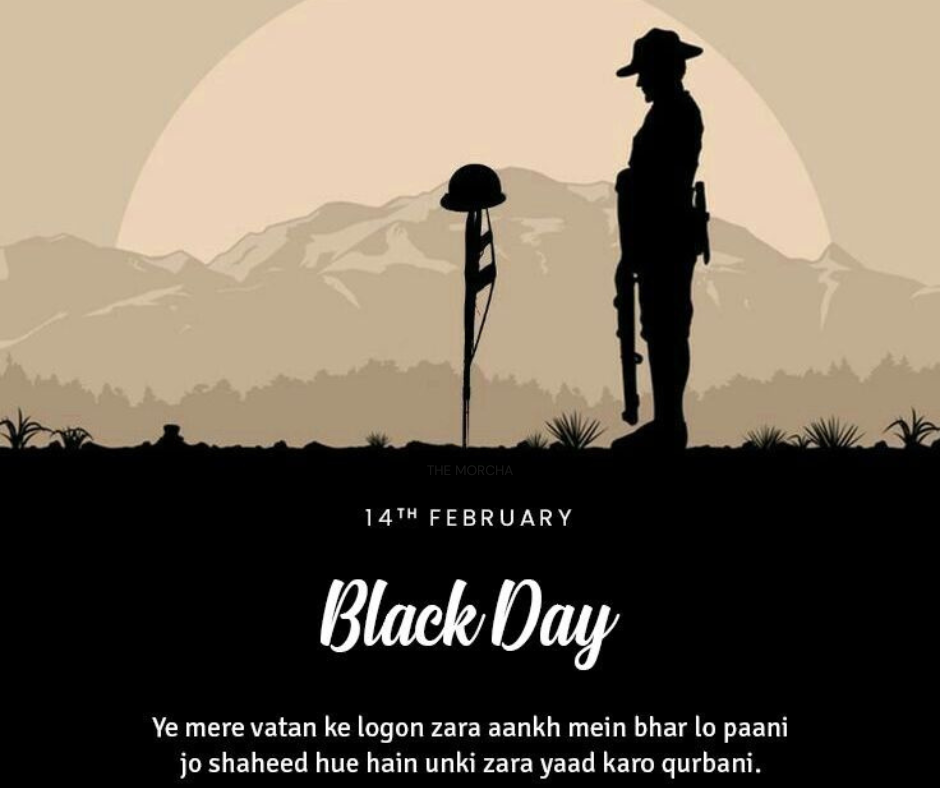
The Pulwama Attack remains etched in India’s collective memory as a day of sorrow and resilience. Observing it as a “Black Day” reminds the nation of the ongoing fight against terrorism and the ultimate sacrifice made by the soldiers who protect the country. The incident continues to inspire both vigilance and unity in the pursuit of peace and security.