
Beyond the Map: Hidden Worlds, Unsolved Mysteries, and Strange Places on Earth
kushal6 min read
Every day, millions of people scroll past satellite photos, skim history textbooks, and commute along familiar roads, believing that the modern world has been thoroughly charted and explained. Yet our planet still holds pockets of shadow where ordinary rules seem to bend. From subterranean caverns that harbour isolated ecosystems to vanished civilisations and eerie landscapes that baffle scientists, the Earth remains full of stories that refuse neat conclusions.
This blog brings together hidden worlds, unsolved mysteries, strange places, interesting facts, and historical secrets—written fresh for curious minds who love looking a little closer at the world around them.
1. Hidden Worlds Beneath Our Feet and Beyond the Horizon
When we picture hidden worlds, our imagination often leaps to outer space, even though some of the strangest realms exist right here under our boots or miles below the ocean surface.
Subterranean Realms and Living Time Capsules
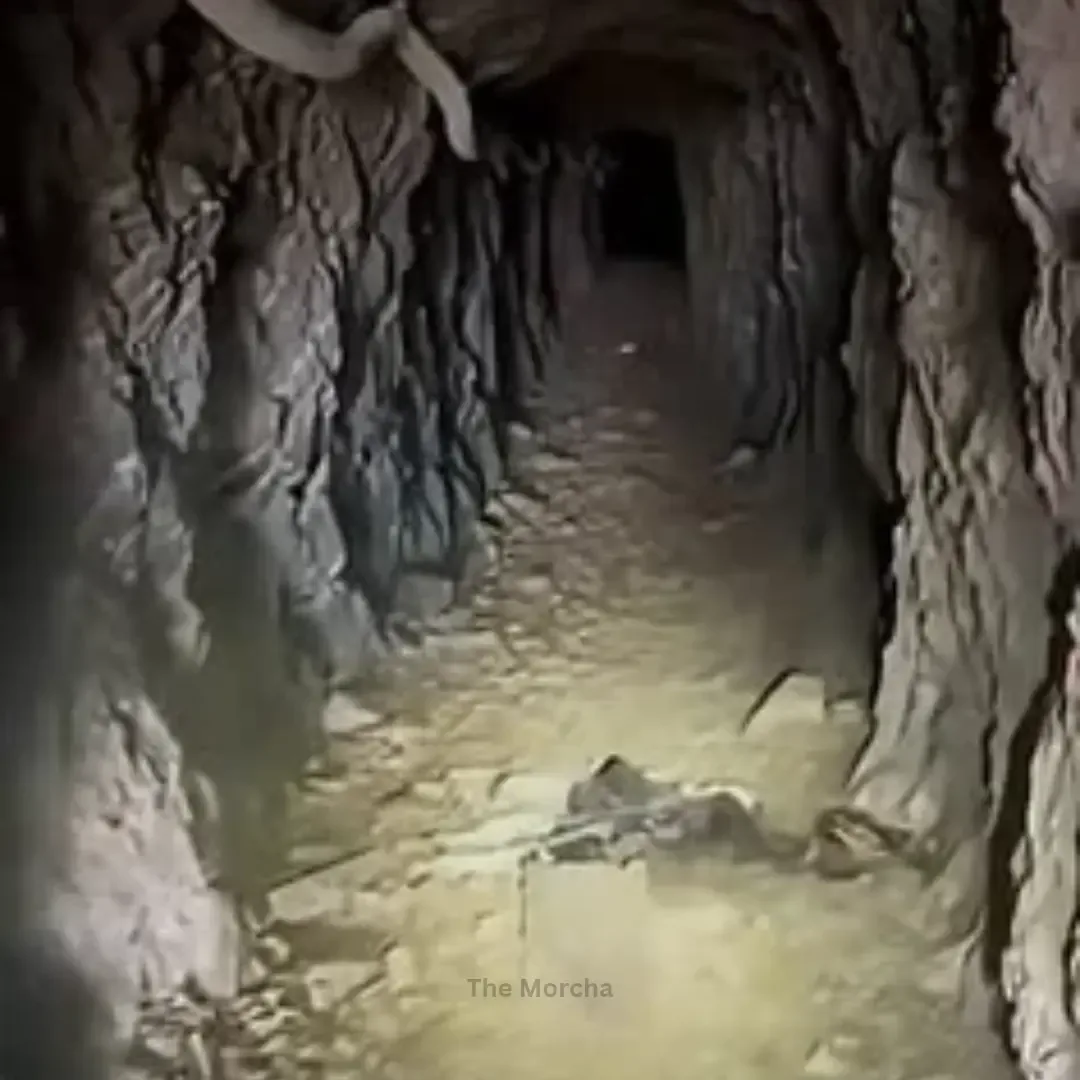
Deep underground, limestone caves carved over millions of years create environments completely cut off from sunlight. In places like Mexico’s Cave of Crystals or vast karst networks across Southeast Asia and Europe, temperature, humidity, and mineral chemistry remain nearly constant. Organisms that adapt to these dark chambers often lose pigment and eyesight, relying instead on chemical energy or subtle vibrations. To a surface dweller, stepping into a cave system lit only by a headlamp feels like entering another planet where time has slowed down.
Equally fascinating are subglacial lakes buried beneath kilometres of ice in Antarctica, such as Lake Vostok. Sealed away from the atmosphere for millions of years, these liquid pockets sit under immense pressure while staying unfrozen thanks to geothermal heat from the Earth’s crust and the insulating blanket of ice above. Studying them helps researchers understand how life might survive on icy moons elsewhere in the solar system.
Sky Islands and Isolated Ecosystems
Not all hidden worlds are underground. High-altitude plateaus and steep, isolated mountain peaks—often called sky islands—rise out of surrounding valleys or jungles like ecological islands in the sky. Because crossing hot lowlands or sheer cliffs is difficult for many species, plants, insects, and small animals on these summits can evolve along unique paths. Every new expedition into a remote cloud forest or canyon reminds us that biodiversity is still being discovered in corners that look unreachable on a standard map.
Hidden Realm TypeTypical LocationWhat Makes It ExtraordinaryDeep Cave SystemsKarst regions worldwidePitch-dark ecosystems, giant mineral formations, stable microclimatesSubglacial LakesBeneath thick ice sheets (e.g., Antarctica)Liquid water trapped under heavy ice and high pressure for agesSky IslandsIsolated mountain tops and plateausDistinct evolutionary pockets separated by tough terrainAbyssal TrenchesDeep ocean floorExtreme pressure, near-freezing temperatures, bioluminescent life
2. Unsolved Mysteries That Still Stump Experts
A mystery earns its staying power when clues are plentiful, yet the final piece of the puzzle keeps slipping away. Even with modern forensics, sonar, and data analysis, several real-world enigmas continue to spark debate.
Vanished Expeditions and Ghostly Voyages
History is dotted with ships, aircraft, and explorers that set out with careful planning and simply never came back—or turned up under baffling circumstances. Sometimes weather charts, mechanical failures, and human error explain part of the picture, while missing flight recorders or deep-water terrain hide the rest. What keeps these stories alive is the contrast between meticulous preparation and sudden silence.
Strange Signals and Unexplained Phenomena
From sudden booms heard over coastal towns with no visible aircraft nearby to odd radio bursts or peculiar lights in remote skies, unexplained phenomena sit right at the intersection of science and scepticism. Researchers usually start by checking atmospheric acoustics, seismic activity, reflections, or man-made equipment. When those boxes are ticked and something still doesn't quite add up, curiosity naturally takes over.
The best mysteries aren't fairy tales; they are ordinary-looking puzzles where the evidence points in two directions at once and nobody has the full picture yet.
3. Strange Places That Look Like Another Planet
You don't need a rocket ship to see landscapes that look surreal. Earth has plenty of locations where geology, climate, or human history created scenery that feels almost theatrical.
Salt Flats, Surreal Deserts, and Eerie Forests
Vast Salt Flats: When a thin layer of water covers a flat expanse of salt, the ground turns into a giant mirror reflecting the sky above, erasing the line between horizon and earth.
Twisted and Crooked Groves: Certain patches of woodland feature trunks that curve sharply near the base or grow in unusually dense, eerie shapes. Botanists point to factors like soil conditions, wind, genetics, or past land use, yet walking through such a grove still feels uncanny.
Geothermal Basins and Coloured Pools: Boiling mud pots, steaming vents, and mineral-rich hot springs tinted bright orange, green, or blue show how restless the Earth's crust really is beneath a quiet-looking surface.
Abandoned Towns and Forgotten Transit Routes
Places left behind after a mine closes, a dam fills a valley, or a rail line is rerouted carry a quiet, heavy atmosphere. Nature moves in fast—roots pry apart paving stones, rust claims metal frames, and wind whistles through empty windows. These spots aren't haunted in a spooky movie sense, yet they hold a strong emotional pull because they freeze a moment when everyday life abruptly stopped.
4. Interesting Facts You Probably Didn't Learn in School
School curricula have to cover a lot of ground quickly, so quirky details often get left on the cutting room floor. Here are a few everyday realities that sound surprising once you pause to think about them:
Time isn't strictly uniform everywhere: Factors like altitude and gravity subtly affect how clocks measure time—a classic reminder that the universe is stranger than our wristwatch suggests.
Maps carry built-in bias: Because projecting a round globe onto a flat sheet always involves trade-offs, different map styles stretch or shrink regions in ways that shape how people visualise distances.
Languages leave fingerprints in landscapes: River names, mountain passes, and old village titles often preserve words from earlier settlers long after the original language faded from daily use.
Weather has wild local extremes: A single mountain range can block rain clouds so effectively that one side stays lush and green while the other side a few dozen kilometres away remains dry.
5. Historical Secrets Buried in Plain Sight
History isn't just kings, treaties, and dates in a margin. Often, the most intriguing historical secrets are hidden inside everyday objects, old trade routes, or stories that were reshaped as empires rose and fell.
Lost Trade Networks and Forgotten Crafts
Long before modern highways or digital banking, merchants moved spices, metals, textiles, and ideas across deserts, mountains, and seas. Occasionally, archaeologists uncover coins, pottery, or inscriptions far from where they were made, revealing connections between distant cultures that seemed isolated on paper. Just as intriguing are lost crafts—techniques for making specific pigments, alloys, or architectural mortars that took generations to master and were later forgotten when cheaper methods arrived.
Palimpsests, Ciphers, and Rewritten Records
Paper and parchment were expensive in the past, so scribes sometimes scraped or washed ink off an old manuscript to reuse the sheet—creating a palimpsest where faint traces of earlier writing survive underneath. Modern imaging techniques can sometimes bring those hidden lines back into view. In other cases, historical secrets survive in coded letters, diaries, or official accounts written to protect family reputations, hide contraband routes, or flatter a ruler. Reading history critically means asking not only what was written down, but also what was left out.
Why Curiosity Still Matters
In an era when almost any question can get an instant answer on a screen, it is tempting to think there is nothing left to wonder about. Yet hidden worlds, unsolved mysteries, strange places, interesting facts, and historical secrets prove the opposite. Every answer we uncover usually opens two new doors.
Staying curious doesn't mean believing every wild rumour online. It means keeping an open, observant mind, checking facts carefully, and enjoying the thrill of realising how big, layered, and surprising our world still is.
Which of these themes pulls you in the most—hidden natural worlds, unsolved mysteries, strange places, or historical secrets?