
Australia vs Zimbabwe clash in the 2026 ICC Men’s T20 World Cup continues to captivate cricket fans worldwide at the iconic R. Premadasa Stadium in Colombo, Sri Lanka. With a mix of seasoned veterans, young talent, and players returning from injury, the match promises intensity, tactical depth, and unpredictable moments. Australia, the tournament favourites, have won the toss and elected to bowl, while Zimbabwe, riding the confidence of a solid opening victory, aim to upset the giants and climb the Group B table.

The stakes are high, not only for tournament progression but also for team morale and momentum. Fans eagerly anticipate spectacular batting, strategic bowling, and sharp fielding, as both sides look to exploit strengths and seize key moments. Every over, boundary, and wicket could shape the outcome, making this clash a potential thriller that may influence standings and set the tone for the Super Eight stage.
Table of Contents
Match Overview and Significance
This 19th match of Group B holds tremendous importance for both sides. Australia looks to consolidate its top position with a second win, while Zimbabwe aims to prove their potential against a world-class opponent. The match is scheduled for Friday, 13 February 2026, beginning at 11:00 AM IST, and will be broadcast globally across multiple platforms, allowing fans worldwide to follow every moment. Its significance is amplified by team dynamics, injury updates, and strategic decisions that will influence the outcome and possibly the teams’ confidence heading into subsequent matches.
Beyond the immediate results, this game carries broader implications for Super Eight qualification, as both teams are eager to secure momentum early in the tournament. Australia, balancing injuries with returning players, will aim to maintain consistency, while Zimbabwe will rely on tactical ingenuity and youthful energy to challenge the favorites. The clash promises high-intensity cricket, dramatic moments, and potential match-defining performances from key players.
Venue Insights: R. Premadasa Stadium, Colombo
The R. Premadasa Stadium is one of Sri Lanka’s most iconic cricket venues, renowned for hosting high-profile international matches, including World Cup fixtures and ICC tournaments. Its batting-friendly surface allows stroke-makers to play freely early on, with predictable bounce that benefits technically sound batsmen. However, as the match progresses, the pitch tends to assist spinners, creating opportunities for wicket-taking through subtle turn and variations in flight and pace. Teams chasing totals often have a slight psychological advantage, as the wicket remains relatively true, allowing batters to pace their innings and calculate risks effectively.
Early swing and seam movement, particularly in the first six overs, can give disciplined bowlers an edge, making the toss and bowling strategies crucial. The tropical climate of Colombo adds another layer of challenge, with heat and humidity testing player endurance, hydration, and focus. Fielding can also become demanding under these conditions, making stamina management an essential component for both sides.
Toss Outcome and Tactical Decisions
Winning the toss, Australia elected to bowl first, signaling confidence in their versatile bowling unit and a deliberate strategy to exploit early pitch movement, including swing and seam. By choosing to bowl, Australia ensures they can apply pressure on Zimbabwe’s top order right from the powerplay, attempting to take early wickets and slow the scoring rate. Bowling first also allows the Australian captain, Travis Head, to better plan bowling rotations, deploy spinners effectively, and adapt to in-game conditions, such as dew or pitch deterioration, as the innings progresses.
On the other hand, had Zimbabwe won the toss and chosen to bat, their focus would likely have been on posting a challenging total, capitalizing on the batting-friendly surface early in the innings. Setting a competitive target could have forced Australia to adapt their chase under pressure, potentially exposing middle-order vulnerabilities. This toss decision not only impacts immediate tactics but could influence momentum and psychological advantage throughout the match.
Australia’s Campaign So Far
Australia began their 2026 T20 World Cup campaign with a commanding victory over Ireland, setting the tone for what they hope will be a deep run in the tournament. The team showcased its depth and versatility across both batting and bowling, with top-order consistency complemented by explosive finishers in the middle and lower order. The bowling unit, featuring a mix of pace and spin, demonstrated discipline and strategic adaptability, keeping the opposition under pressure throughout the innings. Despite facing injuries to key players in prior matches, Australia’s bench strength and squad management allowed seamless substitutions, ensuring the team’s momentum remained uninterrupted.

Captain Travis Head provided calm leadership, while Glenn Maxwell and Cameron Green contributed game-changing performances with bat and ball. Emerging talents and returning players, such as Tim David, have further strengthened the side, offering flexibility in batting order and bowling combinations. Overall, Australia’s campaign so far reflects strategic planning, squad depth, and adaptability, positioning them as strong contenders for the Super Eight stage.
Zimbabwe’s Road to This Clash
Zimbabwe entered the 2026 T20 World Cup with cautious optimism, aware of the formidable opposition in their group, but they quickly demonstrated their capability with a commanding win over Oman in the opening match. The victory not only boosted team confidence but also highlighted the squad’s potential to compete against higher-ranked teams. Zimbabwe’s approach has consistently combined youthful energy with experienced leadership, particularly under captain Sikandar Raza, who has guided the team through tactical challenges with calm decision-making and strategic foresight.
Their style revolves around calculated aggression, focusing on building meaningful partnerships while minimizing unnecessary risks. The team leverages the strengths of power hitters to accelerate scoring in critical phases, while disciplined bowlers aim to maintain pressure, restrict boundaries, and create wicket-taking opportunities. This balanced approach, blending aggression, strategy, and adaptability, makes Zimbabwe a resilient and unpredictable opponent capable of challenging Australia despite the odds.
Team News
Zimbabwe faces a significant setback with the absence of Brendan Taylor due to injury, a loss that could have far-reaching implications for their batting strategy. Taylor has long been a cornerstone of Zimbabwean cricket, known for his calm temperament, experience under pressure, and ability to anchor innings during crucial phases of T20 matches. His absence not only removes a reliable scorer but also leaves a leadership and tactical gap in the middle order. As a result, greater responsibility now falls on players like Brian Bennett and Ryan Burl, who must step up to stabilize the innings and manage partnerships effectively.
Young batsmen will need to show composure and maturity, while senior players are expected to guide them through high-pressure moments. Australia’s potent bowling attack means Zimbabwe cannot afford early collapses, making Taylor’s absence even more critical. This challenge also presents an opportunity for emerging talents to prove their mettle on the global stage, adding intrigue and unpredictability to Zimbabwe’s lineup.
Tim David Back
Australia receives a major boost with the return of Tim David, a player celebrated for his explosive finishing abilities, power hitting, and game-changing presence in T20 cricket. David’s inclusion significantly strengthens Australia’s middle and lower-order batting, giving the team flexibility to adapt its batting order based on match situations. He is particularly effective in the death overs, capable of clearing boundaries consistently and scoring at a high strike rate, which can turn tight matches in Australia’s favor.
Beyond his batting, David’s calmness under pressure allows him to play calculated shots while maintaining composure, providing strategic advantages during high-stakes moments. His presence also eases the burden on other middle-order batsmen, giving players like Glenn Maxwell and Cameron Green the freedom to rotate the strike and build partnerships. Overall, David’s return enhances Australia’s tactical options, increases momentum potential, and adds an element of unpredictability that can destabilize opposing bowlers.
Australia’s Playing XI and Strategy
Australia fields a carefully balanced combination of experienced veterans and dynamic young talent, designed to adapt to various match situations and conditions. Key players include Travis Head as captain, providing tactical acumen and composure under pressure, Josh Inglis as the wicketkeeper-batsman offering stability at the top, Cameron Green and Glenn Maxwell as all-rounders capable of turning the game with both bat and ball, Marcus Stoinis for power hitting in the middle overs, and bowlers like Adam Zampa, Nathan Ellis, and Ben Dwarshuis, who bring variations in spin, pace, and seam movement.
Australia’s strategy focuses on taking early wickets in the powerplay to disrupt Zimbabwe’s batting momentum, maintaining tight control during the middle overs through disciplined bowling rotations, and leveraging explosive hitters in the death overs to accelerate the scoring rate. Spin and pace variations are key tactical tools, allowing Australia to adjust according to match dynamics and exploit any weaknesses in Zimbabwe’s lineup. This multi-faceted approach ensures they remain competitive in every phase of the game.
Zimbabwe’s Playing XI and Strategy
Zimbabwe’s squad combines experience and aggression. Sikandar Raza leads as captain and pivotal all-rounder, supported by players like Brian Bennett, Tadiwanashe Marumani, Ryan Burl, Brad Evans, Blessing Muzarabani, and Richard Ngarava. Zimbabwe’s strategic focus is early partnerships, selective aggression, and disciplined bowling to contain Australia’s batting depth. Their ability to adapt to match situations will be key against a team with such versatile resources.
Pitch Conditions and Match Implications
The pitch in Colombo typically slows slightly after the initial overs, assisting spinners while favoring calculated strokeplay. Dew conditions later in the evening could aid chasing teams, making the toss decision crucial. Bowlers must adjust to subtle variations in bounce and pace, while batsmen need to pace their innings to maximize scoring without losing wickets prematurely. Additionally, the outfield is generally fast, allowing well-timed shots to reach the boundary easily, and variable bounce can test a batsman’s technique. Captains will need to read pitch behavior continuously, balancing aggression with caution, and bowlers may need to vary length and pace frequently to maintain control throughout the innings.
Head-to-Head Context
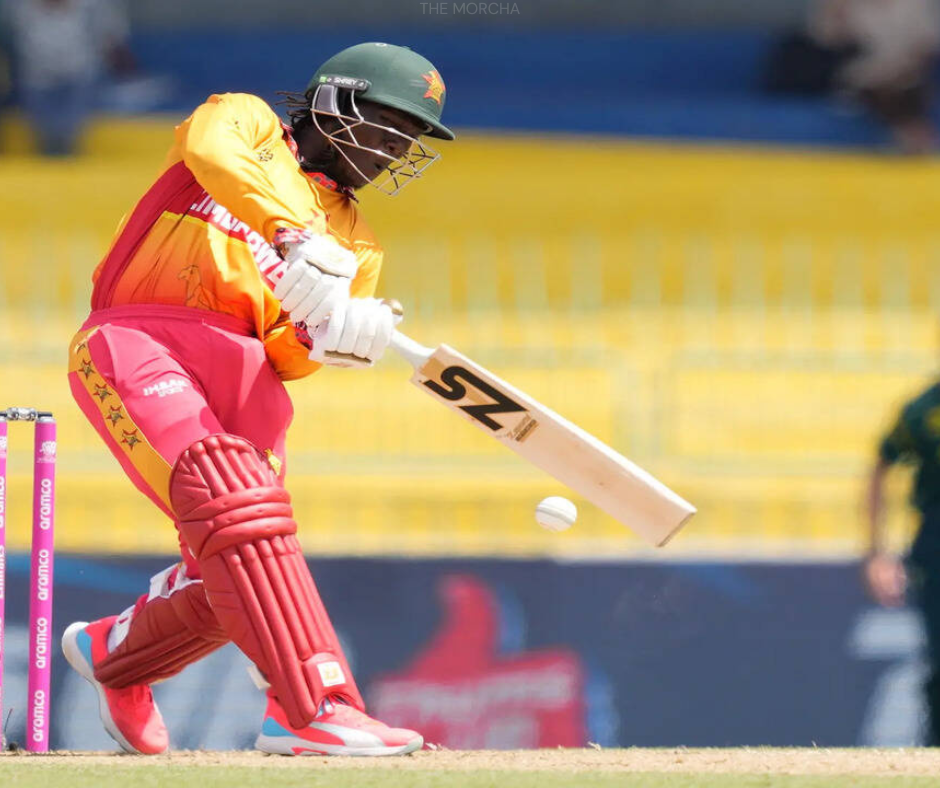
Historically, Australia holds a commanding record over Zimbabwe in T20 encounters, often dominating with superior batting depth and bowling options. However, past upsets, such as Zimbabwe’s memorable win in the 2007 T20 World Cup, remind both teams that momentum, composure, and situational awareness can shift match dynamics unexpectedly. The psychological edge gained from historical dominance is balanced by Zimbabwe’s hunger to prove themselves on the big stage. Coupled with current form and strategic planning, this clash remains unpredictable and highly exciting, adding multiple layers of intrigue for players, coaching staff, and spectators alike, ensuring that both teams will be mentally and tactically engaged from the first ball to the last.
Powerplay Dynamics
The first six overs in T20 cricket are often decisive, setting the foundation for the entire innings. Australia aims to take early wickets using a combination of pace, swing, and spin, applying pressure to restrict Zimbabwe’s scoring and force mistakes. Strategic field placements and well-timed bowling variations will be key to controlling the run rate. Conversely, Zimbabwe will look to play aggressive but calculated cricket, maximizing scoring opportunities while preserving wickets. How each side navigates the powerplay can dramatically influence momentum, partnerships, and overall scoring potential, creating either a platform for a strong total or early challenges that may define the rest of the match.
Middle Overs Mastery
The middle overs in a T20 innings are crucial for consolidating scores, stabilizing the batting order, and building vital partnerships that can carry the team through to the final overs. Australia’s strategy focuses on rotating bowlers effectively, exploiting variations in pace and spin, and applying pressure through dot balls and strategic field placements, aiming to induce mistakes from Zimbabwe’s middle-order batsmen. Zimbabwe, on the other hand, must sustain partnerships, rotate the strike consistently, and pick scoring opportunities wisely, all while minimizing risks to preserve wickets. Effective execution during these overs often determines whether a team posts a competitive total or falls short, making this phase pivotal in shaping the match’s momentum and influencing death-over strategies.
Death Overs Strategy
Death overs are often the most decisive phase in T20 cricket, where a single over can completely shift the momentum of a match. Australia’s return of Tim David significantly strengthens their ability to clear boundaries and accelerate the scoring in the final six overs. For Zimbabwe, bowlers must rely on precision yorkers, slower balls, and well-disguised variations to limit runs and induce mistakes from aggressive batsmen. Fielding discipline, clever placements, and maintaining composure under pressure are equally critical. Ultimately, both teams’ execution in the death overs—whether through explosive batting or tight, strategic bowling—could prove decisive in determining the outcome of this high-stakes clash.
Key Players to Watch
Australia’s potential game-changers include Tim David, whose power hitting in the middle and death overs can rapidly shift momentum; Glenn Maxwell, known for innovative strokeplay and aggressive innings; Adam Zampa, whose spin variations can break partnerships; and Cameron Green, providing all-round balance with both bat and ball. Zimbabwe relies heavily on Sikandar Raza, the captain and all-rounder, Brian Bennett for stabilizing the middle order, Blessing Muzarabani for pace and wicket-taking ability, and Richard Ngarava for controlling runs in the death overs. Strong performances from these players could directly influence momentum swings, partnerships, and match outcomes, potentially deciding whether the game tilts in favor of experience or youthful resilience. Their contributions will be critical in a tightly contested, high-stakes encounter.
Key Players to Watch
Australia’s potential game-changers include Tim David, whose power hitting in the middle and death overs can rapidly shift momentum; Glenn Maxwell, known for innovative strokeplay and aggressive innings; Adam Zampa, whose spin variations can break partnerships; and Cameron Green, providing all-round balance with both bat and ball. Zimbabwe relies heavily on Sikandar Raza, the captain and all-rounder, Brian Bennett for stabilizing the middle order, Blessing Muzarabani for pace and wicket-taking ability, and Richard Ngarava for controlling runs in the death overs. Strong performances from these players could directly influence momentum swings, partnerships, and match outcomes, potentially deciding whether the game tilts in favor of experience or youthful resilience. Their contributions will be critical in a tightly contested, high-stakes encounter.
Broadcast and Viewing Options
Fans worldwide can follow the live match on Star Sports 1, Star Sports 1 HD, and JioHotstar in India, while viewers in other regions can access official ICC streaming platforms, ensuring comprehensive coverage of every ball. Multiple broadcasters provide ball-by-ball commentary, in-depth analysis, and real-time player statistics, allowing audiences to track performances, partnerships, and match momentum as it unfolds. Expert insights from former players and cricket analysts are integrated across these platforms, offering tactical breakdowns and predictions. Social media channels, live blogs, and cricket apps further enhance fan engagement, enabling global audiences to stay connected, discuss key moments, and access highlights, making this T20 World Cup clash accessible and interactive for fans across the globe.
Momentum and Match Significance
This Australia vs Zimbabwe clash is more than just a Group B fixture—it is a true showcase of skill, strategy, and momentum in the 2026 T20 World Cup. The absence of Brendan Taylor for Zimbabwe and the return of Tim David for Australia have already shifted team dynamics, impacting batting orders, bowling plans, and overall tactical rotations. Every phase of the game—from the powerplay to the middle overs and ultimately the death overs—will be critical in shaping momentum. Teams that can capitalize on early breakthroughs, sustain partnerships, and execute their death-over strategies efficiently will gain a decisive advantage.

Beyond the on-field tactics, psychological composure and adaptability under pressure will play a key role, especially for Zimbabwe as underdogs trying to challenge a dominant Australian lineup. Fans can expect an edge-of-the-seat encounter filled with high-pressure moments, explosive hitting, clever bowling variations, and memorable cricketing drama that could influence not just this match but the trajectory of both teams in the tournament.