
Russia military plane crash in a mountainous region represents a serious and highly complex aviation event. Military aviation is inherently risky, but when operations take place over rugged terrain, the challenges multiply due to unpredictable weather, limited visibility, and complex navigation. Such crashes are not only tragic in terms of human lives lost but also highlight potential flaws in operational planning, pilot training, and aircraft maintenance.
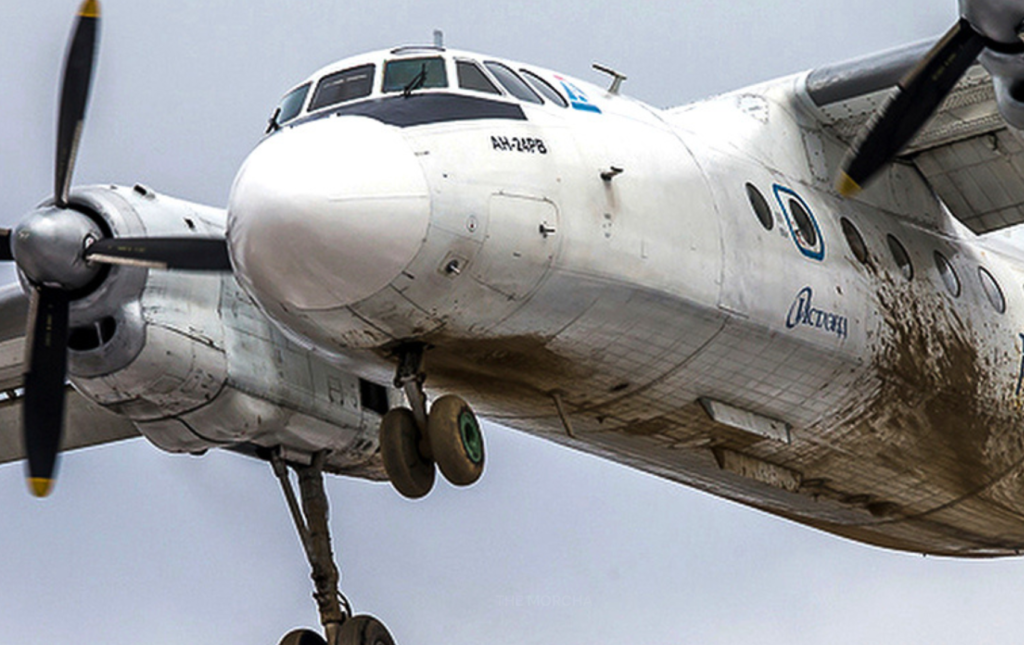
They attract global attention because they reveal the difficulties even the most advanced military forces face in extreme conditions. Understanding these incidents is essential for improving aviation safety and reducing future risks.
Table of Contents
Russia military plane crash aviation strength
Russia possesses one of the most powerful and technologically advanced air forces in the world. Its fleet includes fighter jets, bombers, transport aircraft, and reconnaissance planes designed for diverse missions. These aircraft are often deployed in challenging environments, including deserts, forests, and mountainous regions, to maintain strategic readiness. Training exercises in mountains simulate real combat conditions but also carry significant risks due to high altitude, strong winds, and uneven terrain. Studying crashes in these regions provides insight into both operational challenges and potential vulnerabilities, helping improve pilot training, maintenance schedules, and mission planning across the Russian Air Force.
The Danger of Mountainous Terrain in Aviation
Flying over mountainous regions is considered one of the most difficult tasks for pilots. Unlike flat terrain, mountains present constant obstacles that require precise adjustments in altitude, speed, and direction. Pilots must be highly vigilant to avoid sudden peaks and ridges, which can appear unexpectedly due to terrain variations. Narrow valleys, steep slopes, and abrupt elevation changes limit maneuverability, leaving very little margin for error. Even experienced pilots can struggle in such environments, especially during training or combat simulations. These conditions make mountain flying uniquely challenging, emphasizing the need for specialized training and reliable technology to prevent accidents.
Unpredictable Weather and Its Impact
Weather in mountainous regions is highly unpredictable and can change rapidly within minutes. Pilots may encounter fog, snowstorms, sudden rainfall, or strong crosswinds that drastically reduce visibility. These conditions can interfere with navigation and communication systems, making it difficult for pilots to maintain control. In many cases, pilots are unable to see approaching terrain due to clouds or low visibility. Mountain weather is also affected by altitude changes, causing sudden turbulence and pressure differences. Even modern aircraft with advanced forecasting and monitoring tools can struggle to adapt, making weather one of the leading causes of crashes in these environments.
Technical Issues and System Failures
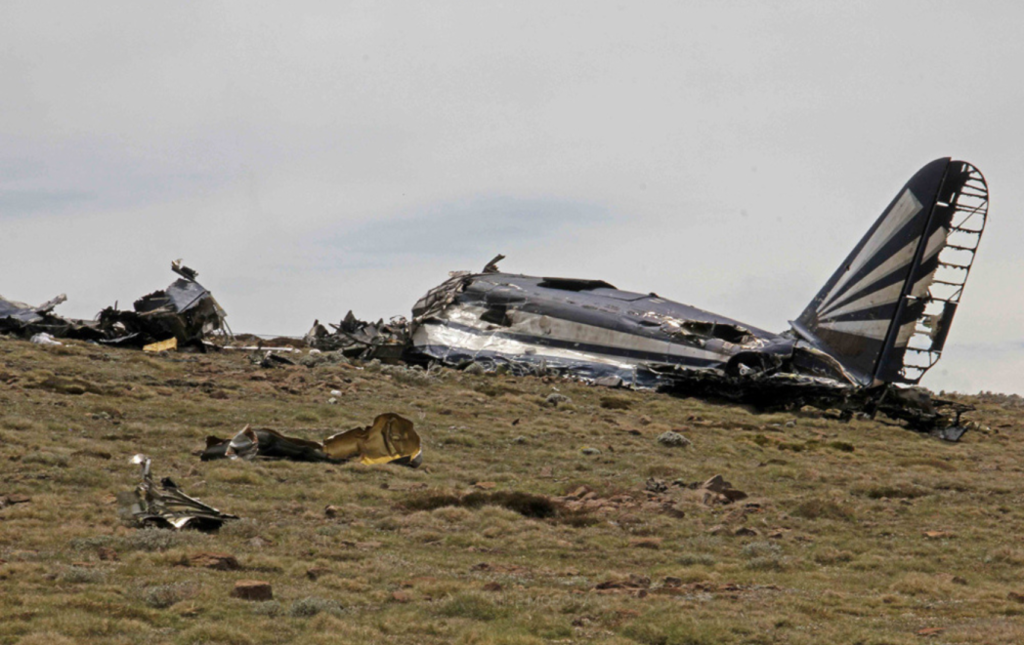
Despite advances in military technology, technical malfunctions remain a significant risk. Aircraft systems such as engines, sensors, navigation, and communication equipment can fail unexpectedly, particularly under the stress of mountain operations. For instance, a malfunctioning altitude sensor may prevent a pilot from knowing the aircraft’s true position relative to terrain. Engine failure at high altitudes can also be catastrophic, as there is little room for recovery. Regular maintenance reduces these risks but cannot fully eliminate them, especially in older aircraft. Combining system reliability with skilled piloting is critical to mitigate accidents in complex environments like mountainous regions.
Human Factors and Pilot Challenges
Pilots are trained to manage high-stress situations, yet human limitations remain a significant factor in aviation safety. Fatigue, stress, and cognitive overload can impact decision-making, especially during complex mountain operations. Pilots must constantly monitor instruments, communicate with ground control, and make real-time adjustments to altitude, speed, and direction. Even minor errors can become catastrophic when flying near peaks and valleys. Continuous training, physical fitness, and psychological preparedness are essential to minimize the effects of human error. Aviation studies show that accidents often occur due to a combination of human error and environmental challenges rather than a single factor.
The Role of Specialized Training
Mountain flying requires specialized skills that go beyond conventional pilot training. Pilots must learn to handle steep altitude changes, rapid weather shifts, and turbulence while maintaining situational awareness. Simulation exercises replicate these conditions, but real-life scenarios often include unpredictable variables that technology cannot fully control. Proper training also includes emergency procedures for forced landings, system failures, or loss of communication. Continuous assessment ensures that pilots remain prepared for these high-risk operations. Investing in specialized mountain training programs significantly reduces the likelihood of crashes and improves the overall safety and effectiveness of military aviation operations.
Aging Aircraft and Maintenance Concerns
Many military aircraft remain in service for decades, and while regular inspections are conducted, aging components can still fail. Older airframes may develop structural weaknesses, and electronic systems may degrade over time. In mountainous environments, where altitude changes and extreme weather stress aircraft components, these risks are amplified. Timely maintenance, component upgrades, and modernization programs are essential for keeping aircraft operational and safe. Maintenance lapses, however, can lead to catastrophic failures, emphasizing the critical relationship between fleet age, upkeep, and operational safety. Evaluating crashes provides insights for improving maintenance schedules and extending aircraft life safely.
Communication Challenges in Remote Areas
Effective communication between pilots and ground control is critical, but mountainous regions present significant obstacles. Mountains can block radio signals, create interference, and reduce satellite navigation accuracy. Communication gaps may prevent pilots from receiving timely instructions or weather updates, leading to delays in response. Maintaining constant contact in such areas often requires specialized communication equipment and protocols. Failures in communication can compound technical or human errors, significantly increasing the risk of crashes. Ensuring robust communication systems is therefore a crucial part of safe operations in mountainous regions for military aviation.
Chain Reaction Leading to the Crash
Crashes are rarely caused by a single factor; instead, they usually involve a chain reaction of events. For example, poor weather may reduce visibility, which can then lead to navigation errors. Simultaneously, a minor technical failure may prevent corrective action, leaving the pilot with limited options. In mountainous terrain, every second counts, and even a small delay in decision-making can have severe consequences. Understanding how multiple factors interact helps investigators identify the root causes and provides lessons for preventing future incidents. It emphasizes the need for redundancy, monitoring, and training to handle cascading problems.
Immediate Aftermath of the Crash
Following a crash, emergency response teams are deployed immediately to the site, but mountainous terrain makes access extremely difficult. Rescue operations often require helicopters, specialized vehicles, and climbing equipment to reach the wreckage. Weather conditions can further complicate these efforts. Teams must prioritize locating survivors, providing medical aid, and securing the area. The initial response phase is critical in saving lives and preventing additional accidents. Coordination between military units, emergency services, and sometimes local authorities is essential for efficient operations. Rapid and organized responses reduce the human toll of such incidents.
Search and Rescue Operations
Search and rescue missions in mountainous regions are among the most complex in aviation history. Debris is often scattered over wide areas, making it difficult to locate all survivors or bodies. Helicopters, drones, and satellite imagery are frequently used to map the terrain and identify crash points. Rescue teams must navigate dangerous cliffs, unstable ground, and extreme weather while carrying heavy equipment. Time is critical, especially for injured survivors. These operations require highly trained personnel, careful planning, and specialized equipment to maximize efficiency and minimize additional risks during rescue missions.
Investigation and Findings
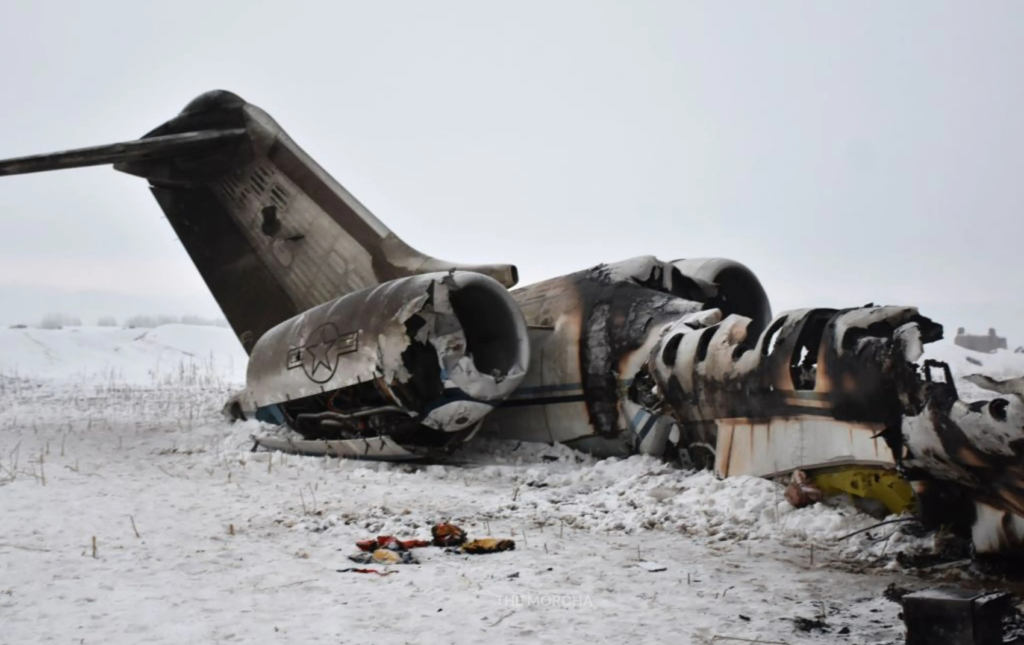
Once rescue operations are complete, a thorough investigation begins. Experts examine flight data recorders, cockpit voice recordings, wreckage, and maintenance logs to reconstruct events. The investigation seeks to identify technical failures, human errors, or environmental factors that contributed to the crash. Findings often lead to recommendations for improving aircraft systems, pilot training, and operational procedures. Investigations may take months due to the complexity of analyzing crash sites in mountainous terrain. The results are critical for preventing similar incidents and informing broader aviation safety policies and military strategy adjustments.
Impact on Military Readiness
Crashes affect military readiness by reducing the availability of operational aircraft and experienced personnel. Authorities may temporarily ground similar aircraft to inspect for systemic issues. Training schedules are often revised to improve safety and prevent future accidents. While these measures are necessary, they can temporarily limit mission capabilities. In some cases, operations are postponed or adjusted to account for reduced resources. Understanding the impact of crashes on readiness emphasizes the importance of preventive measures, continuous training, and maintaining a sufficient number of fully operational aircraft to ensure the military remains prepared under all circumstances.
Emotional and Psychological Effects
The loss of life and equipment in a crash can profoundly affect military personnel. Pilots, crew members, and support staff may experience grief, stress, or anxiety following the incident. These psychological effects can influence decision-making, morale, and overall operational efficiency. Providing counseling, support programs, and decompression periods is critical to maintaining mental health. Emotional readiness is as important as technical skill in military aviation, and addressing the psychological consequences of accidents ensures personnel can continue to perform their duties safely and effectively.
Media Coverage and Public Perception
Military crashes often generate intense media coverage due to their strategic and human significance. News outlets report updates, provide expert analysis, and sometimes speculate about causes. Public interest is particularly high when incidents involve national security or human loss. Accurate reporting is essential to prevent misinformation, which can create unnecessary panic or criticism. Media scrutiny also influences military communication strategies, as officials must balance transparency with operational security. How a crash is presented to the public can shape perceptions of military competence, safety, and accountability.
Lessons Learned from the Incident
Every military aviation incident provides valuable lessons for safety, training, and technology improvements. Investigators analyze accidents to identify weaknesses in aircraft systems, maintenance routines, and operational planning. Lessons often lead to upgraded navigation systems, revised emergency protocols, and enhanced pilot training programs. Continuous improvement based on previous incidents is essential for reducing the likelihood of future crashes. Understanding these lessons helps maintain operational readiness and strengthens overall military aviation safety, emphasizing the importance of learning from mistakes rather than solely reacting to emergencies.
Future Prevention and Safety Measures
Preventing future crashes requires a multi-faceted approach that combines advanced technology, specialized pilot training, strict maintenance, and robust communication systems. Innovations like terrain awareness warning systems, automated navigation aids, and real-time weather monitoring reduce risk significantly. However, human expertise remains irreplaceable, and continuous training ensures pilots can respond effectively to emergencies.
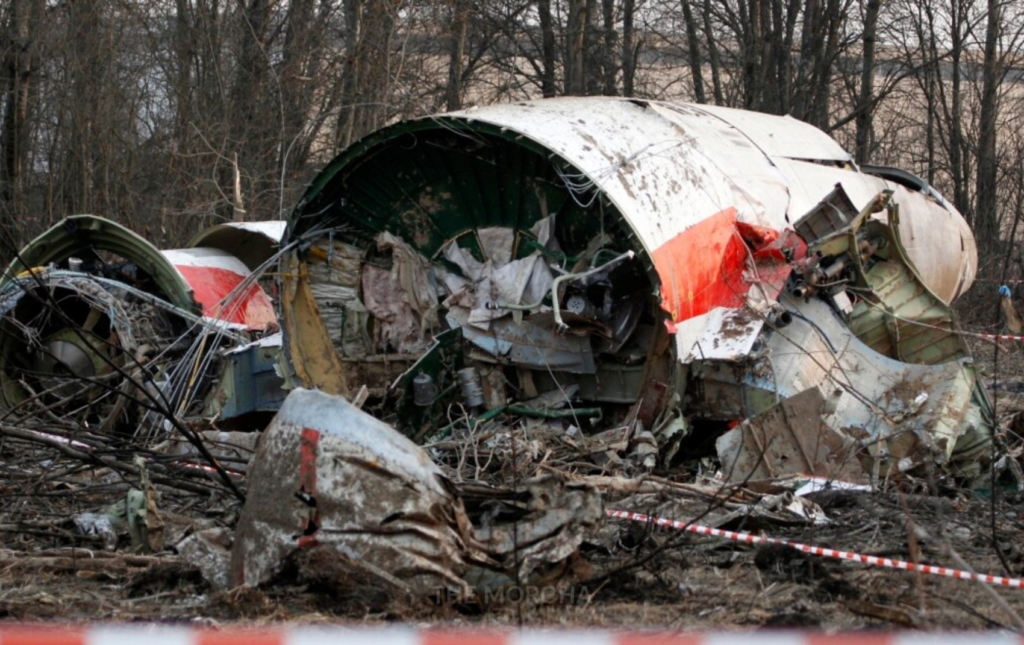
Implementing safety measures based on prior incidents strengthens operational protocols. By studying crashes thoroughly, military aviation authorities can enhance both safety and effectiveness, minimizing risks in challenging environments and ensuring that future missions are carried out with the highest possible standards of protection for personnel and equipment.