
Winter is often portrayed as a peaceful and beautiful season marked by cool air, quiet mornings, warm clothing, and festive celebrations. However, beneath this calm exterior lies a serious and often ignored reality: winter can deeply affect human mental health. As daylight hours shorten and temperatures drop, many people begin to experience emotional changes such as sadness, fatigue, lack of motivation, and social withdrawal.

These feelings may appear slowly and silently, making them difficult to recognize at first. For some individuals, these changes remain mild, but for others, they develop into severe mental health challenges that disrupt daily functioning. Understanding the emotional impact of winter is essential because mental health is not influenced only by personal circumstances but also by environmental and seasonal changes.
Table of Contents
Understanding Seasonal Affective Disorder (SAD)
Seasonal Affective Disorder (SAD) is a type of depression that follows a predictable seasonal pattern, most frequently emerging during the late autumn and winter months. Unlike ordinary sadness or occasional fluctuations in mood that people may experience from time to time, SAD is a clinically recognized mental health condition that can profoundly impact emotional stability, energy levels, motivation, and overall quality of life. Individuals with SAD often notice a gradual onset of symptoms as daylight hours shorten and temperatures drop.
These symptoms can include persistent low mood, excessive fatigue, difficulty concentrating, changes in sleep and appetite, and a loss of interest in activities that were once enjoyable. For many, these changes are subtle at first, which can make it difficult to recognize the condition early on.
SAD is not a reflection of personal weakness or a lack of willpower; rather, it arises from a complex interplay of biological, psychological, and environmental factors. Biologically, reduced sunlight during winter affects the body’s circadian rhythm, serotonin production, and melatonin levels, which together influence mood, energy, and sleep patterns.
Psychologically, individuals who are already prone to stress, anxiety, or depression may be more sensitive to seasonal changes, while environmental factors such as limited outdoor activity, colder weather, and social isolation can intensify symptoms. Because these influences combine gradually over time, many people mistakenly assume that feeling low during winter is simply “normal” or something that must be endured, rather than a treatable condition.
Despite its prevalence, SAD often remains underdiagnosed, leaving many individuals to struggle in silence. Awareness and understanding of the disorder are crucial, as early recognition allows for timely interventions, including lifestyle adjustments, light therapy, counseling, and, in some cases, medication. By acknowledging the seriousness of SAD and seeking appropriate support, individuals can manage symptoms more effectively, maintain emotional balance, and improve their overall quality of life even during the darker, colder months of the year.
The Role of Reduced Sunlight in Mental Health Decline

One of the most significant factors contributing to winter-related mental health issues is the reduction in natural sunlight. Sunlight plays a vital role in regulating the body’s internal clock, known as the circadian rhythm, which controls sleep, mood, and energy levels. During winter, shorter days and longer nights disrupt this rhythm, leading to irregular sleep patterns and emotional imbalance.
Sunlight also influences the production of serotonin, a neurotransmitter responsible for feelings of happiness and emotional well-being. When sunlight exposure decreases, serotonin levels may drop, increasing the risk of depression. This biological response explains why many individuals feel emotionally heavier and less motivated during winter.
Melatonin Imbalance and Persistent Fatigue
One of the significant biological factors that can affect mental health during the winter months is the overproduction of melatonin, the hormone primarily responsible for regulating sleep-wake cycles. In order to keep a healthy circadian rhythm, melatonin is essential for telling the body when it is time to go to sleep. However, during the darker, colder months, the body naturally produces melatonin for longer periods due to reduced exposure to sunlight.
This extended production can lead to excessive sleepiness during the day, persistent fatigue, and a sense of heaviness that interferes with normal functioning. Individuals may find themselves feeling tired even after a full night’s rest, struggling to concentrate, stay alert, or maintain energy levels throughout the day.
The consequences of this persistent fatigue extend beyond mere tiredness. Reduced energy and alertness can lower motivation, making daily tasks and responsibilities seem overwhelming or unmanageable. Over time, this chronic lack of vitality may lead to frustration, irritability, and a sense of hopelessness.
Emotional exhaustion often follows, as the body and mind struggle to cope with ongoing low energy and disrupted routines. For many, these physical and emotional changes contribute to the development or intensification of depressive symptoms, creating a cycle that can be difficult to break without targeted interventions.
Recognizing the link between melatonin imbalance and winter-related fatigue is crucial for effective management of mental health during this season. Practical strategies, such as increasing exposure to natural light, engaging in regular physical activity, maintaining consistent sleep schedules, and seeking professional guidance when necessary, can help regulate melatonin production and restore energy levels. By understanding the biological underpinnings of winter fatigue, individuals can take proactive steps to protect their emotional well-being, prevent depressive symptoms from worsening, and maintain a higher quality of life even in the gloomiest times of the year.
Vitamin D Deficiency and Emotional Well-Being
Vitamin D plays a crucial role not only in maintaining physical health but also in supporting emotional stability. The body naturally produces vitamin D when exposed to sunlight, which makes the winter months a particularly high-risk period for deficiency. Low levels of vitamin D have been linked to depression, fatigue, low energy, and a weakened immune system, all of which can contribute to emotional and mental health challenges.
During winter, reduced outdoor activity, weaker sunlight, and spending more time indoors limit the body’s ability to generate this essential nutrient, increasing vulnerability to mood disorders. Many people may not realize that their feelings of sadness, low energy, or irritability could be influenced by a nutritional deficiency, highlighting the important connection between physical health, lifestyle habits, and overall mental well-being.
Psychological Sensitivity to Seasonal Change
Not everyone experiences winter in the same way, and psychological sensitivity plays a key role in how seasonal changes affect mental health. Individuals who are already coping with stress, anxiety, past trauma, or previous episodes of depression are often more vulnerable to emotional challenges during the colder months. Certain personality traits, such as heightened emotional sensitivity, perfectionism, or a tendency to overthink, can further amplify the impact of seasonal changes.
For these individuals, winter can act as a trigger that intensifies existing emotional struggles, making it more difficult to manage daily responsibilities, maintain motivation, or stay socially connected. Additionally, prolonged exposure to low light, shorter days, and reduced outdoor activity can exacerbate these vulnerabilities, contributing to feelings of fatigue, irritability, and low mood. Recognizing these psychological susceptibilities is crucial for seeking timely support, implementing coping strategies, and fostering resilience to maintain mental and emotional well-being throughout the season.
Strategies for Staying Connected
Winter can bring prolonged periods of isolation, which may negatively impact emotional well-being. However, there are effective strategies that can help individuals combat loneliness and maintain meaningful social connections during this season. Reaching out to family and friends regularly, even through phone calls, video chats, or text messages, can provide emotional support and reduce feelings of disconnection. Participating in online communities, social groups, or virtual events allows individuals to engage with others despite physical distance or harsh weather conditions. Additionally, taking part in hobbies, classes, or small local gatherings can create opportunities for interaction, helping to foster a sense of belonging and purpose.
Maintaining these connections is not only important for emotional comfort but also for long-term mental health. Social engagement can alleviate stress, provide motivation, and improve overall mood, serving as a protective factor against winter-related depression and anxiety. Even small, consistent efforts to stay connected can break the cycle of isolation and enhance emotional resilience. By actively seeking opportunities for interaction, individuals can preserve their mental well-being, maintain emotional stability, and face the challenges of winter with greater strength and optimism.
Reduced Physical Activity and Its Mental Consequences
Physical activity is closely connected to mental health, as exercise stimulates the release of endorphins, which help improve mood and reduce stress. However, during winter, many people become less physically active due to colder temperatures, shorter daylight hours, and a lack of motivation. Gyms may feel uninviting, and outdoor exercise can be challenging or uncomfortable. As a result, reduced physical movement can lead to lower energy levels, increased stress, and disruptions in emotional balance.
Over time, this inactivity may contribute to weight gain, decreased self-esteem, and heightened feelings of sadness, creating a negative cycle that can be difficult to break. Maintaining even small amounts of regular physical activity during winter is therefore essential for supporting both mental and emotional well-being.
Common Emotional and Behavioral Symptoms of SAD

Seasonal Affective Disorder (SAD) can cause a variety of emotional and behavioral changes that gradually become more noticeable during the winter months. Emotionally, individuals may feel persistent sadness, emptiness, irritability, hopelessness, or a loss of interest in activities they once enjoyed. Behaviorally, they may withdraw from social interactions, find it difficult to concentrate, and struggle to stay motivated in completing daily tasks.
These symptoms are often accompanied by negative thought patterns and declining self-confidence, which can make coping even more challenging. Because these changes develop slowly, many people fail to recognize them as signs of a mental health condition, delaying the support and treatment that could help alleviate their distress.
Physical Symptoms Associated with Winter Depression
In addition to emotional distress, winter-related depression often manifests through physical symptoms. These may include chronic fatigue, oversleeping, changes in appetite, cravings for carbohydrates, and unexplained body aches. Weight gain is common due to reduced activity and increased comfort eating. Physical discomfort further contributes to emotional distress, creating a cycle in which mental and physical health problems reinforce each other. Recognizing these physical signs is important because mental health conditions often express themselves through the body before emotional symptoms become obvious.
Impact of Winter Depression on Work and Daily Life
Winter-related mental health challenges can have a noticeable effect on both professional and personal life. Low energy, reduced concentration, and lack of motivation often make even simple tasks feel overwhelming, leading to decreased productivity at work or school and missed deadlines. Emotional changes, such as irritability or withdrawal, can strain relationships with colleagues, friends, and family, creating feelings of disconnection.
Over time, these difficulties may lower self-esteem and foster a sense of failure, which can intensify depressive symptoms and reduce overall satisfaction in life. Recognizing these impacts early and taking proactive steps to manage mental health is essential to maintain both personal well-being and daily functioning during the winter months.
The Difference Between Winter Blues and Clinical Depression
It is crucial to distinguish between the common “winter blues” and clinical Seasonal Affective Disorder (SAD), as understanding this difference can determine whether simple lifestyle adjustments are sufficient or professional intervention is needed. Winter blues, sometimes referred to as mild seasonal low mood, are temporary feelings of tiredness, low energy, or mild sadness that many people experience during the colder months. These feelings are generally short-lived, do not significantly interfere with daily life, and can often be alleviated through minor changes such as increased exposure to sunlight, engaging in physical activity, maintaining social connections, or adopting a healthy routine.
In contrast, Seasonal Affective Disorder is a clinically recognized form of depression that is more severe, persistent, and disruptive. The symptoms of SAD can last for several weeks or even months, often beginning in late autumn or early winter and resolving only when spring arrives. People with SAD may experience profound fatigue, persistent sadness, irritability, loss of interest in previously enjoyable activities, changes in sleep and appetite, and difficulty concentrating.
These symptoms can significantly impact personal relationships, professional performance, and overall quality of life. Unlike winter blues, SAD often requires structured intervention, which may include cognitive behavioral therapy, light therapy, medication, or a combination of approaches.
Understanding the distinction between temporary low mood and clinical depression is essential, as it empowers individuals to seek appropriate help rather than dismissing serious symptoms as normal seasonal changes. Early recognition and timely intervention can prevent symptoms from worsening, improve daily functioning, and support emotional well-being throughout the winter months. By raising awareness about this difference, individuals can approach winter with proactive strategies that protect both mental health and overall quality of life.
Lifestyle Changes to Support Mental Health in Winter
Adopting healthy lifestyle habits is essential for maintaining mental well-being during the winter months. Keeping a consistent daily routine provides structure and stability, which helps the mind remain balanced even when days are shorter and darker. Regular physical activity, even in small amounts, can boost energy levels, improve mood, and reduce feelings of lethargy.
Eating a nutritious and balanced diet supports brain health and strengthens emotional resilience, while staying socially connected—through in-person gatherings or online interactions—helps combat loneliness and isolation. When these habits are practiced consistently, they can make a significant difference in managing winter-related emotional challenges and maintaining overall mental health.
Professional Treatment and Therapeutic Support
For individuals experiencing severe symptoms, professional treatment is essential. Cognitive Behavioral Therapy (CBT) is one of the most effective therapies for Seasonal Affective Disorder, as it helps individuals identify negative thought patterns and develop healthier coping strategies. Light therapy, which involves exposure to artificial light that mimics sunlight, has been shown to improve symptoms by regulating circadian rhythms and serotonin levels. In some cases, antidepressant medication may be prescribed under medical supervision. Seeking professional help should be viewed as a strength, not a weakness.
Embracing Awareness and Emotional Care in Winter
Winter is often seen as a season of cold and darkness, but it doesn’t have to be a time of emotional struggle or suffering. Understanding the ways in which winter affects our mental health helps us recognize early signs of distress such as sadness, fatigue, or loss of motivation. Seasonal Affective Disorder (SAD) is a genuine and treatable condition that many people experience, yet due to misunderstanding or stigma, some hesitate to seek help. It is important to remember that acknowledging mental health challenges and asking for support is a sign of strength, not weakness.
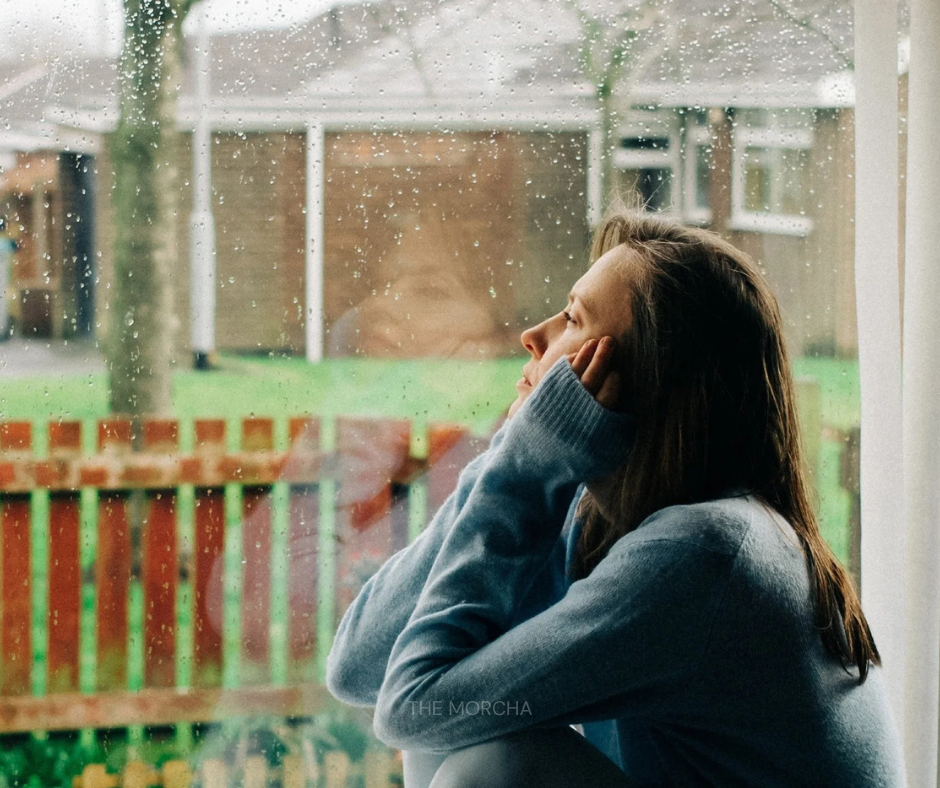
By increasing awareness about the emotional effects of winter, individuals can take meaningful steps to protect their well-being. Simple lifestyle changes—like spending more time in natural light, staying physically active, maintaining social connections, and following a consistent daily routine—can make a big difference. When needed, professional help from therapists or doctors provides essential support to manage symptoms effectively.
Mental health deserves attention throughout the year, just like physical health. Taking care of our minds with the same care and respect we give to our bodies allows us to face the winter months with resilience and hope. With the right awareness and care, winter can be a season of balance rather than emotional hardship.