
Weather in the Northern region of India on 5 February 2026 is experiencing an active winter pattern, marked by fluctuating temperatures, dense fog, and sporadic cloudiness. The day’s weather is primarily influenced by Western Disturbances, bringing moisture-laden winds, which cause slight rainfall in some areas while maintaining a cool and crisp winter atmosphere. Understanding the dynamics of these meteorological movements is crucial for residents, commuters, and farmers alike, as it impacts daily life, transportation, and agriculture.
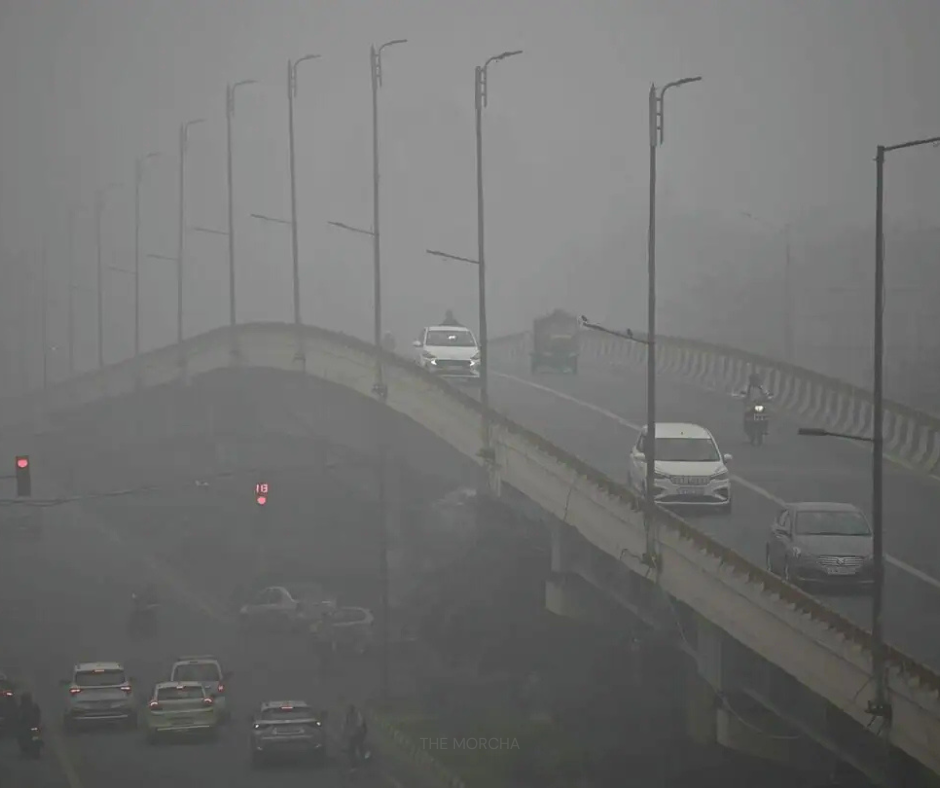
These conditions are typical of early February, where the interplay between clear skies, cloud cover, and moving weather systems creates a highly variable climate. Foggy mornings, chilly nights, and moderate afternoons are characteristic, affecting commuting, outdoor work, and energy consumption. Farmers must remain alert to protect frost-sensitive crops, while travelers and daily commuters need to plan for delays and reduced visibility. The regional weather is a blend of serene winter beauty and practical challenges, making timely updates and precautions essential for safety and productivity.
Table of Contents
The Engine Behind Northern Weather
Western Disturbances are low-pressure systems originating in the Mediterranean that move eastward, impacting Northern India’s winter climate. They bring cloud cover, intermittent rain, and sudden temperature drops. On 5 February, an active Western Disturbance is influencing the Northern Plains, causing foggy mornings, cool afternoons, and isolated light showers in some areas. These systems also affect wind patterns, humidity, and air quality, as trapped cold air can worsen smog in cities like Delhi. Their unpredictable nature is crucial in shaping winter weather, influencing agriculture, transportation, and daily life, while requiring constant monitoring by meteorologists to forecast rainfall, frost, and temperature fluctuations accurately.
Delhi‑NCR
In Delhi and the National Capital Region, the day begins with a noticeable dip in minimum temperatures, hovering around 9–12°C, while daytime highs remain mild at approximately 21–22°C. Dense fog in the early morning is expected to reduce visibility, affecting road, rail, and air travel. Despite partial sunshine later in the day, the region will experience lingering cold, making it essential for residents to dress warmly, especially during pre-dawn hours.
The cold spell is being reinforced by calm winds and clear night skies, which allow maximum radiational cooling. Fog formation is likely to persist in low-lying areas, suburban regions, and along highways, creating hazardous conditions for commuters. Early morning travelers should exercise caution, while school authorities and outdoor workers may need to take preventive measures. The cold also affects vulnerable populations, such as the elderly and children, who may experience discomfort or health risks if exposed for extended periods. This wintry pattern is typical for early February in Delhi‑NCR and highlights the transitional nature of late winter, with chilly mornings gradually giving way to milder afternoons.
Fog and Its Implications
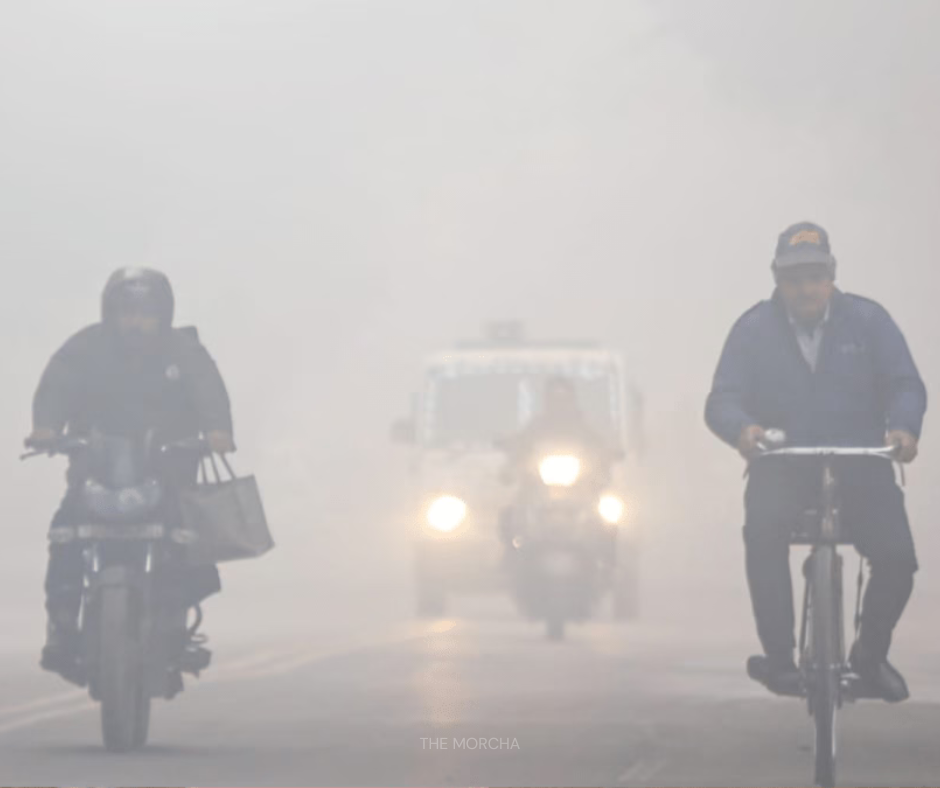
The persistent fog across Delhi‑NCR during early morning hours reduces visibility, slows traffic, and affects air quality. The combination of fog and cold can exacerbate respiratory issues, especially for children, elderly individuals, and those with pre-existing conditions. Morning commuters should plan extra travel time and adhere to safety precautions, including using fog lights and driving cautiously.
Fog in the region tends to form in low-lying areas and near water bodies, making some roads and highways particularly hazardous. It can also disrupt train schedules, cause flight delays, and slow down public transport services, creating challenges for daily commuters. The dense moisture-laden air contributes to poor air quality, trapping pollutants closer to the ground. Residents are advised to wear masks, avoid outdoor exertion during peak fog hours, and use public updates to navigate safely. Schools and workplaces may adjust timings, and sensitive groups should remain indoors during the thickest fog periods.
Rain Chances and Cool Conditions
Across Uttar Pradesh, scattered cloud cover and isolated light showers are expected on 5 February. Rain alerts have been issued in parts of central and eastern UP, reflecting the movement of moisture from the Western Disturbance. Daytime temperatures will remain below average, with highs around 20–24°C. These mild conditions, combined with sporadic rain, create a cool and moist atmosphere, affecting outdoor activities and travel.
The clouds and occasional showers are likely to reduce sunshine, keeping temperatures lower than usual for this time of year. Early morning fog may form in low-lying districts, further slowing transportation and creating slippery road conditions. Farmers may welcome the slight rainfall as it aids soil moisture for winter crops, but prolonged wet conditions could delay harvesting or other field activities. Residents should carry umbrellas or raincoats when traveling and remain cautious of wet and slick surfaces. The combination of fog, cool temperatures, and intermittent rain creates a distinctive winter mood, reminding everyone that the chill of Northern India remains prominent even as the day progresses.
Cloudy Skies Dominate
In Rajasthan, most regions will experience overcast skies, with cloud cover reducing daytime warming. Minimum temperatures may drop to 10–14°C, while highs stay around 20–24°C, giving the state a cooler-than-usual feel for early February. Some eastern districts may witness intermittent showers or gusty winds, but widespread rainfall is unlikely. The cloudy conditions help retain nighttime coolness, influencing daily routines and agriculture.
Cloud cover acts as a natural blanket, limiting heat loss during the day and keeping nights comfortably cold. In desert districts like Jaisalmer and Bikaner, the effect of clouds is particularly noticeable as temperatures remain steadier compared to clear-sky days. Farmers are advised to monitor localized showers, as brief rains can impact irrigation schedules and soil moisture levels for winter crops such as mustard and wheat. Residents may also notice stronger winds in open plains, especially during the afternoon, which can intensify the chill. The persistent overcast skies, combined with cool mornings and moderate afternoons, create a tranquil yet distinctly wintry atmosphere across Rajasthan, reinforcing the transitional nature of late winter in the region.
Temperature Trends Across Northern India
Northern India’s temperature profile shows sharp morning chills followed by moderate afternoon warmth. Delhi, Uttar Pradesh, and Rajasthan exhibit significant temperature swings, with cold nights often dropping to single-digit or low-teen levels, and daytime highs rising into the low twenties. These fluctuations are a hallmark of the winter season in the region, largely influenced by the passage of Western Disturbances, clear night skies, and intermittent cloud cover.
In early February, the combination of radiational cooling at night and limited sunshine during the day creates a pattern where mornings feel extremely cold, while afternoons remain relatively comfortable. This temperature variability affects daily life, requiring residents to dress in layers, plan outdoor activities carefully, and protect vulnerable populations like the elderly and children from sudden chills. For farmers, these swings are critical for crop management, as frost-sensitive crops may be at risk during cold nights, while mild afternoons allow for fieldwork. Continuous monitoring of weather updates ensures that people are prepared for these dynamic temperature shifts across Northern India.
The Coldest Part of the Day
The pre-dawn to early morning period on 5 February will experience the lowest temperatures and densest fog in Northern India. In Delhi‑NCR, Uttar Pradesh, and Rajasthan, readings may drop to single digits in many areas, creating a piercing chill that is especially noticeable in open fields and suburban regions. Commuters and outdoor workers need to wear multiple layers, including sweaters, jackets, and scarves, to combat the cold.
Vehicles on highways and city roads should drive cautiously, using fog lights and maintaining safe distances, as limited visibility increases the risk of accidents. Public transport, including trains and buses, may also experience delays due to slow-moving traffic. While these mornings are challenging, they are also quintessentially winter, defining the atmospheric character of Northern India. For many, the fog-shrouded landscape creates a serene yet mystical environment, highlighting the seasonal transition.
Afternoon Atmosphere
By late morning and early afternoon, skies across Delhi‑NCR, Uttar Pradesh, and Rajasthan may partially clear, allowing brief spells of sunshine to filter through the clouds. While this sunlight provides some warmth, the lingering cool air prevents temperatures from rising significantly, maintaining a comfortable yet distinctly cold environment. In urban areas like Delhi, the sun can temporarily lift the chill, but shaded streets, parks, and open fields continue to feel brisk. Residents can expect slightly warmer conditions compared to the freezing early mornings, yet the overall feel remains crisp and wintry.
The partial sunshine also highlights the contrast between open areas and sheltered locations, where cold air tends to settle. Outdoor workers, school children, and travelers can benefit from these warmer hours, but the chill is still noticeable. Light jackets, shawls, or layered clothing remain necessary throughout the afternoon. Even as the sun peaks, the presence of lingering clouds can cause intermittent gusts of cold wind, reminding everyone that winter is far from over and that preparation for sudden drops in temperature is essential.
Evening and Night
As the sun sets over Delhi‑NCR, Uttar Pradesh, and Rajasthan on 5 February, temperatures begin to drop rapidly, and the cold winds regain dominance across open plains and urban areas alike. The transition from afternoon warmth to nighttime chill is often stark, with readings falling several degrees within a short span. Evening commuters and those engaged in outdoor activities, such as street vendors, security personnel, and travelers, are particularly affected, as the sharp drop in temperature can cause discomfort and fatigue.
Dressing in warm layers, including jackets, sweaters, and gloves, becomes essential to stay comfortable during this period. Wind chill further intensifies the cold, making it feel colder than the actual temperature, especially in open or elevated areas. Residents are advised to monitor weather updates, avoid prolonged exposure, and ensure children and elderly family members are adequately protected. Nighttime fog may also form in low-lying regions, reducing visibility and making travel more challenging. Overall, the evening and night reinforce Northern India’s characteristic winter intensity, demanding preparedness and caution.
Air Quality Concerns
Dense fog in Delhi‑NCR and other urban areas of Northern India can trap pollutants near the surface, leading to a significant deterioration in air quality. On 5 February, early morning fog is expected to be particularly thick, combining with vehicle emissions, industrial pollutants, and dust particles to create smog-like conditions. AQI levels may reach unhealthy ranges, posing health risks to sensitive populations, including children, the elderly, and those with respiratory or cardiovascular conditions.

Residents are advised to limit prolonged outdoor exposure during peak fog hours, particularly between 5 AM and 9 AM, when pollutant concentrations are highest. Wearing masks in congested areas, using air purifiers indoors, and keeping windows closed can help mitigate health impacts. Drivers and pedestrians should also exercise caution, as reduced visibility and poor air quality together can create hazardous conditions. Monitoring real-time updates from the Central Pollution Control Board (CPCB) or local weather authorities is essential to stay informed and take preventive measures throughout the day.
Agriculture and Outdoor Activities
Farmers and outdoor workers across Delhi‑NCR, Uttar Pradesh, and Rajasthan will need to carefully adjust their schedules on 5 February due to cold and foggy conditions. Early morning fog and low temperatures can make fieldwork challenging, slowing down activities like sowing, harvesting, and irrigation. While light rainfall in some parts of Uttar Pradesh and Rajasthan may benefit winter crops such as wheat, mustard, and barley by improving soil moisture, excessive cold can delay certain agricultural operations.
Frost-sensitive crops and plants are particularly vulnerable during this period, and farmers are advised to use protective measures, such as covering fields with plastic sheets, tarpaulins, or other insulating materials. Livestock also requires special attention, as animals are susceptible to cold stress during early mornings and nights.
Outdoor workers, including laborers and construction personnel, should wear warm clothing, schedule breaks during warmer afternoon hours, and stay hydrated to reduce the risk of cold-related health issues. Proper planning and precautions are essential to ensure productivity and safety under these chilly winter conditions.
Localized Rainfall Events
Although widespread rainfall is unlikely on 5 February, isolated showers and drizzle are expected in eastern and central Uttar Pradesh, as well as some parts of Rajasthan. These scattered rain events are caused by the moisture brought in by the Western Disturbance, interacting with the regional topography and local atmospheric conditions. While the showers are typically short-lived, they can create temporary disruptions in daily life, such as wet roads, reduced visibility, and minor traffic delays.
For farmers, these brief rains may be beneficial, adding moisture to soil for winter crops like wheat, mustard, and barley, though they are not enough to significantly alter irrigation requirements. Residents planning outdoor activities, travel, or sports events may need to carry umbrellas or raincoats and be prepared for sudden drizzle. The intermittent showers also contribute to cooler temperatures and a damp, moist atmosphere, emphasizing the unpredictable nature of early February weather in Northern India.
Safety Measures for Residents
Given the weather scenario, residents should:
- Wear warm clothing, especially in mornings and evenings.
- Exercise caution while driving during fog.
- Monitor weather updates for sudden changes.
- Plan outdoor activities accordingly, particularly in areas experiencing light rain or strong winds.
Impact on Travel and Transportation
Foggy and cold conditions across Delhi‑NCR, Uttar Pradesh, and Rajasthan on 5 February can significantly affect road, rail, and air transport. Reduced visibility during early mornings and late evenings increases the risk of accidents, requiring drivers to maintain safe distances, reduce speed, and use fog lights at all times. Highway travel may be slower than usual, particularly on routes connecting major cities like Delhi to Agra, Jaipur, and Lucknow.
Rail services could also face delays due to fog, as visibility restrictions require trains to operate at reduced speeds. Similarly, flights may experience rescheduling or temporary delays, especially during early morning hours. Commuters are advised to check real-time traffic updates, plan for extra travel time, and exercise caution while navigating slippery or fog-covered roads. Proper preparation and patience are key to minimizing disruptions caused by these winter weather conditions.
Regional Implications Beyond Focus Areas
The cold, foggy, and cloudy conditions are not limited to Delhi‑NCR, Uttar Pradesh, and Rajasthan; they also extend to neighboring states such as Haryana, Punjab, Himachal Pradesh, and Uttarakhand, creating a broader Northern India weather pattern. These regions are likely to experience similar temperature swings, with chilly mornings, moderate afternoons, and intermittent cloud cover. Fog episodes in low-lying areas may reduce visibility and impact transportation, while the Western Disturbance’s influence underscores the interconnectedness of Northern India’s winter weather, affecting agriculture, travel, and daily life across multiple states.
A Mesmerizing Meteorological Moment
On 5 February 2026, Northern India experiences a mesmerizing meteorological moment, where cold waves, dense fog, intermittent clouds, and isolated rain converge to create a dynamic winter day. Delhi‑NCR’s foggy mornings, Uttar Pradesh’s occasional showers, and Rajasthan’s overcast skies together form a distinctive winter scenario that is both beautiful and challenging. The sharp contrasts between chilly mornings, moderately warm afternoons, and rapidly dropping evening temperatures highlight the region’s complex winter patterns influenced by the Western Disturbance.

This day serves as a reminder for residents to dress in layers, take precautions against cold and respiratory issues, and plan travel carefully due to reduced visibility and slippery roads. Farmers, outdoor workers, and commuters need to remain alert, as intermittent rainfall and fog can affect agriculture, transportation, and daily routines. Continuous monitoring of updates from the India Meteorological Department (IMD) ensures safety and preparedness, allowing people to navigate Northern India’s unpredictable yet mesmerizing winter conditions with confidence.