
Water bottle use has become a symbol of responsibility and wellness in today’s health-conscious world. People use water bottles at schools, offices, gyms, parks, and while traveling. Hydration is essential for maintaining energy levels, supporting digestion, regulating body temperature, and improving overall physical performance. However, while focusing on drinking enough water, many people overlook one important factor: the cleanliness of the water bottle itself.
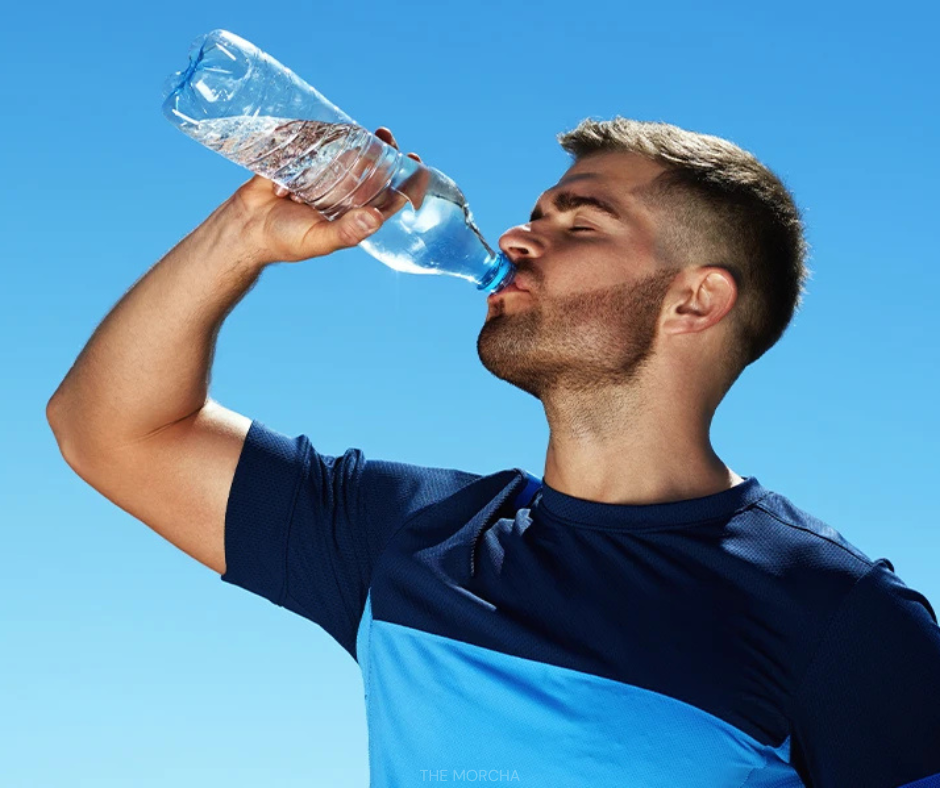
A bottle that is meant to promote health can quietly become a source of bacteria and illness if not maintained properly. The idea may sound surprising, but scientific studies and hygiene experts confirm that reusable water bottles can harbor harmful microorganisms when not cleaned regularly. The first step to safeguarding your health is being aware of this risk.
Table of Contents
Why Reusable Water Bottles Are So Popular
Reusable water bottles have gained popularity due to environmental awareness and health trends. Instead of using disposable plastic bottles that contribute to pollution, people prefer stainless steel, glass, or BPA-free plastic bottles that can be refilled multiple times. They are cost-effective, eco-friendly, and convenient. Many bottles are designed with advanced insulation technology to keep beverages cold or hot for hours. Some even come with straws, flip lids, or built-in filters.
While these features enhance usability, they can also create hidden areas where bacteria thrive. The convenience of reusable bottles sometimes leads to negligence in cleaning, especially when users believe that filling them only with water keeps them safe from contamination. In addition, social media trends and fitness culture have significantly increased their demand, as influencers and health experts promote hydration as a key part of a healthy lifestyle. Many brands now offer stylish designs, motivational quotes, measurement markings to track daily water intake, and personalized options that appeal to students, professionals, and athletes alike.
Schools, offices, and gyms also encourage the use of reusable bottles as part of sustainability initiatives to reduce plastic waste. Corporate “go green” campaigns and environmental awareness programs further support this shift away from single-use plastics. As a result, reusable water bottles are no longer just simple containers for water; they have become everyday lifestyle accessories that represent environmental responsibility, personal health awareness, and modern convenience.
How Bacteria Enter a Water Bottle
Even if you fill your bottle with purified water, contamination can still occur. The primary source of bacteria is your own mouth. Every time you take a sip, saliva enters the bottle. The human mouth naturally contains millions of bacteria, most of which are harmless under normal conditions. However, when these bacteria are introduced into a moist and enclosed environment like a water bottle, they begin to multiply. Additionally, your hands can transfer germs onto the bottle’s surface. If you touch the bottle after using public transportation, gym equipment, money, or restroom facilities without proper handwashing, microorganisms can spread easily.
Environmental exposure, such as keeping the bottle in a warm car or a backpack, further increases bacterial growth. Dust particles, food residue from nearby items, and even airborne microbes can settle around the mouthpiece or lid. If the bottle is not dried properly after washing, trapped moisture creates the perfect breeding ground for bacteria and mold. Over time, repeated exposure to these sources of contamination significantly raises the risk of microbial buildup inside the bottle.
The Science Behind Bacterial Growth in Bottles
Bacteria thrive in warm, moist environments with access to nutrients. A water bottle provides exactly these conditions. Saliva contains organic matter that serves as food for bacteria. When a bottle remains closed for several hours, especially at room temperature, bacteria multiply rapidly. Certain bacteria can double in number every 20 minutes under the right circumstances. Over the course of a day, millions of microorganisms can accumulate inside an unwashed bottle. The formation of biofilm—a slimy layer of bacteria that sticks to surfaces—makes cleaning more difficult if neglected for several days.
Biofilm protects bacteria from simple rinsing and allows colonies to grow stronger and more resistant. Once biofilm develops, bacteria attach firmly to the inner walls, lid threads, and rubber seals, making them harder to remove with just water. This layer can trap additional germs and debris, creating a cycle of continuous contamination. Without proper scrubbing and disinfecting, the bacterial population keeps increasing, raising the risk of unpleasant odors, bad taste, and potential health issues over time.
Common Types of Bacteria Found in Water Bottles
Research has shown that reusable water bottles can contain various bacteria, including E. coli, Staphylococcus, Salmonella, and Pseudomonas species. E. coli often spreads through unwashed hands and can cause gastrointestinal problems. Staphylococcus bacteria are commonly found on the skin and can lead to infections if they enter the body. Salmonella may cause symptoms similar to food poisoning. Pseudomonas bacteria grow well in damp environments and may cause infections in people with weakened immune systems.
In addition to bacteria, mold and fungi can also grow inside bottle caps and straws, especially when moisture is trapped. Some studies have even found that reusable bottles can contain more bacteria than common household surfaces if they are not cleaned regularly. These microorganisms may not always cause immediate illness, but repeated exposure increases the risk of digestive issues, throat irritation, and general discomfort. The narrow openings and rubber seals in many bottle designs make it easier for germs to hide and multiply unnoticed.
Can a Water Bottle Really Make You Sick?
Yes, a contaminated water bottle can cause illness. While healthy individuals with strong immune systems may not experience severe symptoms immediately, repeated exposure to harmful bacteria increases the risk of infection. Drinking from a dirty bottle can introduce pathogens into your digestive system, potentially causing stomach pain, nausea, vomiting, and diarrhea. Children, elderly individuals, and people with compromised immune systems are more vulnerable. Sharing water bottles with others further increases the risk of spreading viruses like the common cold and flu. Therefore, ignoring bottle hygiene can gradually impact your overall health.
In some cases, symptoms may be mild and go unnoticed, such as slight stomach discomfort or a sore throat, making it difficult to identify the true cause. However, continuous use of an unclean bottle can weaken your immune defenses over time. What seems like a harmless habit may slowly contribute to recurring infections, digestive disturbances, and general fatigue, especially if proper cleaning practices are ignored regularly.
Gastrointestinal Infections and Stomach Problems
One of the most common health issues linked to dirty water bottles is gastrointestinal infection. When harmful bacteria enter your digestive system, they disrupt the natural balance of gut flora. This may lead to symptoms such as abdominal cramps, loose motions, nausea, and vomiting. In severe cases, dehydration may occur due to frequent diarrhea. Food poisoning-like symptoms can also develop if pathogenic bacteria multiply significantly inside the bottle. Since these symptoms are often mild, people may not realize that their water bottle is the source of the problem.
Repeated exposure to contaminated water can irritate the stomach lining and weaken digestive health over time. Individuals may experience bloating, loss of appetite, or general weakness without identifying the real cause. Children are particularly at risk because their immune systems are still developing, making them more sensitive to bacterial infections. Maintaining proper bottle hygiene can significantly reduce the chances of such digestive disturbances.
Mold Growth and Respiratory Issues
Mold thrives in damp and dark spaces, making bottle caps and straws ideal locations. Black or green spots inside the lid are signs of mold growth. Inhaling mold spores while drinking can trigger allergic reactions, coughing, sneezing, or sinus irritation. Individuals with asthma or respiratory conditions may experience worsened symptoms.
Mold exposure over time can also weaken immunity. Because mold is sometimes hidden under rubber seals or inside small crevices, it often goes unnoticed until the smell becomes unpleasant. Prolonged exposure may also cause throat irritation, headaches, and persistent nasal congestion. Regular inspection and thorough cleaning of lids and seals are essential to prevent hidden mold buildup and protect respiratory health.
The Risk of Sharing Water Bottles
Sharing water bottles may seem harmless among friends, classmates, or teammates, but it can spread bacteria and viruses easily. Saliva exchange increases the transmission of illnesses such as colds, flu, mononucleosis, and other infections. In school environments, children frequently share bottles without realizing the consequences. This practice can lead to outbreaks of minor illnesses within groups. Personal water bottles should always remain personal to reduce health risks.
Beyond children, adults in workplaces or gyms are also at risk when bottles are shared, as germs from one person can easily contaminate another’s bottle. Even if the water looks clean, invisible bacteria and viruses can transfer, making sharing a significant hygiene concern that should be avoided.
Is Daily Cleaning of a Water Bottle Necessary?
Daily cleaning is highly recommended by hygiene experts. Even if you use your bottle only for plain water, bacteria from your mouth accumulate throughout the day. Washing the bottle with warm water and dish soap removes saliva residue and prevents bacterial buildup. Skipping daily cleaning allows microorganisms to multiply and form biofilm, which becomes harder to remove later. Just as you wash plates and utensils after every meal, your water bottle deserves the same attention.
Neglecting daily cleaning can lead to unpleasant odors, slimy residue, and even mold growth over time. Over days or weeks, harmful bacteria can increase to levels that may cause gastrointestinal issues, making consistent cleaning an essential part of maintaining both hygiene and overall health.
Proper Daily Cleaning Method
Cleaning your bottle properly does not take much time, but doing it correctly makes a big difference in hygiene. Rinse the bottle with warm water after completely emptying it. Add a few drops of dish soap and use a bottle brush to scrub the interior thoroughly, reaching the bottom and all sides. Remove the lid and clean it separately, paying close attention to grooves, threads, and any rubber seals where bacteria can hide. Rinse everything thoroughly to remove all soap residue.
Finally, allow the bottle to air dry completely with the lid open, as proper drying prevents trapped moisture that encourages bacterial and mold growth. Regular adherence to this routine ensures your bottle remains safe, odor-free, and healthy to use every day.
Weekly Deep Cleaning for Extra Safety
In addition to daily washing, deep cleaning your water bottle once a week is essential for maintaining proper hygiene and preventing bacterial buildup. Soaking the bottle in a solution of equal parts water and white vinegar for 10–15 minutes effectively kills bacteria and neutralizes unpleasant odors. Alternatively, a mixture of baking soda and warm water can help remove stubborn stains, residue, and lingering smells. For bottles labeled as dishwasher-safe, running them through a full dishwasher cycle ensures thorough cleaning at high temperatures, reaching areas that are difficult to scrub by hand.
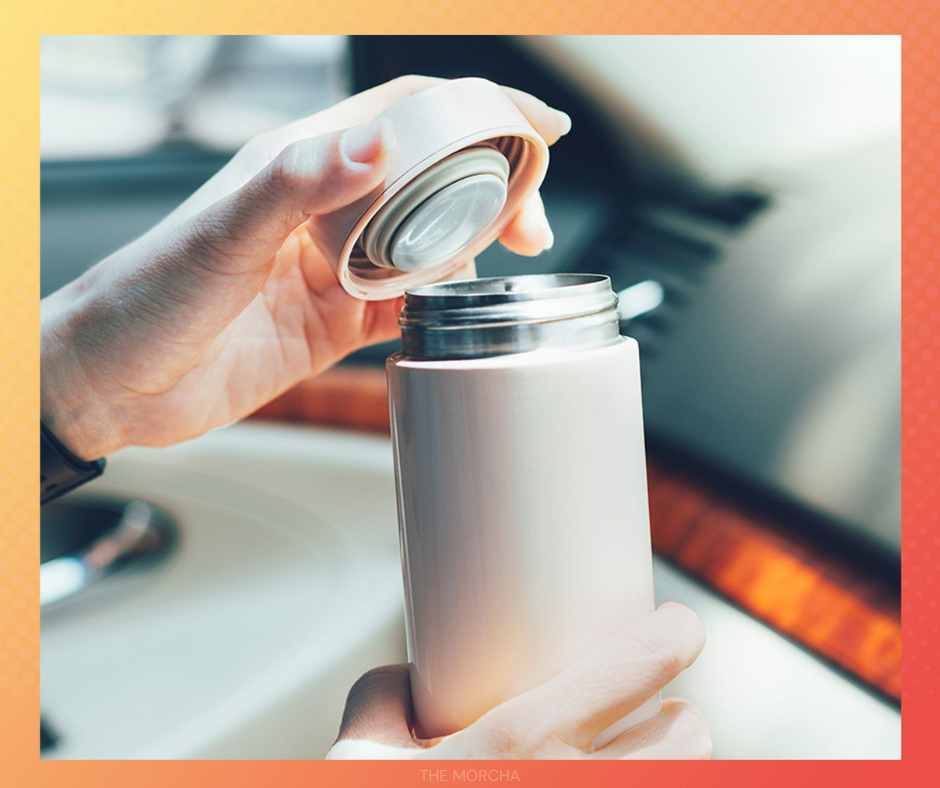
Deep cleaning is especially important if you use your bottle for beverages other than water, such as juice, milk, or protein shakes, as these liquids leave behind sugars and proteins that accelerate bacterial and mold growth. Regular weekly deep cleaning complements daily washing and ensures your bottle remains safe, odor-free, and hygienic for long-term use.
Different Materials and Their Hygiene Impact
The material of your water bottle plays a significant role in determining how easily bacteria can grow and how simple it is to maintain hygiene. Plastic bottles, while lightweight and inexpensive, tend to develop scratches and tiny grooves over time, providing ideal hiding spots for bacteria, mold, and biofilm, making thorough cleaning more difficult. Stainless steel bottles are more durable and naturally resistant to bacterial buildup, and their smooth surfaces make cleaning easier and more effective.
Glass bottles are non-porous and do not absorb odors or flavors, but they are fragile and can break easily. Bottles with built-in straws, flip caps, or complex lids require extra attention, as moisture can become trapped in small crevices, creating the perfect environment for bacterial and mold growth. Regular cleaning and inspection are crucial, especially for bottles with intricate designs, to ensure long-term safety and hygiene.
Signs That Your Bottle Needs Immediate Cleaning
Certain warning signs indicate that your water bottle may be contaminated and needs immediate attention. A foul or sour odor coming from the bottle is one of the first indicators of bacterial or mold growth. A slimy film on the interior surface, even if invisible at first glance, suggests that bacteria have formed biofilm, which is difficult to remove without thorough cleaning. Unusual taste in water or visible mold spots inside the bottle or on the lid are clear red flags.
If the bottle feels sticky or coated despite rinsing, it is likely heavily contaminated. Ignoring these signs can increase the risk of gastrointestinal infections, allergic reactions, or other health issues. In such cases, it is crucial to either deep clean the bottle immediately using proper methods or replace it altogether to ensure safety. Regular inspection helps prevent prolonged exposure to harmful microorganisms and maintains overall hygiene.
How Often Should You Replace Your Water Bottle?
Reusable water bottles are designed for long-term use, but they are not indestructible and require periodic replacement to ensure hygiene and safety. Plastic bottles, being more prone to scratches and wear, should generally be replaced every six to twelve months, as cracks and abrasions can harbor bacteria that are difficult to remove. Stainless steel bottles are more durable and resistant to bacterial growth, but significant dents or damage to the inner lining can compromise their safety, making replacement necessary.
Rubber seals, lids, and straws often experience wear faster than the bottle itself and may need more frequent replacement to prevent mold and bacterial buildup. Regular inspection of all components, including the cap, mouthpiece, and threads, helps identify damage early. Timely replacement, combined with proper cleaning, ensures that your water bottle remains hygienic, safe, and effective for daily use, protecting your health over the long term.
The Impact of Temperature on Bacterial Growth
Leaving your water bottle in a hot car, on a sunny desk, or in any warm environment significantly accelerates bacterial growth. Heat provides ideal conditions for microorganisms to multiply rapidly, increasing the risk of contamination. Even insulated bottles, which maintain the temperature of the water inside, can have warm exterior surfaces, particularly around the lid or spout, where bacteria tend to accumulate. Storing your bottle in a cool, shaded, and clean location helps minimize bacterial proliferation.
Additionally, avoiding prolonged exposure to heat and regularly washing and drying the bottle after use are essential steps to maintain hygiene and reduce the likelihood of illness caused by contaminated water. Consistently monitoring storage conditions can greatly enhance the safety of your daily hydration routine.
Hygiene Habits to Prevent Contamination
Simple hygiene habits can significantly reduce the risk of water bottle contamination and protect your health. Always wash your hands thoroughly before handling or drinking from your bottle to minimize the transfer of bacteria. Avoid placing the mouthpiece or lid on dirty surfaces, as this can introduce germs directly into the bottle. Keep the bottle closed when not in use to prevent airborne particles or dust from entering. Store it separately from shoes, gym clothes, or other potentially contaminated items in bags.
Never mix leftover water with freshly filled water without cleaning the bottle first, as residual bacteria can multiply quickly. Regularly inspecting and maintaining your bottle, combined with these small daily precautions, ensures your water stays clean and safe to drink while significantly reducing exposure to harmful microorganisms. Consistent attention to these practices helps maintain both personal hygiene and overall health.
Myths About Water Bottle Cleanliness
Many people believe that simply rinsing a water bottle with plain water is sufficient to keep it clean, but this is a dangerous misconception. Rinsing does not remove biofilm, the slimy layer of bacteria that forms over time, nor does it kill the microorganisms that accumulate from saliva and environmental exposure. Another common myth is that filling a bottle with cold water prevents bacterial growth entirely; while cold temperatures may slow down bacterial multiplication, they do not stop it, allowing microbes to persist and multiply over time.
Additionally, many assume that if a bottle looks clean on the surface, it is safe to use, but most bacteria and mold are invisible to the naked eye. Believing these myths can lead to negligence in proper cleaning, increasing the risk of gastrointestinal infections, mold exposure, and other health problems. Educating yourself about these common misconceptions reinforces the importance of daily cleaning, weekly deep cleaning, and proper drying practices to ensure your water bottle remains hygienic and safe for regular use.
Stay Hydrated, Stay Healthy
A reusable water bottle is a valuable tool for maintaining hydration and supporting overall wellness. However, neglecting its cleanliness can transform it into a source of harmful bacteria and illness. Daily washing, proper drying, and regular deep cleaning are essential to prevent contamination. The effort required is minimal compared to the health benefits it provides. By treating your water bottle with the same care as your eating utensils, you protect yourself from stomach infections, mold exposure, and bacterial growth.
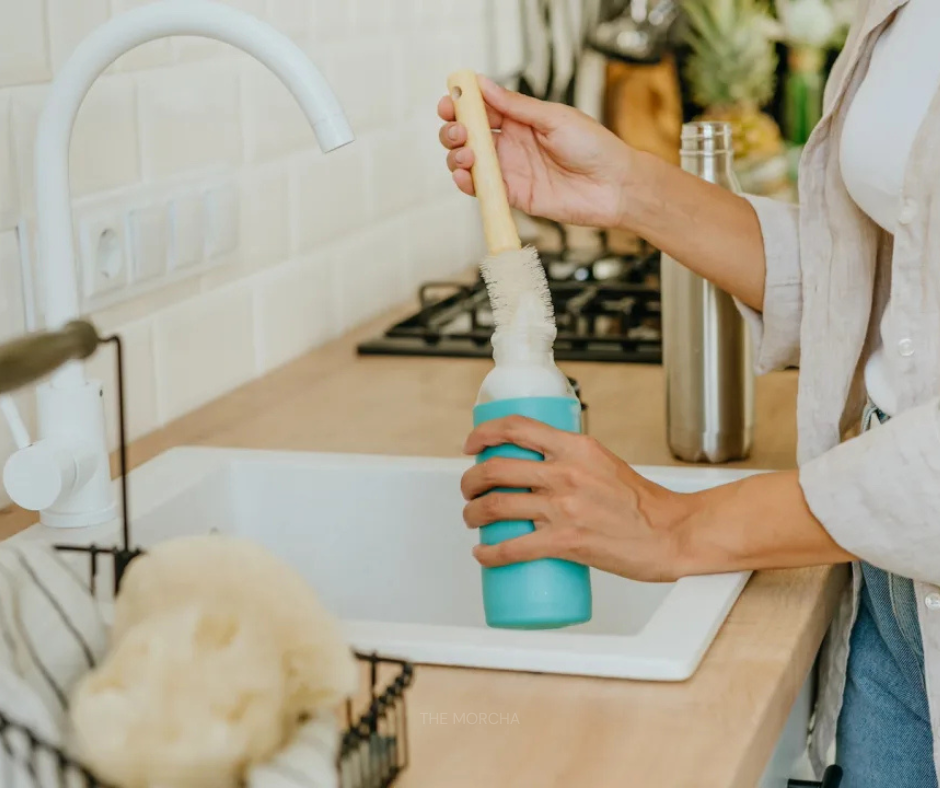
Consistently maintaining hygiene not only keeps the water safe to drink but also prevents unpleasant odors and slimy buildup that can make drinking uncomfortable. A clean bottle encourages regular hydration, supports digestive health, boosts immunity, and reduces the risk of illness, making proper maintenance a simple yet vital part of your daily wellness routine.