
Warren Buffett biography is not just the story of a billionaire; it is the story of discipline, patience, values, and long-term thinking in a world obsessed with shortcuts and instant success. Known globally as the “Oracle of Omaha,” Warren Buffett is admired not only for his enormous wealth but also for his simple lifestyle, ethical mindset, and rational approach to life and business. His journey proves that success does not require extravagance, arrogance, or greed. Instead, it requires clarity of thought, emotional control, and consistency over decades. This biography explores his life in depth, highlighting how a boy with an interest in numbers grew into one of the most respected investors in history.
Table of Contents
Early Life and Childhood of Warren Buffett
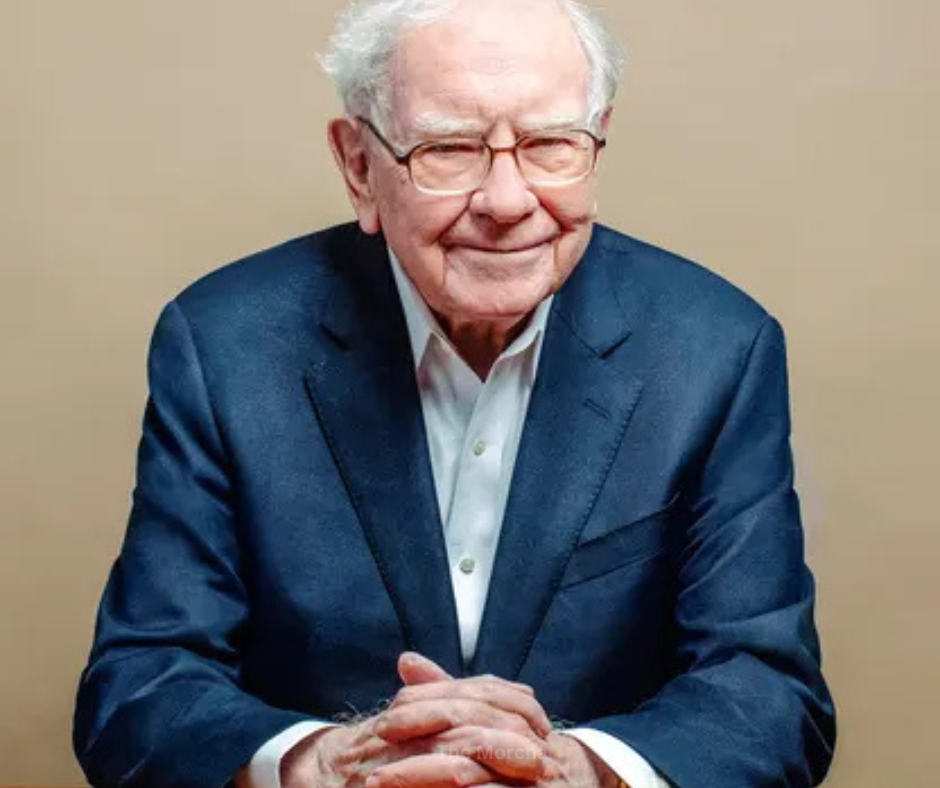
Warren Edward Buffett was born on August 30, 1930, in Omaha, Nebraska, during a period of economic uncertainty in the United States. Growing up in the shadow of the Great Depression deeply influenced his thinking about money, savings, and risk. His father, Howard Buffett, was a stockbroker and later a U.S. Congressman, which exposed Warren to financial discussions at a very young age. Even as a child, Buffett showed an unusual fascination with numbers, profits, and business ideas. He sold chewing gum, Coca-Cola bottles, and newspapers, carefully calculating margins and returns. This early exposure to small-scale entrepreneurship laid the foundation for his future investment mindset.
Beyond these activities, Buffett was known for his curiosity and discipline. He spent much of his free time reading newspapers and financial material, developing a habit of continuous learning. He preferred saving money over spending it and reinvesting his small earnings, showing patience uncommon for his age. These childhood habits strengthened his analytical thinking and shaped the disciplined, long-term approach that later defined his success.
Warren Buffett’s Early Interest in Business and Money
What separates Warren Buffett biography from many other success stories is how early his financial discipline developed. By the age of eleven, Buffett made his first stock investment, buying shares of Cities Service Preferred. Although the stock initially fell, testing his patience, Buffett learned an invaluable lesson about emotional control and long-term thinking. This experience shaped his belief that investing is not about quick wins but about conviction and time. As a teenager, he continued experimenting with small businesses, including a pinball machine venture that generated steady cash flow. These experiences taught him the power of compounding and reinvestment long before he formally studied finance.
Alongside these ventures, Buffett developed a habit of analyzing opportunities logically rather than emotionally. He carefully studied balance sheets, followed market trends, and tracked profits with remarkable attention to detail. Instead of chasing risky ideas, he focused on consistency and sustainability. These early practices strengthened his confidence in decision-making and reinforced his belief that patience, discipline, and knowledge are the true foundations of long-term financial success.
Education and Academic Journey
Warren Buffett biography also highlights the importance of learning, even for someone naturally gifted. Buffett attended the University of Nebraska, where he studied business administration, and later applied to Harvard Business School but was rejected. Instead of being discouraged, he enrolled at Columbia Business School, where he studied under Benjamin Graham, the father of value investing. This decision changed his life forever. Graham’s philosophy of investing with a margin of safety, analyzing intrinsic value, and avoiding speculation became the backbone of Buffett’s strategy. Buffett later described Graham as one of the most influential people in his life, second only to his father.
During his time at Columbia, Buffett immersed himself in financial theory, reading extensively and applying concepts practically. He excelled academically and developed a disciplined analytical framework. This period strengthened his belief in lifelong learning and intellectual humility. The rigorous education he received prepared him to think independently, challenge market assumptions, and build a rational, value-driven approach to investing.
Influence of Benjamin Graham and Value Investing
A crucial chapter in Warren Buffett biography is his relationship with Benjamin Graham. Under Graham’s mentorship, Buffett learned that stocks are not lottery tickets but ownership in real businesses. He absorbed the idea that markets can be irrational in the short term but tend to reflect true value in the long term. This approach helped Buffett develop emotional detachment from market noise and focus on fundamentals. Even decades later, Buffett credited Graham’s teachings as the intellectual framework that guided every major investment decision he made.
Graham also emphasized the concept of a “margin of safety,” encouraging investors to protect themselves from uncertainty and errors in judgment. Buffett adopted this principle wholeheartedly, applying it consistently throughout his career. Over time, he refined Graham’s ideas by combining them with qualitative analysis, such as management quality and brand strength. This evolution allowed Buffett to move beyond pure numerical valuation while still honoring Graham’s core philosophy.
Early Career and Buffett Partnership Ltd
After completing his education, Warren Buffett worked briefly at his father’s brokerage firm and later at Graham-Newman Corporation. In 1956, he returned to Omaha and started Buffett Partnership Ltd., pooling money from friends and family. This phase of Warren Buffett biography demonstrates his discipline and trust-building ability. He promised partners transparency, honesty, and long-term performance rather than flashy returns. Over the next decade, Buffett consistently outperformed the market, proving that his value investing approach worked in real-world conditions.
Buffett maintained strict investment standards and avoided speculative behavior, even during market booms. He communicated openly with his partners through detailed letters, explaining both successes and failures. This honesty strengthened investor confidence and long-term commitment. By carefully selecting undervalued securities and exercising patience, Buffett demonstrated exceptional capital allocation skills. The success of the partnership established his reputation as a thoughtful, disciplined investor and laid the groundwork for his future leadership of Berkshire Hathaway.
Acquisition and Transformation of Berkshire Hathaway
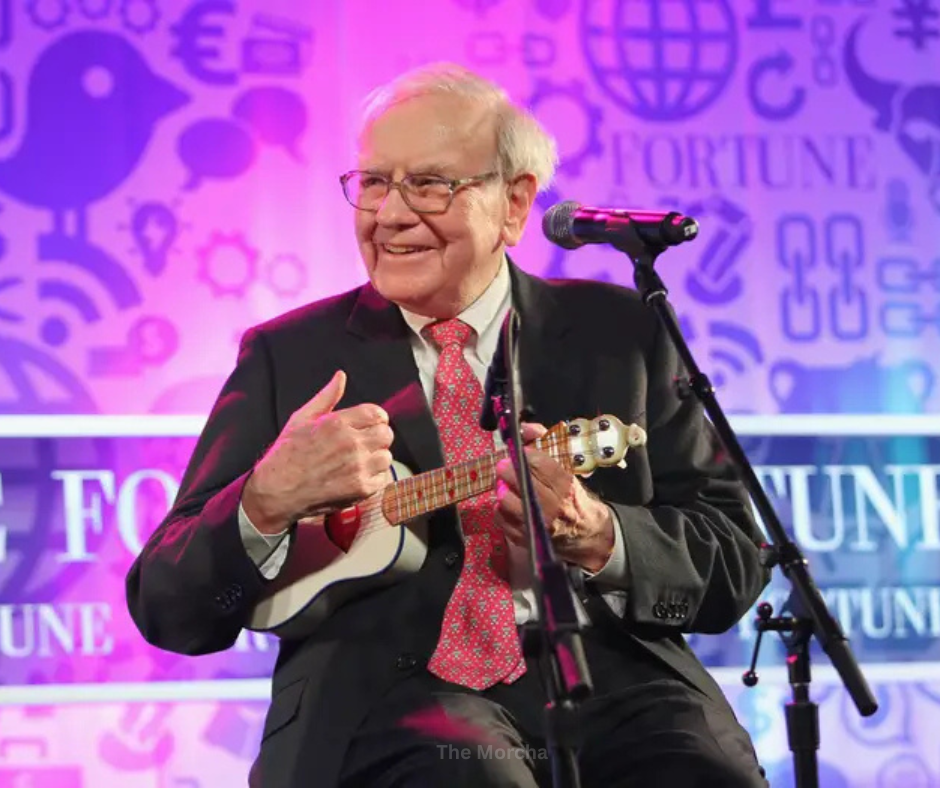
One of the most defining moments in Warren Buffett biography was his acquisition of Berkshire Hathaway, originally a struggling textile company. While the textile business eventually declined, Buffett used Berkshire as a holding company to invest in other businesses. Under his leadership, Berkshire Hathaway transformed into a massive conglomerate with investments in insurance, energy, consumer goods, railroads, and technology. This strategic shift showcased Buffett’s ability to adapt, learn from mistakes, and allocate capital efficiently.
Buffett’s approach was methodical: he sought businesses with strong management, predictable earnings, and sustainable competitive advantages. He reinvested profits wisely rather than chasing short-term gains, demonstrating discipline and foresight. Over time, Berkshire became a symbol of his investment philosophy, blending patience, analytical rigor, and long-term vision.
Investment Philosophy and Long-Term Thinking
Warren Buffett biography is inseparable from his investment philosophy. Buffett believes in buying high-quality businesses with strong management, competitive advantages, and predictable earnings. He famously says his favorite holding period is “forever.” Unlike traders who react to daily price movements, Buffett focuses on long-term business performance. He avoids investments he does not understand and emphasizes simplicity over complexity. This mindset has helped him avoid major financial disasters and allowed compounding to work in his favor over decades.
Buffett’s philosophy also stresses patience and discipline, requiring investors to resist emotional impulses during market fluctuations. He studies companies thoroughly, evaluating both quantitative metrics and qualitative factors such as leadership quality and brand strength. By investing with a margin of safety, avoiding speculation, and trusting the power of compounding, Buffett consistently generates sustainable returns. His approach demonstrates that understanding intrinsic value and remaining committed to sound principles outweighs chasing quick profits in unpredictable markets.
Warren Buffett’s Net Worth and Wealth Creation
Despite his simple lifestyle, Warren Buffett is one of the wealthiest individuals in the world. His net worth, built primarily through Berkshire Hathaway shares, grew gradually rather than overnight. Warren Buffett biography teaches that wealth creation is often slow, steady, and boring when done correctly. Most of his wealth was accumulated after the age of 50, highlighting the power of compounding over time. His story challenges the myth that success must come early or dramatically.
Buffett’s approach demonstrates that patience, disciplined reinvestment, and strategic capital allocation are far more effective than chasing speculative opportunities. He avoided debt and risky ventures, focusing instead on businesses with predictable earnings and long-term potential. By consistently following his principles, he harnessed the exponential power of compounding, showing that sustainable wealth is created through thoughtful decisions over decades rather than impulsive actions or short-term trends. His journey serves as a blueprint for long-term financial success.
Simple Lifestyle and Personal Values
One of the most inspiring aspects of Warren Buffett biography is his modest lifestyle. Buffett still lives in the same Omaha house he bought in 1958, drives practical cars, and avoids unnecessary luxury. He prefers simple food, maintains old friendships, and values routine. His lifestyle reflects his belief that happiness does not increase with material excess. This authenticity has earned him respect far beyond financial circles and made him a role model for ethical wealth.
Buffett’s personal values extend to honesty, integrity, and generosity. He believes in giving back to society, supporting charitable causes, and mentoring young investors. Despite his immense wealth, he prioritizes relationships, learning, and personal growth over indulgence. His consistent adherence to these principles demonstrates that true success is measured not only by financial achievements but by character, discipline, and the positive impact one has on others. This blend of humility and wisdom makes his life story deeply inspirational.
Attitude Toward Money and Happiness
Warren Buffett biography offers profound insights into the relationship between money and happiness. Buffett often emphasizes that money is a tool, not a goal. He believes true success is measured by how many people love you, not by your bank balance. This perspective keeps him grounded despite immense wealth. He warns against sacrificing health, relationships, and integrity in pursuit of money, reminding people that no amount of wealth can buy time or peace of mind.
Buffett also stresses the importance of contentment and living within one’s means. Despite being a billionaire, he leads a modest lifestyle and avoids unnecessary extravagance. He finds joy in simple pleasures, like spending time with family, reading, and engaging in meaningful conversations. His approach teaches that financial success should complement life satisfaction, not replace it, and that well-being, relationships, and personal values ultimately define true happiness.
Philanthropy and the Giving Pledge
A significant chapter in Warren Buffett biography is his commitment to philanthropy. Through the Bill & Melinda Gates Foundation, Buffett promised to donate over 99 percent of his fortune to worthy causes. He co-founded the Giving Pledge, encouraging other billionaires to donate the majority of their wealth to society. This decision reflects his belief that extreme wealth carries moral responsibility and should be used to improve the world.
Leadership Style and Management Principles
Warren Buffett biography also highlights his unique leadership style. Buffett trusts managers, avoids micromanagement, and focuses on integrity over credentials. He prefers hiring people who are passionate, honest, and capable of independent thinking. His annual letters to shareholders are considered masterclasses in business communication, combining clarity, humility, and wisdom. Buffett’s leadership philosophy emphasizes long-term relationships and ethical behavior.
In addition, Buffett encourages autonomy, giving managers the freedom to make decisions while holding them accountable for results. He believes that motivated, responsible employees produce better outcomes than those strictly supervised. By prioritizing trust, transparency, and a shared vision, Buffett fosters loyalty and stability within his organizations. His approach demonstrates that ethical leadership, combined with strategic guidance and respect for talent, drives sustained success over decades.
Major Successes and Notable Investments
Over the years, Warren Buffett made several legendary investments, including Coca-Cola, American Express, GEICO, and Apple. Each investment reflects his principles of brand strength, competitive advantage, and long-term growth. Warren Buffett biography shows that these successes were not random but the result of deep analysis and patience. He often waited years for the right opportunity, proving that restraint can be more powerful than action.
Mistakes, Failures, and Lessons Learned
Unlike many glorified success stories, Warren Buffett biography openly acknowledges mistakes. Buffett has admitted errors in judgment, missed opportunities, and flawed decisions. However, he views mistakes as learning experiences rather than failures. His willingness to admit errors publicly demonstrates humility and continuous learning, qualities essential for long-term success in any field.
Buffett’s approach to mistakes emphasizes reflection and adaptation. He carefully analyzes what went wrong, identifies the underlying causes, and adjusts his strategies accordingly. This mindset prevents repeated errors and builds stronger decision-making skills over time. He also stresses that fear of failure should never prevent action; instead, calculated risks combined with careful study are key. By sharing his experiences openly, Buffett inspires others to embrace mistakes as opportunities for growth, fostering resilience, self-awareness, and the ability to improve continually, both personally and professionally.
Warren Buffett’s Views on Risk and Market Behavior
Buffett defines risk as not understanding what you are doing. In Warren Buffett biography, risk management emerges as a central theme. He avoids leverage, speculative assets, and emotional decisions. Buffett believes markets are driven by fear and greed, and successful investors must remain calm when others panic. This psychological discipline has helped him navigate market crashes and economic crises with confidence.
Buffett also emphasizes the importance of thorough research and knowing the intrinsic value of any investment before committing capital. He avoids chasing short-term market trends or following popular opinion, recognizing that panic often creates opportunities for disciplined investors. By prioritizing knowledge, patience, and rational thinking, Buffett demonstrates that minimizing risk is not about avoiding all danger but about making informed decisions, protecting capital, and seizing opportunities when the market acts irrationally.
Life Lessons from Warren Buffett Biography
The life lessons from Warren Buffett biography extend far beyond investing. His story teaches patience, integrity, humility, and the value of lifelong learning. Buffett encourages reading, critical thinking, and self-awareness. He believes habits, once formed, shape destiny. By focusing on character and consistency, Buffett demonstrates that success is as much about who you become as what you achieve.
Buffett’s life also emphasizes the importance of emotional intelligence, discipline, and thoughtful decision-making. He teaches that short-term setbacks are opportunities for learning rather than reasons for discouragement. His commitment to simplicity and ethical behavior shows that true success involves balancing ambition with values. Moreover, Buffett highlights the importance of surrounding oneself with trustworthy and capable people, fostering collaboration, and learning from mentors. Ultimately, his biography serves as a roadmap for personal and professional growth, proving that wisdom, humility, and consistent effort create lasting impact.
The Timeless Relevance of Warren Buffett Biography
Warren Buffett biography remains timeless because it addresses universal truths about life, success, and human behavior. His journey shows that extraordinary results can come from ordinary habits practiced with discipline over time. In a fast-paced world chasing instant rewards, Buffett’s life stands as a reminder that simplicity, patience, and integrity are still powerful. His legacy is not just measured in billions of dollars but in wisdom that continues to inspire generations across the globe.
Buffett’s story emphasizes that character and judgment matter more than luck or fleeting trends. By focusing on ethical decision-making, careful analysis, and long-term thinking, he demonstrates that true success is sustainable and meaningful. His teachings extend beyond finance, offering lessons in humility, perseverance, and the value of lifelong learning. Today, students, entrepreneurs, and professionals worldwide look to Buffett as a model for combining personal integrity with exceptional achievement, proving that principled behavior and consistency are timeless keys to success.