
Vietnam transformation into a top-tier tourism destination reflects a careful balance of growth, sustainability, and global competitiveness. The country has leveraged its rich cultural heritage, diverse natural landscapes, and vibrant urban experiences to attract travelers from around the world. Strategic investments in airports, road networks, and hospitality infrastructure have improved accessibility and comfort, while digital innovations such as e‑visas and online booking platforms have simplified travel for international visitors.

Coupled with targeted marketing campaigns and quality-focused service standards, these initiatives have not only boosted visitor numbers and revenue but also enhanced Vietnam’s reputation as a modern, dynamic, and resilient destination capable of setting new benchmarks in global tourism.
Table of Contents
Historic Growth in Recent Years
In 2025, Vietnam recorded a historic surge in international tourism, welcoming over 21.2 million foreign visitors — a year-on-year increase exceeding 20 percent and well above pre-pandemic levels. This remarkable growth highlights the resilience and rapid recovery of the country’s tourism sector, which faced severe setbacks during the global COVID-19 travel restrictions.
Analysts have pointed out that Vietnam’s rebound has outpaced many of its regional neighbors, reflecting both effective government policies and strong pent-up travel demand. The country’s vibrant culture, scenic landscapes, and improved infrastructure have further strengthened its appeal to international travelers. As a result, Vietnam is now recognized as one of the most dynamic and fast-growing tourism markets worldwide, signaling optimism for continued expansion in the coming years.
Doubling the Tourism Scale
Vietnam has nearly doubled its international visitor numbers since 2016, rising from approximately 10 million arrivals a decade ago to over 20 million in 2025. This dramatic expansion underscores not only the country’s recovery from the setbacks of the COVID-19 pandemic but also the sustained growth and development of its tourism industry over recent years. The rise reflects Vietnam’s growing appeal as a travel destination, driven by its diverse cultural heritage, stunning natural landscapes, and vibrant urban experiences.
Investments in infrastructure, improved connectivity, and promotional campaigns have further strengthened its position in the global tourism market. Analysts note that this growth trajectory places Vietnam among the fastest-growing destinations in Southeast Asia, attracting interest from both leisure and business travelers. With continued innovation and strategic planning, Vietnam is poised to maintain this upward momentum, reinforcing its reputation as a dynamic and resilient tourism hotspot in the years ahead.
Economic Impact of Tourism
In 2025, Vietnam’s tourism sector made a major contribution to the national economy, with total tourism revenue projected to surpass VND 1 quadrillion (roughly USD 40–45 billion), marking one of the highest levels in the country’s history. This remarkable performance reflects the combined impact of rising international arrivals, increased domestic travel, and higher visitor spending. Key urban centers, including Ho Chi Minh City and Hanoi, led the way, generating tens of trillions of VND in tourism income through hotels, restaurants, entertainment, and cultural attractions.
At the same time, provinces such as An Giang, Quang Ninh, and Khanh Hoa also recorded impressive growth, benefiting from investments in local tourism infrastructure, natural attractions, and heritage sites. Analysts note that the economic impact extends beyond direct revenue, stimulating employment, supporting small businesses, and attracting foreign investment. Overall, the sector’s robust performance in 2025 underscores tourism as a critical driver of Vietnam’s broader economic development.
Domestic Tourism Explosion
Alongside the surge in international arrivals, Vietnam experienced an extraordinary boom in domestic tourism in 2025, with hundreds of millions of trips taken by Vietnamese travelers across the country. This surge in internal travel played a crucial role in supporting the hospitality and service sectors, from hotels and resorts to restaurants, transportation, and entertainment venues. Major cities such as Ho Chi Minh City and Hanoi benefited from increased urban tourism, while coastal and rural provinces—including Da Nang, Quang Ninh, and Khanh Hoa—experienced a significant boost in visitor spending and local business activity.

Analysts emphasize that domestic tourism not only complements international arrivals but also ensures a more balanced and resilient economic flow across regions, mitigating reliance on foreign tourists. Seasonal festivals, cultural events, and holiday promotions further fueled this growth, encouraging families and young travelers to explore destinations within the country. The trend demonstrates the rising travel culture among Vietnamese citizens and strengthens tourism as a cornerstone of national economic development.
Key Drivers of Vietnam Tourism Growth
Open and E‑Visa Policies
One of the most transformative changes in Vietnam’s tourism landscape was the comprehensive reform of visa policies. By expanding e‑visa availability to citizens of nearly all countries and extending the duration of authorized stays, Vietnam effectively removed long-standing travel barriers that had previously discouraged international visitors. This simplification of entry procedures allowed tourists to plan trips more easily, reducing both time and cost associated with travel documentation. The policy changes also aligned with global best practices, making Vietnam a more accessible and competitive destination on the international tourism stage.
Analysts note that the reforms have been particularly impactful for spontaneous and short-term travelers, as well as business visitors seeking quick entry. Combined with targeted marketing campaigns and improved airport infrastructure, the e‑visa initiative played a critical role in boosting international arrivals. By facilitating smoother, faster, and more convenient travel, Vietnam has strengthened its position as a leading tourism hub in Southeast Asia.
Infrastructure and Connectivity
Vietnam’s rapid tourism growth in 2025 was supported by substantial investments in transportation and tourism infrastructure. Major airport expansions in cities such as Hanoi, Ho Chi Minh City, and Da Nang have increased passenger capacity and improved efficiency, making international and domestic travel smoother and more convenient. Upgraded road networks, modern highways, and enhanced public transport systems have also facilitated easier access to popular tourist destinations, while the expansion of hotels, resorts, and hospitality facilities has ensured high-quality accommodation options for travelers.
Airlines responded to growing demand by adding direct routes from key cities across Asia, Europe, the Americas, and other regions, strengthening Vietnam’s connectivity with global travel hubs. These improvements not only enhanced the overall travel experience but also encouraged longer stays and higher visitor spending. Analysts note that the combination of infrastructure development and better connectivity has been instrumental in sustaining tourism momentum, positioning Vietnam as a highly accessible and attractive destination for international travelers.
Market Diversification and Tourism Products
Instead of relying on a single tourism type, Vietnam diversified its tourism offerings:
- Eco‑tourism and nature tourism
- Cultural heritage tourism in ancient cities and UNESCO sites
- Beach‑resort destinations like Phu Quoc
- Wellness and luxury travel experiences
- MICE tourism (meetings, incentives, conferences, exhibitions)
This diversification attracted not only traditional travelers but also high‑spending tourists and niche market segments.
Global Recognition and Awards
Vietnam’s rapid rise as a premier travel destination in 2025 has been widely recognized on the international stage. According to leading travel industry rankings and global accolades, the country earned multiple prestigious honors at the 2025 World Travel Awards. Among the notable titles, Vietnam was named World’s Leading Heritage Destination, celebrating its rich cultural sites, historic landmarks, and vibrant traditions.
It also received the award for Asia’s Leading Destination, reflecting its overall appeal, accessibility, and growing popularity among travelers across the continent. Additionally, the nation’s scenic coastal and island regions earned the recognition of World’s Leading Nature Island, highlighting the pristine beaches, natural landscapes, and ecotourism opportunities that attract visitors seeking both adventure and relaxation.
These awards underscore Vietnam’s commitment to offering high-quality travel experiences, from heritage and culture to nature and leisure. Travel experts note that such international recognition not only boosts the country’s global profile but also reinforces confidence among investors, travel operators, and tourists, ensuring continued growth and sustainability in the tourism sector.
Comparative Advantage over Neighbors
Vietnam’s impressive tourism growth in 2025 has not only outpaced many Southeast Asian peers but has also drawn attention from regional competitors. Countries like Thailand, long considered a dominant tourism hub, experienced a relative decline in market share as Vietnam’s appeal strengthened, attracting both leisure and business travelers. Analysts attribute this shift to several strategic advantages that have set Vietnam apart. Expanded e‑visa programs, extended authorized stays, and simplified entry procedures made the country more accessible to international visitors.
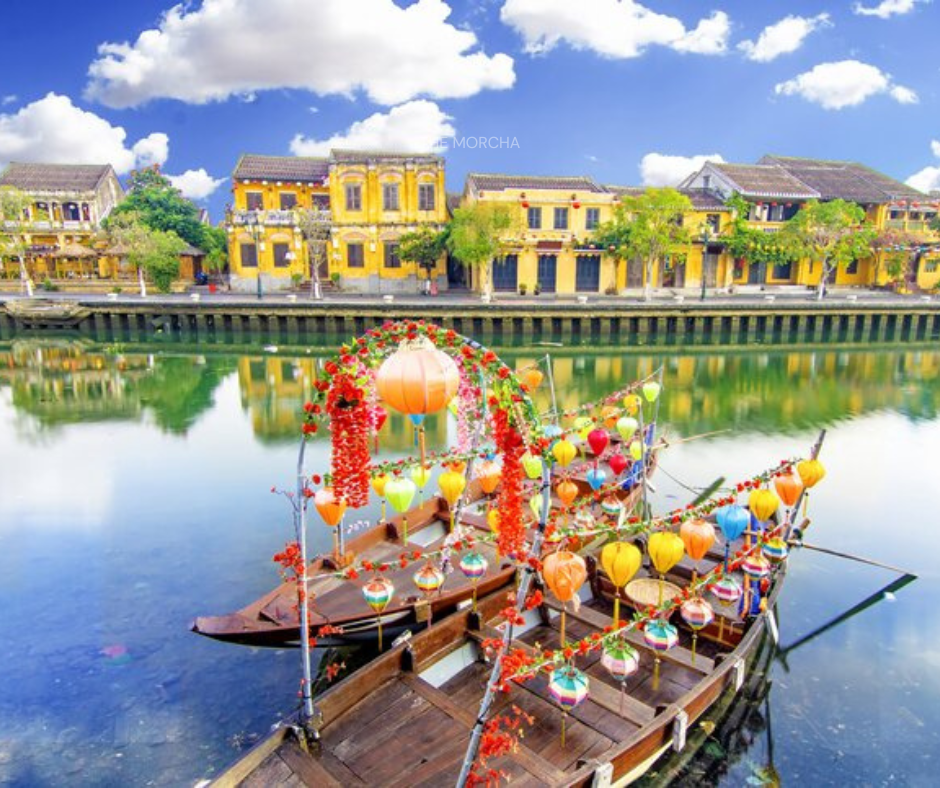
Targeted marketing campaigns, emphasizing Vietnam’s cultural heritage, natural beauty, and emerging urban destinations, successfully captured the interest of diverse traveler segments. In addition, continuous improvements in service quality, transportation, and hospitality infrastructure enhanced the overall visitor experience. Collectively, these measures have enabled Vietnam to differentiate itself, “stealing the spotlight” from neighboring nations and positioning the country as a rapidly emerging leader in the Southeast Asian tourism landscape.
Opportunities for 2026 and Beyond
Looking ahead, Vietnam is setting ambitious targets for 2026 to sustain and accelerate its tourism momentum. The country aims to welcome 25 million international visitors and facilitate over 150 million domestic trips, reflecting both growing global interest and an increasingly travel-active local population. Total tourism revenue is projected to reach approximately 1.125 quadrillion VND, demonstrating the sector’s continuing significance as a driver of economic growth.
These targets are part of a broader strategic vision to position tourism as a cornerstone of sustainable development. By integrating cultural heritage preservation, nature conservation, and community-based initiatives, Vietnam seeks to balance economic expansion with environmental and social responsibility. Investments in infrastructure, digital services, and quality enhancement of tourism experiences are expected to support these goals. Analysts note that such forward-looking planning not only strengthens Vietnam’s competitiveness internationally but also ensures long-term resilience, making tourism a sustainable engine for national prosperity well into the coming decade.
Sustainable and Quality‑Focused Tourism
Beyond the impressive growth in visitor numbers, Vietnam is increasingly emphasizing quality tourism experiences and sustainable development. Authorities and industry stakeholders are focused on raising service standards across hotels, restaurants, transport, and tour operations to ensure a seamless and enjoyable experience for travelers. Eco‑friendly practices, including responsible waste management, energy-efficient facilities, and promotion of nature-based tourism, are being integrated into both urban and rural destinations.
Cultural preservation initiatives, such as supporting local artisans, traditional crafts, and community-based tourism programs, aim to provide authentic experiences while benefiting local communities. By combining service excellence with sustainability, Vietnam seeks to enhance visitor satisfaction, encourage longer stays, and foster repeat tourism. Experts note that prioritizing environmental and cultural responsibility not only protects the country’s natural and heritage assets but also strengthens its reputation as a modern, forward-thinking, and globally competitive tourism destination.
Challenges and Considerations
Despite the strong momentum in Vietnam’s tourism sector, several challenges remain that could affect sustainable growth. Seasonal travel demand fluctuations create periods of overcrowding in popular destinations, followed by quieter periods that impact business stability. During peak seasons, pressure on infrastructure—including airports, roads, and hospitality facilities—can affect service quality and visitor experience. Another critical consideration is balancing mass tourism with environmental preservation, as increasing tourist numbers can put stress on natural landscapes, heritage sites, and coastal ecosystems if not properly managed.
Additionally, ensuring that tourism benefits are equitably shared with local communities remains a priority, as inclusive development supports both economic fairness and cultural preservation. Policymakers and industry stakeholders are working to implement strategies such as capacity management, sustainable tourism standards, and community-based initiatives to address these issues. Effectively navigating these challenges will be essential to maintaining Vietnam’s competitiveness, safeguarding its cultural and natural assets, and ensuring the sector’s long-term viability.
Vietnam Tourism Growth as a Global Success Story
Vietnam’s tourism transformation from a recovering market into a global powerhouse illustrates the power of strategic planning, forward-thinking policy, and targeted investments. Since 2016, the country has nearly doubled international visitor numbers, complemented by a surge in domestic travel, while total tourism revenue reached record highs. Strategic initiatives such as expanded e‑visa programs, simplified entry procedures, and targeted marketing campaigns have made the country more accessible and attractive to travelers from across the globe. Investments in infrastructure—airports, roads, and hospitality facilities—have further enhanced connectivity and visitor experience, while sustainable tourism practices ensure the protection of cultural and natural assets.

The country’s rise has earned multiple international accolades, from World Travel Awards to recognition as a leading heritage and nature destination, highlighting its growing global reputation. Vietnam’s success demonstrates that emerging destinations can thrive in the post-pandemic world through innovation, quality experiences, and strategic planning, creating lasting economic, social, and cultural impact.