
Nicolas Sarkozy Begins Prison Sentence in Libyan Funding Case:-On 25 September 2025, former French President Nicolas Sarkozy was found guilty of criminal conspiracy over alleged illegal financing of his 2007 presidential campaign via Libya. He was sentenced to five years in prison, fined €100,000, and banned from holding public office for five years.
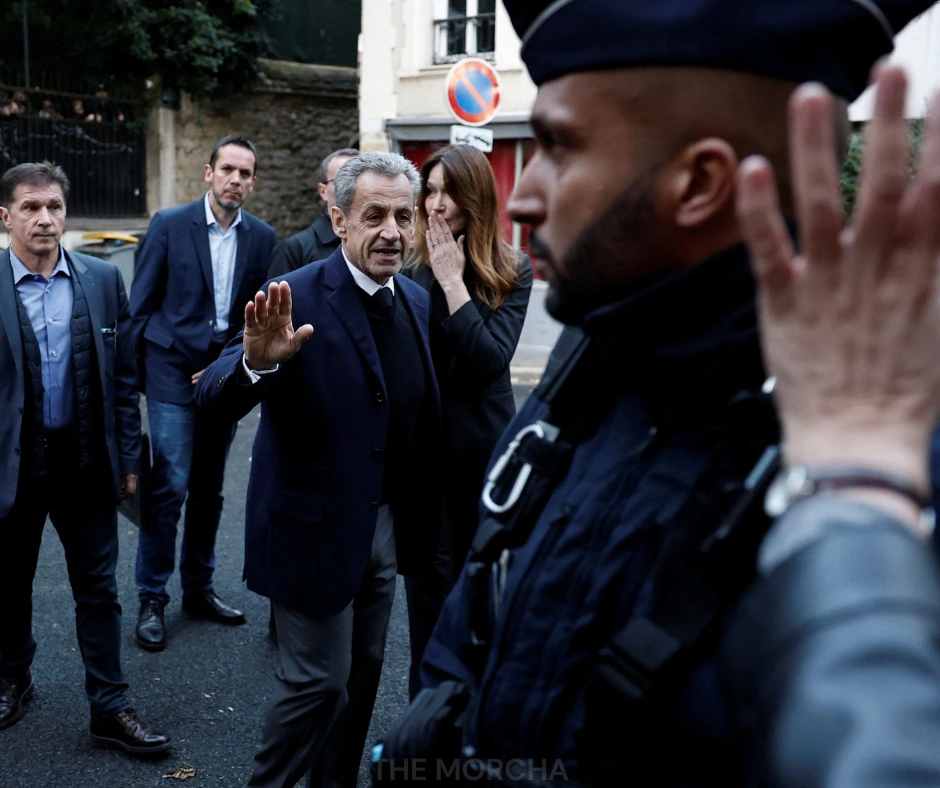
Despite his right to appeal, the court ordered immediate incarceration. On 21 October 2025, Sarkozy entered La Santé Prison in Paris, marking the first time a modern French head of state had to serve actual prison time.
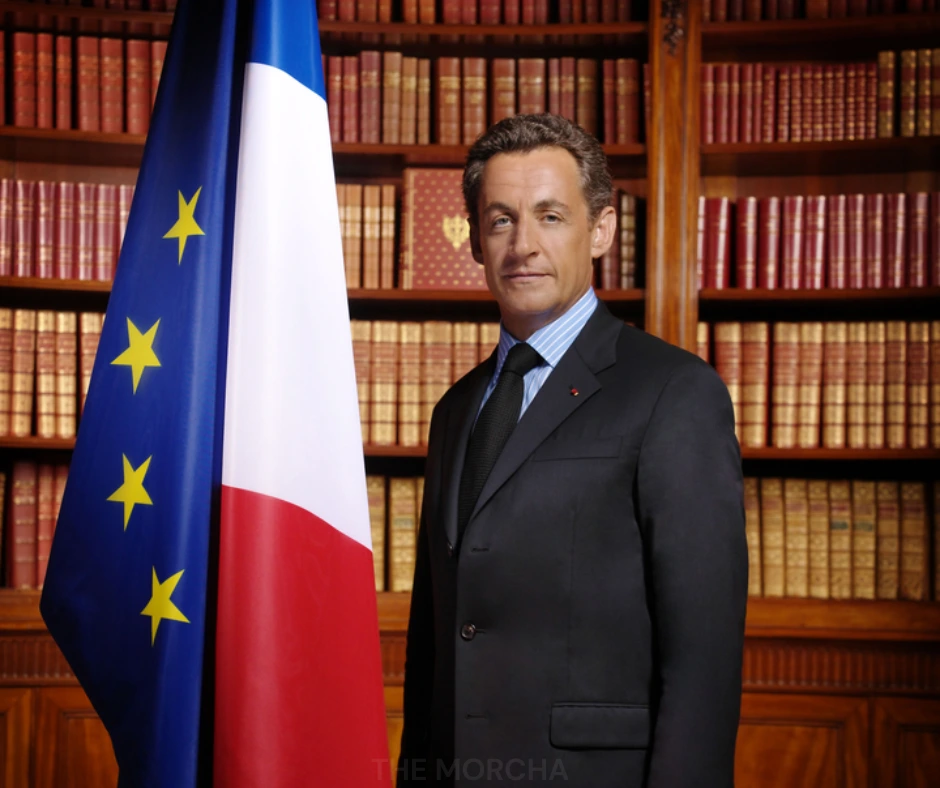
Table of Contents
Prison Placement and Regime
Location & security
Sarkozy is held in La Santé Prison, a central Paris facility known for high‑security sections. Media reports indicate that he is placed in the “high‑security” zone of the prison, segregated from the general population — likely both for his own protection and because of his high‑profile status.
According to reports in Indian media, he is reportedly housed in a cell where he “cleans his own barrack” and lives under conditions similar to a regular inmate — though under heightened surveillance. (User‑submitted claim)
The court’s decision to send him to prison immediately (rather than allow him to remain free during appeal) underscores that the authorities saw the need for strong enforcement rather than leniency.
Daily routine
Detailed official information about his daily routine is limited in the public domain, but the media reporting provides several glimpses:
Despite his former status, Nicolas Sarkozy follows standard prison rules, cleaning his own cell and living under a normal inmate regime. Nicolas Sarkozy has changed his diet, eating only fried tuna and yogurt to avoid potential poisoning, showing his personal caution. Security for Nicolas Sarkozy is high, with monitored visits and interactions. At 70, Nicolas Sarkozy faces age-related health considerations, and his legal team has reportedly applied for early release under judicial supervision. Nicolas Sarkozy’s situation highlights the balance between standard incarceration and protections for a high-profile former president.
Legal Process During Incarceration
Appeal rights and provisional execution
Although Sarkozy has filed an appeal against the conviction, the court ordered that the sentence be executed notwithstanding that appeal. In French law, it is normally possible to remain free on bail pending appeal, but the court can suspend that right for reasons of public order or seriousness of the offence. Here, the court explicitly invoked “exceptional gravity” to justify immediate incarceration.
This means that Sarkozy must serve his sentence unless/until the appeal court grants provisional release — a difficult hurdle given the nature of his offence and his status.
Early‐release possibilities
Nicolas Sarkozy’s legal team is seeking early release due to Nicolas Sarkozy’s age, health, and ongoing appeal. If granted, Nicolas Sarkozy could be under judicial supervision with restrictions. The court will review Nicolas Sarkozy’s flight risk and witness interference potential. Even if released, Nicolas Sarkozy’s sentence remains, and the appeal will decide if Nicolas Sarkozy’s conviction is upheld or overturned.
Impact on political and public life
While incarcerated (or even under judicial supervision), Sarkozy cannot hold any public office for the five‑year ban imposed alongside his sentence. That ban is independent of his physical incarceration. Even if eventually released early, the ban remains until the five‑year period ends.
His political network remains intact but his ability to mobilise publicly is restricted. Visits, communications, and campaigns are curtailed by the prison regime and his status as a convict.
Prison Conditions, Diet & Daily Life: What We Know
Let’s summarise what has been reported in the media and what we can reasonably infer.
Diet and food safety
Nicolas Sarkozy is reportedly eating only tuna and yogurt in prison due to poisoning threats. Nicolas Sarkozy’s diet is strictly controlled by prison authorities and his security team. For a high-profile inmate like Nicolas Sarkozy, such precautions are common. Limiting visitors’ items and communal meals helps keep Nicolas Sarkozy safe. These measures show the security and personal challenges Nicolas Saarkozy faces. Nicolas Sarkozy’s situation highlights the unique risks for former leaders in prison.
Personal duties & cell conditions
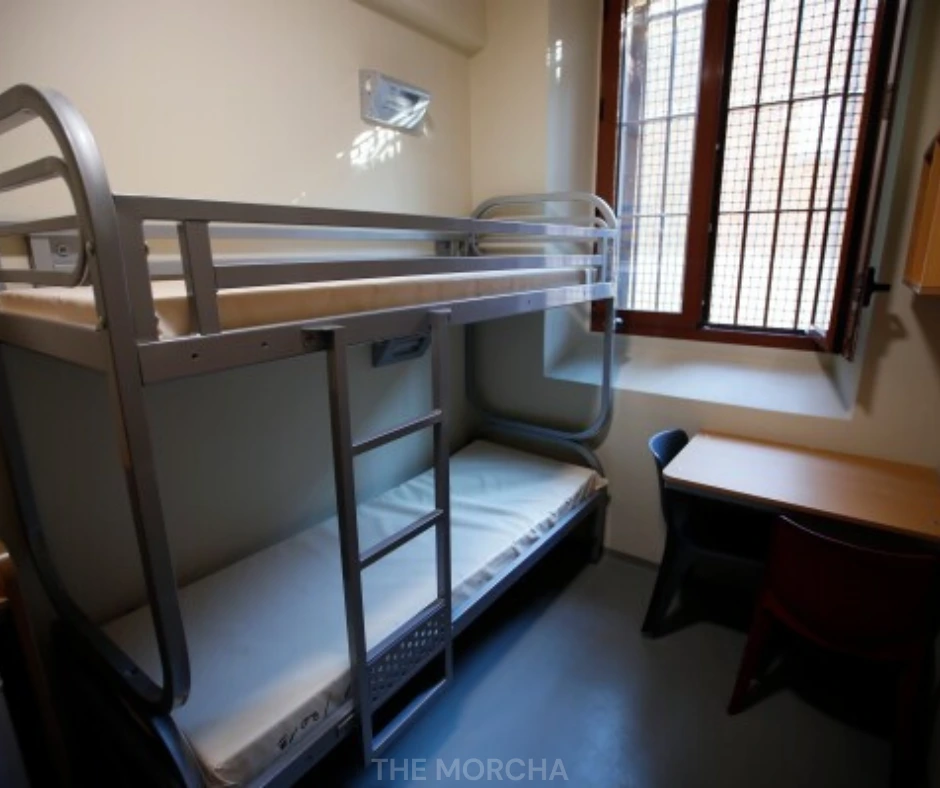
While precise dimensions of his cell are not publicly confirmed, some reports (e.g., Reddit posts) suggest that he might be in a 9 m² cell — though that is unverified. Some posts say he will “clean his cell himself.”
That may be somewhat anecdotal but consistent with media reporting that he is treated rather like a regular inmate, albeit with heightened security.
He is reported to be in a high‑security wing, likely isolated or semi‑isolated, which means:
- Limited contact with other inmates.
- More surveillance (guards, cameras).
- Restricted movement (fewer yard hours, fewer visits).
- Possibly better conditions (for his safety) but still within prison norms.
Threats, safety and special measures
Given that threats of poisoning have been mentioned, prison authorities may have implemented additional security:
- Controlled food preparation and delivery.
- Possibly separate visiting rooms with stricter checks.
- Possibly limited group activities.
- Medical checks and monitoring may be elevated.
For someone like Sarkozy, many aspects of “ordinary” prison life are modified – you still face the loss of freedom, cell confinement, scheduled regime, and monitoring – but you also carry additional burdens: security, media attention, political fallout.
Age & health considerations
At 70, Sarkozy’s age is relevant. Older inmates often have health complications (cardiovascular risk, mobility issues, etc.). Prison systems may adapt:
- More frequent medical checks.
- Possibly a less hardship‑intensive cell (e.g., ground floor, easy access).
- However, age does not guarantee special privileges unless authorised by court/medical authorities.
His legal team may argue for “humanitarian” or health‑based early release or better conditions; but the gravity of the offence may counterbalance that argument.
Psychological & Personal Impact
Loss of status and daily routine shift
For a former President of France, the shift to being one among many inmates is profound. The routine of top‐level politics, state functions, travel, media limelight, and personal freedom is replaced by regimented waking, locking, controlled movement.
The psychological impact might include:
- A sense of loss of control and autonomy.
- Adjustment to prison rhythms – roll‑call, gated movement, restricted communications.
- The social dimension: fewer peers, isolation from former associates, limited visitors.
- Reputation damage and public scrutiny – the daily media coverage may linger.
Sarkozy himself reportedly said at the verdict: “If they absolutely want me to sleep in prison, I will sleep in prison. But with my head held high.”
That suggests he is preparing mentally for the impact, aiming to preserve dignity despite the circumstances.
Family and visitation
While not all details are public, we can reasonably infer:
- Visitation rights in prison apply, but for a high‑profile inmate the process is stricter (identification, security screening).
- Contact (phone calls, mail) may be permitted but monitored.
- His family (wife and children) will feel the impact of reduced physical contact and the social stigma.
- Media attention on visits adds pressure (photos, reporters waiting).
Reputation, legacy & personal reflection
Serving a prison sentence will inevitably affect Sarkozy’s legacy. While he still has supporters, the image of a former president behind bars is difficult to reverse. Inside the prison, he may have time for reflection – about his career, choices, and what comes next.
Given his statement about “sleeping in prison with my head held high,” we may expect he will adopt a posture of dignity rather than collapse into despair – but the long‑term psychological toll remains.
Broader Implications of His Incarceration
Message for accountability
Sarkozy’s imprisonment sends a strong signal: even top political figures can serve actual time for high‑level offences. The case marks a milestone for French justice.
Impact on his political future
Being convicted and incarcerated significantly reduces Sarkozy’s ability to influence politics actively:
- The five‑year ban from public office limits his formal roles.
- Even after release (if early), stigma remains.
- Networking and behind‑the‑scenes influence may persist, but public campaigning is restricted.
Prison system & public perception
This case places the prison system in a spotlight: how a former head of state is treated, what privileges (or lack thereof) he receives, how security is handled, etc. It may prompt debate on equality before the law, prison conditions for high‑profile inmates, and whether justice is seen to be even‑handed.
Lessons for future political actors
Fund‑raising, campaign financing, foreign influence – the case serves as a caution. Political actors everywhere may look at this example and consider how risk arises not only from actions but from perceptions, alliances, foreign funding, and opaque deals.
Open Questions & Uncertainties
While much has been reported, many details remain either undisclosed or under‑reporting. Some of the open issues include:
- Exact cell conditions: size, location, number of hours out of cell, access to yard, etc., are not fully public.
- Health status: What medical checks he receives, what adaptations are made for age.
- Visitor regime: How many visits per month, what monitoring is applied.
- Daily schedule: Precise prison schedule (wakeup, exercise, yard time, work or programs) is unknown in his case.
- Early release ruling: The decision of the early release application remains to be seen — if granted, what conditions will apply?
- Appeal outcome: His appeal may modify or overturn parts of the conviction, which may affect prison time or release conditions.
Timeline of Key Events Related to His Incarceration
- 25 Sept 2025: Court verdict – 5 years’ imprisonment; sentence to begin and be executed immediately despite appeal.
- 13 Oct 2025: Media reports that prosecutors set when and where he must report to prison; date set for 21 October.
South China Morning Post - 21 Oct 2025: Sarkozy enters La Santé Prison in Paris.
- Post incarceration: Reports of strict diet (tuna & yogurt), cell‐cleaning duty, high security due to threats — media details, not official disclosures.
- Early‑release request filed (date unspecified) under judicial supervision authority.
What to Watch
Several developments will be worth watching going forward:
- Appeal Court Decision: Will his conviction be upheld, reduced or overturned? The outcome may affect prison tenure and conditions.
- Early Release Hearing: Will the court grant his release under judicial supervision? If yes, under what terms?
- Health and Age Claims: If Sarkozy’s legal team argues his age/health justify modified regime, how will the prison system respond?
- Public/Political Comeback: After his sentence and ban expire, will Sarkozy attempt a return to politics? How will his incarceration be perceived?
- Prison Condition Transparency: Public interest in how high‑profile inmates are treated may push for more transparency in prison regimes.
- Campaign Finance Reform: The case may stimulate regulatory or legislative change in France (and elsewhere) about campaign funding, foreign influence, and transparency.
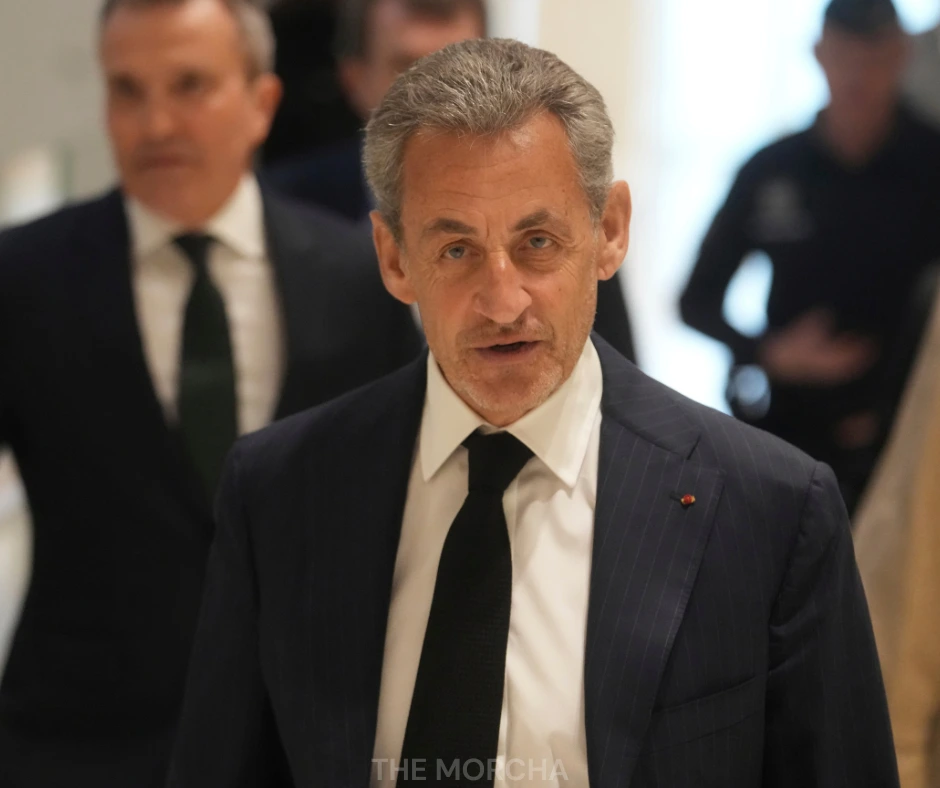
Nicolas Sarkozy’s move from the Élysée Palace to La Santé Prison is historic. Nicolas Sarkozy now faces strict prison routines, isolation, and high security. Despite this, Nicolas Sarkozy holds his head high, showing dignity. His diet, daily life, and threats reflect the reality that even Nicolas Sarkozy, a former president, is not above the law. Nicolas Sarkozy’s imprisonment highlights accountability, security measures, and the challenges of adapting to prison life for high-profile figures like Nicolas Sarkozy.
For observers, his prison life offers a window into how modern democracies enforce accountability at high levels, how public figures adapt to loss of status, how prison systems handle high‑profile cases, and how political legacies can be upended by legal verdicts.