
Museveni’s leadership has dominated Uganda’s political scene for nearly four decades, a period marked by profound social, economic, and political changes. He rose to power in 1986 after leading the National Resistance Army (NRA) to victory in a prolonged civil conflict, establishing the National Resistance Movement (NRM) as the country’s dominant political party.
Museveni’s leadership has been characterized by strategic political maneuvering, centralized authority, and careful management of both domestic and international perceptions. His policies and governance approach have brought relative stability, infrastructural development, and improvements in public health and education. At the same time, his extended tenure has drawn criticism for limiting political freedoms, suppressing opposition, and concentrating power.

As one of Africa’s longest-serving leaders, Museveni remains a highly influential figure whose political resilience has shaped Uganda’s trajectory. His leadership legacy continues to spark debate, reflecting the complex interplay between development, stability, and authoritarianism in long-term governance.
Table of Contents
Early Years and Rise to Power
Yoweri Museveni’s early life and education played a crucial role in shaping his revolutionary ambitions. Born in 1944 in Uganda’s Ankole region, he pursued higher education at the University of Dar es Salaam and later at Makerere University, where he became actively involved in political activism. His political ideology was influenced by regional liberation movements and Marxist ideas circulating in East Africa during the 1960s and 1970s.
After completing his education, Museveni returned to Uganda and became a prominent figure in resistance movements against the oppressive regimes of Idi Amin and Milton Obote. His leadership of the National Resistance Army (NRA) culminated in the successful seizure of power in 1986. Museveni’s early years as president focused on stabilizing a nation devastated by decades of violence, rebuilding government institutions, and establishing relative security. These formative experiences laid the foundation for his long-term approach to governance, combining political pragmatism with a strong emphasis on maintaining control and national stability.
Museveni’s Economic and Social Policies
In the early years of his presidency, Museveni focused on economic liberalization and structural reforms designed to modernize Uganda’s economy and attract foreign investment. His policies included the privatization of state-owned enterprises, reforms in the banking sector, and initiatives to boost agricultural productivity. These measures helped stabilize the economy after years of conflict and laid the foundation for future growth.
On the social front, Museveni prioritized education and public health. His administration launched programs to combat the HIV/AIDS epidemic, which had severely affected Uganda in the 1980s and 1990s, and worked to expand access to basic healthcare and schooling. These initiatives earned him praise from international organizations and positioned Uganda as a model of post-conflict recovery in Africa.
However, critics argue that the benefits of economic growth have been unevenly distributed, with urban centers seeing rapid development while rural communities continue to face limited access to services and opportunities. This uneven development has contributed to persistent social inequalities, highlighting the challenges of achieving truly inclusive growth under Museveni’s long-standing policies.
Constitutional Amendments and Political Longevity
A major factor in Museveni’s extended rule has been the strategic amendment of Uganda’s constitution. In 2005, presidential term limits were removed, allowing Museveni to run for office indefinitely. Later, in 2017, the age limit for presidential candidates was lifted, further securing his eligibility for reelection. These legal changes, combined with the suppression of political opposition and manipulation of electoral processes, have enabled Museveni to maintain a firm hold on power while maintaining the appearance of democratic legitimacy.
While these constitutional amendments have been formally sanctioned, they have faced widespread criticism from opposition parties, civil society organizations, and international observers. Critics argue that such changes undermine democratic norms and entrench long-term authoritarianism. By reshaping the legal framework to favor his continued leadership, Museveni has demonstrated a keen understanding of both political strategy and the flexibility of institutional rules, reinforcing his dominance in Uganda’s political landscape.
Electoral Dynamics and Controversies under Museveni
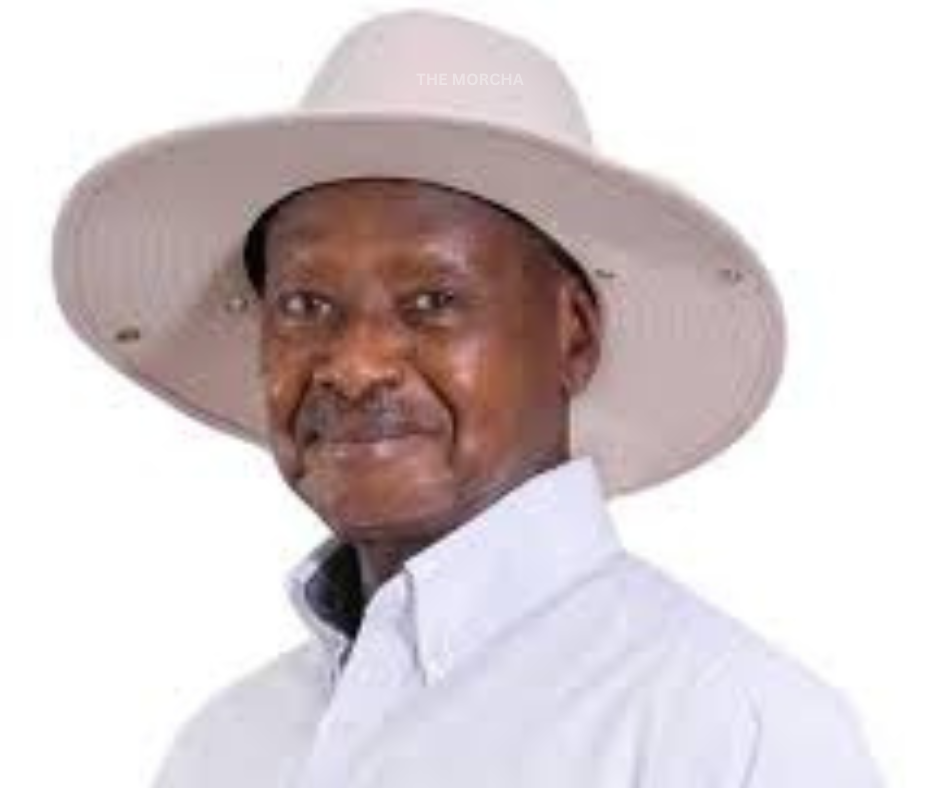
Museveni’s electoral victories have frequently been marked by controversy, with opposition leaders and observers citing irregularities, voter intimidation, and restrictions on political freedoms. The 2026 election, in which Museveni secured a seventh term, highlighted these challenges. Opposition figure Bobi Wine and his supporters reported widespread fraud, harassment of voters, and suppression of campaign activities, raising concerns about the credibility of the process.
International observers also noted the significant presence of state security forces at polling stations, along with pre-election internet shutdowns that limited the flow of information and curtailed opposition campaigning. Despite these challenges, Museveni’s electoral machinery—built on a combination of strategic political planning, control over state institutions, and military support—has consistently ensured his dominance. These electoral dynamics illustrate the complex interplay between political strategy, state control, and the ongoing struggle for democratic reform in Uganda.
The Role of the Military in Museveni’s Rule
The Ugandan military has been a cornerstone of Museveni’s long-standing rule, serving as both a protector of the regime and a tool for consolidating political power. General Muhoozi Kainerugaba, Museveni’s son, commands a prominent role within the armed forces, highlighting the close intertwining of family, politics, and military authority. This loyal military structure has been essential in deterring potential coups, maintaining public order during elections, and suppressing opposition movements when needed. Museveni’s reliance on the military reflects a broader strategy of integrating security forces into governance, ensuring that key decisions and political stability remain closely aligned with the interests of the presidency.
The role of the military extends beyond security. Members of the armed forces are often embedded in government institutions, local administration, and economic ventures, giving Museveni multiple levers of control across both political and social spheres. Specialized units, sometimes referred to as “presidential guards” or elite commandos, operate with significant autonomy and have been accused of intimidating political opponents. Their presence has reinforced a culture of fear that discourages dissent and strengthens the NRM’s grip on power.
However, this militarization has drawn widespread criticism. Human rights organizations regularly report abuses, including arbitrary arrests, excessive use of force during protests, and intimidation of journalists. Critics argue that the integration of the military into politics blurs the line between national defense and regime protection, undermining democratic norms and civilian oversight. While the military has contributed to relative stability in Uganda, it has simultaneously entrenched authoritarian practices, raising concerns about the long-term implications for governance, civil liberties, and political pluralism in the country.
Opposition Movements and Challenges in Uganda
Despite the dominance of Museveni’s National Resistance Movement (NRM), opposition movements have remained active and are gaining influence, particularly among youth and urban populations. A notable example is Bobi Wine, a former musician turned politician, who has become a symbol of a new generation advocating for democratic reform and challenging the entrenched political system. His campaigns have focused on issues such as corruption, economic inequality, and the suppression of political freedoms, resonating with many Ugandans seeking change.
However, opposition parties face significant obstacles, including restrictions on public assembly, censorship, intimidation, and targeted arrests of leaders and supporters. Despite these challenges, the continued presence and growth of opposition voices highlight the persistent tensions within Uganda’s political landscape and the strong demand for alternative leadership. The resilience of these movements underscores that political dissent remains a critical force shaping the country’s present and future governance.
International Relations and Foreign Policy under Museveni
Museveni’s foreign policy has been a careful balance between maintaining strong ties with Western donors and fostering strategic partnerships within the East African region. Early in his presidency, he was praised internationally for stabilizing Uganda after years of conflict and for leading successful initiatives to combat HIV/AIDS. This earned him significant support and legitimacy on the global stage.
However, over time, Museveni faced criticism from the international community for authoritarian practices, electoral irregularities, and suppression of dissent. Despite this, Uganda has remained active in regional peacekeeping missions, conflict mediation, and cooperation with international organizations, which has helped sustain a level of global credibility. Museveni’s diplomatic approach highlights the challenge of balancing domestic political control with international expectations for human rights, democratic governance, and transparency—a balance that has defined much of Uganda’s foreign policy under his long tenure.
Wealth, Governance, and Corruption Allegations under Museveni
Museveni’s extended time in power has sparked ongoing questions about governance, wealth accumulation, and corruption in Uganda. While the president officially receives state-funded benefits, critics point to allegations of personal enrichment, nepotism, and favoritism toward political allies. Such practices have contributed to the concentration of economic opportunities among a politically connected elite, deepening social and regional inequalities.
Transparency International and other watchdog organizations have repeatedly highlighted Uganda’s persistent corruption challenges, particularly in areas like public resource allocation, government procurement, and political patronage. These issues have affected public trust in institutions and raised concerns about the fairness and transparency of Uganda’s governance. While Museveni has overseen economic growth and development in certain sectors, the unequal distribution of wealth and influence continues to shape perceptions of his administration and its long-term impact on Uganda’s political and social landscape.
Media, Public Perception, and Information Control under Museveni
Control over information has been a key element of Museveni’s political strategy in Uganda. State-run media often promote narratives favorable to the government, while independent journalists and media outlets face restrictions, intimidation, or harassment. During elections, internet shutdowns, social media monitoring, and censorship have been used to limit opposition messaging and influence public discourse, giving the ruling party a significant advantage.
Despite these challenges, independent journalists and social media platforms continue to play a crucial role in exposing human rights abuses, corruption, and other issues, providing a platform for dissenting voices. Public perception of Museveni is deeply divided: many credit him with bringing long-term stability, economic development, and improved infrastructure, while others criticize his authoritarian practices, suppression of dissent, and concentration of power. This dual perception reflects the complex legacy of Museveni’s leadership and the ongoing tension between state control and public accountability.
Human Rights and Civil Liberties under Museveni
Human rights and civil liberties have been a major point of concern throughout Museveni’s long tenure. Reports from organizations such as Human Rights Watch and Amnesty International highlight frequent restrictions on freedom of assembly, arbitrary arrests of opposition figures, and the use of excessive force by security forces against protesters. These issues underscore the tension between state control and the protection of individual rights in Uganda.
Museveni’s government argues that such security measures are necessary to maintain public order and safeguard national institutions. However, critics claim that these actions are often used to suppress dissent and limit political competition. International pressure, combined with domestic advocacy, continues to push for reforms and greater accountability, yet challenges persist. The balance between security and civil liberties remains a defining feature of Uganda’s political landscape, shaping both domestic perceptions of governance and the country’s international reputation.
Political Succession and the Future of Museveni’s Rule
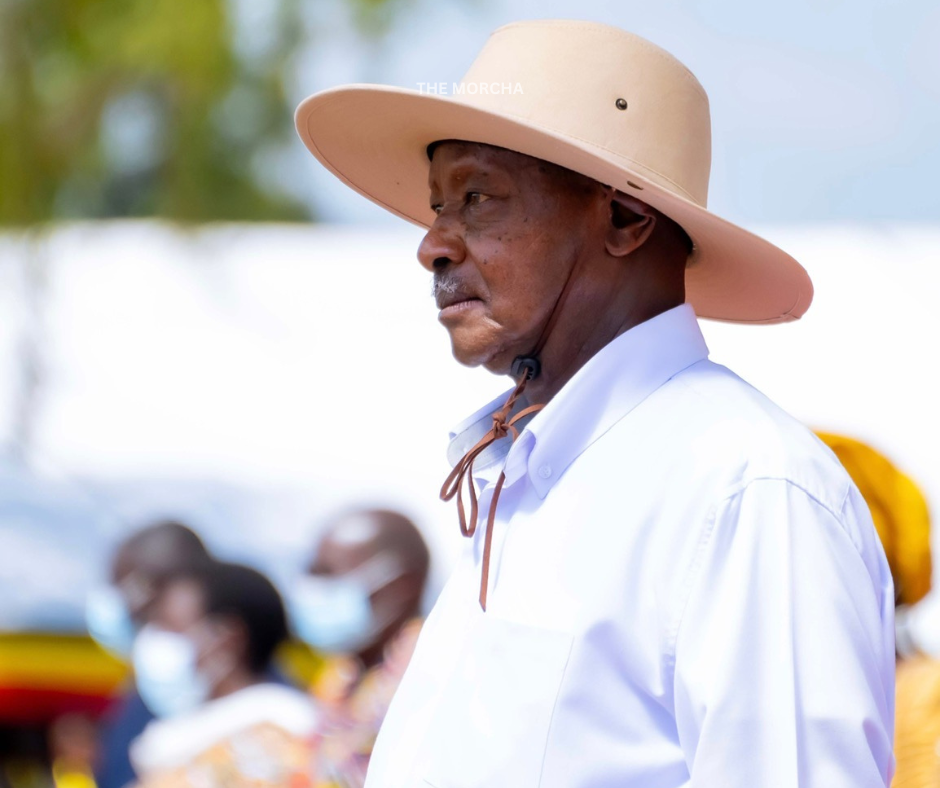
One of the most pressing questions for Uganda is what will happen when Museveni eventually leaves power. The country currently lacks clear and transparent mechanisms for political succession, which raises concerns about both stability and the continuity of governance. Speculation often centers on figures close to Museveni, particularly his son, General Muhoozi Kainerugaba, or long-standing political allies, but public opinion remains divided on whether such a succession would be accepted by the wider population.
The future of Uganda will depend on how well the nation balances political continuity with the need for institutional stability and democratic reform. Establishing credible processes for leadership transitions is crucial to avoid unrest or power struggles that could undermine decades of relative peace and development. While Museveni’s influence is likely to continue shaping politics for years to come, the emergence of new political voices and growing demand for accountability will play a key role in determining whether Uganda can move toward a more inclusive and democratic future.
Museveni’s Legacy: Development vs. Authoritarianism
Yoweri Museveni’s legacy in Uganda is a complex mix of development achievements and authoritarian practices. Since coming to power in the 1980s, Museveni has overseen relative peace, significant infrastructural development, and improvements in public health, including efforts to combat HIV/AIDS and expand education. These accomplishments have contributed to Uganda’s stability and international recognition as a post-conflict success story.
At the same time, Museveni’s long tenure has been marked by the suppression of dissent, restrictions on political freedoms, and constitutional changes that have extended his rule. His leadership combines pragmatic governance with strategic authoritarianism, using both formal institutions and informal networks of loyalty to maintain power. While some view him as a stabilizing force who brought order to a previously fractured nation, others criticize his consolidation of power and the limitations it places on democracy.
Ultimately, Museveni’s legacy reflects the dual nature of long-term leadership in post-conflict contexts: the ability to deliver development and stability, while also raising concerns about democratic accountability. This duality ensures that debates about his rule—whether as a visionary leader or an entrenched authoritarian—will continue for decades to come.
Economic Development and Social Inequalities in Uganda
Under Museveni’s nearly 40-year rule, Uganda has seen notable progress in economic development, particularly in sectors such as infrastructure, agriculture, and technology. Policies promoting market-oriented reforms and foreign investment have attracted international attention and helped stimulate growth in urban areas. Cities like Kampala have experienced rapid modernization, with new businesses, improved roads, and technological expansion.
However, this growth has not been evenly shared across the country. Rural communities often face limited access to healthcare, quality education, and essential infrastructure, leaving significant portions of the population underserved. Critics argue that Museveni’s economic policies disproportionately benefit the politically connected elite, creating gaps between urban and rural populations. Youth unemployment and regional disparities remain major challenges, highlighting the difficulty of achieving truly inclusive development.
While Uganda has made strides in certain sectors, the concentration of wealth and uneven distribution of resources continue to challenge the sustainability of Museveni’s economic model. Addressing these social inequalities and creating opportunities for all citizens will be critical for Uganda’s long-term stability and the effectiveness of future development initiatives.
Museveni and the Future of Uganda
Yoweri Museveni has led Uganda for nearly 40 years, making him one of Africa’s longest-serving leaders. His rule combines political skill, strategic governance, and strong control over the military and institutions, which has allowed him to maintain power for decades. Museveni’s leadership brought stability after years of conflict and contributed to economic and social improvements, including better infrastructure, healthcare, and education.
However, his extended tenure also raises questions about democracy and political freedom. Constitutional changes that removed term and age limits, combined with restrictions on opposition parties and media, have concentrated power in Museveni’s hands. The future of Uganda depends on how these entrenched systems adapt when political transition eventually occurs. The younger generation, particularly urban voters and activists, increasingly seeks more democratic governance, transparency, and accountability.
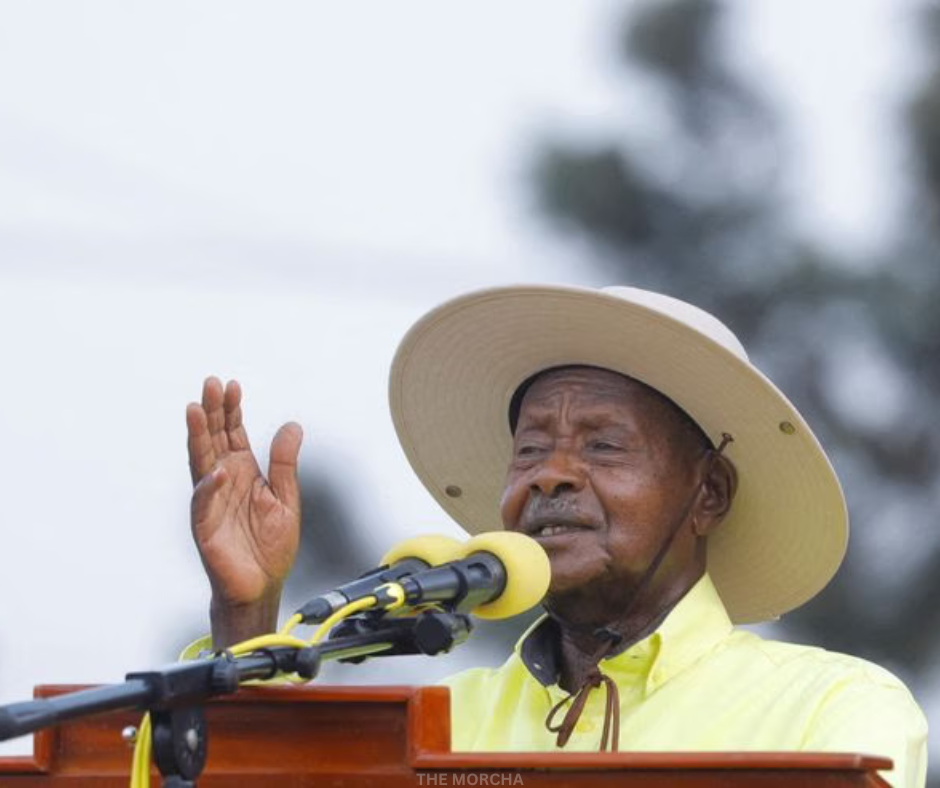
Internationally, Museveni has balanced relationships with Western donors and regional partners, gaining support for development projects while facing criticism over human rights concerns and electoral fairness. His legacy is therefore mixed: credited with stability and progress, yet criticized for authoritarian practices. Uganda’s future will depend on whether it can maintain stability while fostering political reform and social inclusion beyond Museveni’s era.