
Maximizing careers in today’s economy requires adapting to a workforce undergoing a profound transformation, largely driven by the rapid evolution of machines and artificial intelligence (AI). The term “machines” no longer refers solely to physical devices performing repetitive tasks; it now encompasses intelligent systems capable of learning, decision-making, and adapting to complex scenarios. This shift is reshaping industries, redefining skills, and challenging traditional notions of employment.
As machines become more integrated into daily work routines, professionals across the globe face a dual reality: on one hand, AI and automation threaten certain job categories; on the other, they create unprecedented opportunities for innovation, creativity, and entrepreneurship. Understanding the interplay between machines and human labor is essential for navigating the workforce of the future.
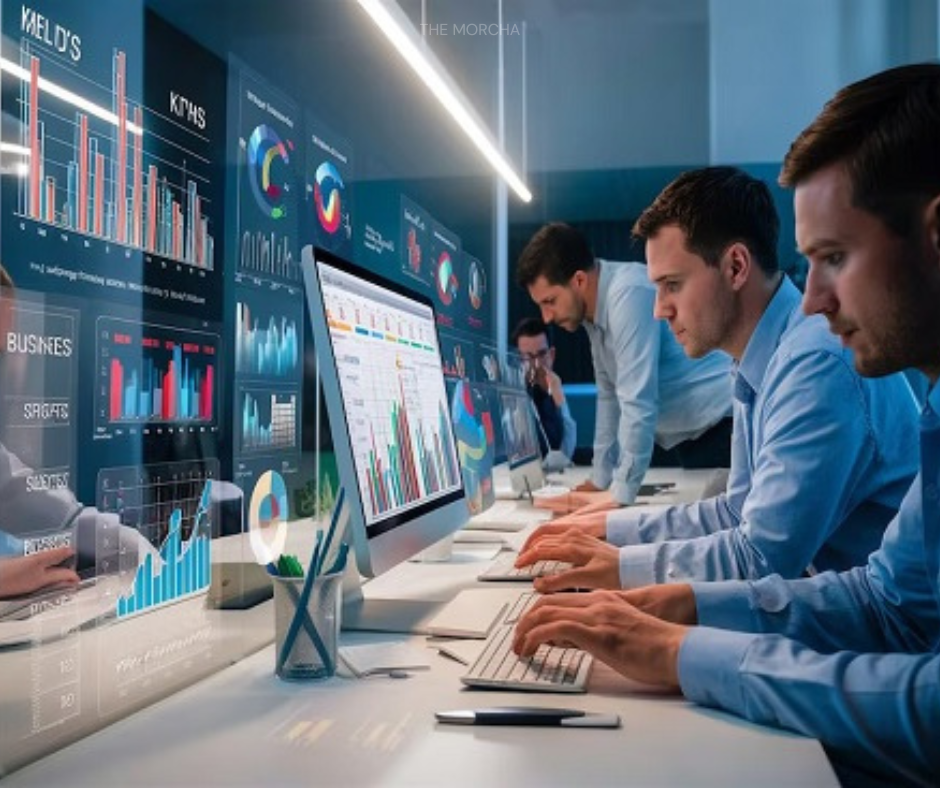
The concept of “machines” in the workforce extends beyond manufacturing. From AI-powered chatbots handling customer service to predictive analytics systems optimizing supply chains, machines are increasingly capable of performing tasks that were once considered exclusively human. This evolution raises critical questions: How will machines redefine human roles? Which jobs will thrive, and which will diminish? And most importantly, how can individuals, organizations, and governments prepare for a world where machines are central to economic productivity? Exploring these questions lays the foundation for understanding the future of jobs in the age of machines.
Table of Contents
The Rise of Machines
Across every sector, machines are no longer passive tools but active collaborators. In manufacturing, smart robots now assemble products with precision, speed, and efficiency previously unimaginable. In healthcare, AI-powered diagnostic systems support doctors by analyzing vast datasets to detect diseases at early stages. Retailers use AI-driven recommendation engines to personalize customer experiences, while financial institutions rely on machines to detect fraud and manage risk. This rise of machines is not limited to automation; it also includes augmentation, where machines assist humans in making better, faster, and more informed decisions.
Industries are rapidly adapting to a hybrid workforce where human creativity combines with machine efficiency. For example, in journalism, AI-generated content drafts are refined by human editors, allowing for faster news delivery without compromising quality. In architecture, machine learning algorithms help design sustainable buildings while architects provide the artistic vision. This collaboration demonstrates that the rise of machines is less about replacement and more about transformation—altering the way industries operate, innovate, and compete in a technology-driven global economy.
Maximizing Careers Machine Learning and Job Automation
Machine learning, a core component of AI, is at the heart of job automation. By learning patterns from data, machines can perform tasks ranging from predictive maintenance in factories to personalized marketing campaigns. Automation has already affected repetitive and rule-based jobs, such as assembly line work, data entry, and basic customer support. However, it is also encroaching on more complex roles, including legal research, financial analysis, and even some creative tasks.
The automation potential of machines varies by sector and geography. In highly industrialized nations, machines may replace tasks faster due to technological infrastructure and capital availability. Conversely, in developing economies, automation may progress more slowly but will still eventually reshape the job landscape. The key for employees is adaptability. By understanding which tasks machines excel at and which require human ingenuity, workers can focus on building skills that complement rather than compete with automation, ensuring career resilience in a machine-driven future.
Manufacturing and the Machine Revolution
Manufacturing has historically been the epicenter of machine integration. The industrial revolution mechanized labor, and today, the machine revolution is digitizing and automating production lines. Smart factories equipped with IoT sensors, AI-driven robots, and predictive analytics are producing goods faster, cheaper, and more accurately than ever before.
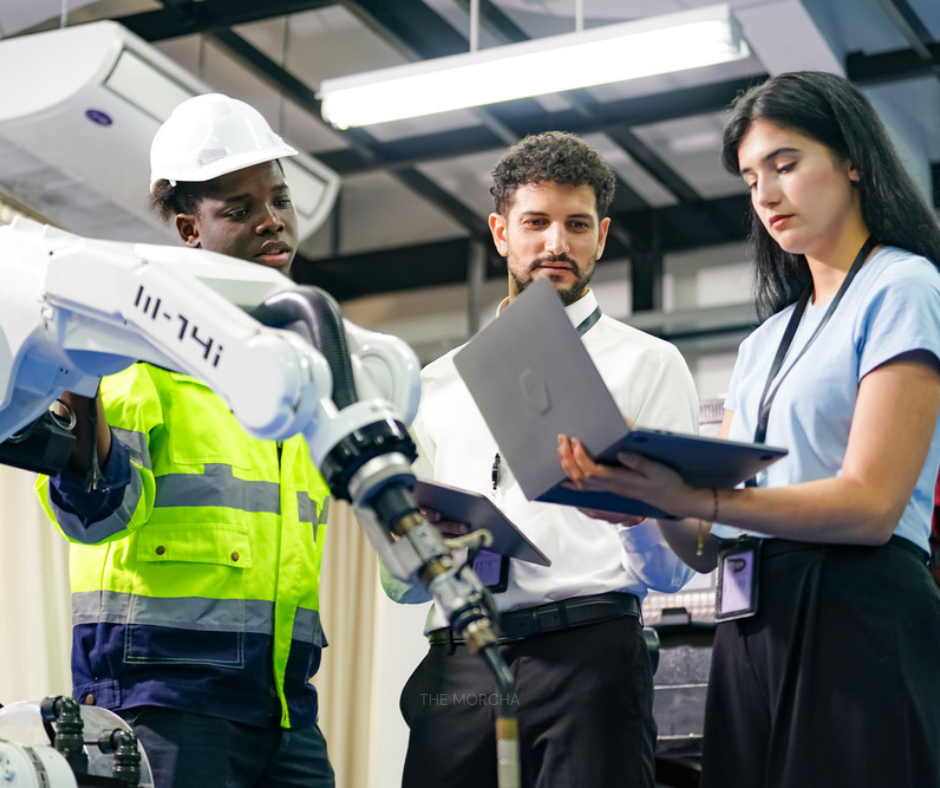
This shift has created a demand for new skill sets. Engineers and technicians are now required to manage, program, and maintain intelligent machines rather than perform purely manual labor. Moreover, the rise of additive manufacturing (3D printing) and AI-driven quality control systems has changed traditional roles, emphasizing design, problem-solving, and data analysis over repetitive assembly tasks. Workers who embrace machine literacy and technical expertise are positioned to thrive, while those resistant to adaptation face the risk of redundancy.
Machines in Healthcare
Healthcare is one of the most promising yet challenging domains for machine integration. Machines powered by AI can analyze medical images, predict patient outcomes, and even assist in surgeries with extreme precision. Diagnostic algorithms can detect early signs of diseases like cancer, often outperforming human specialists in speed and accuracy. Telemedicine platforms, supported by AI-driven triage systems, enable healthcare delivery in remote areas, expanding access to care.
However, integrating machines in healthcare raises ethical, regulatory, and professional challenges. Human oversight is essential to ensure patient safety, data privacy, and accountability. Moreover, healthcare professionals must adapt by learning to collaborate with machines rather than seeing them as replacements. Nurses, doctors, and technicians increasingly require data literacy, AI understanding, and proficiency in operating complex medical devices, emphasizing that the future of healthcare jobs will involve machine-human synergy.
AI-Powered Machines in Education
Education is another sector undergoing a profound transformation due to machines. AI-powered tutoring systems, personalized learning platforms, and virtual classrooms are redefining how knowledge is delivered and consumed. Machines can analyze student performance data to provide customized feedback, identify learning gaps, and suggest individualized study plans.
For educators, this presents both opportunities and challenges. Teachers can leverage machines to enhance engagement, track progress, and optimize lesson plans, freeing time for mentorship and creative instruction. However, they must also develop digital literacy skills and understand AI tools to remain effective. The role of educators is shifting from information providers to facilitators of learning, guiding students in navigating machine-enhanced education environments.
Machines and the Creative Sector
Contrary to the belief that creativity is immune to automation, machines are increasingly influencing creative industries. AI can generate music, art, video scripts, and even game design elements. While machines can produce content at scale, human input remains crucial for context, emotion, and cultural relevance.
Creative professionals who embrace machines as collaborators rather than competitors are likely to thrive. For instance, designers can use AI to generate multiple prototypes, freeing time for refinement and conceptual innovation. Writers may leverage AI for research, idea generation, or editing, while musicians can experiment with AI-generated compositions to inspire new works. The fusion of human imagination with machine efficiency is opening a new frontier for creative jobs, where machines amplify rather than replace talent.
The Gig Economy and Machine Integration
The gig economy is uniquely positioned to benefit from machine integration. Platforms like Uber, Upwork, and TaskRabbit utilize AI-driven algorithms to match demand with supply, optimize routes, and forecast trends. Machines can handle scheduling, payment processing, and quality monitoring, allowing gig workers to focus on delivering services efficiently.
At the same time, gig workers must adapt to machine-driven performance metrics. Ratings, algorithmic recommendations, and AI assessments increasingly influence earning potential. Success in the gig economy now depends on digital literacy, adaptability, and the ability to work alongside machines to optimize performance. Machines are not just tools but active participants in the gig economy, reshaping the way freelance work is organized, measured, and rewarded.
Machines Enhancing Workplace Productivity
Machines significantly enhance workplace productivity across sectors. AI-powered software can automate scheduling, manage inventory, analyze financial data, and support decision-making. Natural language processing tools assist in drafting reports, responding to emails, and analyzing documents. Predictive analytics enable businesses to anticipate market trends, optimize operations, and reduce costs.
Employees who embrace these machines gain a competitive advantage, as they can focus on higher-value tasks such as strategy, relationship-building, and innovation. Organizations that integrate machines effectively report higher efficiency, faster decision-making, and greater employee satisfaction. Productivity gains from machine adoption are transforming not only job tasks but also the very structure and culture of workplaces.
Reskilling and Upskilling for Machine Collaboration
One of the most critical aspects of the machine-driven job landscape is the need for reskilling and upskilling. Traditional skill sets may no longer suffice in an environment dominated by intelligent machines. Employees must learn to operate, manage, and collaborate with AI-powered systems.
Reskilling initiatives include training in data analysis, coding, machine learning basics, and digital literacy. Soft skills such as critical thinking, creativity, emotional intelligence, and complex problem-solving remain highly valuable, as these are areas where machines complement rather than replace human abilities. Lifelong learning and continuous adaptation are becoming essential strategies for career resilience in a world where machines are central to productivity.
The Ethics of Machines in Employment
The integration of machines into the workforce introduces significant ethical considerations that organizations, policymakers, and employees must navigate. Issues such as algorithmic bias, privacy violations, and unfair automation of jobs demand careful attention. For example, AI hiring tools can unintentionally favor certain demographics if trained on biased historical data, leading to systemic inequalities in employment opportunities. Similarly, machine surveillance in workplaces—used for productivity tracking or performance evaluation—raises concerns about privacy and worker autonomy.
Ethical machine deployment requires transparency, accountability, and human oversight. Professionals must understand not only how machines operate but also how decisions are made by AI systems, particularly when those decisions directly affect livelihoods. Companies that prioritize ethical guidelines for AI use—ensuring fairness, transparency, and inclusion—will foster trust and long-term sustainability. Workers must also cultivate ethical awareness, learning to question, interpret, and challenge machine outputs when necessary. In this context, the future of employment is not solely about efficiency; it is about ensuring that machines enhance human welfare without compromising social justice.
AI-Driven Machines and Global Job Markets
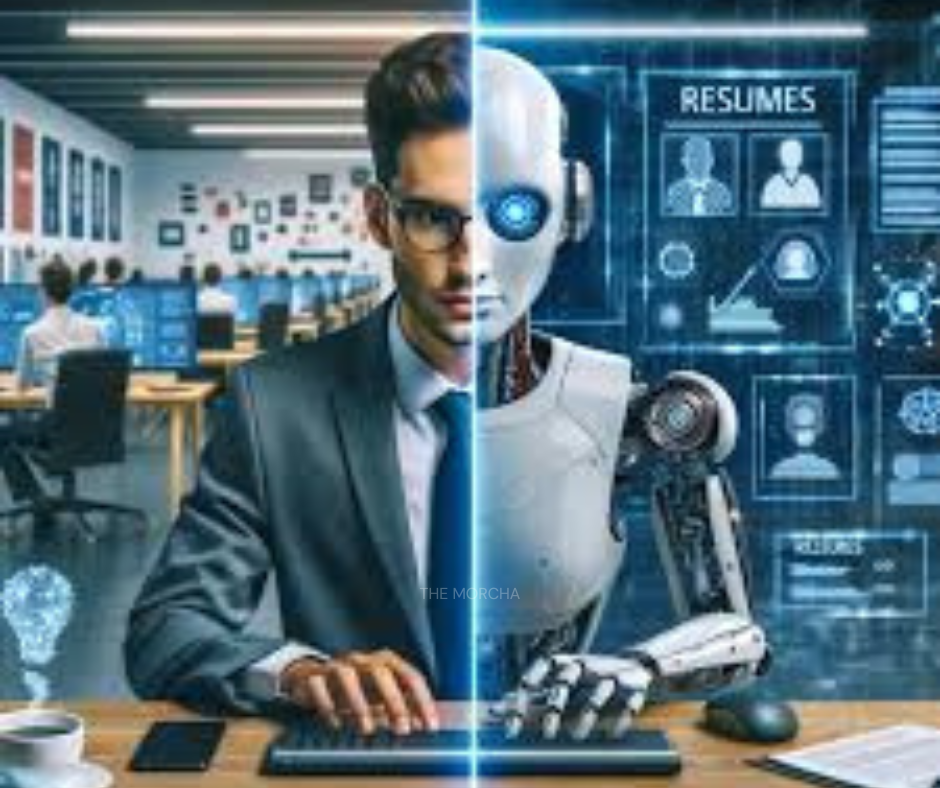
Machines are reshaping job markets globally, with effects varying across regions, sectors, and skill levels. In highly industrialized nations, automation accelerates productivity and reduces labor costs, but also increases pressure on workers to adapt quickly to technological shifts. In emerging economies, machines can help scale industries, improve quality, and create new employment opportunities, although uneven access to technology may exacerbate existing inequalities. Globalization and interconnected economies mean that machine-driven disruptions in one region can ripple across the world, influencing wages, skill demand, and employment patterns everywhere.
For businesses, integrating machines globally involves balancing efficiency with workforce sustainability. International corporations often deploy AI and robotics to optimize supply chains, reduce operational costs, and enhance customer experiences. At the same time, governments and educational institutions must anticipate machine-driven shifts, implementing policies for skill development, social protection, and workforce mobility. The ability to predict and manage the global impacts of machines on jobs will define economic competitiveness and societal resilience in the decades to come.
Machines and the Future of Entrepreneurship
Entrepreneurship is experiencing a renaissance thanks to machines, which empower innovators to launch ventures with unprecedented efficiency and scale. AI-driven tools assist with market research, financial modeling, product development, and customer engagement. Entrepreneurs can use predictive analytics to identify market gaps, machine learning to optimize operations, and automation to reduce overhead costs, enabling them to compete against larger organizations.
Machine integration is also fostering entirely new types of startups. AI-based healthcare platforms, autonomous mobility services, and virtual reality experiences are examples of sectors that barely existed a decade ago. Entrepreneurs who embrace machines as partners rather than tools are better positioned to innovate rapidly, pivot strategies, and scale businesses globally. This evolution signals that future entrepreneurship will not only require vision and risk-taking but also deep understanding of AI technologies and the ability to harmonize human creativity with machine intelligence.
Machine Intelligence and Human Decision-Making
Machines increasingly influence human decision-making in both professional and personal contexts. Predictive algorithms, recommendation engines, and AI-driven analytics inform choices ranging from hiring candidates to investment strategies, product designs, and healthcare treatments. While these systems enhance efficiency and accuracy, they also challenge traditional decision-making paradigms, requiring humans to interpret, contextualize, and validate machine outputs.
Decision-making in the age of machines demands hybrid intelligence—a combination of human judgment and machine computation. Professionals who can balance algorithmic insights with ethical considerations, creative problem-solving, and nuanced understanding of context will be in high demand. Conversely, overreliance on machines can lead to blind spots, errors, or unintended consequences. Cultivating skills in critical thinking, data literacy, and machine interpretability is therefore essential, ensuring that machines serve as collaborators rather than replacements in shaping strategic, ethical, and impactful decisions.
Policy Making for a Machine-Driven Economy
Effective policy-making is central to harnessing the benefits of machines while mitigating risks to the workforce. Governments must create frameworks that balance innovation, productivity, and social protection. This includes policies for workforce reskilling, labor market flexibility, AI ethics, data privacy, and fair taxation of automated systems. Policies should also encourage public-private collaboration to accelerate technological adoption while ensuring that displaced workers receive support through education, training, and social safety nets.
Machine-driven economic policies must be forward-looking, anticipating trends in automation, AI integration, and global competitiveness. By fostering innovation ecosystems, incentivizing responsible AI deployment, and promoting equitable access to technology, policymakers can help create a resilient workforce capable of thriving alongside machines. Failure to address these challenges could exacerbate unemployment, inequality, and social unrest, making governance in a machine-powered economy both a critical and complex endeavor.
Machines in Remote Work and Digital Transformation
The proliferation of machines has accelerated digital transformation and remote work, redefining where, how, and when people work. AI-powered collaboration tools, virtual assistants, and automated workflow systems have made remote work more productive and efficient than ever before. Machines facilitate real-time communication, data analysis, and project management, enabling teams to collaborate across geographies without loss of efficiency.
This transformation requires workers to develop new competencies, including proficiency with digital tools, cybersecurity awareness, and the ability to manage machine-assisted workflows. Machines are not only enhancing productivity but also reshaping organizational culture, emphasizing flexibility, autonomy, and continuous learning. As businesses continue to embrace remote and hybrid models, the ability to work alongside machines effectively will determine both individual career success and overall organizational competitiveness.
Predicting Jobs of Tomorrow
The impact of machines on the jobs of tomorrow is both profound and multifaceted, reshaping career trajectories across industries. Predicting which roles will emerge, evolve, or disappear requires understanding the interplay between machine capabilities, human skills, and global economic trends. As machines become more intelligent, routine and repetitive tasks will increasingly be automated, while demand will grow for roles that emphasize creativity, critical thinking, emotional intelligence, and complex problem-solving. Jobs such as data analysts, AI ethicists, human-machine collaboration specialists, and digital transformation managers are expected to rise in prominence, reflecting the need for humans who can interpret, guide, and enhance machine performance rather than compete with it.
Additionally, entirely new sectors are likely to emerge as machines enable innovations that were previously unimaginable. Quantum computing, autonomous mobility systems, advanced robotics, and AI-driven biotechnology will create specialized positions requiring hybrid expertise—combining technical proficiency with domain knowledge. Even in traditional fields like education, healthcare, and finance, roles will shift toward oversight, strategy, and customization, emphasizing the human capacity to provide judgment, empathy, and ethical reasoning. Predictive analytics and workforce modeling powered by machines themselves can help organizations anticipate future skill gaps, enabling proactive reskilling and talent development strategies.
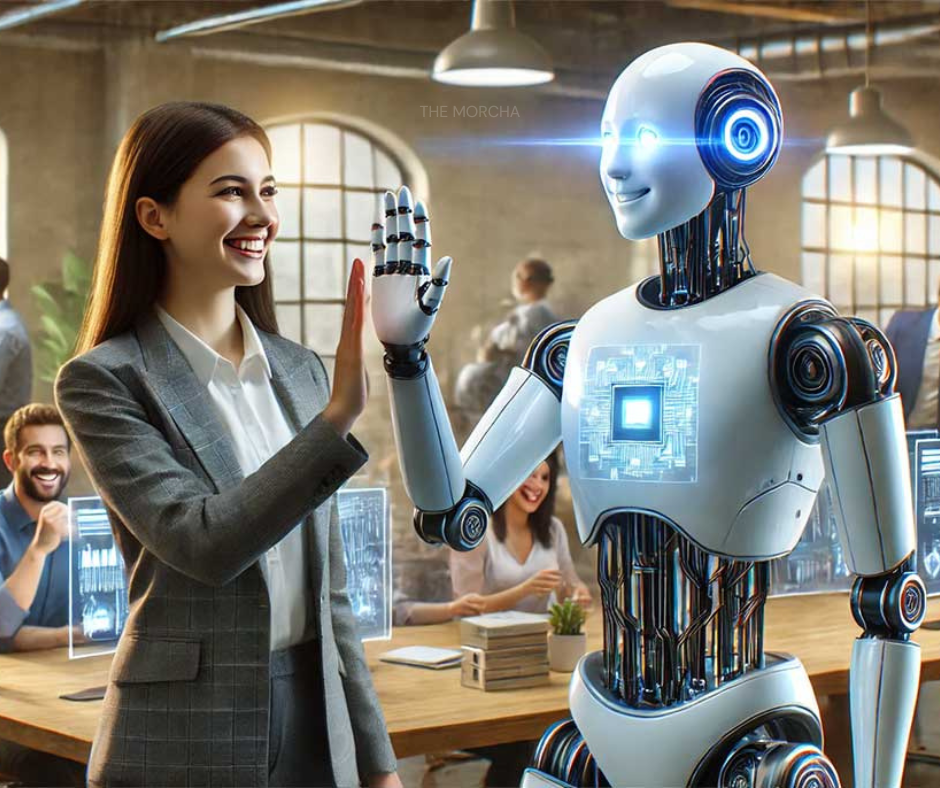
Ultimately, the future job market will reward those who can navigate a symbiotic relationship with machines, leveraging technology to amplify human potential rather than fearing displacement. Employees who cultivate adaptability, machine literacy, and interdisciplinary expertise will be best positioned to seize opportunities, while organizations that invest in human-machine collaboration will thrive in an increasingly automated, intelligent, and competitive global economy. The era of machines is not about replacement but about transformation—offering a roadmap for tomorrow’s workforce that is smarter, more innovative, and more resilient than ever before.