
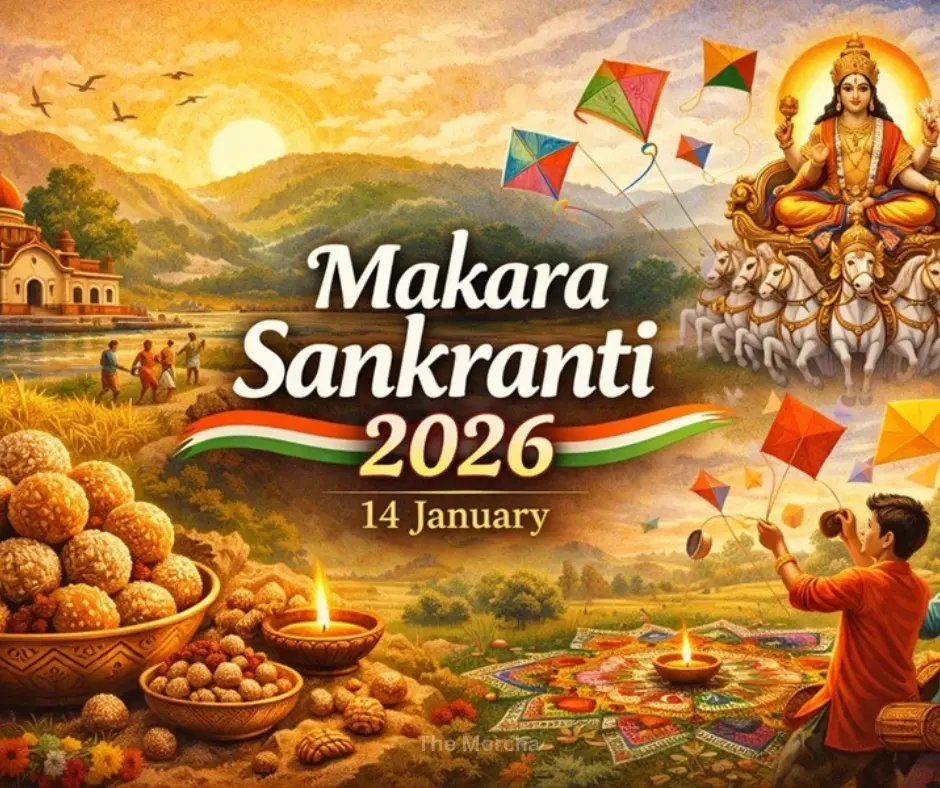
Makar Sankranti is one of the most significant and widely celebrated festivals in India. It marks an important astronomical event as well as a major cultural and agricultural milestone. Unlike many Indian festivals that follow the lunar calendar, Makar Sankranti is based on the solar calendar and therefore falls on almost the same date every year, usually on 14 January (sometimes 15 January). The festival signifies the transition of the Sun into the zodiac sign Makara (Capricorn), marking the beginning of its northward journey known as Uttarayana, which is considered highly auspicious in Hindu tradition and associated with positivity, prosperity, and spiritual growth.
Makar Sankranti is celebrated across India with different names, rituals, and traditions depending on the region. Despite the diversity, the core essence of the festival remains the same: gratitude towards nature, celebration of harvest, and the welcoming of longer days and warmer weather. It is a festival that beautifully combines science, spirituality, agriculture, and social bonding.
Table of Contents
Astronomical and Scientific Significance
The term “Sankranti” refers to the transition of the Sun from one zodiac sign to another. There are twelve Sankrantis in a year, but Makar Sankranti is considered the most significant because it marks the Sun’s movement into Capricorn. Scientifically, this transition indicates the end of the winter solstice period and the beginning of longer days in the Northern Hemisphere.
From an astronomical point of view, Makar Sankranti represents the time when the Earth’s axis starts tilting towards the Sun, resulting in an increase in daylight hours. This change has a direct impact on climate, agriculture, and human health. Ancient Indian scholars and astronomers observed these patterns thousands of years ago and linked them to seasonal cycles, agricultural practices, and human well-being.
The festival highlights the advanced scientific understanding of ancient Indian civilization, which accurately calculated solar movements and seasonal changes long before the advent of modern astronomy.
Religious and Spiritual Importance
In Hinduism, Makar Sankranti holds immense religious significance. The northward movement of the Sun, or Uttarayana, is believed to be a highly favorable period for spiritual practices, charity, and self-discipline. According to Hindu scriptures, deeds performed during this time yield greater spiritual merit.
It is believed that taking a holy dip in sacred rivers such as the Ganga, Yamuna, Godavari, Krishna, and Kaveri on Makar Sankranti washes away sins and brings blessings. Large religious gatherings and fairs are organized at riverbanks, with the Kumbh Mela being the most famous among them.
The festival is also associated with Lord Surya (the Sun God). Devotees offer prayers to Surya, thanking him for sustaining life on Earth. The worship of the Sun symbolizes gratitude towards nature and recognition of the Sun as the ultimate source of energy.
Mythological Background
Several mythological stories are associated with Makar Sankranti. One popular legend is related to Lord Vishnu, who is believed to have defeated the demon Sankarasura on this day, symbolizing the victory of good over evil. Another story mentions Bhishma Pitamah from the Mahabharata, who chose to leave his mortal body during Uttarayana, considering it an auspicious time for attaining salvation.
There is also a belief that on this day, the river Ganga descended from heaven to Earth, and therefore bathing in the Ganga during Makar Sankranti is considered especially sacred. These mythological narratives enhance the spiritual depth and cultural richness of the festival.
Agricultural Importance
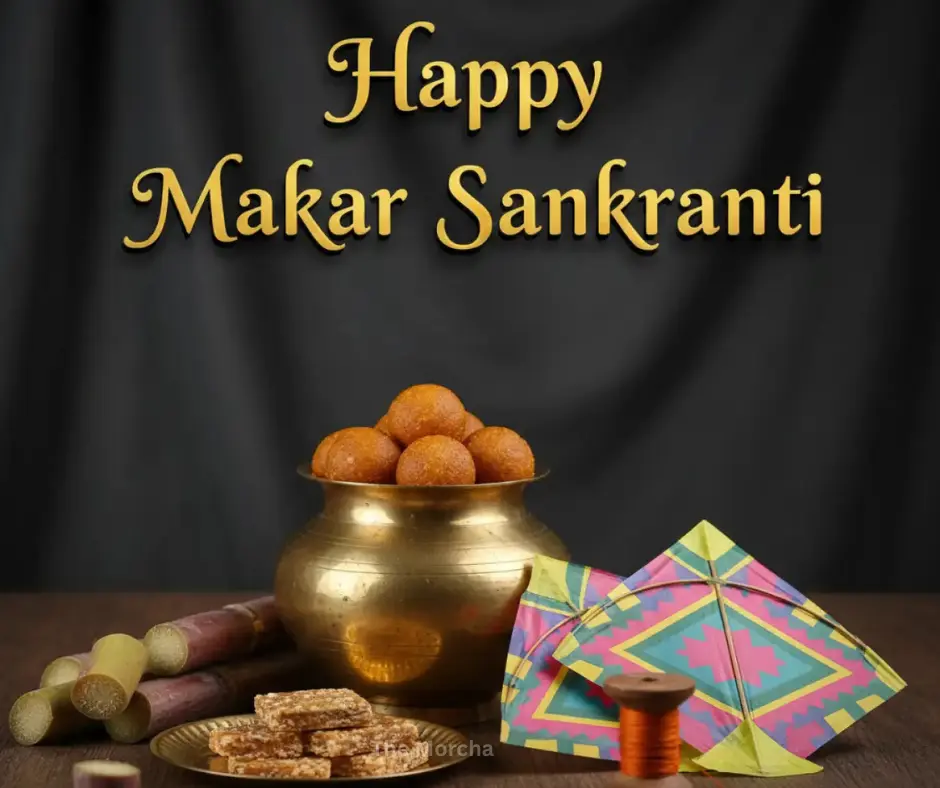
Makar Sankranti is primarily a harvest festival, especially significant for farmers. It marks the end of the winter harvest season and the beginning of a new agricultural cycle. Farmers express gratitude to nature, the Sun, and the Earth for a bountiful harvest.
In rural India, this festival represents hope, prosperity, and renewal. Crops such as rice, sugarcane, wheat, and pulses are harvested around this time, and the produce is used to prepare traditional dishes. The festival strengthens the bond between humans and nature, emphasizing sustainable living and respect for natural resources.
Regional Names and Celebrations in India
Although the essence of Makar Sankranti is the same, it is celebrated under different names across various regions of India:
Pongal (Tamil Nadu): A four-day harvest festival dedicated to the Sun God, cattle, and nature. The cooking of sweet Pongal symbolizes abundance.
Uttarayan (Gujarat): Famous for vibrant kite flying festivals, filling the sky with colorful kites.
Lohri (Punjab and Haryana): Celebrated a day before Makar Sankranti, focusing on bonfires, folk songs, and dances like Bhangra and Gidda.
Magh Bihu (Assam): Marked by community feasts and traditional games.
Khichdi (Uttar Pradesh and Bihar): Known for preparing and donating khichdi as an act of charity.
Sankranthi (Andhra Pradesh and Telangana): Celebrated with rangoli designs, cattle worship, and traditional sweets.
These diverse celebrations reflect India’s cultural unity in diversity.
Traditional Foods and Their Significance
An important part of Makar Sankranti celebrations is food. Common ingredients include sesame seeds (til) and jaggery (gur), which are believed to provide warmth and energy during winter. Dishes like til-gud laddoos, chikki, pongal, khichdi, and various sweets are prepared and shared.
The phrase “Til-gud ghya ani god god bola” in Maharashtra symbolizes the message of sweetness, harmony, and good relationships. Sharing food promotes social bonding and reinforces the spirit of unity and generosity.
Kite Flying Tradition
One of the most visually exciting aspects of Makar Sankranti is kite flying, especially in Gujarat, Rajasthan, and parts of Maharashtra. Kite flying is not just a recreational activity but also holds symbolic meaning. It represents reaching out to the skies, embracing freedom, and celebrating the Sun’s ascent.
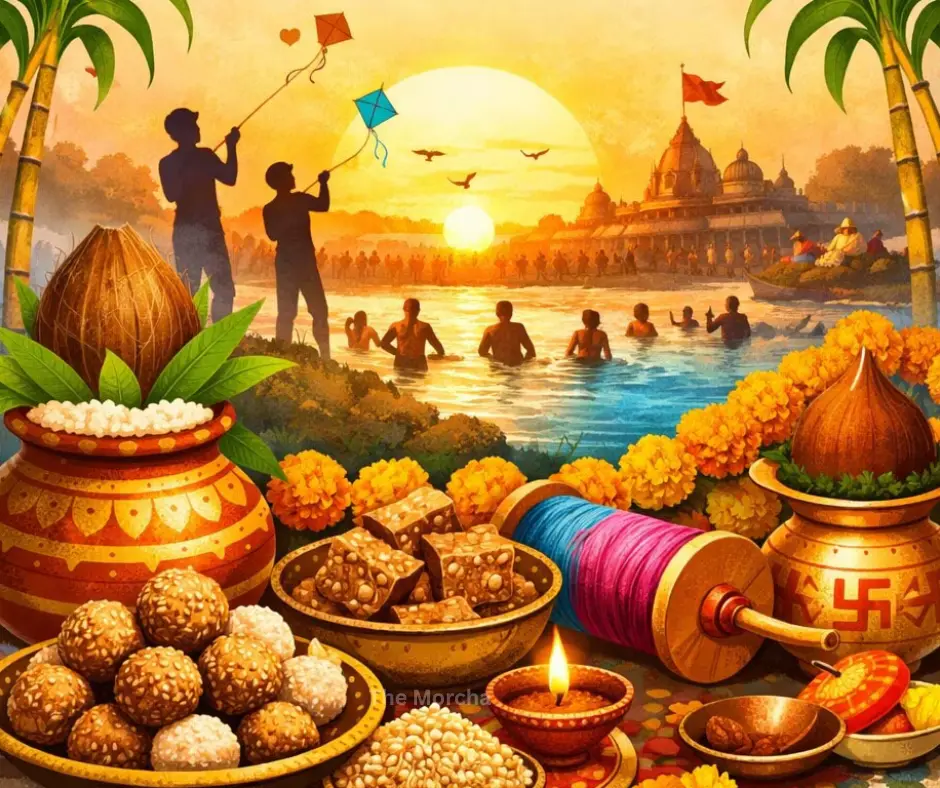
International Kite Festivals are organized in cities like Ahmedabad, attracting participants from across the globe. The skies filled with colorful kites create a festive atmosphere and showcase India’s cultural vibrancy.
Social and Cultural Significance
Makar Sankranti promotes social harmony, charity, and togetherness. People donate food, clothes, and money to the needy, believing that charity during this period brings blessings and prosperity. Communities come together to celebrate, strengthening social bonds and cultural values.
The festival also encourages respect for elders, reconciliation of differences, and the spreading of goodwill. It reminds people to let go of negativity and move forward with positivity and optimism.
Environmental and Health Aspects
From a health perspective, Makar Sankranti emphasizes seasonal eating and lifestyle practices. Foods rich in nutrients and warmth help the body adapt to changing weather. Sun exposure during this time is believed to improve immunity and mental well-being.
Environmentally, the festival highlights the importance of sustainable living and harmony with nature. Traditional practices such as using organic materials, respecting animals, and celebrating natural cycles align with eco-friendly values.
Makar Sankranti in Modern Times
In contemporary society, Makar Sankranti continues to evolve while retaining its traditional roots. Urban celebrations may include cultural programs, social media campaigns, and large-scale festivals. Despite modernization, the core values of gratitude, positivity, and unity remain unchanged.
The festival also serves as a reminder of India’s rich heritage and the timeless relevance of its traditions in modern life.
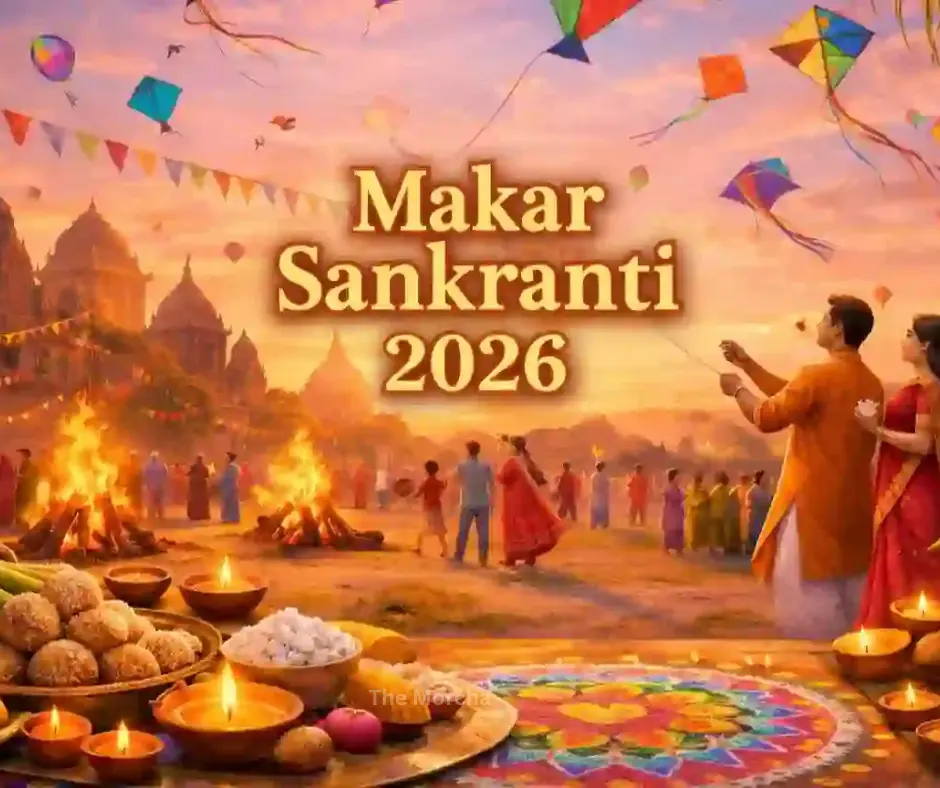
Makar Sankranti is more than just a festival; it is a celebration of life, nature, and cosmic harmony. It represents the seamless blend of science, spirituality, agriculture, and culture. By marking the Sun’s transition and the harvest season, the festival encourages gratitude, renewal, and hope.
Through diverse regional celebrations, traditional foods, rituals, and social values, Makar Sankranti unites people across India and beyond. It teaches humanity to live in balance with nature, respect seasonal cycles, and spread warmth, sweetness, and positivity in relationships. In essence, Makar Sankranti symbolizes the eternal journey from darkness to light, ignorance to knowledge, and despair to joy.